Kenya safari transport for tour operators means three things: pop-up roof 4×4 Land Cruisers or safari vans with a driver-guide for road safaris, scheduled light-aircraft flights for fly-in itineraries, and airport transfers with meet and greet. A licensed ground operator usually combines all three in one quote, priced per vehicle or per seat.
–>Sense of Adventure is a Nairobi-based ground operator licensed by Kenya’s Tourism Regulatory Authority (TRA1/47/C01/77087). We plan and run road safaris, book scheduled light-aircraft seats and handle transfers for travel agents, tour operators and MICE planners. This guide to Kenya safari transport for tour operators compares vehicles, gives typical distances and driving times, explains flight rules and pricing, and lists the checks your agency should make. Our Kenya DMC for travel agents page explains how we work with the trade.
{“title”:”Table of Contents”,”headings”:[],”listStyle”:”ul”,”titleWrapper”:”h2″,”excludeHeadings”:[]} /–> {“id”:12873,”sizeSlug”:”large”,”linkDestination”:”none”} –>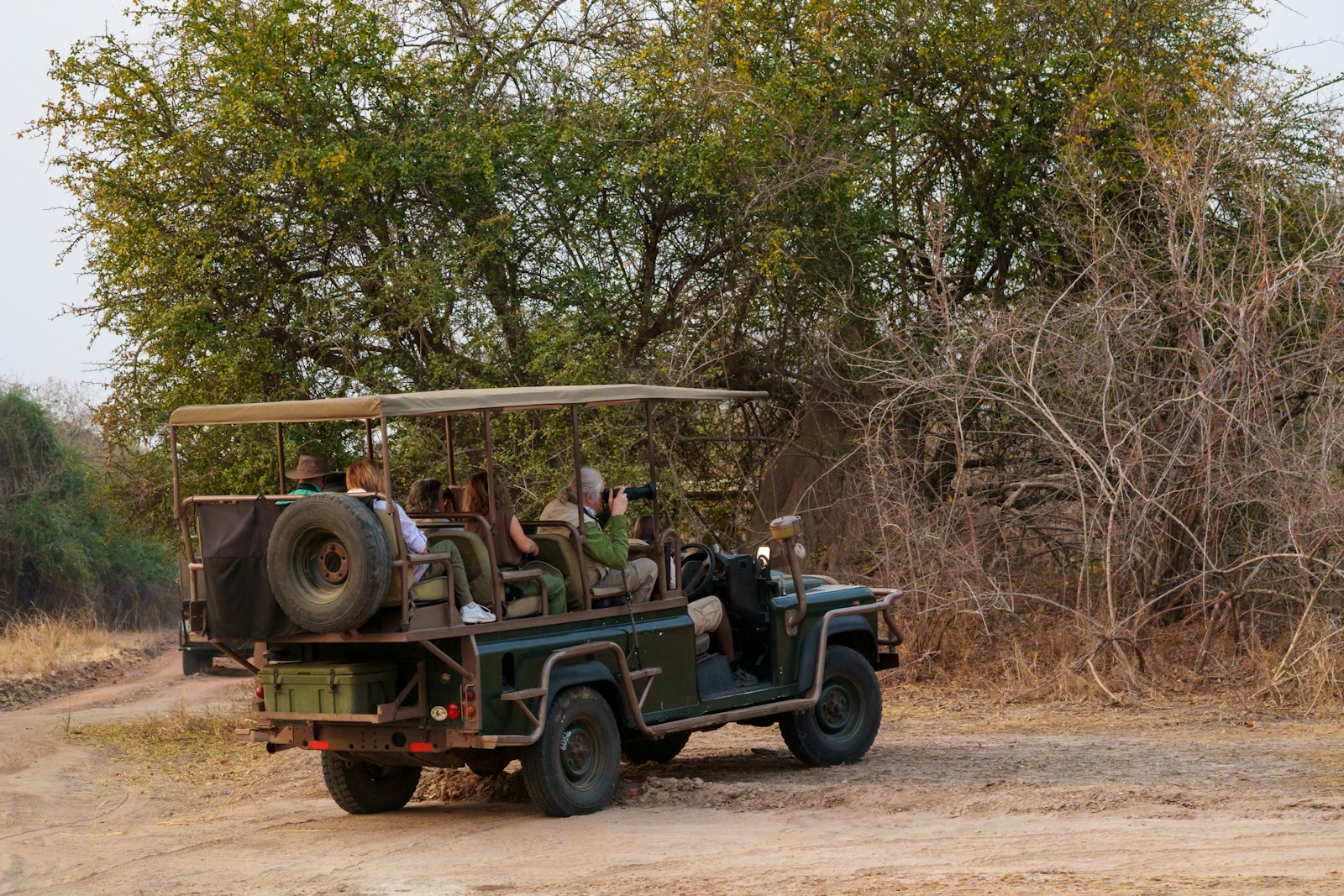
✅ Kenya Safari Transport for Tour Operators: The Quick Answer
{“className”:”wp-block-list”} –>- –>
- Land Cruisers: pop-up roof 4x4s are the comfort and access choice, typically carrying six or seven guests with a window seat each. –>
- Safari vans: pop-up roof vans suit good roads and value-focused itineraries, with similar seat numbers but less ground clearance. –>
- Light aircraft: scheduled flights from Nairobi’s Wilson Airport reach the Masai Mara in about an hour, with a soft-bag limit of around 15 kg per person. –>
- Transfers: meet and greet at JKIA and Wilson Airport links international arrivals to the first road or air leg. –>
- Rules: TRA restricts open-sided game-viewing vehicles to parks, reserves and conservancies, not public highways. –>
- Pricing: road transport is usually quoted per vehicle per day; flights are quoted per seat.
🚙 Planning vehicles and flights for a new Kenya programme?
Send us your route and passenger numbers, and we will propose the right mix of vehicles, flights and transfers with trade pricing.
What Kenya Safari Transport for Tour Operators Covers
–>Kenya safari transport for tour operators covers every movement a client makes after landing, from the airport kerb to the last game drive.
–>For most programmes that means an arrival transfer, road or air legs between parks, game drives inside parks and conservancies, and a departure transfer. A ground operator coordinates these legs so that timings line up: a flight that lands at an airstrip needs a vehicle waiting, and a road transfer must reach the park gate before it closes. Good Kenya safari transport for tour operators is less about any single vehicle and more about how the pieces fit.
{“className”:”wp-block-list”} –>- –>
- Arrival and departure: meet and greet at Jomo Kenyatta International Airport (JKIA) or Wilson Airport, and hotel transfers. –>
- Road safari legs: a dedicated vehicle and driver-guide for the whole circuit, or for specific parks. –>
- Air legs: scheduled light-aircraft seats between Nairobi, the parks and the coast. –>
- In-park game drives: by your operator’s vehicle, or by camp vehicles at many fly-in camps. –>
- Park entry coordination: making sure fees, permits and gate times match the transport plan.
Safari Vehicles Compared: Land Cruisers vs Safari Vans
–>The choice between a pop-up roof Land Cruiser and a safari van is the biggest single decision in Kenya safari transport for tour operators, and it should follow the route, not the budget alone.
–>| Feature | Pop-up roof 4×4 Land Cruiser | Pop-up roof safari van |
|---|---|---|
| Typical guests | Six or seven, each with a window seat | Six or seven, each with a window seat |
| Ground clearance | High, handles rough tracks and wet roads | Lower, best on good roads and dry tracks |
| Comfort on long drives | Firmer but stable on rough roads | Comfortable on tarmac, bumpier off-road |
| Best routes | Masai Mara, Samburu, Tsavo, conservancies, rainy months | Nairobi, Lake Nakuru, Naivasha, Amboseli in dry months |
| Luggage | Good space, with roof or rear storage | Less space; may need a support vehicle for big groups |
| Price level | Higher per day | Lower per day |
| Best for | Private, luxury, photography and family safaris | Value itineraries and short circuits |
Seat plans vary by vehicle, so in Kenya safari transport for tour operators always confirm the exact layout for each booking rather than assuming a number.
{“level”:3,”anchor”:”pop-up-roof-4×4-land-cruisers”} –>Pop-up roof 4×4 Land Cruisers
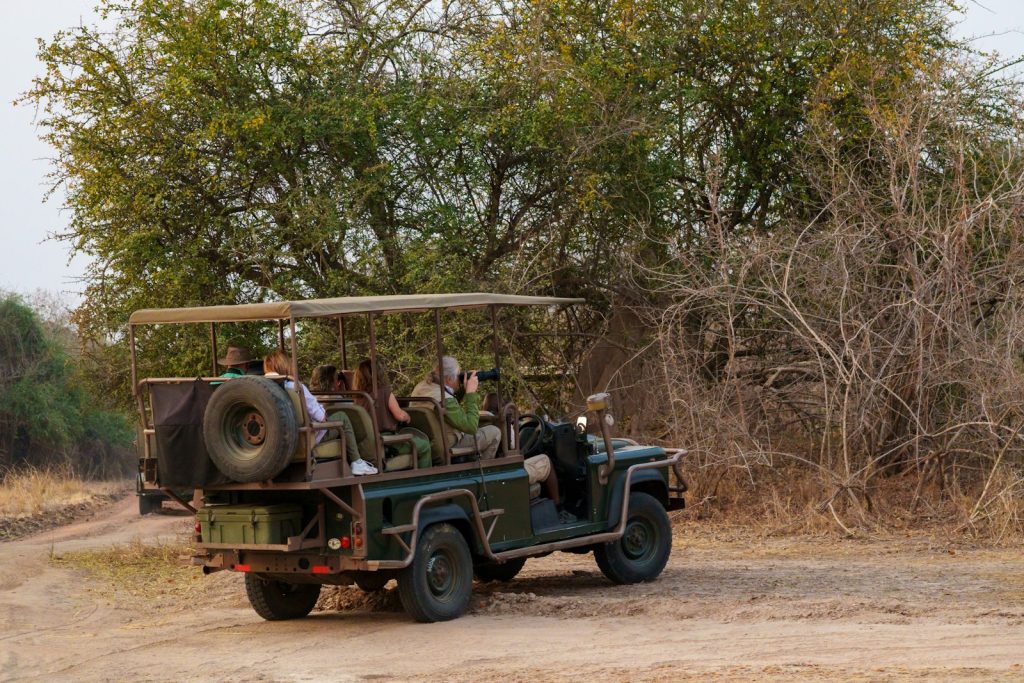
–>Land Cruisers are the workhorse of Kenyan safaris. The pop-up roof gives standing views and shade, the 4×4 system copes with black cotton soil after rain, and many have charging points and a cool box. For Kenya safari transport for tour operators selling the Masai Mara in the wet months, Land Cruisers are the safer choice.
{“level”:3,”anchor”:”safari-vans”} –>Safari vans
–>Pop-up roof vans are a sound option on well-maintained routes and for clients watching their budget. They work well for short circuits such as Nairobi, Naivasha and Lake Nakuru. On rough roads they are slower and less comfortable, which can eat into game-drive time, so in Kenya safari transport for tour operators vans are best kept for good roads and dry months.
{“level”:3,”anchor”:”open-sided-vehicles-parks-only”} –>Open-sided vehicles: parks only
–>In January 2026 the Tourism Regulatory Authority warned operators not to use open-sided Land Cruisers to carry tourists on public highways, saying they are licensed only for game viewing and photography inside national parks, reserves and registered conservancies. If clients want open-sided game drives, plan them at camps or conservancies, with a closed vehicle or flight for the journey.
–>🧭 Not sure whether your route needs a Land Cruiser?
Share your dates, parks and group profile, and we will recommend the vehicle that suits the roads and season.
💬 Help Me Choose a Vehicle📋 Ask for a Vehicle Recommendation
Road Transfers: Typical Distances and Driving Times
–>Driving times shape every itinerary, so build Kenya safari transport for tour operators around realistic hours on the road, not map distances.
–>| Route from Nairobi | Approximate distance | Typical driving time | Notes |
|---|---|---|---|
| Lake Naivasha | About 100 km | 2 to 2.5 hours | Easy first or last stop |
| Lake Nakuru | About 160 to 170 km | 3 to 3.5 hours | Often paired with Naivasha |
| Amboseli | About 215 to 240 km | 4 to 5 hours | Last stretch can be dusty or rough |
| Masai Mara | About 230 to 275 km | 5 to 6 hours | Depends on gate and camp location |
| Ol Pejeta | About 215 km | 4 hours | Good link to Samburu |
| Samburu | About 330 km | 6 hours or more | Often broken with a Laikipia stop |
Use these as planning figures for Kenya safari transport for tour operators: they are typical times in dry conditions and vary with traffic, roadworks, weather and camp location. Add time for comfort stops, Nairobi traffic and wildlife sightings on the way. Our guide to Nairobi to Masai Mara distance compares the road and air options on the busiest route in detail.
–>Expert tip from our Nairobi operations team: avoid itineraries with more than about five or six hours of driving on consecutive days. Clients arrive tired, miss afternoon drives and remember the road, not the wildlife. Break long legs with a night at Naivasha, Nakuru or Laikipia, or use a flight. Realistic driving days are the clearest quality marker in Kenya safari transport for tour operators.
{“id”:12874,”sizeSlug”:”large”,”linkDestination”:”none”} –>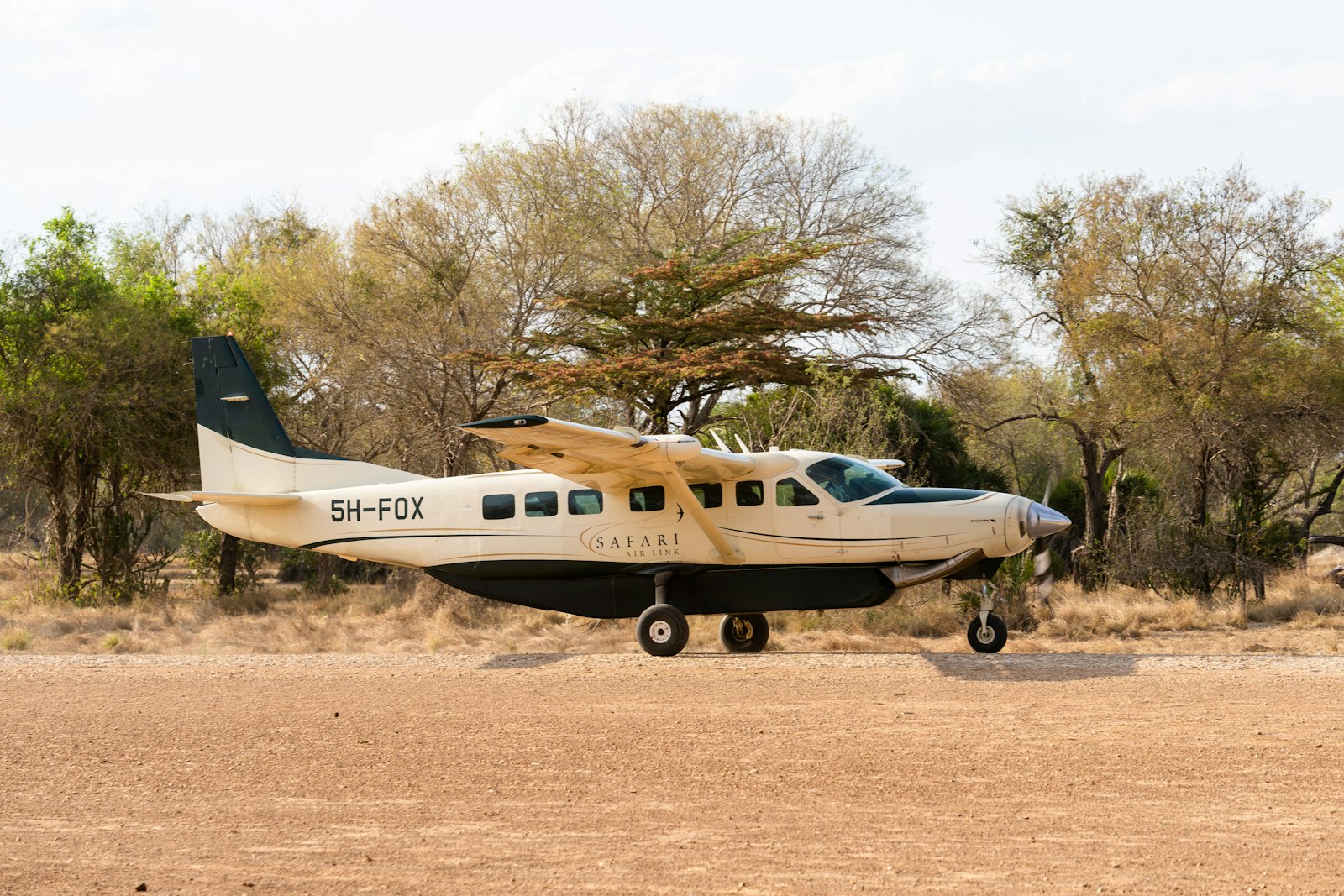
Scheduled Light-Aircraft Flights
–>Scheduled light-aircraft flights are the fastest part of Kenya safari transport for tour operators, turning a five- or six-hour drive into a flight of about an hour.
–>Most domestic safari flights leave from Wilson Airport in Nairobi, with some services from JKIA, the coast and between parks. Aircraft land at bush airstrips close to the camps, where a camp or operator vehicle meets clients. We book scheduled light-aircraft seats as part of our Kenya safari transport for tour operators and coordinate the airstrip pick-ups.
{“className”:”wp-block-list”} –>- –>
- Luggage: expect about 15 kg per person, including hand luggage, in soft bags without wheels or frames. Excess may need an extra seat, if available. –>
- Check-in: clients usually check in at Wilson Airport around an hour before departure; confirm the exact time on the ticket. –>
- Routings: flights may stop at several airstrips, so flight times can be longer than the direct distance suggests. –>
- Seats: peak-season flights fill early; book them at the same time as the camps. –>
- Changes: schedules can change with weather and demand; a ground operator monitors and re-routes where needed.
Share a soft-bag packing brief with every fly-in client well before departure. Airport information is available from the Kenya Airports Authority.
{“level”:3,”anchor”:”kenya-safari-transport-for-tour-operators-road-or-fly-in”} –>Kenya safari transport for tour operators: road or fly-in?
{“className”:”wp-block-list”} –>- –>
- Choose road for groups, families who want flexibility, photographers with heavy kit, and short circuits near Nairobi. –>
- Choose fly-in for short stays, long distances such as Samburu or the Mara to the coast, honeymooners and older clients who dislike long drives. –>
- Mix both on many programmes: drive Nairobi to Naivasha and the Mara, then fly back to Nairobi or on to the coast.
Airport Transfers and Meet and Greet
–>Arrival handling is the first impression of Kenya safari transport for tour operators, so it needs clear instructions for both clients and drivers.
{“className”:”wp-block-list”} –>- –>
- JKIA: most international arrivals land here; our team meets clients after customs with a name board and escorts them to the vehicle. –>
- Wilson Airport: the hub for domestic safari flights, a separate airport on the other side of the city from JKIA. –>
- JKIA to Wilson: allow plenty of time for this transfer, as Nairobi traffic varies widely through the day. –>
- Late arrivals: plan an overnight in Nairobi rather than a same-day long drive to a park. –>
- Documents: share flight numbers, passenger names and mobile numbers at least 72 hours before arrival.
Clients also need a valid Kenya eTA from the official Kenya eTA portal before they fly. Clear arrival notes are the cheapest improvement you can make to Kenya safari transport for tour operators.
{“anchor”:”planning-transport-for-groups-and-mice”} –>Planning Transport for Groups and MICE
–>Group Kenya safari transport for tour operators is mostly arithmetic: seats per vehicle, luggage space, guides and timing.
{“ordered”:true,”className”:”wp-block-list”} –>- –>
- Count seats: divide the group by the guaranteed window seats per vehicle, then round up. –>
- Add luggage capacity: large groups may need a luggage or support vehicle. –>
- Plan convoys: vehicles travel together on transfers but can split for game drives. –>
- Brief guides: name a lead guide who coordinates the convoy and reports to our operations team. –>
- Allow buffers: loading a group takes longer, so add time at hotels, airports and park gates. –>
- Flight capacity: light aircraft are small, so a large group may need seats across several scheduled flights; book them early.
For incentive programmes, Kenya safari transport for tour operators often sets the rhythm of the whole schedule.
–>Our guides to Kenya group ground handling and Kenya incentive travel cover rooming, vehicle maths and event logistics for larger groups.
{“anchor”:”how-transport-is-priced-in-trade-quotes”} –>How Transport Is Priced in Trade Quotes
–>In most trade quotes for Kenya safari transport for tour operators, road transport is priced per vehicle per day and flights per seat, so the cost per person falls as more clients share a vehicle.
{“className”:”wp-block-list”} –>- –>
- Vehicle hire: usually includes the driver-guide, fuel and the vehicle for the agreed days and routes. –>
- Park vehicle fees: parks and reserves also charge for vehicles, which a ground operator normally includes in the quote. –>
- Flights: priced per seat, with seasonal changes; excess luggage and extra seats are charged separately. –>
- Transfers: priced per vehicle per journey, with surcharges sometimes applied for late-night arrivals. –>
- Exclusive use: a private vehicle for two costs the same per day as for six, which is why private safaris for couples cost more per person.
We share B2B net or commissionable rates with terms confirmed in writing, and send quotations within 24 hours. We never publish trade rates, so please request our current trade rates for your dates. Our guide to Kenya safari wholesale rates explains how trade pricing is built.
–>📩 Request Our Current Trade Rates
Tell us the route, dates and number of clients, and we will cost vehicles, flights and transfers line by line for your margin.
Safety, Licensing and Insurance Checks
–>Before you load a supplier, check that Kenya safari transport for tour operators meets licensing, insurance and maintenance standards.
{“className”:”wp-block-list”} –>- –>
- Operator licence: confirm the ground operator’s Tourism Regulatory Authority licence through the Tourism Regulatory Authority. –>
- Vehicle insurance: ask for passenger cover, not only vehicle cover. –>
- Maintenance: ask how often vehicles are serviced and what back-up exists in the parks. –>
- Communication: vehicles should carry a way to reach the operations team in remote areas. –>
- Driver hours: avoid programmes that push guides into very long driving days. –>
- Evacuation: every Sense of Adventure safari includes complimentary AMREF Flying Doctors emergency evacuation cover.
Our safari supplier due diligence guide gives a full checklist for vetting any partner that handles Kenya safari transport for tour operators.
{“id”:12875,”sizeSlug”:”large”,”linkDestination”:”none”} –>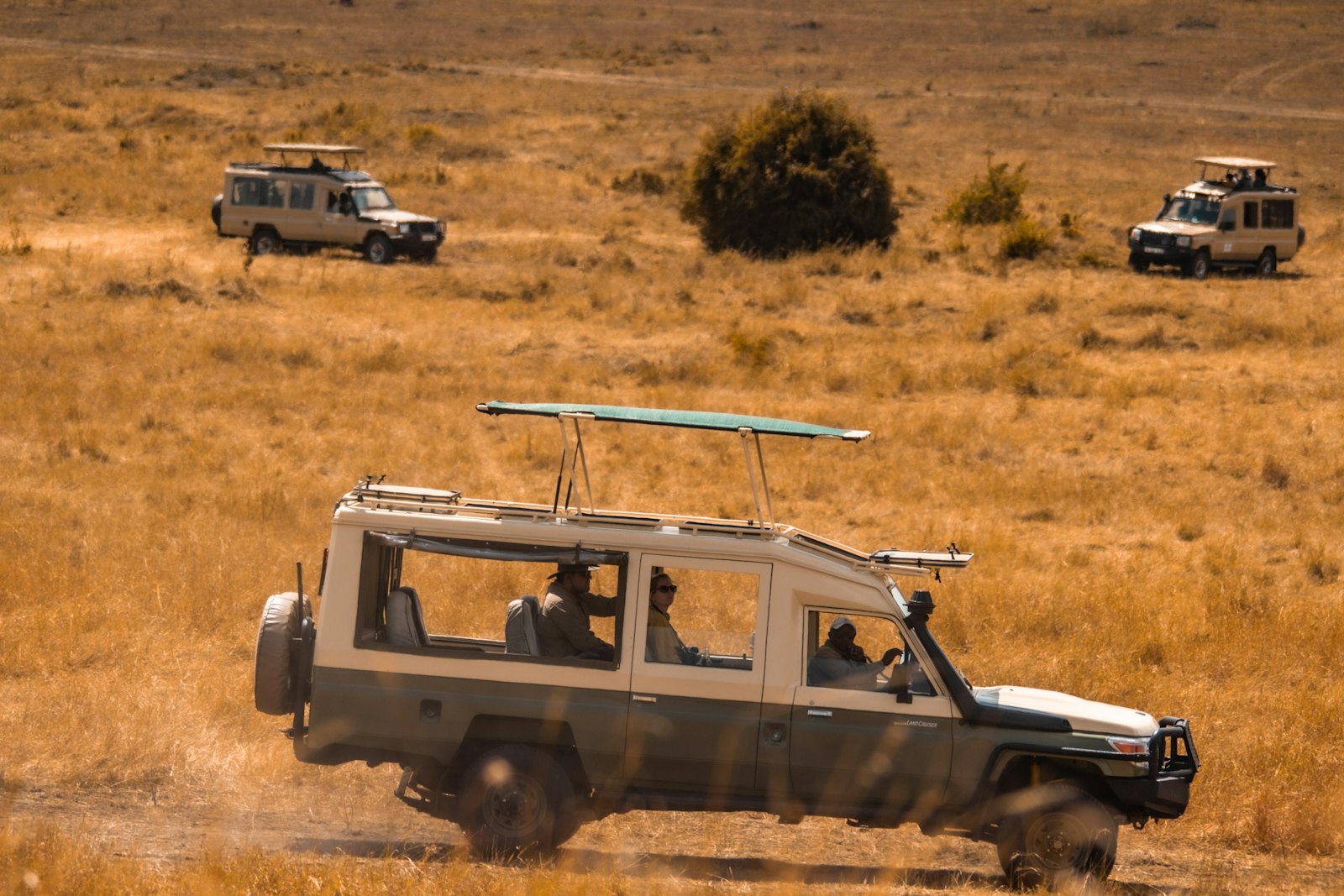
Briefing Clients on Safari Transport
–>A short client brief is the final step in Kenya safari transport for tour operators, and it prevents most on-trip complaints.
{“className”:”wp-block-list”} –>- –>
- How long each driving day is, and where comfort stops are. –>
- That roads to some parks are rough and dusty, especially near the gates. –>
- Luggage limits for flights, and soft bags for everyone on fly-in legs. –>
- That seat rotation in the vehicle is fair and expected on group safaris. –>
- That game-drive times follow park rules and camp schedules. –>
- Who to call if a flight is delayed or a transfer is late.
Expert tip from our Nairobi operations team: send clients a one-page summary of every vehicle and flight leg, with times and meeting points. When the plan is clear on paper, clients relax and enjoy the journey.
{“anchor”:”how-sense-of-adventure-handles-kenya-safari-transport-for-tour-operators”} –>How Sense of Adventure Handles Kenya Safari Transport for Tour Operators
–>We plan and run Kenya safari transport for tour operators as one joined-up service, so every leg connects and you have one point of contact.
{“className”:”wp-block-list”} –>- –>
- Vehicles: pop-up roof 4×4 Land Cruisers and safari vans with professional English-speaking driver-guides. –>
- Flights: scheduled light-aircraft bookings with airstrip transfers coordinated. –>
- Airports: meet and greet at JKIA and Wilson Airport. –>
- Operations: a dedicated trade desk and real-time operational updates from our Nairobi team. –>
- Your brand: white-label documents for FIT, group and incentive clients. –>
- Region: Kenya and Tanzania safaris, with Zanzibar, Uganda and Rwanda extensions.
Every quote we send for Kenya safari transport for tour operators itemises vehicles, flights, transfers and park vehicle fees.
–>See trips that use these transport patterns: the Kenya Classic Group Safari by road, the Luxury Fly-in Safari Kenya by air, and the Masai Mara Fly-in Safari from Diani from the coast. Browse more in our B2B trade partners portal or our private Kenya safari page.
{“anchor”:”kenya-safari-transport-for-tour-operators-faqs”} –>Kenya Safari Transport for Tour Operators FAQs
{“questions”: [{“id”: “faq-question-1”, “title”: “What does Kenya safari transport for tour operators include?”, “content”: “Kenya safari transport for tour operators usually includes airport meet and greet, road safari vehicles with driver-guides, scheduled light-aircraft seats, airstrip and hotel transfers, and park entry coordination. A licensed ground operator joins these legs into one plan and one quote, with a single contact for changes during the trip.”, “visible”: true}, {“id”: “faq-question-2”, “title”: “What vehicles are used for safaris in Kenya?”, “content”: “Most Kenyan safaris use pop-up roof 4×4 Land Cruisers or pop-up roof safari vans, each with a driver-guide. Land Cruisers handle rough roads and wet seasons better, while vans suit good roads and value itineraries. Open-sided vehicles are used only inside parks, reserves and conservancies for game drives.”, “visible”: true}, {“id”: “faq-question-3”, “title”: “How many people fit in a safari Land Cruiser?”, “content”: “A typical pop-up roof Land Cruiser carries six or seven guests, each with a window seat, plus the driver-guide. Seat layouts vary by vehicle, so confirm the exact plan for every booking. For larger groups, add vehicles rather than filling every seat, and consider a separate luggage vehicle.”, “visible”: true}, {“id”: “faq-question-4”, “title”: “Is it better to drive or fly to the Masai Mara?”, “content”: “Driving from Nairobi takes about five to six hours and suits groups, families and photographers who want flexibility. Flying from Wilson Airport takes about an hour and suits short stays and clients who dislike long drives. Many itineraries drive in and fly out to combine value and comfort.”, “visible”: true}, {“id”: “faq-question-5”, “title”: “What is the luggage limit on Kenyan safari flights?”, “content”: “Scheduled light-aircraft flights usually allow about 15 kg per person, including hand luggage, in soft bags without wheels or frames. Limits can vary by route and carrier, so check the ticket. Clients with extra luggage may need to buy an extra seat or store bags in Nairobi.”, “visible”: true}, {“id”: “faq-question-6”, “title”: “How is safari transport priced for travel agents?”, “content”: “In Kenya safari transport for tour operators, road transport is usually priced per vehicle per day, including the driver-guide and fuel, while flights are priced per seat. Transfers are priced per journey. Park vehicle fees are normally included by the ground operator. Ask for current trade rates in writing, as prices change by season.”, “visible”: true}, {“id”: “faq-question-7”, “title”: “Can open-sided safari vehicles be used on Kenyan highways?”, “content”: “No. In January 2026 the Tourism Regulatory Authority warned operators not to carry tourists in open-sided Land Cruisers on public highways. These vehicles are licensed only for game viewing inside parks, reserves and registered conservancies, so plan closed vehicles or flights for road journeys.”, “visible”: true}, {“id”: “faq-question-8”, “title”: “Does Sense of Adventure arrange airport meet and greet?”, “content”: “Yes. We meet clients at JKIA and Wilson Airport, handle hotel and airstrip transfers, and coordinate road and air legs for the whole safari. Share flight details at least 72 hours before arrival so we can confirm drivers, vehicles and timings with you in writing.”, “visible”: true}]} –>What does Kenya safari transport for tour operators include?
What vehicles are used for safaris in Kenya?
How many people fit in a safari Land Cruiser?
Is it better to drive or fly to the Masai Mara?
What is the luggage limit on Kenyan safari flights?
How is safari transport priced for travel agents?
Can open-sided safari vehicles be used on Kenyan highways?
Does Sense of Adventure arrange airport meet and greet?
🏕 Partner With Sense of Adventure in Kenya
Kenya-based ground operator. Real local knowledge. Transparent trade pricing. Send us your route and passenger numbers, and we will reply within 24 hours with a costed transport plan covering vehicles, flights and transfers.
📋 Quote My Kenya Transport💬 WhatsApp Our Transport Desk✉ Email Your Transport Brief
Call or WhatsApp: +254 799 160 081 · Email: info@senseofadventure.co.ke
Related Trade Guides
{“className”:”wp-block-list”} –>- –>
- › Kenya DMC for Travel Agents: B2B Rates and Ground Handling –>
- › Kenya Ground Operator: What Ground Handling Covers –>
- › Kenya Group Ground Handling: Planning Large Groups –>
- › Safari Supplier Due Diligence: How to Vet a Kenya Partner –>
- › FIT and GIT Safaris in Kenya: How Each Is Planned and Priced
Official licensing & park resources: Tourism Regulatory Authority ↗ · Kenya Wildlife Service ↗