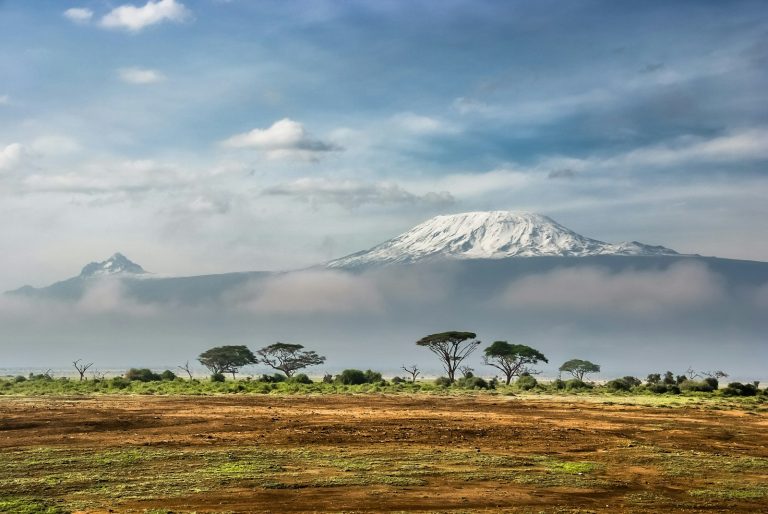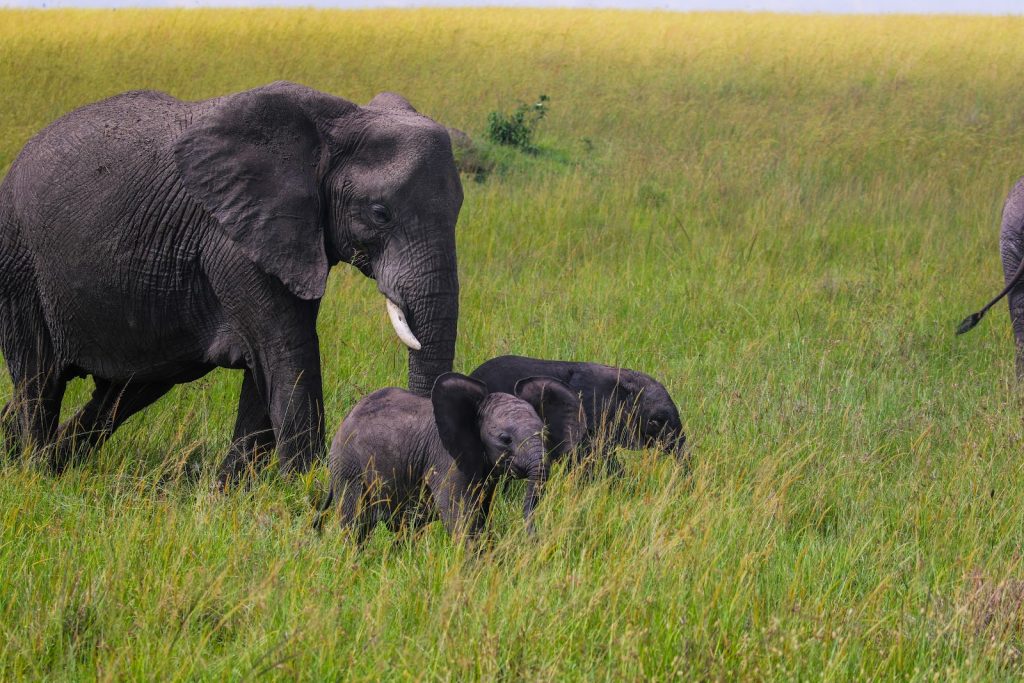
A Samburu safari 2027 takes you north of the equator into a different Kenya: dry, open country, red earth, doum palms and the green ribbon of the Ewaso Nyiro River, where elephants arrive in family herds to drink. It is smaller and quieter than the Masai Mara, and it holds animals you will not see on a southern safari.
This guide is written by Sense of Adventure, a licensed Kenyan tour operator based in Nairobi (Tourism Regulatory Authority licence TRA1/47/C01/77087). It explains the Special Five, how Samburu, Buffalo Springs and Shaba fit together, the best months for 2027, how to get there and how many nights to allow, with links to our detailed guides wherever you want more.
Quick answer: Samburu safari 2027
- Why go: the Special Five (Grevy’s zebra, reticulated giraffe, Somali ostrich, gerenuk and beisa oryx), plus elephants, lions and leopards along the river.
- Size: Samburu National Reserve lies on the Ewaso Nyiro River, with Buffalo Springs across the river and Shaba to the east.
- Best months: the dry spells from June to October and from December to March bring animals to the river. April, May and November are the rainy months.
- Getting there: a long day’s drive north of Nairobi, or a short flight from Wilson Airport that saves most of a day.
- How long: two or three nights on its own, or add it to Laikipia, Lake Nakuru and the Masai Mara in a longer circuit.
Curious about the north?
Tell us when you plan to travel and who is coming, and we will outline a Samburu route that suits your dates.
Table of Contents
Why Choose a Samburu Safari 2027
A Samburu safari 2027 appeals to travellers who have already seen the classic plains, and to first-timers who want something with more character. The landscape is the first difference. Instead of endless grassland, you drive through acacia scrub, rocky hills and a river lined with palms. Photographers love it because animals often step out against open red earth and warm light.
Wildlife is the second difference. Samburu is home to the Special Five, species of the dry north that are hard to find in the Mara, and the river draws elephants, buffalo, lions and leopards in good numbers. Because the reserve is compact, a good driver-guide can read the river and the shade trees and find sightings without long drives. Our Samburu safari page shows the trips we run most often.
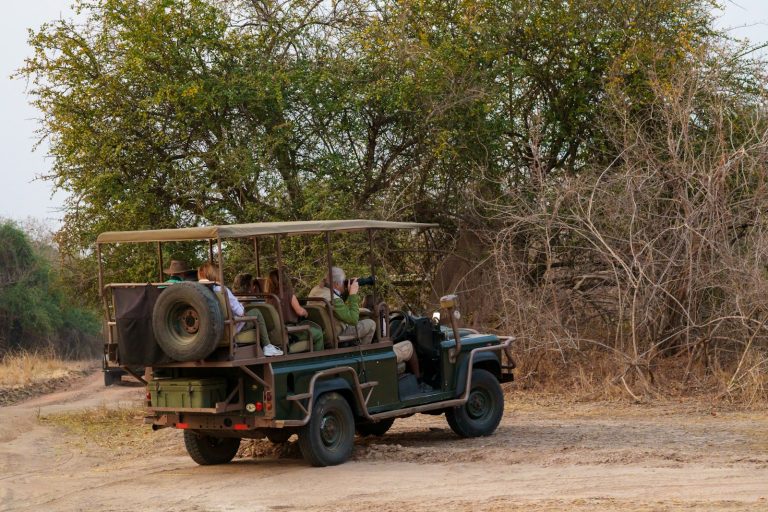
The third difference is atmosphere. Visitor numbers are lower than in the busiest Mara areas, camps sit on the river and evenings are quiet. Every Sense of Adventure safari runs in a private 4×4 Land Cruiser with a pop-up roof, reclining seats and charging ports, driven by your own private driver-guide, so you can spend an hour with a single elephant family if that is what you came for. For a full overview of the reserve, read our Samburu National Reserve safari guide.
The Special Five and Other Wildlife
The Special Five are the headline of any Samburu safari 2027 itinerary. They are five species adapted to the dry country of northern Kenya, and Samburu is one of the best places to see all of them in a few days.
- Grevy’s zebra: the largest wild zebra, with narrow, close-set stripes and big rounded ears. It is endangered, so every sighting matters.
- Reticulated giraffe: a deep chestnut coat marked with a sharp network of white lines.
- Somali ostrich: the northern ostrich, with blue-grey neck and legs rather than the pink of the southern bird.
- Gerenuk: the long-necked antelope that stands on its hind legs to reach leaves, often seen browsing among the acacias.
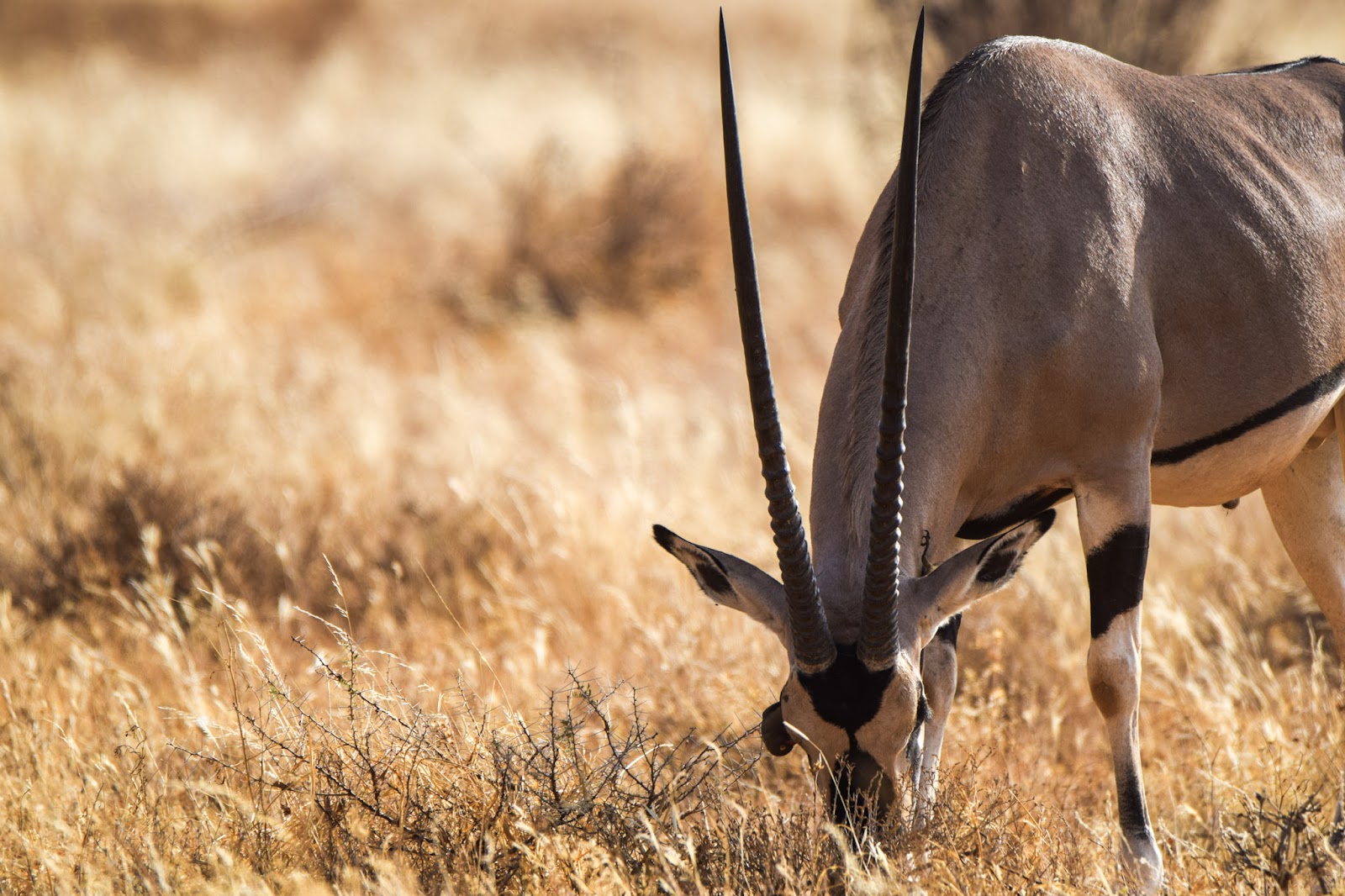
- Beisa oryx: a sturdy antelope with long, straight horns, built for hot, dry ground.
Our Samburu Special Five guide explains how to spot each one and when they are most active. Beyond the Special Five, the river corridor brings elephants, buffalo, lions, leopards and cheetahs, along with crocodiles in the Ewaso Nyiro and plenty of birdlife along the banks.

Many guests ask whether Samburu has the Big Five. Lion, leopard, elephant and buffalo are all found here, while rhinos are seen further south in conservancies such as Ol Pejeta. Our guide on whether Samburu has the Big Five explains the detail, and will you see the Big Five in Kenya shows where to find all five on one trip. For the wider picture, The Big Nine of Kenya looks at the extra species that make Kenya special.
Samburu, Buffalo Springs and Shaba Explained
Samburu is often described as one place, but it is a cluster of three protected areas along the same river, and understanding them helps you plan your Samburu safari 2027 route.
| Area | Where it sits | What it is known for |
|---|---|---|
| Samburu National Reserve | North bank of the Ewaso Nyiro River, where most riverside camps look out over the water. | The Special Five, elephants at the river and leopards along the banks |
| Buffalo Springs National Reserve | Across the river from Samburu, on the south bank. | Natural springs, open plains and the same Special Five species |
| Shaba National Reserve | East of Samburu, with more rugged country. | Rocky hills, quieter tracks and a wilder feel |
Samburu and Buffalo Springs are the two most visited, and a single stay covers both because they face each other across the river. Our Buffalo Springs National Reserve guide explains how the southern side differs. Shaba is the quieter option for travellers who want extra solitude. If you are choosing where to sleep, our guide to luxury lodges in Samburu shows what a riverside stay offers, and our northern Kenya conservancy lodges guide covers the private areas beyond the reserves.
The Samburu people live around the reserve, and a village visit is a respectful way to learn about their traditions. See our Samburu culture and village visits guide for what to expect.
Best Months for a Samburu Safari 2027
Samburu has two dry seasons and two wetter periods, so there is a good window for most calendars. The table gives a quick view for your Samburu safari 2027 dates.
| 2027 dates | What to expect | Good for |
|---|---|---|
| January to March | Hot and dry. Animals gather near the river and the bush is open, so sightings are easy. | Strong wildlife and clear views |
| April and May | The long rains. The land turns green, roads can be muddy and some camps close. Easter Sunday falls on 28 March 2027. | Quiet travel and lower rates |
| June to October | The main dry season. Cooler mornings, dusty tracks and very good river sightings. | Best overall game viewing |
| November | The short rains. Fresh green country, fewer visitors and good photography skies. | Photographers and value seekers |
| December | Dry again and warm, with festive demand around Christmas and New Year 2027. | Festive trips and combined safaris |
In the dry months, water is scarce away from the river, so the Ewaso Nyiro becomes the focus of the day. Elephants, buffalo and antelope come to drink, and predators are never far behind. Our detailed best time to visit Samburu guide goes month by month, and Kenya weather by month covers the rest of the country if you are combining parks.
If you want to pair Samburu with the Great Migration, see our Great Migration 2027 guide, which shows when the herds are in the Mara. Samburu then makes a good first stop before you fly or drive south.
How to Get to Samburu: Road or Flight
Samburu lies in northern Kenya, well north of Nairobi. By road it is a long day’s journey, heading north through Nanyuki and Isiolo to the reserve gate at Archer’s Post, and it is a scenic drive that shows you how the landscape dries out as you go. Because the road is long, most guests plan an early start with a stop for lunch, and a private vehicle lets you pause where you like.
The alternative is to fly. A flight from Wilson Airport in Nairobi is short and lands on an airstrip near the reserve, where your driver-guide meets you. A flight saves most of a day, which suits shorter trips and guests who prefer less time on the road. Our JKIA to Wilson Airport guide explains how connections work, and our safari duffel bag guide covers the soft-bag luggage rule that small planes use.
Many travellers combine both: drive north to see the landscape change, then fly back south at the end of the stay. We can build the transfers either way, and we confirm every timing in writing.
Road, flight or both?
Share how much time you have and how you like to travel, and we will compare the two ways to reach Samburu for you.
How Long to Stay in Samburu
Two nights is the minimum for a Samburu safari 2027, and three is the number we recommend. That gives you a full afternoon on arrival, two full days of game drives and time to return to the places that gave you the best sightings.
- 2 nights: a short taste of the north, usually a fly-in trip that adds Samburu to a Mara safari.
- 3 nights: the sweet spot, with time for Samburu and Buffalo Springs and a village visit.
- 4 nights or more: a slower pace, with time for Shaba, longer game drives and a day of photography.
Samburu also works well as the first stop in a longer circuit. A common pattern is Samburu, then Laikipia for rhinos, then Lake Nakuru and the Masai Mara. Our Laikipia vs Masai Mara comparison helps you decide how to split your days, and the last northern white rhinos tells the story of Ol Pejeta, a popular next stop. For the south, see our Masai Mara safari 2027 planning guide.
When you add the Mara, remember the reserve fees. The current non-resident adult rate is USD 100 per day from January to June and USD 200 per day from July to December, with children aged 9 to 17 at USD 50 and children 8 and under free, paid cashless. We confirm the 2027 rate in your quote.
Hold Your Samburu Dates
Send your dates and group size, and we will send an itemised written quote in Midrange 3* and Standard Luxury 4*, with no obligation.
WhatsApp Our Northern Specialists Email for a QuoteSamburu Trips and Their Starting Prices
These are real Sense of Adventure trips that include Samburu, with the starting price shown on each trip page in US dollars. Your written quote confirms the price for your dates, including park fees and any peak-season supplement.
- Samburu Cultural and Wildlife Experience (3 days): meet the Samburu people and track northern wildlife in the reserve. From USD 850.
- Northern Kenya Cultural Safari: Samburu and Laikipia (5 days): Samburu and Laikipia wildlife with time among the Samburu people. From USD 1,500.
- Kenya Highlights Safari: Samburu, Ol Pejeta, Lake Nakuru and Masai Mara (9 days): four of Kenya’s best wildlife areas, from the dry north to the Mara plains. From USD 2,350.
- Kenya Luxury Big Five Safari: Mara, Amboseli and Samburu (8 days): three iconic reserves in a luxury private safari. From USD 4,800.
Every trip can be adjusted with extra nights, a different camp level or an added region. See the full range on our Kenya safari packages page, or read about the tented camps along the Ewaso Nyiro to picture a riverside stay.

Paperwork and Fees Before You Fly
The paperwork for a Samburu safari 2027 trip is simple if you start early. You will each need an approved Kenya eTA, applied for only on the official portal at etakenya.go.ke. Kenya also requires mandatory travel health insurance, which costs USD 44 per traveller. Each child needs their own policy, and a home policy cannot be uploaded or used instead, although you should keep your own travel insurance for cancellation and wider cover. Our Kenya mandatory travel insurance guide explains how to buy it.
Every Sense of Adventure trip includes AMREF Flying Doctors evacuation cover, explained on our emergency evacuation cover page. Before you book, we brief you on the current official travel advice for your route and confirm every detail in writing.
Park and reserve fees are set by the authorities that manage each area. The Samburu National Reserve fee is USD 85 per person for 24 hours, and we confirm the 2027 rate in your quote, so you never face a surprise at the gate. For official information on Kenya’s wildlife areas, visit the Kenya Wildlife Service, and for background on the destination, Magical Kenya covers the parks and the regions. Speak to your doctor or a travel clinic well before you fly, and read our guide on how far in advance to book a Kenya safari to plan your timing.
Samburu Safari 2027: FAQs
When is the best time for a Samburu safari 2027?
June to October and December to March are the dry spells, when animals gather along the Ewaso Nyiro River and sightings are easy. April, May and November are the wetter months, with greener scenery and fewer visitors.
What is the Special Five in Samburu?
The Special Five are Grevy’s zebra, reticulated giraffe, Somali ostrich, gerenuk and beisa oryx. These northern species are hard to find in the Masai Mara, and Samburu is one of the best places to see them.
How long should a Samburu safari 2027 last?
Two nights is the minimum and three is ideal. Four or more nights suits travellers who want time for Shaba and photography. Samburu also works as the first stop in a longer Kenya circuit.
How far is Samburu from Nairobi?
Samburu is in northern Kenya, a long day’s drive from Nairobi, while a flight from Wilson Airport is much shorter. We arrange either option and confirm timings in writing.
Does Samburu have the Big Five?
Lion, leopard, elephant and buffalo are found in Samburu. Rhinos are seen elsewhere, for example at Ol Pejeta in Laikipia, which many guests add after Samburu to complete the set.
Is a Samburu safari 2027 private?
Yes. Every Sense of Adventure safari runs in a private 4×4 Land Cruiser with a pop-up roof, reclining seats and charging ports, with your own private driver-guide, so the day follows your pace.
What do we need to enter Kenya for a Samburu safari?
Each traveller needs an approved Kenya eTA from the official portal etakenya.go.ke, plus Kenya’s mandatory travel health insurance at USD 44 per traveller. A home policy cannot be used instead, but keep your own travel insurance for cancellation and wider cover.
Ready to See the Special Five?
Tell us your dates, group and wishes. We will design a private Samburu safari for 2027 and send it in writing. Escape. Explore. Discover.
WhatsApp +254 799 160 081 Email info@senseofadventure.co.ke