
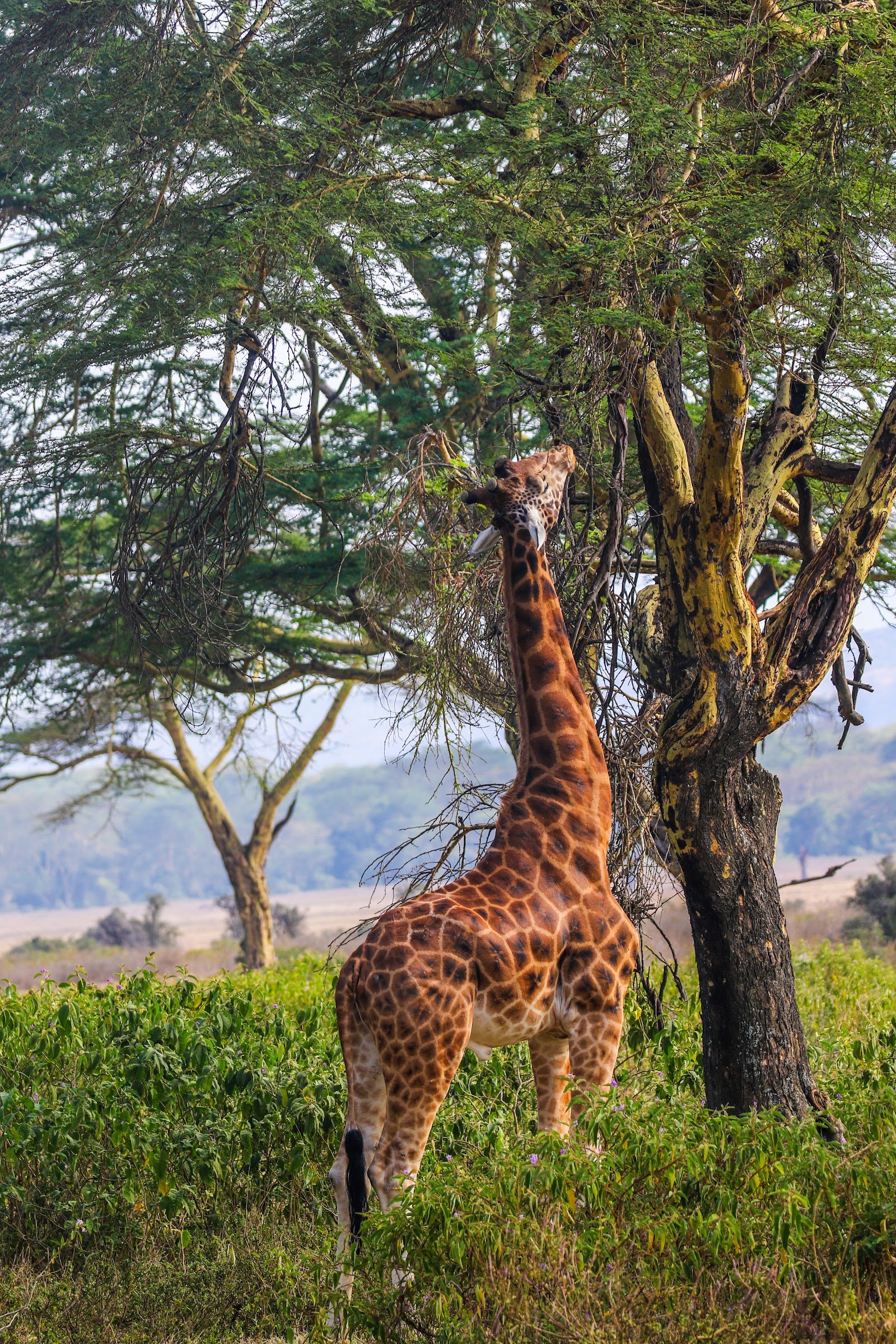
A Meru National Park safari is for travellers who want wild Kenya without the crowds. Meru lies north-east of Mount Kenya, crossed by clear rivers and fringed with palms, forest, swamp and open grassland. Few vehicles visit, so game drives feel private and unhurried, and a lion, rhino or herd of reticulated giraffe is often yours alone. It is also the park where Joy and George Adamson raised Elsa the lioness, whose story became the book and film Born Free.
This guide covers what you will see on a Meru National Park safari, where to stay, the best time to visit and how to reach the park. Sense of Adventure is a licensed Nairobi-based operator, and we can arrange Meru by road or by air, alone or combined with Samburu, Lewa or Mount Kenya.
Meru National Park at a Glance
Meru is a large park in a quiet corner of Kenya, a long day’s drive from Nairobi or a short flight from Wilson Airport. Rivers flow from the Nyambene Hills and Mount Kenya through the park, giving it more water and greenery than many of Kenya’s drier northern parks. The scenery changes quickly, from wide grass plains to doum palms on the riverbanks and thick riverine forest.
Meru was once badly hit by poaching but has been restored through years of protection and conservation work. Today it is a peaceful park with a growing number of animals and a strong conservation story, which is part of the appeal for guests who care about where their travel money goes.
Why Choose a Meru National Park Safari
- Peace and space: fewer vehicles than the better-known parks, so your sightings are private and unrushed.
- A rhino sanctuary: black and white rhino are protected in a fenced sanctuary within the park, and visitors can see them with the guidance of rangers.
- Varied habitats: grassland, riverbank, swamp and forest in one park, with a different feel in each.
- Northern species: reticulated giraffe, Grevy’s zebra and beisa oryx are among the northern species that can be seen here.
- The Born Free story: Meru is the setting of Elsa’s story, and some lodges are close to the places where the Adamsons lived and worked.
- Easy to combine: a Meru National Park safari fits well in a northern circuit with Samburu, Lewa and Mount Kenya.
Wildlife on a Meru National Park Safari
Meru has elephant, buffalo, lion, leopard, cheetah, hippo, crocodile and many antelope. It is especially good for guests who want to see northern species in one trip: reticulated giraffe, Grevy’s zebra and beisa oryx can all be found here. The rivers attract hippo and crocodile, while the forest and palm groves bring monkeys and a wide range of birds.
A Meru National Park safari is not about ticking off a long list in a single morning. It rewards slow drives, early starts and time spent at the rivers. Many guests enjoy it because every sighting feels earned and uncrowded.

Where to Stay in Meru
- Elsa’s Kopje is a luxury stay with cottages built into a hillside above the site of the Adamsons’ camp, with wide views across the park.
- Rhino River Camp offers tented cottages in riverine forest beside a quiet stream, with a relaxed bush atmosphere.
- Ikweta Safari Camp is a friendly, value-for-money camp just outside the main gate.
See all of our Kenya lodges for photos and full descriptions.
Best Time for a Meru National Park Safari
June to October and January to February are the driest months, with the clearest roads and the easiest wildlife viewing. April, May and November are wetter, and some tracks can become hard to drive, but the park is green, quiet and very scenic. Meru is warm through most of the year, so pack light clothing, a hat and sun protection, plus a light layer for early mornings.
How to Get There
By road, your private Land Cruiser and driver-guide travel from Nairobi through the highlands around Mount Kenya, taking about six to seven hours with stops. It is a scenic drive, but a long one, so many guests prefer to fly. Scheduled and charter flights serve the park airstrip from Nairobi’s Wilson Airport, after which you start game drives straight away in a 4×4. We arrange both options, and can also drive one way and fly the other.
A Meru National Park safari combines easily with Samburu for a northern circuit, and with the Masai Mara for a contrast between quiet northern wilderness and the famous southern plains.
Things to Do on a Meru National Park Safari
- Game drives: morning and afternoon drives across the grassland, along the rivers and into the palm groves. The park has a good network of tracks, and because traffic is light, your driver-guide can follow sightings at your own pace.
- The rhino sanctuary: a fenced area within the park protects black and white rhino. Visits are guided by rangers, and the chance of a close, calm sighting is high.
- Adamson’s Falls and Elsa’s grave: the Tana River forms the park’s southern boundary, and Adamson’s Falls can be visited on a full-day drive. Elsa’s grave and the site of the Adamsons’ camp are quiet, moving stops for anyone who knows the Born Free story.
- Birdwatching: more than 400 species have been recorded, from the Pel’s fishing owl along the rivers to vulturine guineafowl and hornbills in the drier bush.
- Bush walks and sundowners: some lodges offer guided walks on their own land and sundowners on a hilltop, which is a fine way to end a day in a park this quiet.
- Fishing: the Tana River holds barbel and catfish, and some lodges can arrange fishing on request.
Sample Meru National Park Safari Itineraries
3 days / 2 nights: fly-in Meru
Fly from Wilson Airport in the morning and land at the park airstrip, where your lodge vehicle collects you for a game drive on the way to lunch. Spend two nights with morning and afternoon drives, a visit to the rhino sanctuary and an evening by the river. Fly back to Nairobi on the third morning in time for an afternoon flight home.
5 days / 4 nights: Meru and Samburu by road
Drive north from Nairobi around Mount Kenya to Meru for two nights, then cross to Samburu National Reserve for two more. The route shows the two faces of northern Kenya, the greener rivers of Meru and the dry country of Samburu, with its special northern species. Return to Nairobi on day five.
7 days / 6 nights: the northern circuit
Combine Meru with Samburu and Ol Pejeta Conservancy at the foot of Mount Kenya. You see rhino in two different places, chimpanzees at Ol Pejeta, and a wide range of wildlife across three very different landscapes. The whole trip runs in one private Land Cruiser with the same driver-guide.
9 days / 8 nights: north and south
Start with a Meru National Park safari for the quiet of the north, then fly or drive south to the Masai Mara for three nights of big-cat viewing, and finish with a night at Lake Naivasha or in Nairobi. It is a full picture of Kenya in just over a week.
Comparing the Meru Lodges
| Lodge | Style | Best for |
|---|---|---|
| Elsa’s Kopje | Luxury cottages built into a hilltop, with a pool and sweeping views | Honeymoons, luxury travellers and fly-in stays |
| Rhino River Camp | Tented cottages in riverine forest beside a stream | Nature lovers, birdwatchers and a quiet bush feel |
| Ikweta Safari Camp | Friendly camp just outside the main gate | Value, families and road-based itineraries |
Conservation and the Meru Story
Meru has one of Kenya’s great conservation comebacks. In the 1980s heavy poaching emptied the park of rhino and most of its elephants, and tourism almost disappeared. From the early 2000s the Kenya Wildlife Service, with conservation partners and donors, rebuilt the roads and ranger posts, restocked the park with animals from other reserves and created the rhino sanctuary. Wildlife numbers have grown steadily since. When you choose a Meru National Park safari, your park fees go directly towards keeping that recovery going, and the lodges employ staff from the surrounding communities.
Photography Tips for Meru
Meru’s light is clear and the backgrounds are varied, from green palms to golden grass and the hills in the distance. A mid-range zoom covers most sightings, and a longer lens helps for birds along the rivers. Because vehicles are few, you can often position the Land Cruiser for the best angle and wait. Early morning gives soft light on the Nyambene Hills, and late afternoon catches the doum palms and the rivers. Keep a cloth handy for dust on the drier tracks.
Meru Compared With Other Kenya Parks
Compared with the Masai Mara, Meru has fewer predators on view but far fewer vehicles, and its scenery is more varied. Compared with Samburu, it is greener and has permanent rivers, so it holds hippo and crocodile that Samburu lacks, while Samburu is easier to reach by road. Compared with Tsavo, it is smaller and the game is more concentrated along the rivers. For guests who have already done a classic Mara safari, Meru is the park most often recommended as the next step.
What a Meru National Park Safari Costs
The main costs are the lodge, the park fee, the vehicle and driver-guide, fuel and any flights. Lodges range from value camps to luxury properties, and the park fee is set by the Kenya Wildlife Service per person per day. Flying in adds the airfare but saves a long day on the road each way. We quote the whole trip as a single price per person, including park fees, so you can compare options easily.
Packing List for a Meru National Park Safari
Meru is warm and fairly dry for most of the year, so a Meru National Park safari calls for light, neutral-coloured clothing, a wide-brimmed hat, sunglasses and good sun protection. Early mornings can be cool on an open game drive, so pack one warm layer. Bring binoculars, a camera with a zoom lens, a power bank, insect repellent for the evenings by the river, and a soft bag if you are flying in, because light aircraft have strict weight limits. Closed shoes are useful for walks and for the rhino sanctuary, and a scarf or buff helps on the dustier tracks in the dry season.
Who a Meru National Park Safari Suits
A Meru National Park safari suits travellers who have already done a classic Masai Mara trip and want something quieter, couples looking for privacy, birdwatchers, and guests who value conservation stories and a sense of space. Families enjoy the calm pace and the rhino sanctuary, and the lack of crowds makes it easy to keep children engaged without long waits at sightings. It is less suited to visitors with only two or three days in Kenya, because the drive is long and a fly-in stay deserves at least two nights.
How Many Nights Do You Need?
Two to three nights give you time for several game drives, a visit to the rhino sanctuary and a rest day beside the river. A single night is possible by air, but you will feel the journey. Guests who enjoy bird watching and quiet bush walks, where the lodge permits, often add an extra night.
Tips for Your Meru National Park Safari
- Start game drives early, because animals are most active in the cool hours.
- Bring binoculars for birds and distant rhino.
- Choose a flight if your time is short, as the road is long.
- Carry sun protection and plenty of water.
- Park fees are set by the Kenya Wildlife Service and can change, and we confirm the current fees in your quote.
How We Plan Your Meru National Park Safari
We book your lodge, vehicle, driver-guide, park fees and any flights together, so you deal with one team from enquiry to departure. Our safaris run in private 4×4 Land Cruisers with a pop-up roof, reclining seats and charging ports. We tailor each itinerary to your dates, budget and interests.
Meru National Park Safari FAQs
Is a Meru National Park safari worth the extra travel time?
Yes, for guests who want a quiet park with varied scenery and a more private experience than the busier parks. Flying in saves time.
How many nights do I need?
Two to three nights give you time for several game drives and a rest day by the river.
Does Meru have lions?
Yes. The park has a famous lion history through Elsa, though sightings are less frequent than in the Masai Mara.
Can I see rhino on a Meru National Park safari?
Yes. Black and white rhino are protected in a sanctuary within the park, and visits are guided by rangers.
Is Meru suitable for families?
Yes. The relaxed pace and private vehicles suit families, and we can recommend lodges that welcome children.
Start Planning Your Meru National Park Safari
A Meru National Park safari gives you rivers, rhino, northern wildlife and a quiet, private experience. Send us your dates, group size and budget, and we will design the route. Explore all our Kenya national parks or browse our Kenya safari packages for ideas.