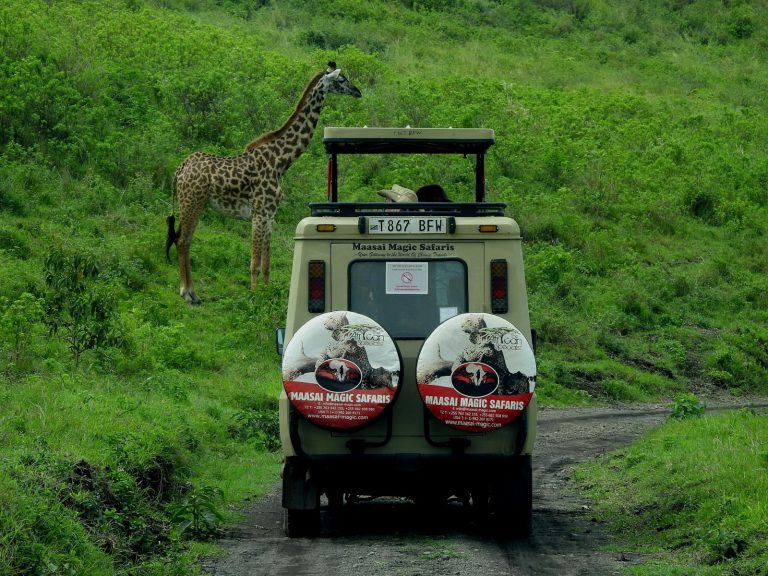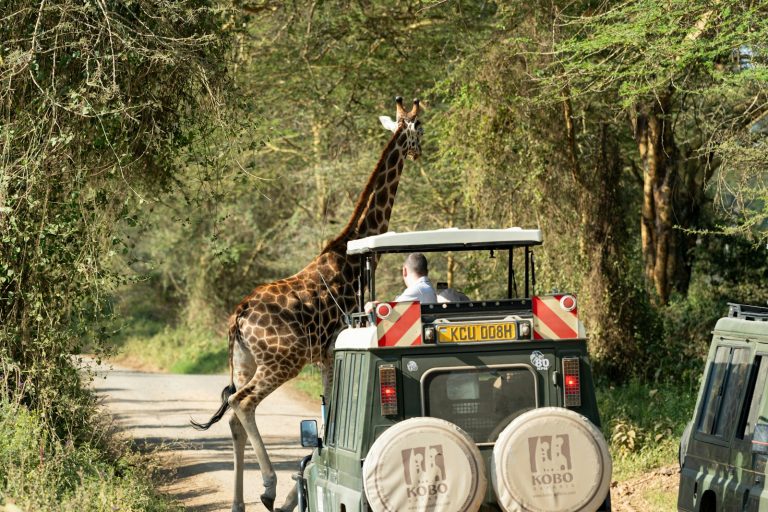

White label safari Kenya services let your agency sell a safari under your own brand while a licensed Kenyan ground operator delivers it. Itineraries, quotes, vouchers and pre-departure documents carry your logo and contact details, and the local team runs camps, vehicles, guides and park fees behind the scenes, so the client relationship stays with you.
Sense of Adventure is a Nairobi-based ground operator licensed by Kenya’s Tourism Regulatory Authority (TRA1/47/C01/77087), and we prepare white-label documents under our trade partners’ brands. This guide explains what can and cannot carry your brand, how a white label safari Kenya booking runs from quote to debrief, how to brief the ground team, and the contract points that protect your clients and your agency.
✅ White Label Safari Kenya: The Quick Answer
- What it is: a safari sold under your agency’s brand and delivered on the ground by a licensed Kenyan operator.
- What carries your brand: quotations, itineraries, vouchers, pre-departure notes and, if agreed, airport welcome signs.
- What stays with the operator: the TRA licence, park entry, vehicle licensing and supplier contracts, which legally sit with the Kenyan company.
- How it is priced: usually on net rates, so you set the client price and your margin stays private.
- What to agree in writing: branding scope, client contact rules, emergency procedures and non-solicitation.
- Who it suits: tour operators, travel agencies, OTAs, wholesalers and other DMCs that want to own the client experience.
🤝 Want Kenya safaris sold under your own brand?
Send us your logo, document style and a sample client brief, and we will return a branded itinerary. 📋 Request B2B Rates
What Does White Label Safari Kenya Mean?
In the trade, white label safari Kenya means your agency is the brand the client buys from, while a Kenyan partner supplies and operates the trip.
The client books with you, pays you and receives documents from you. Behind those documents, a local operator contracts the camps, supplies the vehicles and guides, pays park fees and handles everything that happens in Kenya. The client may meet the operator’s guide and see the operator’s vehicle, but the planning, the paperwork and the relationship are yours.
This is different from simply reselling a supplier’s packages. With a white label safari Kenya arrangement, the product is presented as yours from the first quote to the last email. It suits agencies that have built a brand and want every touchpoint to reinforce it. If you are new to working with a local partner, our guide to how a Kenya tour operator works with travel agents covers the basics.
Who Uses White Label Safari Kenya Services
White label safari Kenya services suit any business that sells travel under its own name and wants a dependable team on the ground.
- Tour operators: who include Kenya in a brochure or website and want consistent branding across destinations.
- Travel agencies and advisors: who design tailor-made trips and prefer clients to see only their agency.
- OTAs and online sellers: who load Kenya products under their own platform brand.
- Wholesalers: who supply retail agents with branded or unbranded product.
- Other DMCs: based elsewhere in Africa or overseas, who add Kenya to multi-country programmes.
- Corporate and MICE planners: who run incentive trips under the client company’s or event’s branding.
What Can Carry Your Brand on a White Label Safari Kenya Trip
Most client-facing documents can carry your brand, while legal and operational items stay with the Kenyan operator.
| Item | Usually under your brand? | Notes |
|---|---|---|
| Quotations and proposals | Yes | Prepared on your template or with your logo and contacts |
| Day-by-day itinerary | Yes | Your style, your wording, your price |
| Vouchers and confirmations to clients | Yes | Supplier references can sit in small print |
| Pre-departure information | Yes | Packing, health, entry rules and contact numbers |
| Airport welcome sign | Often | Your agency name or the client’s name, agreed in advance |
| Guide introduction | By agreement | Guides can introduce themselves as your local team |
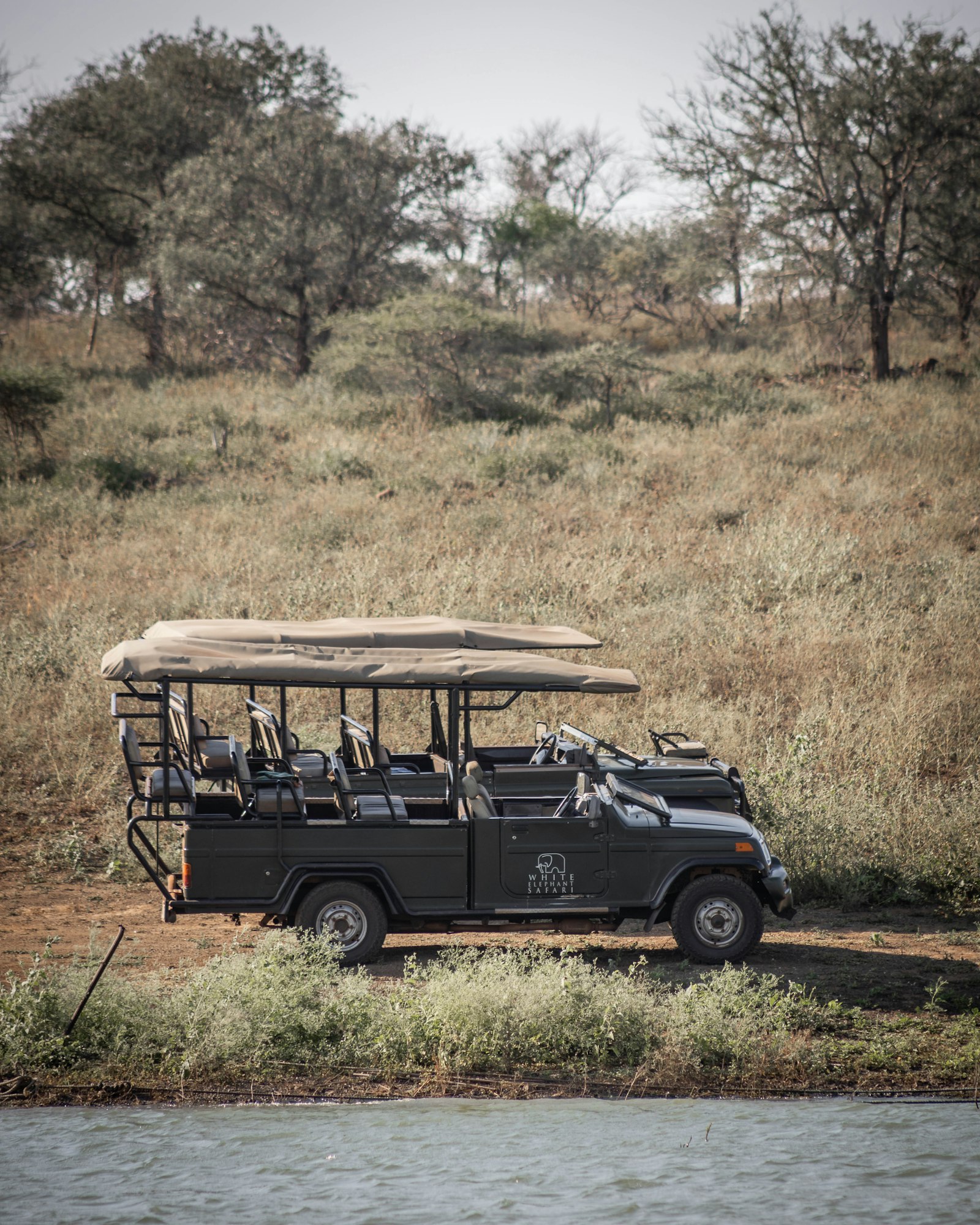
| Safari vehicle | Rarely | Vehicles carry the operator’s licensing and markings |
| Park permits and camp bookings | No | Issued in the licensed operator’s name |
| Emergency evacuation cover | No | Provided under the operator’s arrangements |
Agree the exact scope of your white label safari Kenya branding in writing before your first booking. The more items carry your brand, the more briefing the ground team needs, so start with documents and add other touchpoints once the partnership is working well.
Why some items stay with the operator
In Kenya, tour operators must hold a licence from the Tourism Regulatory Authority, and licences expire each year on 31 December. Park entry, vehicle permits and camp contracts sit with that licensed company. A white label safari Kenya arrangement changes what the client sees, not who is legally responsible on the ground, which is one reason to check your partner’s licence and membership of the Kenya Association of Tour Operators before you sign.
How a White Label Safari Kenya Booking Works, Step by Step
A typical white label safari Kenya booking follows eight steps, from your first brief to the client’s feedback.
- Brief: you send client numbers, dates, budget, interests and your branding requirements.
- Proposal: the operator sends a net quote and a draft itinerary for you to brand, or a branded version ready to send.
- Client sale: you present the itinerary under your brand, at your price, and agree changes with the client.
- Confirmation: you confirm with the operator, pay the deposit and send full passenger details.
- Documents: the operator prepares vouchers and final itineraries in your format; you check and send them.
- Pre-arrival: flight details, dietary needs and special requests are shared with guides and camps.
- On the ground: meet and greet, transfers, game drives and support, with real-time updates to your agency.
- Debrief: feedback, photos and any issues come back to you, so you can follow up with the client.
Expert tip from our Nairobi operations team: send us your branded templates once, with fonts, logo files and standard wording. After that, every white label safari Kenya itinerary can come back in your format, and your team only checks rather than rebuilds.
Briefing the Ground Team on Your Brand
On a white label safari Kenya trip, your brand is only as strong as the people your clients meet, so a short written brief for the ground team is essential.
Airport welcome and transfers
Agree what the welcome sign shows: your agency name, the client’s name, or both. Confirm where the greeter waits at Jomo Kenyatta International Airport or Wilson Airport and what the client should do if they cannot find them. The Kenya Airports Authority publishes terminal information you can share in pre-departure notes.
Guides and camp staff
Decide how the driver-guide introduces themselves. Many agencies ask guides to say they are the agency’s local team in Kenya. Guides should know the client’s interests, any celebrations and whether the trip is a honeymoon, a family holiday or a photography safari. Camps usually know the booking through the operator, so ask your partner to pass on special notes.
Words and topics to avoid
In a white label safari Kenya arrangement, guides and camp staff should not hand out the operator’s own business cards, discuss prices or invite clients to book direct next time. Put this in your white label safari Kenya agreement and your brief.
Client Communication During the Trip
On every white label safari Kenya booking, clients need to know who to call, at any hour, and that answer should be agreed before they leave home.
Most agencies use a two-level system for white label safari Kenya trips. For day-to-day questions, clients speak to their guide. For anything urgent, the operator’s operations team responds on the ground and informs your agency at once. Your pre-departure documents list both your agency’s contact and a 24-hour Kenya number, presented as your local partner.
Sense of Adventure keeps your agency informed with real-time operational updates, so you hear about a delayed flight or a change of plan before your client calls you. Every safari also includes complimentary AMREF Flying Doctors emergency evacuation cover, which you can describe in your own documents as part of the trip’s safety arrangements.
Expert tip from our Nairobi operations team: write one short emergency card for clients, with the 24-hour number, the name of the camp each night and their travel insurance details. Clients rarely read long documents on safari, but they keep a card in their bag.
📩 Request Our Current Trade Rates
Tell us your market, your products and how much branding you need, and we will send current trade rates and a sample branded itinerary. ✉ Send Us Your Client Brief on WhatsApp
Pricing, Contracts and Non-Solicitation
White label safari Kenya products are usually priced on net rates, and the contract should protect both the price and the client relationship.
On white label safari Kenya net rates, the operator’s price is confidential and you set the client price, so your margin never appears on client documents. Our guide to safari net rates vs commission explains both models. Some agencies use commissionable rates for set itineraries and still receive white-label documents; agree what suits you.
- Branding scope: list exactly which documents and touchpoints carry your brand.
- Non-solicitation: the operator agrees not to market to your clients directly. Terms and duration vary by supplier.
- Data protection: how passenger data is stored and shared. Kenya’s Data Protection Act applies to the operator, and your own market’s rules apply to you.
- Payment terms: deposit, balance date and cancellation scale, aligned with your client terms.
- Complaints: who responds, how fast, and how issues on the ground are recorded.
- Liability and insurance: what each party covers, and what your clients’ travel insurance must include.
Legal Points for Your Agency
Selling a white label safari Kenya programme under your own brand can bring your agency extra legal duties at home, so check them before you launch.
In the UK and EU, an agency that combines a safari with flights or other services into one price may become the package organiser, with duties on financial protection and information. In the US, rules vary by state, and some states require seller of travel registration. Take advice in your own market. On the Kenyan side, licensed operators must keep guest records, so expect your partner to ask for full names, passport details and dates of birth.
Point every client to official advice, such as the UK Foreign Office advice for Kenya, and to the official Kenya eTA portal for the Electronic Travel Authorisation that most visitors need before travel.
Products That Work Well Under Your Brand
Almost any Kenya itinerary can be sold as a white label safari Kenya product, but some products are especially easy to brand and repeat.
| Product type | Why it works under your brand | Example from our trade range |
|---|---|---|
| Classic multi-park circuit | Easy to present as your signature Kenya trip | Kenya Highlights Safari |
| Honeymoon safari and beach | High value, personal service, strong repeat referrals | Kenya and Zanzibar Honeymoon |
| Migration programme | Peak demand; your brand on a bucket-list trip | Great Migration Safari Kenya and Tanzania |
| Incentive or corporate group | Branding for the client company and your agency | Corporate Incentive Fly-in Safari |
| Private tailor-made safari | Fully your design, from first idea to final day | Private Kenya safaris |
You can browse every itinerary available at trade rates in our B2B trade portfolio and rebuild any of them under your brand. Multi-country trips are possible too; see our Kenya and Tanzania safari packages.
Common White Label Safari Kenya Mistakes to Avoid
Most problems with white label safari Kenya trips come from unclear briefs rather than from the safari itself.
- Inconsistent documents: a branded itinerary with an unbranded voucher confuses clients. Check every document before sending.
- No emergency plan: clients must have a 24-hour number from day one.
- Over-promising: do not promise a private vehicle, a named guide or a specific camp tent unless confirmed in writing.
- Wrong park fee basis: fees change by park, month and residency; confirm them with the Kenya Wildlife Service and our guide to Kenya national park entrance fees for 2026.
- Late passenger details: camps and flights need names, ages and dietary needs early, especially in peak season.
- No feedback loop: ask your partner to send guide notes and issues within days of departure.
White Label Safari Kenya Checklist Before Your First Booking
Run through this checklist with your partner before you sell your first white label safari Kenya trip.
- Confirm the operator’s TRA licence number and check KATO membership.
- Send your logo files, fonts, colours and standard terms in one pack.
- Agree which documents carry your brand and which stay with the operator.
- Agree the welcome sign wording at JKIA and Wilson Airport.
- Agree how guides introduce themselves and what they must not say.
- Set out the emergency procedure, the 24-hour number and who informs whom.
- Sign a non-solicitation clause and agree how passenger data is handled.
- Test the process with one sample itinerary before you publish any white label safari Kenya product.
Once these points are settled, most agencies find that each new booking takes less time than the last, because the templates, wording and contacts are already in place.
How Sense of Adventure Delivers White Label Safari Kenya Programmes
As a white label safari Kenya partner, Sense of Adventure handles the ground in Kenya and Tanzania under your brand, with Zanzibar, Uganda and Rwanda extensions.
- White-label documents: itineraries and documents prepared under your agency’s brand.
- Trade pricing: B2B net rates or commissionable rates, with terms confirmed in writing, and quotations within 24 hours.
- Ground handling: accommodation reservations, pop-up roof 4×4 Land Cruisers and safari vans, professional English-speaking driver-guides, scheduled light-aircraft bookings and park entry coordination.
- Arrivals: meet and greet at JKIA and Wilson Airport.
- Trade desk: a dedicated team with real-time operational updates while your clients travel.
- Support: emergency support from our Nairobi operations team.
For the full picture of what a local partner handles, read our guides to the Kenya ground operator role and safari vehicles in Kenya, or visit our travel agents page to see how we work with the trade.
White Label Safari Kenya FAQs
What does white label safari Kenya mean for agents?
It means a safari your agency sells under its own brand while a licensed Kenyan operator delivers it. Quotes, itineraries, vouchers and pre-departure documents carry your logo and contacts, and the local team runs camps, vehicles, guides and park fees on the ground.
Will my clients know a local operator is running the trip?
They will meet local guides and stay at camps booked by the operator, but documents and communication come from your agency. Many agencies present the operator as their local team in Kenya. Agree how guides introduce themselves before the first booking.
Can safari vehicles carry my agency branding?
Rarely, even on a white label safari Kenya trip. Safari vehicles in Kenya carry the licensed operator’s permits and markings, and are used for many clients. Branding usually covers documents, welcome signs and how guides introduce themselves. For large incentive groups, temporary branding can sometimes be discussed in advance.
How are white label safaris priced?
Most are priced on net rates, so the operator’s price stays confidential and you set the client price. Some agencies use commissionable rates for set itineraries and still receive branded documents. Confirm the model, payment terms and cancellation scale in writing.
How do I stop a supplier contacting my clients directly?
Include a non-solicitation clause in your agreement, so the operator does not market to your clients. Also brief guides and camps not to share business cards or invite direct bookings. Terms and duration vary, so agree them in writing before you send clients.
Does Sense of Adventure offer white-label documents?
Yes. We prepare itineraries and documents under your agency’s brand, and handle the ground in Kenya and Tanzania with Zanzibar, Uganda and Rwanda extensions. Request our current trade rates through the travel agents page or WhatsApp +254 799 160 081.
What passenger details does a Kenyan operator need?
Expect to provide full names as in passports, nationalities, passport numbers, dates of birth, flight details, dietary needs and any medical or mobility notes. Licensed enterprises in Kenya keep guest records, and camps, airlines and parks need accurate details to issue bookings and permits.
🏕 Partner With Sense of Adventure in Kenya
Kenya-based ground operator. Real local knowledge. Transparent trade pricing. Sell Kenya under your own brand and let our Nairobi team handle the ground. 📋 Request B2B Rates · 💬 WhatsApp Our Trade Desk
Call or WhatsApp: +254 799 160 081 · Email: info@senseofadventure.co.ke
Related Trade Guides
- › Kenya DMC for Travel Agents: B2B Rates and Ground Handling
- › Safari Net Rates vs Commission: Which Model Suits Your Agency
- › Kenya Tour Operator for Travel Agents
- › Kenya Ground Operator: What Ground Handling Covers
- › Kenya Safari DMC: 12 Questions to Ask
Official licensing & park resources: Tourism Regulatory Authority ↗ · Kenya Wildlife Service ↗