
A Tsavo safari takes you into Kenya’s largest and wildest protected area — a vast, untamed landscape split into Tsavo East and Tsavo West. Famous for its dust-red elephants, raw open plains and dramatic volcanic scenery, Tsavo offers a more rugged, uncrowded safari than the busier parks, just inland from Kenya’s coast. From the man-eaters of legend to the crystal-clear Mzima Springs, this is big-game country on an epic scale. This guide covers the best things to do, the wildlife, the ideal time to visit, and how to plan your Tsavo adventure.
Why Visit Tsavo
Together, Tsavo East and Tsavo West form one of the largest wildlife sanctuaries on earth — a wilderness so vast you can drive for hours seeing almost no other vehicles. This is where you come for a wild, authentic safari far from the crowds.
Tsavo East is known for its red-dust elephants, the endless Galana River plains and the 290-kilometre Yatta Plateau, the world’s longest lava flow. Tsavo West is more rugged and scenic, with the spring-fed oasis of Mzima Springs, volcanic hills and excellent black rhino protection.
Top Things to Do
1. Meet the Famous Red Elephants
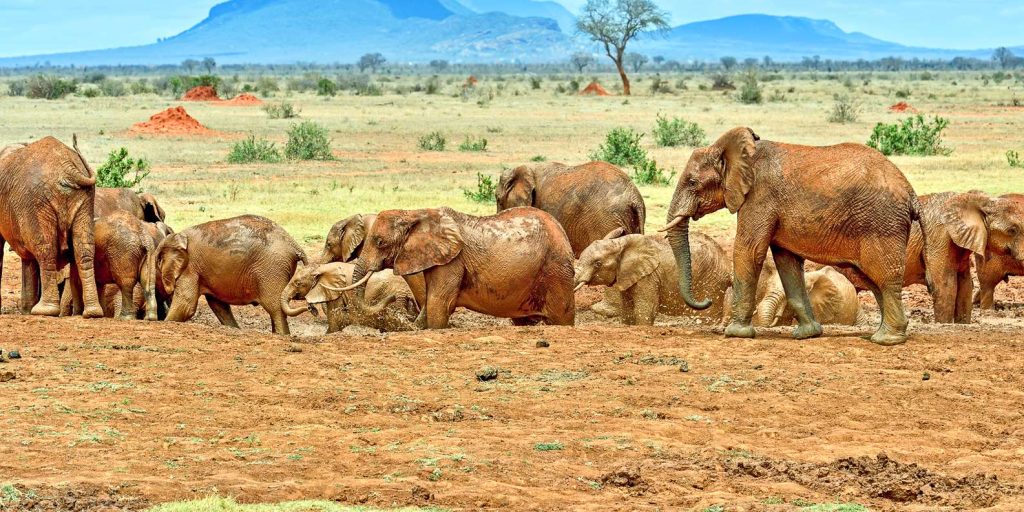
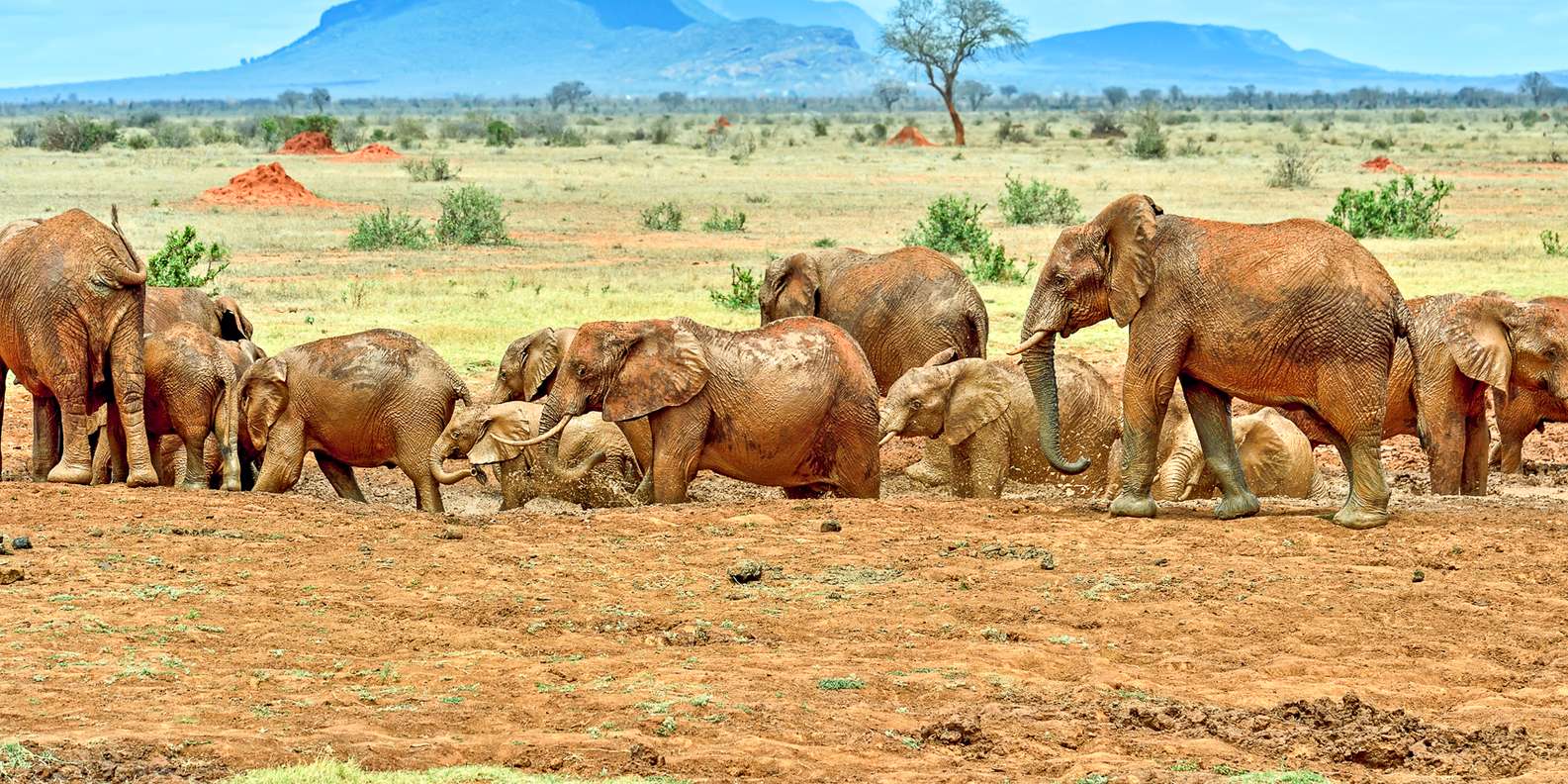
Tsavo’s elephants are legendary for their red colour — the result of dusting themselves in the park’s rust-coloured soil. Seeing a herd of these crimson giants against the open plains is the signature Tsavo experience.
2. Visit Mzima Springs
In Tsavo West, crystal-clear water bubbles up from beneath the lava to form Mzima Springs, home to hippos and crocodiles. An underwater viewing chamber lets you watch the aquatic life up close.
3. Explore the Vast Plains and Yatta Plateau
Tsavo East’s open savannah and the immense Yatta Plateau create some of Kenya’s most dramatic safari scenery — ideal for unhurried game drives and big skies.
4. Search for the Big Five
Tsavo is home to lion, leopard, elephant, buffalo and rhino, along with cheetah, giraffe and the fringe-eared oryx. The famous Tsavo lions add a thrill of history to every sighting.
5. Combine Bush and Beach
Tsavo’s location between Nairobi and the coast makes it the perfect safari add-on to a Diani or Mombasa beach holiday — the ultimate bush-and-beach combination.
Ready to experience Tsavo? Plan your trip with our safari experts.
Wildlife to See
Tsavo’s huge wilderness supports an outstanding range of wildlife. Look for:
- Red elephants — Tsavo’s iconic dust-coloured herds
- Lion, leopard & cheetah — including the legendary Tsavo lions
- Black rhino — protected in Tsavo West’s sanctuary
- Buffalo, giraffe & hippo — plus crocodiles at Mzima Springs
- Fringe-eared oryx & gerenuk — dry-country specials, with 500+ birds
Best Time to Visit Tsavo
The best time for a Tsavo safari is the dry season — June to October and January to February — when vegetation thins, wildlife gathers around rivers and waterholes, and the red elephants are easiest to find. The green season (November and March–May) brings lush scenery and superb birding, though the bush is thicker and animals more dispersed.
How Tsavo Fits Into a Kenya Safari
Tsavo works brilliantly as a standalone wilderness safari or as a bush-and-beach add-on. See our dedicated Tsavo East & West Safari, or fold Tsavo into a longer adventure like our 18-Day Kenya Safari Itinerary. Because it sits between Nairobi and the coast, Tsavo is the natural safari stop before a Diani beach finale.
“Tsavo felt like having Africa to ourselves — endless plains, red elephants everywhere and barely another vehicle in sight. Mzima Springs with the hippos was a magical bonus.” — a recent Sense of Adventure guest
Tsavo Belongs on Your Kenya Safari
For a wild, uncrowded safari on a truly epic scale — red elephants, big skies and the legendary Tsavo lions — a Tsavo safari is one of Kenya’s great adventures. Talk to our team and we’ll build it into your perfect trip.
Ready to experience Tsavo? Plan your trip with our safari experts.
Related Safari Guides
Frequently Asked Questions
How far is Tsavo from Nairobi?
Tsavo East’s main gate is about 230 kilometres from Nairobi, around a 4 to 5 hour drive. Tsavo sits conveniently between Nairobi and the coast, making it easy to combine with a Diani or Mombasa beach holiday.
Why are Tsavo’s elephants red?
Tsavo’s elephants appear red because they dust and wallow in the park’s distinctive rust-coloured soil, which coats their skin. They are not a separate species — just famously well camouflaged in Tsavo’s red earth.
What is the difference between Tsavo East and Tsavo West?
Tsavo East is larger, flatter and known for red elephants and vast open plains, while Tsavo West is more rugged and scenic, with Mzima Springs, volcanic hills and a black rhino sanctuary. Many safaris combine both.
What is the best time to visit Tsavo?
The dry months of June to October and January to February are best, when thinner vegetation and concentrated wildlife make game viewing — and finding the red elephants — easier.
How many days do you need in Tsavo?
Three days lets you experience both Tsavo East and Tsavo West, including the red elephants and Mzima Springs. Tsavo also works well as a two-night safari add-on to a coastal beach holiday.