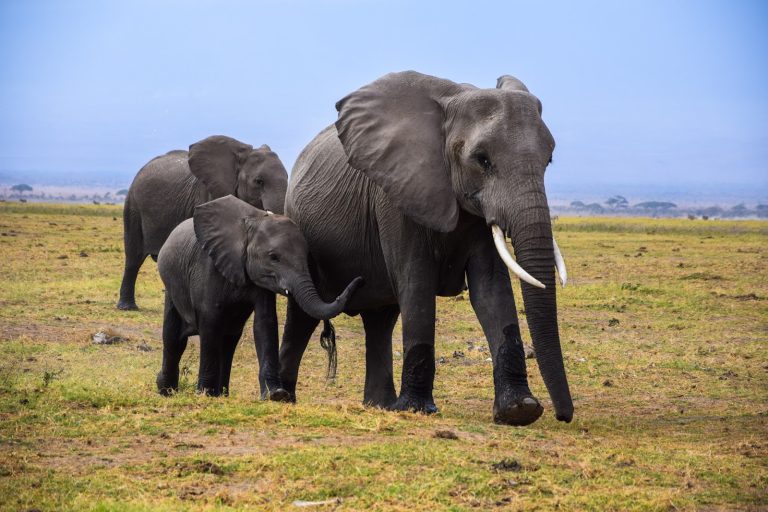
A Lake Nakuru safari packs an astonishing amount of wildlife into a compact, scenic Rift Valley park. Famous for its shimmering shores once blanketed by millions of flamingos, Lake Nakuru is today best known as one of Kenya’s premier rhino sanctuaries, home to both black and white rhino. Add lions, leopards, endangered Rothschild’s giraffe and over 450 bird species, and you have a rewarding safari just a few hours from Nairobi. This guide covers the top things to do, the wildlife, park fees, the best time to visit, where to stay and how Lake Nakuru fits a Kenya itinerary.
✅ Lake Nakuru: The Quick Answer
- Best for: black and white rhinos, Rothschild’s giraffe, lions, leopards and Rift Valley scenery.
- Distance: about 160 km from Nairobi, roughly 2.5 to 3 hours by road.
- How long: one full day covers the highlights; one night lets you enjoy early-morning drives.
- Park fee: USD 90 per non-resident adult per day and USD 45 per child, as a KWS Premium Park.
- Flamingos: numbers vary with water levels, so treat them as a bonus rather than a promise.
Why Visit Lake Nakuru
Lake Nakuru National Park is a fenced sanctuary that protects some of Kenya’s most endangered species — making rhino sightings here more reliable than almost anywhere else in the country. The soda lake at its heart is ringed by yellow-barked acacia forest, rocky cliffs and grassland.
Its compact size means excellent game viewing without long drives, and its location on the main Rift Valley route makes it easy to combine with Lake Naivasha and the Masai Mara. For rhinos, flamingos and big cats in one scenic package, Nakuru is hard to beat.
The park lies on the floor of the Great Rift Valley, right beside Nakuru city, and covers 188 km². The lake is shallow and alkaline, fed by small rivers and springs, and its size changes noticeably with the rains. Around it you will find fever-tree woodland, open grassland, rocky escarpments and one of the largest stands of candelabra euphorbia trees in Africa.
Top Things to Do at Lake Nakuru
1. See Black and White Rhino
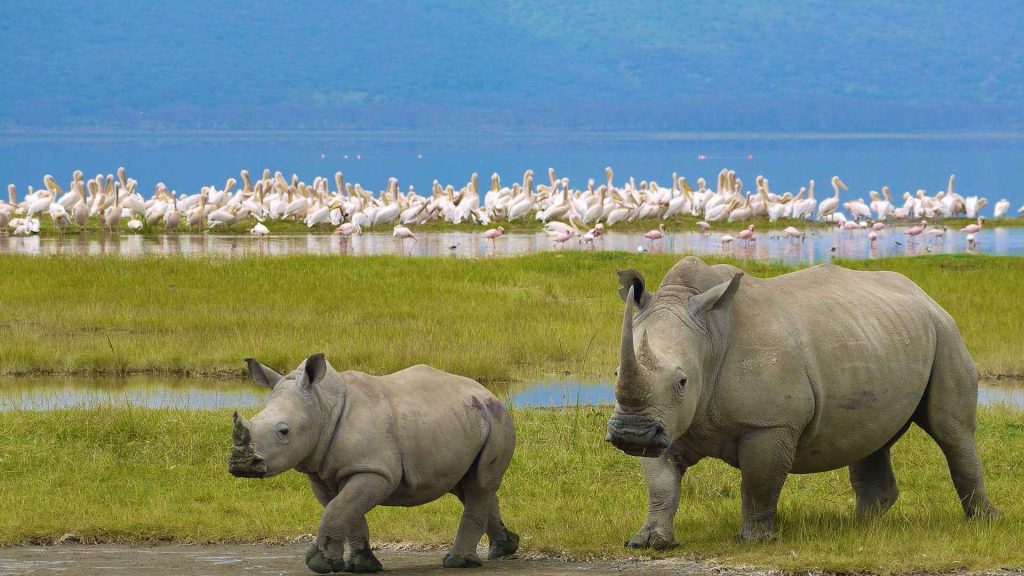
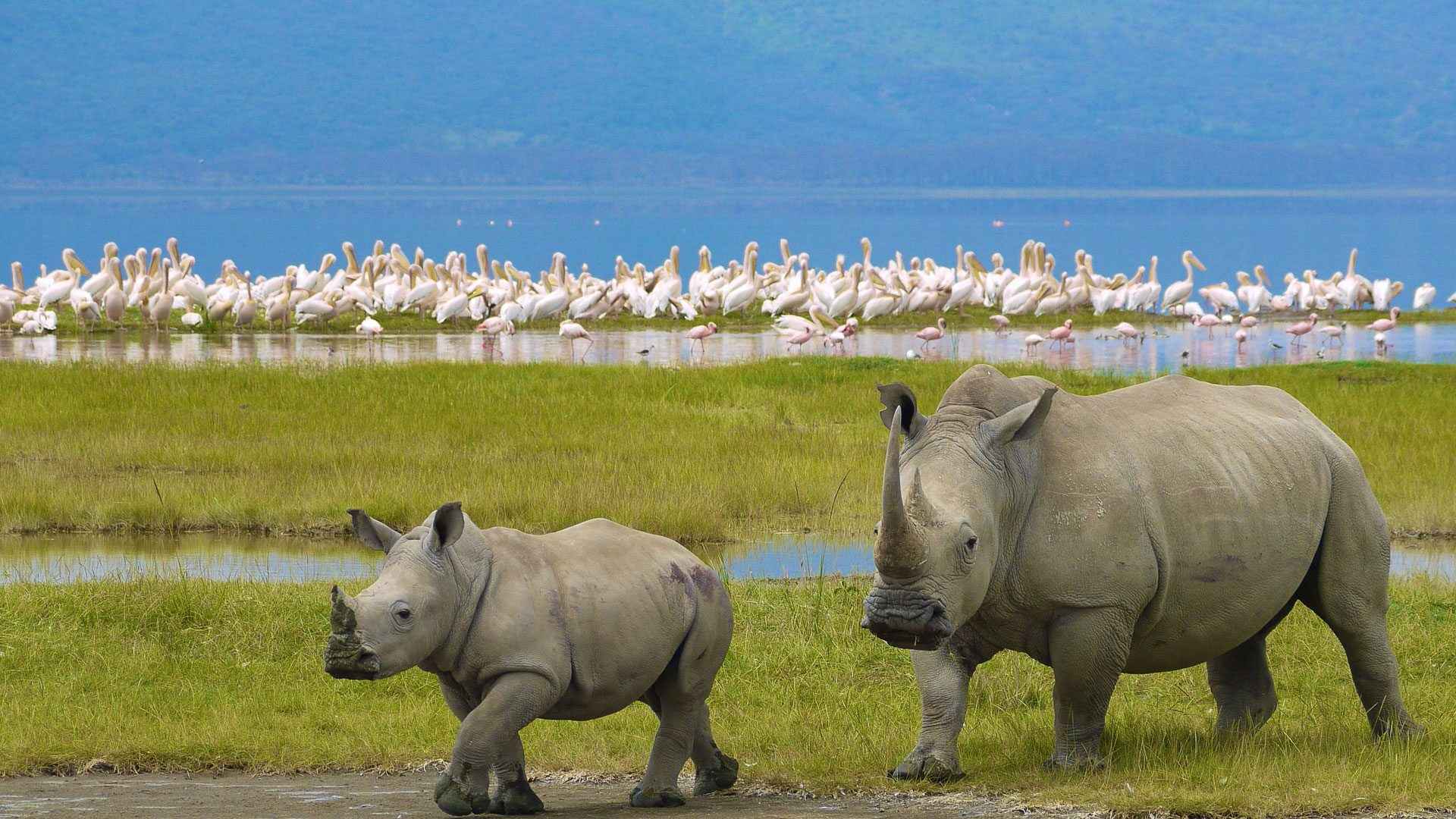
Lake Nakuru is one of the best places in Kenya to see rhino. The park protects healthy populations of both black and white rhino, often spotted grazing the open grassland near the lakeshore.
2. Marvel at the Flamingos and Pelicans
When conditions are right, the lake’s edges turn pink with flamingos, joined by great white pelicans and dozens of other water birds — a spectacle that helped make Nakuru world-famous.
3. Look for Lions and Leopards
Nakuru’s lions are occasionally seen resting in acacia branches, and the park is also a good spot for leopard — rounding out superb big-cat viewing in a small area.
4. Spot the Rothschild’s Giraffe
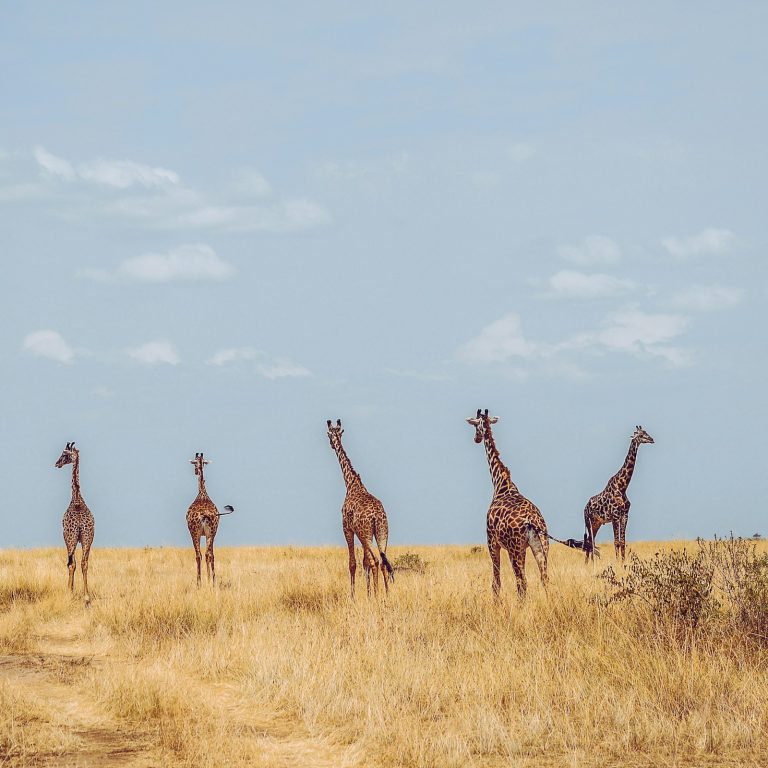
The park is a stronghold for the endangered Rothschild’s giraffe, easily distinguished by its “white socks.” You’ll also find buffalo, zebra, waterbuck and eland.
5. Enjoy the Viewpoints
Baboon Cliff and other lookouts give sweeping views over the soda lake and the surrounding Rift Valley — a perfect photo stop and picnic spot.
Other favourite stops include Makalia Falls in the south of the park, which flows best after the rains, and the Out of Africa lookout, named after the film scenes shot in the area. Ask your guide to plan a loop that takes in the lakeshore in the morning and the viewpoints in the softer afternoon light.
Ready to experience Lake Nakuru? Plan your trip with our safari experts.
💬 Book on WhatsAppView Safari Packages →Wildlife to See
Despite its small size, Lake Nakuru offers exceptional variety. Look for:
- Black & white rhino — one of Kenya’s top rhino parks
- Lions & leopards — including lions that occasionally rest in trees
- Rothschild’s giraffe — an endangered subspecies
- Flamingos & pelicans — plus 450+ bird species
- Buffalo, zebra, waterbuck & eland — across the grasslands
Lake Nakuru rhinos: black or white?
You can see both species here. White rhinos are grazers with a wide, square lip, and they usually feed in groups on the open grassland near the lake, so they are the easier of the two to find. Black rhinos are browsers with a hooked lip; they are more solitary and prefer thicker bush, so seeing one takes more patience. Rangers patrol the fenced park closely, and that protection is the main reason the sightings are so good.

Best Time to Visit Lake Nakuru
Lake Nakuru is excellent year-round. The dry seasons (June to October and January to February) offer the easiest game viewing and rhino sightings. Flamingo numbers vary with water levels and can be unpredictable, but the park’s rhinos, big cats and giraffe make it rewarding in any season. Mornings are best for active wildlife.
During the long rains in April and May, some tracks become muddy and the grass grows tall, but the park is green, quiet and full of birds. The short rains in November and December are usually lighter and pass quickly. In every season, start early: animals are most active in the cool of the morning, and the light over the lake is beautiful.
What happened to the Lake Nakuru flamingos?
Flamingos feed on algae that thrive in very salty, alkaline water. Since the early 2010s, heavy rains have raised the lake level considerably, diluting the water and reducing the algae. As a result, many flamingos have moved to other Rift Valley lakes such as Bogoria and Elementaita. Flocks still return when conditions change, so ask us for the latest picture before you travel, or read our update on flamingos in Lake Nakuru in 2026.
Lake Nakuru Park Fees and Costs
Kenya Wildlife Service classes Lake Nakuru as a Premium Park, alongside Amboseli. Non-resident adults pay USD 90 per day and children USD 45, according to the KWS conservation fees in force since October 2025. Children aged 5 and under enter free, and all payments are cashless through eCitizen. You can check current rates on the Kenya Wildlife Service website.
The rest of the cost depends on your vehicle, accommodation and how many nights you stay. Lake Nakuru is often included in multi-park trips: our Masai Mara & Lake Nakuru Camping Safari (4 days) starts from USD 590 per person and is the best-value way to see both parks. For other options, ask us for a written quote with every fee included.
How to Get to Lake Nakuru
The park is about 160 km north-west of Nairobi along the main Nairobi–Nakuru highway, a drive of roughly 2.5 to 3 hours depending on traffic. The road climbs to the edge of the Rift Valley escarpment, where a viewpoint stop gives a superb first look across the valley floor.
Most visitors enter through the Main Gate near Nakuru town; Lanet Gate and Nderit Gate offer other access points. Because the park sits on the Rift Valley route west, it is an easy stop between Nairobi and the Masai Mara, or a convenient first night before heading north to Laikipia and Samburu.
How Many Days at Lake Nakuru?
A single full day is enough to see the park’s highlights, which is why many travellers visit on our Lake Nakuru Day Safari from Nairobi. Staying one night is more relaxing: you avoid a very early start, enjoy an afternoon drive, and head out again at dawn when rhinos and lions are most active.
Sample one-night Lake Nakuru itinerary
Day 1: Leave Nairobi in the morning, stop at the Rift Valley viewpoint and arrive for lunch. Spend the afternoon looking for rhinos on the lakeshore grassland, then drive up to Baboon Cliff for sunset views over the lake.
Day 2: Take an early game drive through the acacia woodland for leopard and Rothschild’s giraffe, then visit Makalia Falls before continuing to Lake Naivasha, the Masai Mara or back to Nairobi.

Birdwatching at Lake Nakuru
More than 450 bird species have been recorded in the park, which makes it one of Kenya’s best birding destinations within easy reach of Nairobi. On the lakeshore, look for great white pelicans, African spoonbills, yellow-billed storks, herons and, when the water suits them, lesser and greater flamingos. African fish eagles perch on dead trees at the water’s edge and announce themselves with a ringing call.
The acacia woodland and grassland hold a different cast: superb starlings, lilac-breasted rollers, augur buzzards and long-tailed widowbirds in the wet season. Many European migrants arrive between about October and April. Bring binoculars and a field guide, and ask your driver-guide to stop at the shoreline hides and picnic sites, where you can scan the water from close range.
Lake Nakuru Photography Tips
The best light is in the first two hours after sunrise and the last two before sunset, when the lake glows and the rhinos are active. A zoom lens of 100–400mm covers most situations, from rhinos on the grass to birds on the shore. Baboon Cliff is the classic spot for a wide view of the lake, while the yellow fever-tree woodland makes a striking backdrop for leopard and giraffe portraits.
Is Lake Nakuru Worth Visiting?
Yes, especially if rhinos are on your wish list. Few parks in East Africa offer such reliable rhino sightings, and the short distance from Nairobi means you spend more time watching wildlife and less time on the road. Lake Nakuru also completes the Big Five for travellers heading to the Masai Mara, where rhinos are rare. If you are only coming for flamingos, check current conditions first, as numbers change from year to year.
Where to Stay at Lake Nakuru
You can stay inside the park, which puts you closest to the wildlife for early drives, or in Nakuru town and the surrounding area, which is usually cheaper. Lodges inside the park sit on the hillsides above the lake with wide views. For a side-by-side comparison of real properties, read our guide to Lake Nakuru National Park lodges.
Lake Nakuru Tips and Park Rules
- Stay in the vehicle except at designated viewpoints and picnic sites, such as Baboon Cliff.
- Keep to the tracks and give rhinos plenty of space; never block their path.
- Bring binoculars for birds on the lakeshore and leopards in the woodland.
- Pack layers: Nakuru sits at about 1,750 metres, so mornings can be cool.
- Use insect repellent in the evenings and speak to a travel clinic about malaria prevention.
- Check entry rules: most visitors need an Electronic Travel Authorisation from the official eTA Kenya portal, and you should read your government’s advice, such as the UK travel advice for Kenya.
How Lake Nakuru Fits Into a Kenya Safari
Lake Nakuru is a natural stop on a Rift Valley safari. See our Lake Nakuru Day Safari for a focused visit, or combine it with Lake Naivasha and the Masai Mara on our 7-Day Kenya Safari. It pairs especially well with nearby Lake Naivasha for a classic two-lake experience.
Families often choose our Lake Naivasha Family Safari with Hell’s Gate and Lake Nakuru, while first-time visitors who want northern Kenya too like the Kenya Highlights Safari through Samburu, Ol Pejeta, Lake Nakuru and the Masai Mara. If you want your own vehicle and guide, see how a private Kenya safari works, or browse every Kenya safari from Nairobi. Heading on to the Mara? Compare trips on our Masai Mara safari packages page.
Lake Nakuru Belongs on Your Kenya Safari
For reliable rhino sightings, flamingo-fringed scenery and big cats in a single compact park, a Lake Nakuru safari is one of Kenya’s best-value highlights. Contact us and we’ll add it to your Rift Valley adventure.
Ready to experience Lake Nakuru? Plan your trip with our safari experts.
💬 Book on WhatsAppView Safari Packages →Related Safari Guides
Frequently Asked Questions
How far is Lake Nakuru from Nairobi?
Lake Nakuru National Park is about 160 kilometres from Nairobi, roughly a 2.5 to 3 hour drive along the Nairobi–Nakuru highway, making it an easy day trip or overnight safari from the capital. The drive includes a stop at the Great Rift Valley viewpoint.
What is Lake Nakuru known for?
Lake Nakuru is known for its black and white rhinos, its flamingo-fringed soda lake, endangered Rothschild’s giraffe and big cats — all within a compact, scenic Rift Valley park. It is also an excellent birding destination, with more than 450 species recorded.
Are there still flamingos at Lake Nakuru?
Flamingos still visit Lake Nakuru, but their numbers vary with the lake’s water levels and can be unpredictable. Higher water since the early 2010s has diluted the lake and reduced the algae they eat. Even when flamingos are fewer, the park’s rhinos and big cats make it well worth a visit.
Can you see rhinos at Lake Nakuru?
Yes. Lake Nakuru is one of the best places in Kenya to see rhino, protecting healthy populations of both black and white rhino. White rhinos are often spotted grazing near the lakeshore, while black rhinos are shier and usually found in thicker bush.
How many days do you need at Lake Nakuru?
A single day is enough to enjoy the park’s rhinos, big cats and birdlife, which is why it is often visited as a day trip from Nairobi or combined with Lake Naivasha on a Rift Valley circuit. One night allows a relaxed sunset and a dawn game drive.
How much is the Lake Nakuru park fee?
Lake Nakuru is a KWS Premium Park. Since October 2025, non-resident adults pay USD 90 per day and children USD 45, while children aged 5 and under enter free. Fees are paid online through eCitizen, and we include them in every written quote.