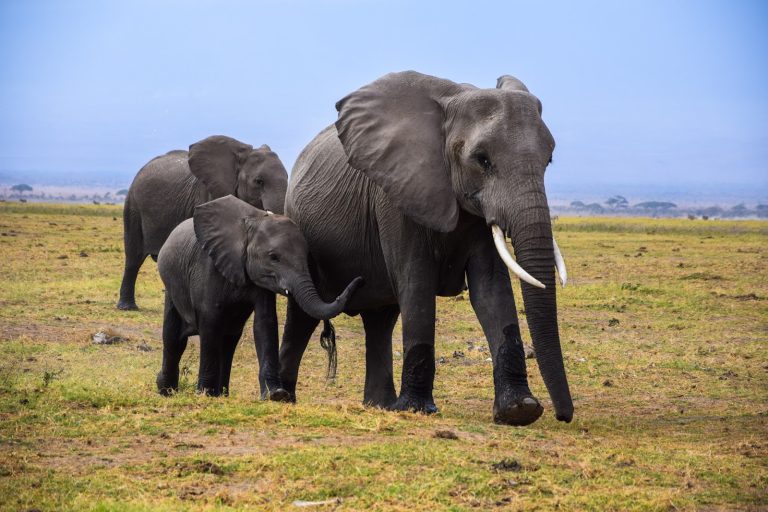
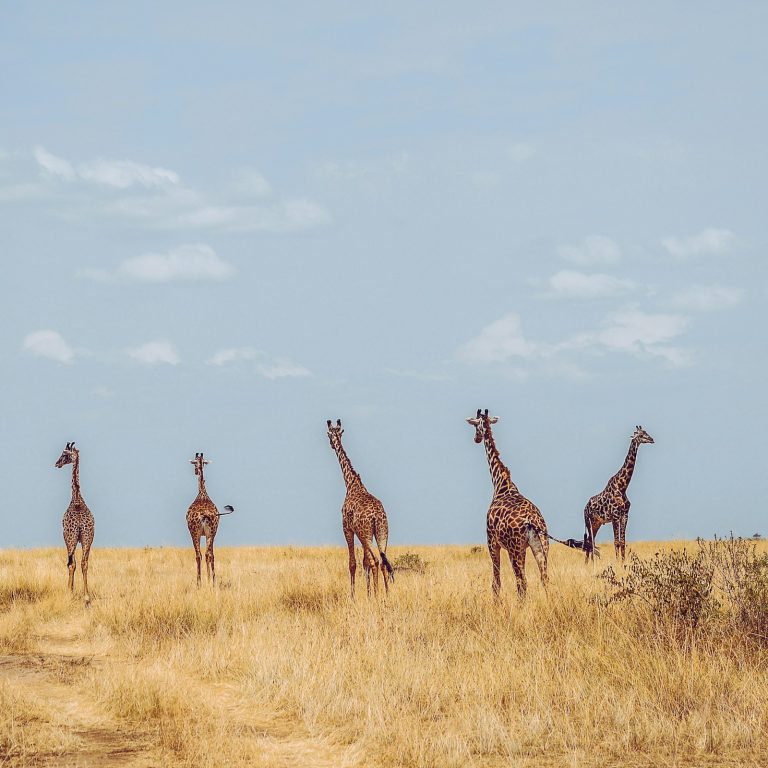
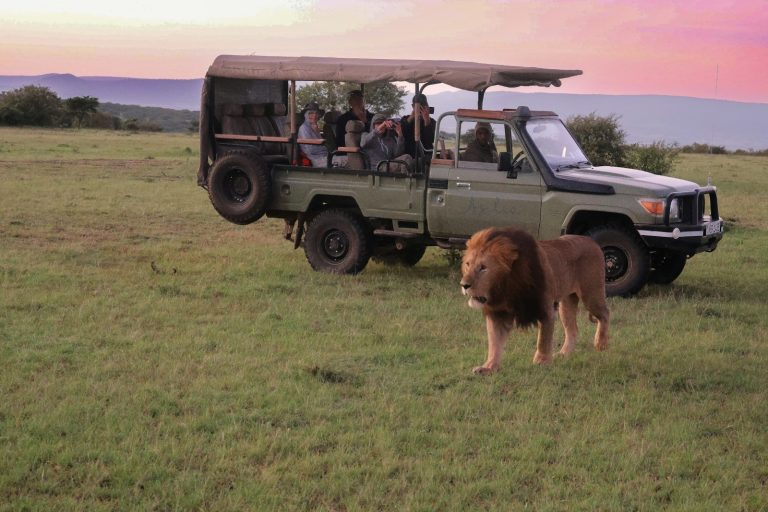
A Maasai Mara safari is the ultimate Kenyan wildlife experience and the crown jewel of any East African adventure. This vast expanse of golden savannah in south-west Kenya is home to extraordinary populations of lions, cheetahs and leopards, and it hosts the climax of the Great Migration, when well over a million wildebeest thunder across the Mara River. Add hot-air balloon safaris at dawn and the rich culture of the Maasai people, and it’s easy to see why the Mara tops every safari bucket list. This guide covers the best things to do, the wildlife, the ideal time to visit, entry fees, where to stay and how to plan your trip.
✅ Maasai Mara Safari: The Quick Answer
- Best for: big cats, the Great Migration, open-plain game drives and balloon flights.
- Best time: July to October for the migration; January to March for green plains, newborn animals and lower fees.
- How long: three nights is the sweet spot; two nights works if you fly in.
- Entry fee (2026): non-resident adults USD 100 per day from January to June and USD 200 per day from July to December.
- Price guide: our Masai Mara packages start from USD 590 per person for a 4-day camping safari.

Why Visit the Maasai Mara
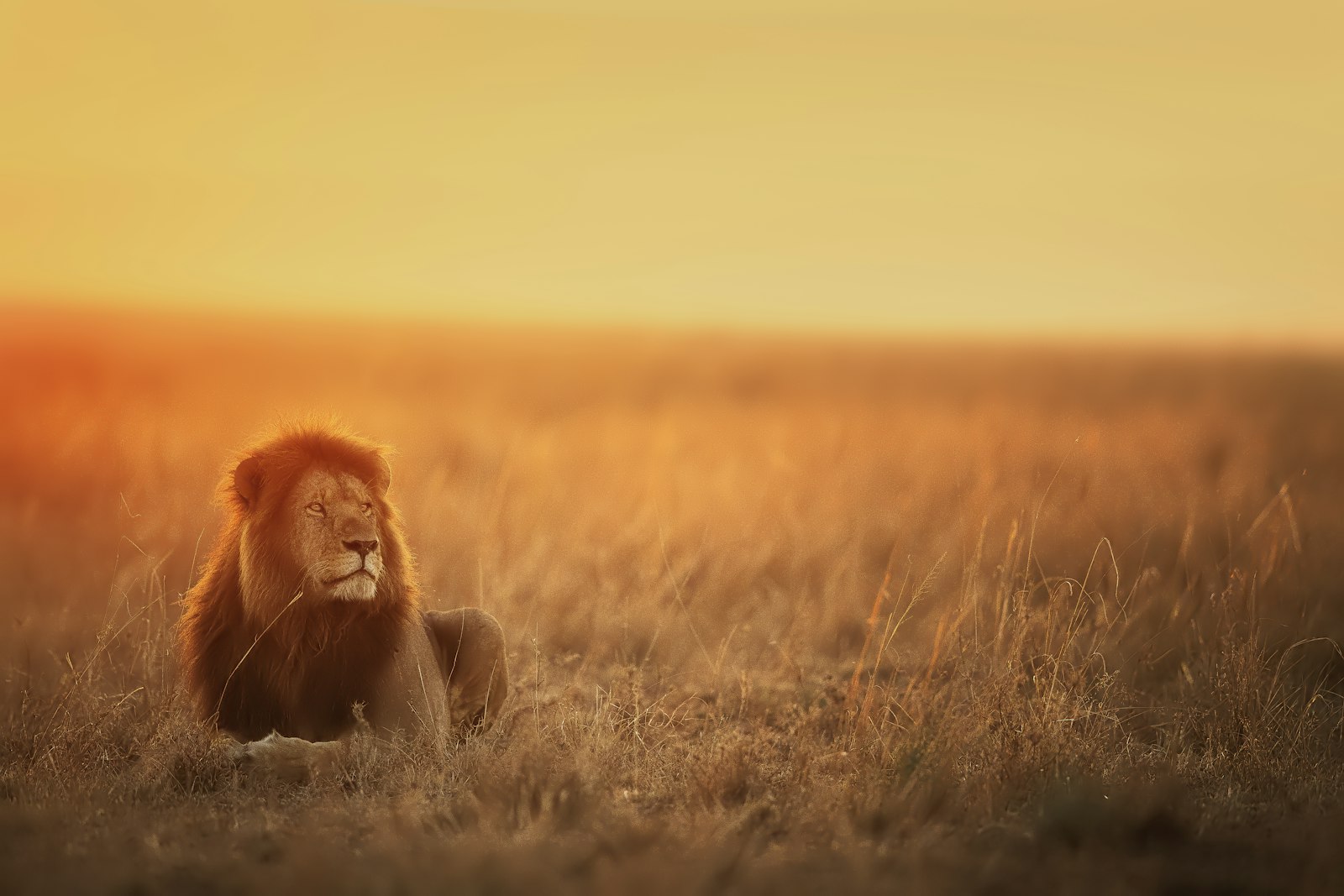
The Maasai Mara offers one of the highest densities of big cats in Africa, set across rolling grasslands that stretch to the horizon. Whatever the season, game viewing here is reliably spectacular — lion prides, cheetahs on the hunt and elephants moving through the long grass.
From July to October the reserve becomes the stage for the Great Migration, one of the planet’s greatest natural spectacles. Combined with balloon safaris, authentic Maasai culture and luxurious camps, the Mara delivers the complete safari in a single destination.
The reserve covers 1,510 km² in Narok County and forms the northern part of the Mara–Serengeti ecosystem. Its name comes from the Maa language, in which mara means “spotted”, a fitting word for plains dotted with acacia trees and cloud shadows. Unlike most Kenyan parks, it is run by Narok County rather than the Kenya Wildlife Service, while the Mara Triangle west of the river is managed by the not-for-profit Mara Conservancy.
Top Things to Do on a Maasai Mara Safari
1. Witness the Great Migration River Crossings
Between July and October, vast herds of wildebeest and zebra brave the crocodile-filled Mara River. Watching a crossing — dust, drama and survival in real time — is one of the most thrilling wildlife events on earth.
2. Track the Big Cats
The Mara is famous for its lions, cheetahs and leopards. Skilled guides know the prides and individuals, giving you outstanding chances to see hunting, cubs and big-cat behaviour up close.
3. Float Over the Plains by Hot-Air Balloon
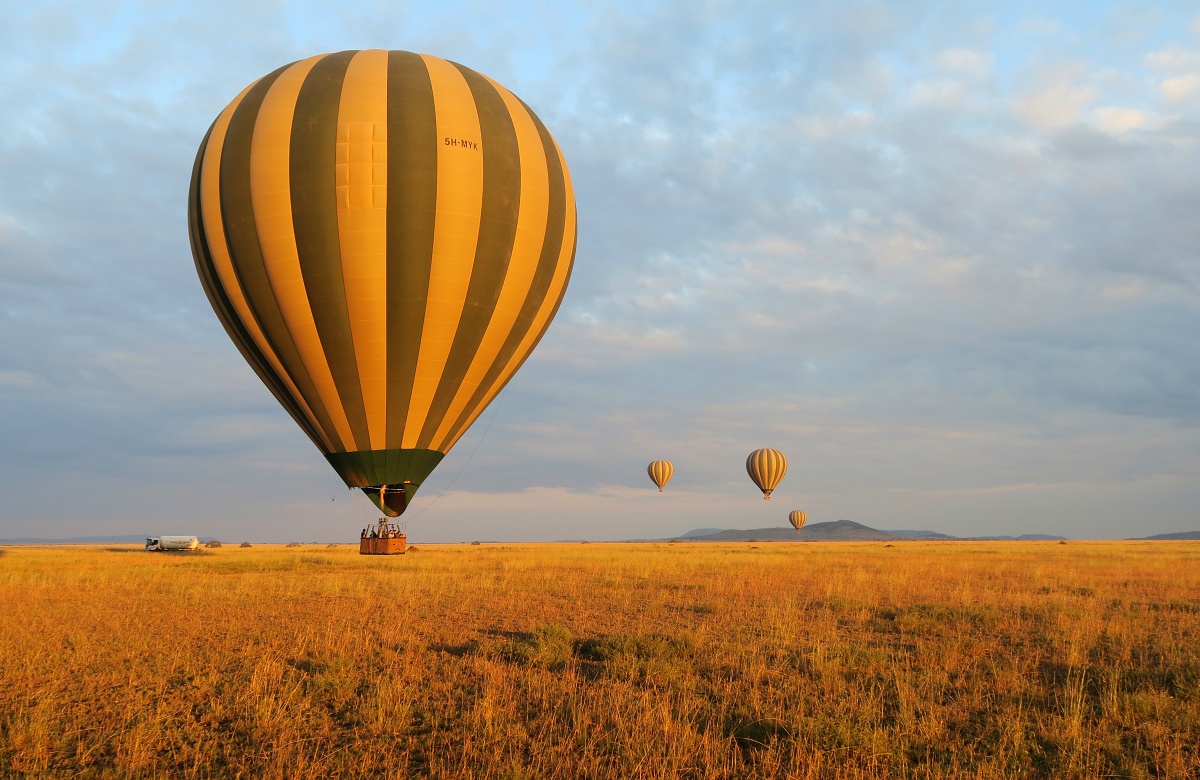
A dawn balloon safari lifts you silently over the savannah as the sun rises, with a champagne bush breakfast to follow. It’s the most magical way to grasp the sheer scale of the Mara.
4. Experience Maasai Culture
Visit a traditional Maasai village to see the famous jumping dance, beadwork and warrior traditions, and learn how this proud community lives alongside the wildlife.
5. Explore the Private Conservancies
The conservancies bordering the reserve offer walking safaris, night drives and far fewer vehicles — an exclusive, low-impact way to enjoy the same incredible wildlife.
Night drives and walks are not allowed inside the reserve itself, so if they matter to you, plan at least one or two nights in a conservancy such as Mara North, Olare Motorogi or Naboisho. Many Maasai families lease their land to these conservancies, so your stay also supports the people who share the land with the wildlife.
Ready to experience the Maasai Mara? Plan your trip with our safari experts.
💬 Book on WhatsAppView Safari Packages →Wildlife to See
The Maasai Mara is one of the best Big Five destinations on the continent. Expect:
- Lions — the Mara has some of Africa’s most studied prides
- Cheetahs & leopards — superb sightings on the open plains and riverine forest
- Elephants, buffalo & rhino — completing the Big Five, though black rhinos are rare and hard to find
- Wildebeest, zebra & gazelle — in their millions during the migration
- 450+ bird species — from ostriches to secretary birds and vultures
Honest sighting odds on a Maasai Mara safari
On a three-night Maasai Mara safari with an experienced guide, lions are seen on almost every trip, and elephant and buffalo are very likely. Cheetah sightings are good, especially on the open plains, and leopards are fair to good along the Talek and Mara rivers. Hippos and crocodiles are almost certain at the river. Black rhinos number only a few dozen here, so a sighting is a bonus; if rhino is a priority, add Lake Nakuru or Ol Pejeta to your route.
Best Time to Visit the Maasai Mara
The Great Migration is in the Mara from July to October, the peak time to witness river crossings. That said, the Mara is a year-round big-cat destination with excellent resident wildlife in every season. The green months (November to June) bring lush scenery, newborn animals, fewer crowds and lower rates.
| Months | Weather | What to expect |
|---|---|---|
| January–March | Warm, mostly dry | Resident cats, young animals, excellent value |
| April–May | Long rains | Lush and quiet, lowest prices, muddy roads |
| June | Cool, drying | Early herds may arrive late in the month |
| July–October | Dry | Migration herds and river crossings; peak season |
| November–December | Short rains | Herds moving south, green plains, festive demand |
Migration timing depends on rainfall and is never guaranteed, so read our honest guide on whether the Great Migration is guaranteed and our Great Migration 2027 planner before you fix your dates.
Maasai Mara Safari Costs and Entry Fees
Entry fees for a Maasai Mara safari are set by the reserve authorities and change more often than national park fees. For 2026, non-resident adults pay USD 100 per day from January to June and USD 200 per day from July to December. Children aged 9 to 17 pay USD 50, and children aged 8 and under enter free. Fees are cashless, paid by card or M-Pesa.
Conservancy camps charge their own daily fee, usually included in the camp rate. The Mara Triangle publishes its own schedule on the Mara Conservancy conservation fees page. For a full breakdown, see our Masai Mara National Reserve guide.
Maasai Mara safari package prices
As a guide, these are the published starting prices per person for our Mara trips:
- Masai Mara & Lake Nakuru Camping Safari (4 days) — from USD 590.
- 3-Day Masai Mara Safari — from USD 650.
- Maasai Cultural & Wildlife Safari (4 days) — from USD 1,100.
- Great Migration Safari – Masai Mara (5 days) — from USD 1,450.
- Masai Mara Honeymoon Safari (4 days) — from USD 1,900.
- Fly-in Masai Mara Luxury Safari (4 days) — from USD 3,200.
Compare every option side by side on our Masai Mara safari packages page. Final prices depend on season, camp and group size.
How to Get to the Masai Mara
For a Maasai Mara safari by road, the drive from Nairobi takes about five to six hours, down the Great Rift Valley escarpment and through Narok town to Sekenani or Talek gate. The last stretch can be slow and dusty, and rough after rain, but a road trip is the best-value option and lets you add Lake Naivasha or Lake Nakuru on the way.
By air, scheduled light aircraft from Nairobi’s Wilson Airport reach airstrips such as Keekorok, Ol Kiombo, Musiara and Serena in roughly 45 to 75 minutes. Your guide meets you on arrival and the game drive starts on the way to camp. Small planes limit you to around 15 kg in soft bags. If you have limited time, see how a Kenya safari from Nairobi can work.
How Many Days Do You Need for a Maasai Mara Safari?
Three nights is the ideal length for a Maasai Mara safari. By road, two nights gives you only one full day, because the first and last days are mostly travel. Three nights gives you two full days: enough for a full-day drive to the river and a relaxed balloon morning. Photographers and anyone hoping for a river crossing should plan four nights or more.
Sample 3-day Maasai Mara safari itinerary
Day 1: Leave Nairobi at about 7am, stop at the Rift Valley viewpoint, have lunch at camp and enjoy an afternoon game drive until sunset.
Day 2: Take an optional dawn balloon flight, then a full-day drive towards the Mara River with a picnic lunch, looking for cats, elephants and, in season, crossings.
Day 3: Enjoy a last early drive and brunch, then return to Nairobi, arriving in the late afternoon.
Where to Stay in the Mara
Where you sleep shapes your Maasai Mara safari more than anything else. Camps inside the reserve put you closest to the river crossings and the big-cat territories of the central plains. Conservancy camps offer fewer vehicles, off-road driving to sightings, guided walks and night drives, usually at a higher price. Budget camps near the gates keep costs down but add driving time each day.
Many of our guests split their stay: a night or two near the river during the migration, then a night or two in a conservancy for quieter game viewing. For a fully tailored itinerary with your own vehicle and guide, see how a private Kenya safari works, or browse our luxury Kenya safari collection for the finest camps.
9 Best Tips for Your First Maasai Mara Safari
1. Book early for peak season. Riverside camps for August and September fill months ahead, so book four to nine months in advance if your dates are fixed.
2. Choose a private vehicle. You set the pace, stay longer at sightings and never compete for a window seat.
3. Take at least one full-day drive. A picnic lunch lets you reach the river and the quieter south of the reserve.
4. Hold back at busy sightings. Ask your guide to wait a little way off; cats often move, and the vehicle that held back is best placed when they do.
5. Pack warm layers. Mornings at 1,500 to 2,100 metres are cold, even in the dry season, while afternoons are hot.
6. Wear neutral colours. Khaki, olive and sand blend in; avoid bright white and dark blue, which attract tsetse flies.
7. Bring a good zoom lens. A lens of at least 300 mm and a spare battery make a real difference.
8. Respect the rules. No off-road driving in the reserve, no drones without written permission and no feeding animals.
9. Sort your paperwork early. Apply for an Electronic Travel Authorisation on the official eTA Kenya portal, and check your government’s advice, such as the UK travel advice for Kenya. For more on ballooning, see Magical Kenya’s guide to ballooning in the Mara.
How the Maasai Mara Fits Into a Kenya Safari
The Maasai Mara is the centrepiece of most Kenya safaris. For a focused trip, see our 3-Day Masai Mara Safari; photographers should explore the Great Migration Photographic Safari, and culture lovers the Maasai Cultural & Wildlife Safari. The Mara also combines perfectly with Lake Nakuru and Amboseli on a longer circuit.
A classic first Maasai Mara safari runs from Nairobi to Lake Naivasha for hippos, then on to three nights in the Mara. If elephants and Kilimanjaro are on your wish list, read our Masai Mara vs Amboseli comparison or join both on our 7-day Amboseli, Naivasha and Masai Mara safari. Planning a migration trip? Our Great Migration safari guide explains how to time it.
The Maasai Mara Belongs on Your Kenya Safari
For big cats, the Great Migration and the full romance of an African safari, few places beat the Maasai Mara. Tell us when you want to travel and we’ll design the perfect Maasai Mara safari for you.
Ready to experience the Maasai Mara? Plan your trip with our safari experts.
💬 Book on WhatsAppView Safari Packages →Related Safari Guides
Frequently Asked Questions
When is the Great Migration in the Maasai Mara?
The Great Migration is typically in the Maasai Mara from July to October, when well over a million wildebeest move through the reserve and cross the Mara River. River crossings are most frequent from August to September, but timing shifts each year with the rain.
How far is the Maasai Mara from Nairobi?
The Maasai Mara is about 270 kilometres from Nairobi, around a 5 to 6 hour drive via the Rift Valley and Narok, or a scheduled flight of roughly 45 to 75 minutes from Wilson Airport to one of the reserve’s airstrips.
What animals can you see in the Maasai Mara?
The Maasai Mara is home to the Big Five — lion, leopard, elephant, buffalo and rhino, although black rhinos are rare — plus cheetahs, giraffes, hippos, crocodiles and, during the migration, vast herds of wildebeest and zebra. More than 450 bird species have been recorded.
How many days do you need in the Maasai Mara?
Three days allow a rewarding Mara safari; four to five days are ideal during the migration or to include a balloon flight, cultural visit and time in the private conservancies. If you fly in, two nights can work because you avoid the long drive.
Is the Maasai Mara worth visiting outside the migration?
Yes. The Mara has one of the highest densities of big cats in Africa and outstanding resident wildlife all year, with lush scenery, fewer crowds and lower prices in the green season. January to March is especially good value.
How much does a Maasai Mara safari cost?
Our Maasai Mara safari packages start from USD 590 per person for a 4-day camping safari and USD 650 for a 3-day road safari, rising to USD 3,200 for a 4-day fly-in luxury trip. Season, camp, group size and the reserve’s seasonal entry fees set the final price.