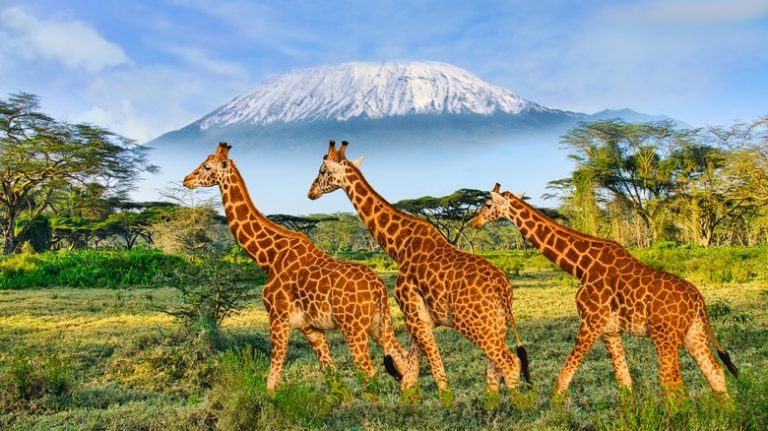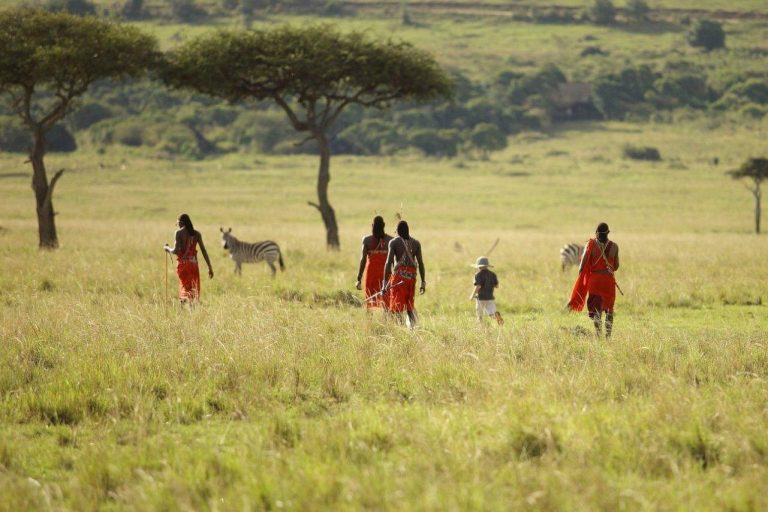

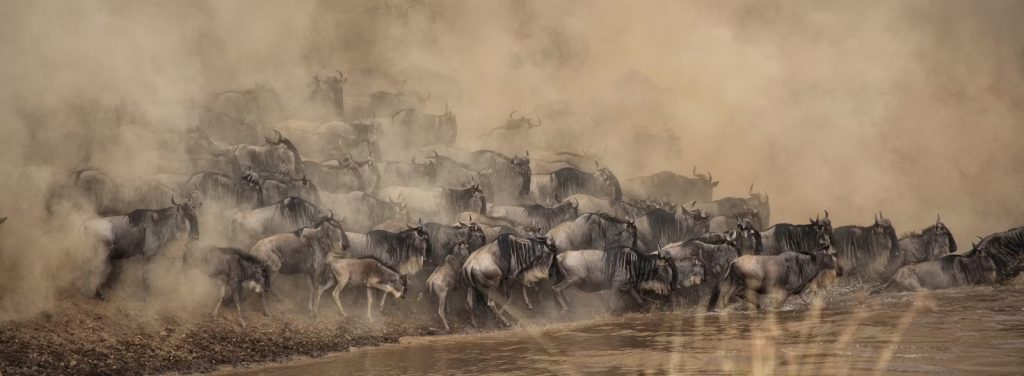
Best time to visit Tsavo planning benefits from one reassuring fact upfront: this vast, dual-park wilderness delivers rewarding safari in every single month of the year, and the “best” time genuinely depends on what you personally want from the experience rather than avoiding some universally bad season. Dry months concentrate red-dusted elephant herds and predators around the Galana River and Aruba dam in scenes that feel almost choreographed; wetter months green the entire 22,000 km² landscape into a lush, dramatically different backdrop and bring newborn wildlife, at the cost of some road difficulty and scattered animal distribution. Sense of Adventure runs Tsavo safaris across the full calendar, and this honest, month-by-month breakdown reflects what our guides actually see on the ground, not a generic seasonal template copied from elsewhere in Kenya.
Match Your Dates to What You Want to See
Waterhole drama or green-season colour — tell us your priorities and we’ll recommend your ideal Tsavo month.
Tsavo’s Year, Honestly Explained
Tsavo’s climate follows Kenya’s classic bimodal rainfall pattern: long rains roughly March through May, a cooler dry spell from June to October, short rains around November, and a second, generally milder dry window from December through February. The two dry periods — June-October and December-February — are when red-dusted elephant herds and the predators tracking them concentrate most reliably around permanent water like Aruba dam and the Galana River, delivering the classic, high-density Tsavo wildlife spectacle most photographs of the park depict. The rainy seasons scatter wildlife across a suddenly green, flush landscape, complicate some of the park’s murram roads, and reduce visibility in taller grass — but they also deliver the softest, most dramatic photographic light, newborn animals across many species, and noticeably quieter roads with far fewer other vehicles at every sighting. Neither approach is objectively correct — a family wanting the highest-probability, most concentrated wildlife viewing on a single short trip should lean toward the dry months, while a photographer or returning visitor chasing a different, less-crowded version of the same park has genuine reasons to choose the opposite end of the calendar, and our guides are equally happy planning either kind of trip well. It is also worth remembering that Tsavo’s sheer size buffers it against the sharpest seasonal swings some smaller Kenyan parks experience — with 22,000 km² of varied habitat and multiple permanent water sources, some reasonable wildlife viewing remains realistic in literally any month, which is not something every destination on a Kenyan itinerary can honestly claim.
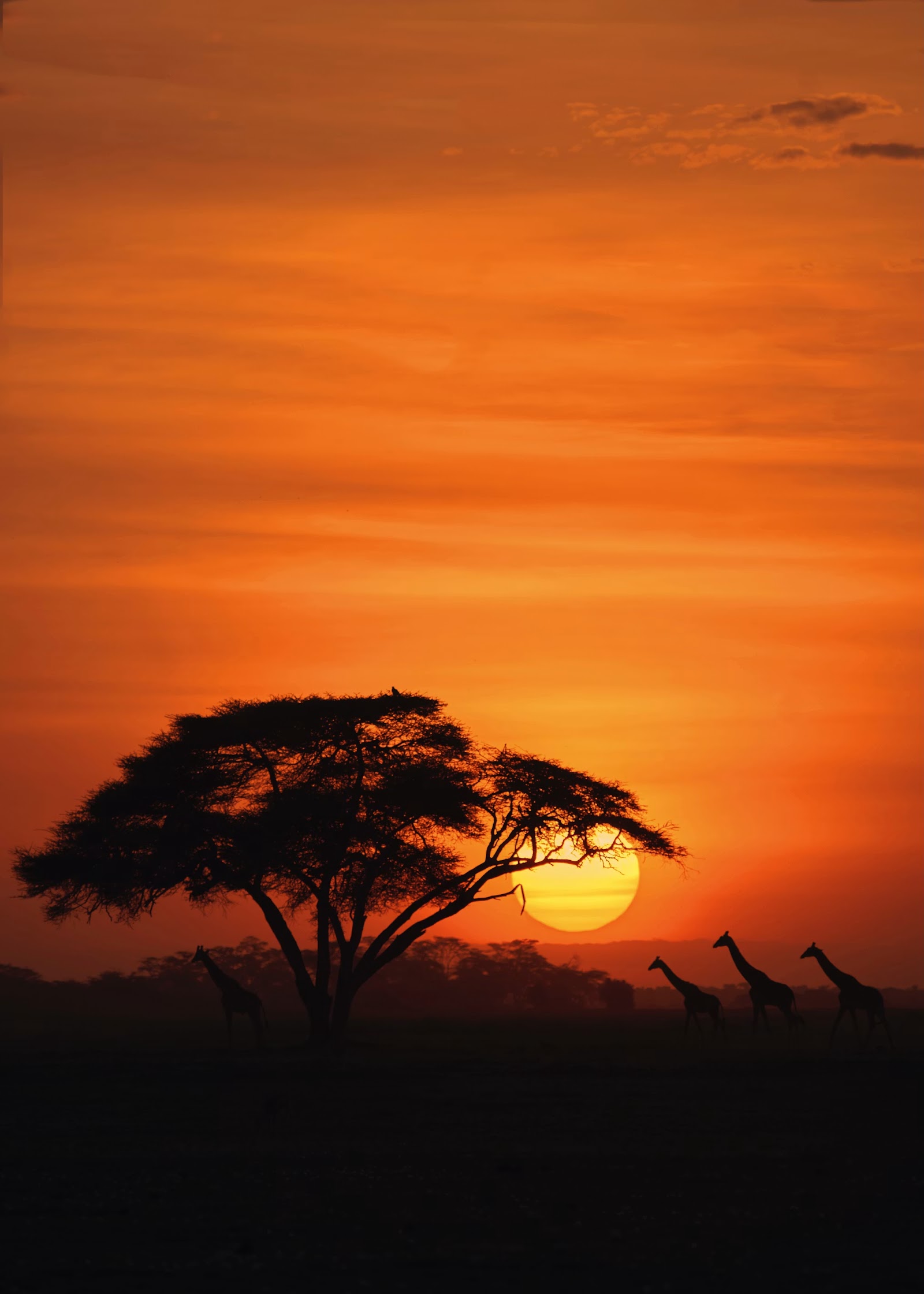
We went in April against most advice and had entire waterholes to ourselves, storm clouds building dramatically behind red elephants drinking below Aruba dam. Yes, one afternoon drive got genuinely muddy, but our driver knew the roads and we never got properly stuck. I’d take that trade again in a heartbeat.
— Sense of Adventure guest, green-season Tsavo safari
Tsavo Month by Month
June–October: The Long Dry — peak waterhole concentration
This is Tsavo’s marquee season: months without significant rain push elephant herds, buffalo and predators onto the Galana River and Aruba dam in genuinely spectacular concentrations, dust rises in classic red clouds, and roads are at their most reliably passable. Expect warm, largely cloudless days and the busiest — though still comparatively uncrowded by Kenyan standards — vehicle traffic of the year.
November: The Short Rains — a brief, dramatic green flush
Storms arrive in shorter, more localised bursts than the long rains, greening the landscape rapidly while rarely disrupting travel for more than an afternoon at a time. This transitional month rewards photographers with dramatic skies and is also, notably, when the Ngulia bird migration fallout phenomenon can occur on the right misty nights.
December–February: The Warm Dry — peak season’s quieter, hotter twin
A second reliable dry window brings wildlife back to concentrated water sources, festive-season crowds bump vehicle numbers briefly around Christmas and New Year, then quiet again through January and February — arguably the connoisseur’s pick for combining dry-season game viewing with noticeably thinner crowds than the July-October peak.
March–May: The Long Rains — green, dramatic and genuinely quiet
Tsavo’s heaviest rains fall in this window, transforming the entire ecosystem into lush, photogenic green country while scattering wildlife more widely and occasionally testing murram roads after heavy downpours. Visitor numbers drop to their lowest of the year and lodge rates follow — a deliberate choice for travellers prioritising solitude and dramatic light over guaranteed high wildlife density.
The Daily Heat Rhythm — planning drives around the sun, not the season
Whatever the month, Tsavo runs hot through the middle of the day, typically 29-33°C, so game drives cluster around the cooler dawn and late-afternoon hours when animals are most active and light is best for photography — a rhythm worth building into any itinerary regardless of which broader season you choose to visit in.
Photography by Season — choosing your light deliberately
Dry-season Tsavo delivers the classic dust-and-tusker photograph against clear skies; wet-season visits trade that for dramatic storm-cloud backdrops, saturated greenery and the softer, more even light overcast conditions provide — two genuinely different photographic characters from the same park, worth choosing between deliberately rather than by accident.
Booking and Value Considerations — when your money goes furthest
Lodge and camp rates in Tsavo typically soften noticeably during the March-May rains and, to a lesser extent, in the quieter January-February stretch, while July-October and the Christmas-New Year period command premium pricing and the earliest availability cutoffs — useful leverage for travellers with flexible date ranges.
We’ll Match the Month to Your Priorities
Waterhole drama, storm-light photography or the best value — tell us what matters most and we’ll recommend your dates.
Tsavo Seasonal Facts
- Rainfall pattern: long rains roughly March-May, short rains around November, with June-October and December-February as the two dry windows.
- Peak wildlife concentration: June-October delivers the most reliable dry-season waterhole gatherings of elephant and predator activity.
- Quietest months: March-May sees the lowest visitor numbers and softest lodge rates, trading some road difficulty for genuine solitude.
- Temperature: daytime highs typically run 29-33°C year-round, with cooler mornings and evenings the best time for game drives regardless of season.
- Birding bonus: November’s short rains can coincide with the Ngulia migration fallout phenomenon on the right misty nights.
- Road conditions: murram tracks can become temporarily difficult after heavy rain in March-May; experienced 4×4 drivers manage this routinely.
- Booking tip: flexible travellers can secure meaningfully better rates by targeting the shoulder and rainy-season windows over July-October peak dates.
Planning Your Tsavo Dates
Whenever you travel, pair your dates with our Tsavo West attractions guide and Tsavo East attractions guide for full itinerary planning, or book the ready-made 3-day Tsavo East & West safari. See our wider Kenya weather guide for how Tsavo’s seasons compare to the rest of the country.
Every Month Has a Tsavo Worth Seeing
Tell us what you want — dust and drama, or green and quiet — and we’ll pick your dates.
Frequently Asked Questions
What is the best month to visit Tsavo National Park?
June to October is generally considered Tsavo’s best window for concentrated wildlife viewing, as the dry season pushes elephant herds and predators toward permanent water sources like Aruba dam and the Galana River, though December-February offers similarly good dry-season viewing with fewer crowds.
Is Tsavo worth visiting during the rainy season?
Yes — Tsavo’s rainy seasons (roughly March-May and November) transform the landscape into lush, dramatically photogenic green country with newborn wildlife and far fewer visitors, trading some guaranteed wildlife concentration and occasional road difficulty for genuine solitude and striking storm-light photography.
How hot does Tsavo get?
Tsavo runs warm year-round, with daytime temperatures typically between 29-33°C regardless of season. Game drives are scheduled around the cooler dawn and late-afternoon hours, when wildlife is most active and photographic light is at its best.
When do the red elephants of Tsavo gather at waterholes?
Tsavo’s famous red elephants concentrate most reliably at waterholes like Aruba dam during the dry seasons — June to October and December to February — when permanent water sources become the only reliable option across the wider dry landscape.
Are Tsavo’s roads passable during the rainy season?
Tsavo’s murram roads can become temporarily muddy or difficult after heavy rain, particularly during the March-May long rains, though experienced drivers with proper 4×4 vehicles navigate this routinely. Serious disruption is uncommon, and most rainy-season game drives proceed without major issue.
Can Tsavo be visited alongside a Kenyan coast holiday regardless of season?
Yes — Tsavo sits directly on the Nairobi-Mombasa corridor, making it a natural bush stop before or after a beach holiday in any season. Coastal travel patterns and Tsavo’s own wet-dry calendar do not always align perfectly, so it is worth checking both when planning combined dates.