Tsavo West attractions read like a geology textbook come to life: a black lava flow only a few centuries old, a cinder crater you can walk to the rim of, a fenced sanctuary rebuilding Kenya’s black rhino population one calf at a time, and a border lake where hippos share the water with a view across into Tanzania.
Where Tsavo East spreads wide and flat under an endless red-dust horizon, Tsavo West folds itself into hills, gorges, rocky outcrops and volcanic cones. It is a more visually dramatic landscape that rewards travellers willing to add an extra day beyond the standard game drive.
This is the half of greater Tsavo that turns a wildlife trip into a landscape expedition, and Sense of Adventure builds real time into every Tsavo West itinerary for exactly that reason. Below we cover the seven essential Tsavo West attractions, how to plan a day around them, the best time to go, where to stay and what it costs.
✅ Tsavo West Attractions Quick Answer
- Top sights: Mzima Springs, the Shetani lava flow, Chaimu crater, Ngulia Rhino Sanctuary, Poacher’s Lookout and Lake Jipe.
- Time needed: one full day for the core sights; two days to add Lake Jipe and the rhino sanctuary without rushing.
- Best time: the dry months of June to October and January to February.
- Getting there: about 4 to 5 hours from Nairobi or 3 to 4 hours from Mombasa via Mtito Andei gate.
- From: our 3-day Tsavo East & West Safari starts at USD 600 per person.
See Kenya’s Most Dramatic Landscape
Lava flows, crater walks and a rhino sanctuary in one park — ask us to build a proper Tsavo West day into your safari.
Why Tsavo West Attractions Look Nothing Like Tsavo East
Tsavo West’s terrain was shaped by relatively recent volcanic activity linked to the neighbouring Chyulu Hills, leaving behind cinder cones, lava flows and permanent springs unlike anywhere else on the Kenyan safari circuit.
The most dramatic evidence is the Shetani lava flow. Shetani is Swahili for “devil”, a name local communities gave the jagged black rock, which is still barely vegetated centuries later. Nearby, Chaimu crater offers a short, steep climb to a rim view across the plains.
The park’s permanent water — Mzima Springs’ crystal pools and Lake Jipe on the Tanzanian border — concentrates wildlife in a way the drier eastern half of Tsavo cannot always match. Layered onto this geology is a conservation success story at Ngulia, where a fenced sanctuary has rebuilt a fragile black rhino population.
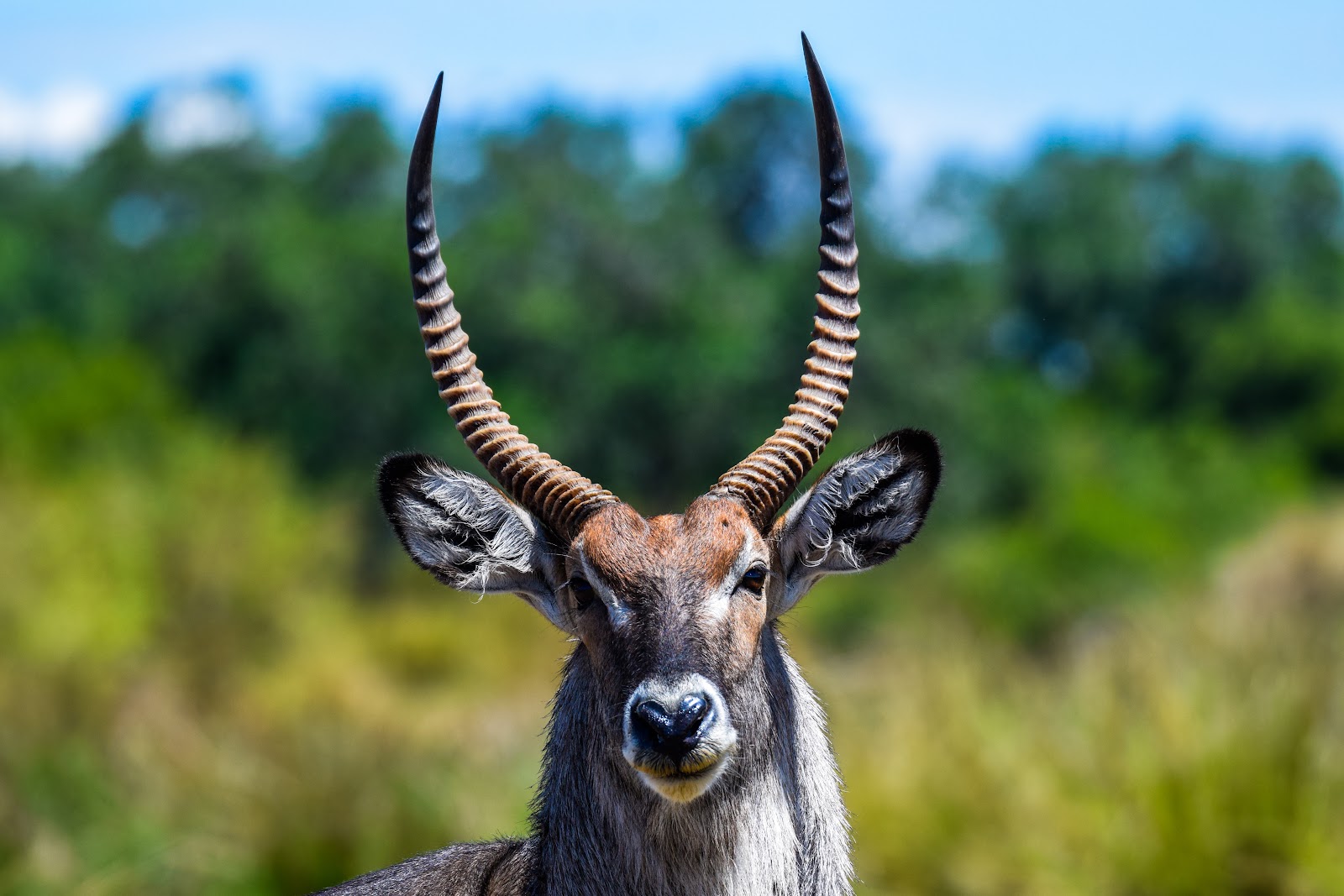
The hillier terrain also makes game drives feel varied. Rounding a bend can reveal a lava field one minute and a green, spring-fed valley with waterbuck and impala the next, so a day among the Tsavo West attractions never feels like one repeated landscape.
The 7 Essential Tsavo West Attractions
Shetani Lava Flow — a landscape barely settled since eruption
This black lava field, several kilometres long and believed to have erupted within the last few hundred years, is so sparsely colonised by plants that it feels closer to another planet than an African savannah. You can stop beside it and, with your guide, walk a short way onto the rock; sturdy shoes are essential, as the surface is sharp. Standing on lava younger than many European cathedrals puts Tsavo’s geological youth into vivid perspective.
Chaimu Crater Climb — Tsavo West’s best view for the least effort
A short, steep scramble up this cindered volcanic cone — one of the few places in the park where you may leave the vehicle — delivers a rewarding panorama over the surrounding plains and lava fields in well under an hour round trip. Sunset and sunrise light turn the loose black cinder underfoot a deep red-brown, adding real drama to the climb itself.
Mzima Springs — the oasis at the park’s heart
Crystal-clear pools fed by Chyulu Hills rainwater filtered through volcanic rock support hippos, crocodiles and an underwater viewing chamber unique in Kenyan safari. It is the most loved of all Tsavo West attractions, and one that deserves an unhurried visit on the guided walking trail rather than a rushed stop.
Ngulia Rhino Sanctuary — a fenced hope for Kenya’s black rhino
A dedicated, intensively protected sanctuary within Tsavo West shelters a growing population of black rhino, rebuilt carefully after the devastation of 1970s–80s poaching. The bush inside is thick, so sightings are never guaranteed, but the waterholes give you a fair chance, especially late in the afternoon. Visiting hours are limited, so your guide will time the drive.
Lake Jipe — hippos, birds and a view into Tanzania
This shallow, papyrus-fringed lake straddling the Kenya-Tanzania border sits in Tsavo West’s quieter south-western corner, rewarding the longer drive with resident hippo pods, excellent waterbird viewing and, on clear days, views of Mount Kilimanjaro and the Pare Mountains — one of the park’s least-visited yet most rewarding detours.
Poacher’s Lookout — panoramic views over the plains
A rocky hilltop viewpoint with sweeping views across the plains and, on clear mornings, towards Kilimanjaro, Poacher’s Lookout takes its name from its history as a spot for watching the bush during Tsavo’s toughest anti-poaching years. It remains one of the best places in the park for a short stop with binoculars.
Ngulia Hills & the Bird Migration Bottleneck — a globally significant stopover
The Ngulia Hills sit beneath a major Palearctic bird migration route, and on misty nights from about November to December thousands of migrating birds are grounded by low cloud around Ngulia Safari Lodge. Bird-ringing studies here have run for decades, putting this corner of Tsavo West firmly on the international ornithological map.
Add a Full Tsavo West Day
Lava fields, a crater climb and the rhino sanctuary deserve more than a drive-through. Ask us to plan it properly.
How to Plan a Day Around Tsavo West Attractions
The park is big and the roads are rough, so a little planning helps you see the main Tsavo West attractions without spending the whole day driving.
A one-day Tsavo West attractions route
- Early morning: game drive from your lodge, then Mzima Springs while the light is soft and the hippos are active.
- Late morning: the Shetani lava flow and its viewpoints, before the black rock gets too hot.
- Lunch: back at a lodge such as Kilaguni Serena, overlooking its waterhole.
- Afternoon: Ngulia Rhino Sanctuary, with a stop at Poacher’s Lookout on the way.
- Sunset: the short climb up Chaimu crater.
Adding a second day
A second day lets you drive south to Lake Jipe, a round trip of most of a day, or slow down and enjoy longer game drives in the hills. If you are combining Tsavo West with Tsavo East or Amboseli, read how many days you need for Tsavo for sample routes.
| Attraction | Time to allow | Best for |
|---|---|---|
| Mzima Springs | 1–2 hours | Hippos, crocodiles, families |
| Shetani lava flow | 30–60 minutes | Geology, photography |
| Chaimu crater | Under 1 hour | Views, a leg stretch |
| Ngulia Rhino Sanctuary | 2–3 hours | Black rhinos, patient viewers |
| Poacher’s Lookout | 20–30 minutes | Panoramas |
| Lake Jipe | Most of a day | Birders, solitude |
Best Time to Visit Tsavo West Attractions
The dry seasons, from about June to October and January to February, are best for wildlife, as animals gather at Mzima Springs and the waterholes, the bush thins and roads are easier. The short rains in November and the long rains from March to May turn the hills green and bring migrant birds, but some tracks become muddy and slow.
Birders should note the Ngulia migration fallout, usually from about November to December, on misty nights. Whatever the month, start early: the black lava and crater cinder heat up quickly by midday.
Where to Stay Near Tsavo West Attractions
Most lodges sit in the north of the park, close to Mzima Springs, Shetani and Chaimu. Kilaguni Serena overlooks a busy waterhole, while Severin Safari Camp and Finch Hattons offer tented comfort beside springs and streams. Ngulia Safari Lodge, high on its escarpment, suits birders. Compare options in our guide to Tsavo West luxury lodges.

Getting to Tsavo West and Park Fees
Tsavo West lies along the Nairobi–Mombasa highway. Mtito Andei gate is about 4 to 5 hours from Nairobi and 3 to 4 hours from Mombasa; Chyulu gate links the park to Amboseli. Charter flights can land at the park’s airstrips, and some guests take the Madaraka Express train to Mtito Andei or Voi.
Tsavo West and Tsavo East charge separate entry fees, set by the Kenya Wildlife Service. See our guide to Tsavo National Park entrance fees for current rates. Check entry requirements on the official Kenya eTA portal before you travel.
Safety Tips for Visiting Tsavo West Attractions
- Only leave the vehicle at sites where it is allowed, such as Chaimu, Mzima Springs and the lava viewpoints, and follow your guide or ranger.
- Wear closed shoes with good grip for the lava and cinder slopes.
- Carry water and a hat; the rocks reflect heat strongly.
- Stay on the paths at Mzima Springs, as hippos and crocodiles live in the pools.
- Tsavo is a malaria area, so ask your doctor about prevention.
Tsavo West Attractions Costs and Packages
Prices on our site include:
- Tsavo East & West Safari (3 Days) — from USD 600 per person.
- Tsavo & Amboseli Safari from Mombasa (4 Days) — from USD 1,050 per person.
Final prices depend on season, lodge and group size. For a tailor-made route, ask for a private Kenya safari quote or see our Tsavo safari page.
Wildlife You Can See Around Tsavo West Attractions
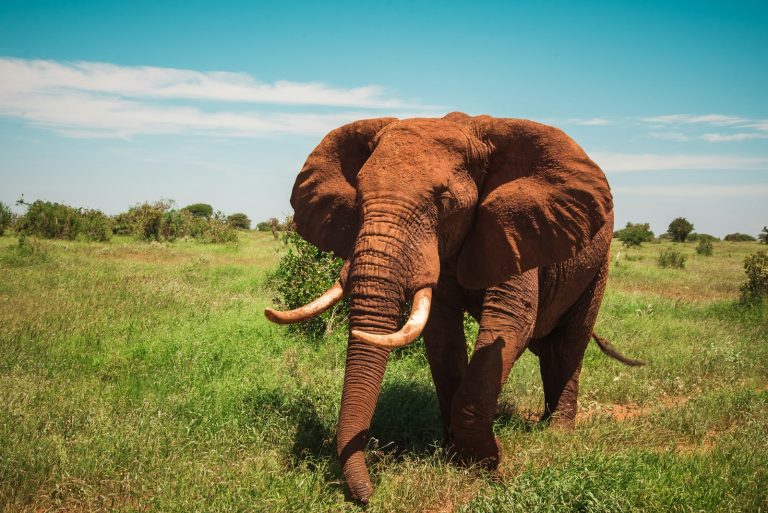
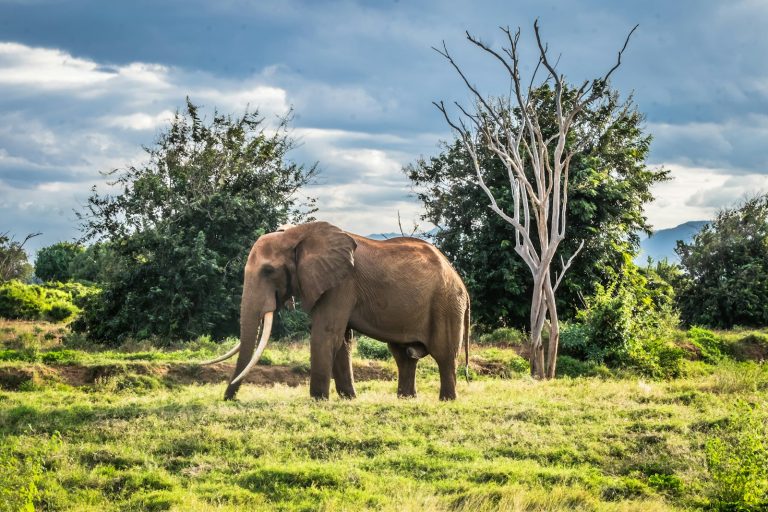
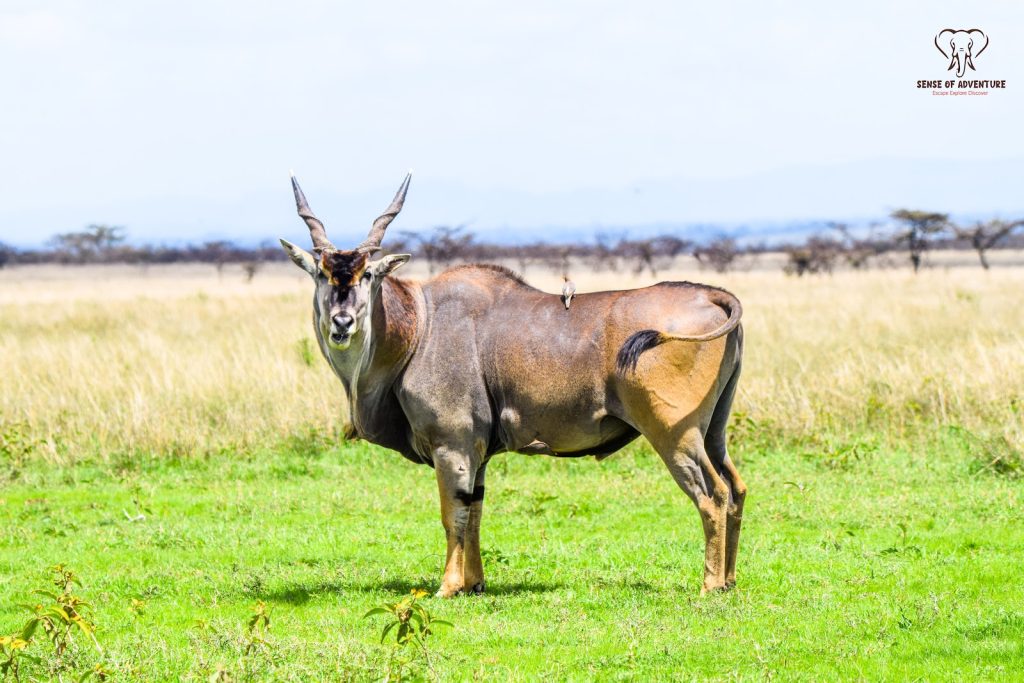
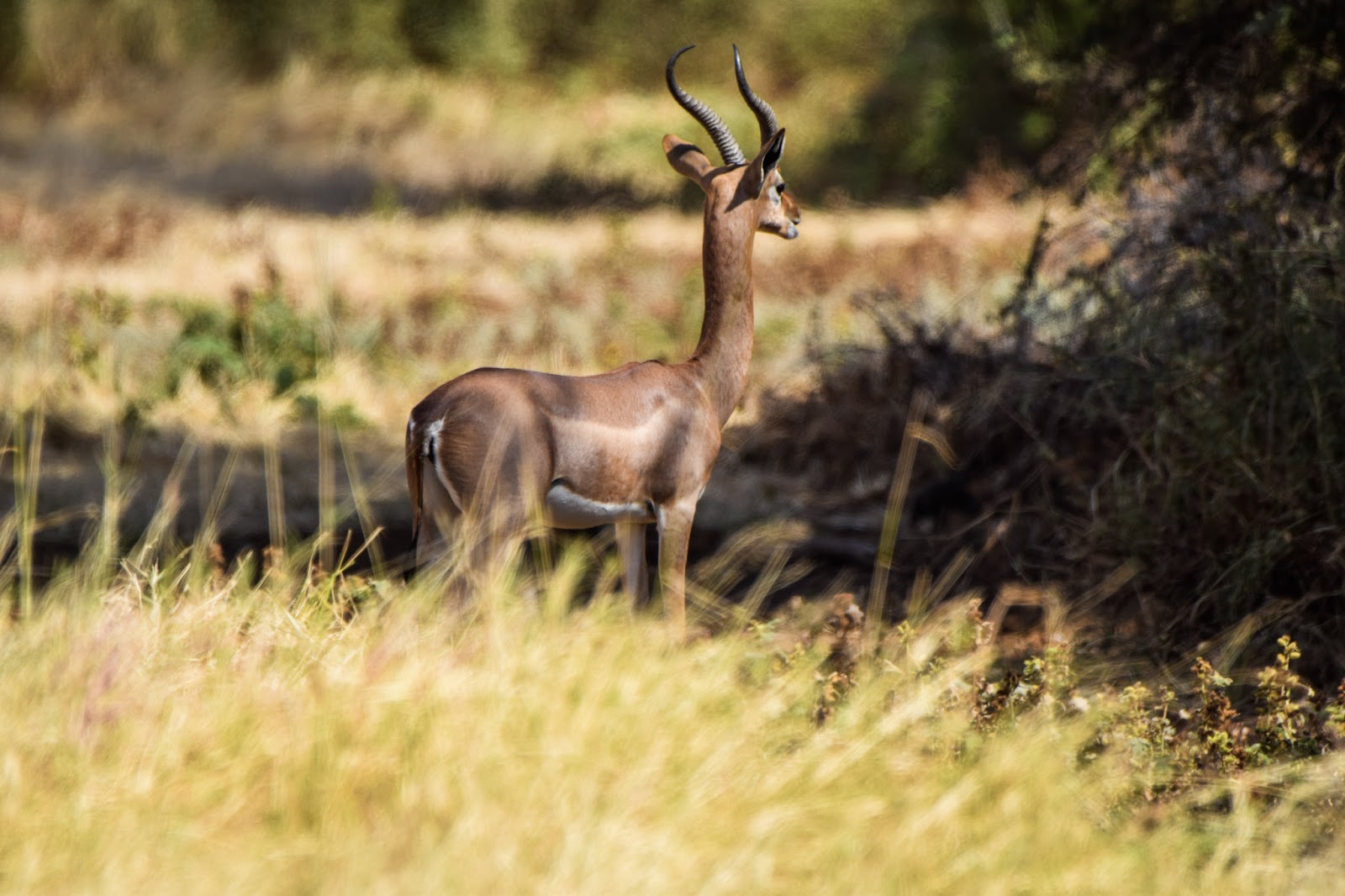
Tsavo West is not only about scenery. Elephants are widespread, often dusted red from the soil, and buffalo, Maasai giraffe, zebra, eland, lesser kudu and gerenuk live in the bush and on the plains. Lions and leopards are present but harder to find than in the Masai Mara, because the cover is thick and the park is huge. Cheetahs, striped hyenas and caracals are seen now and then on the more open ground.
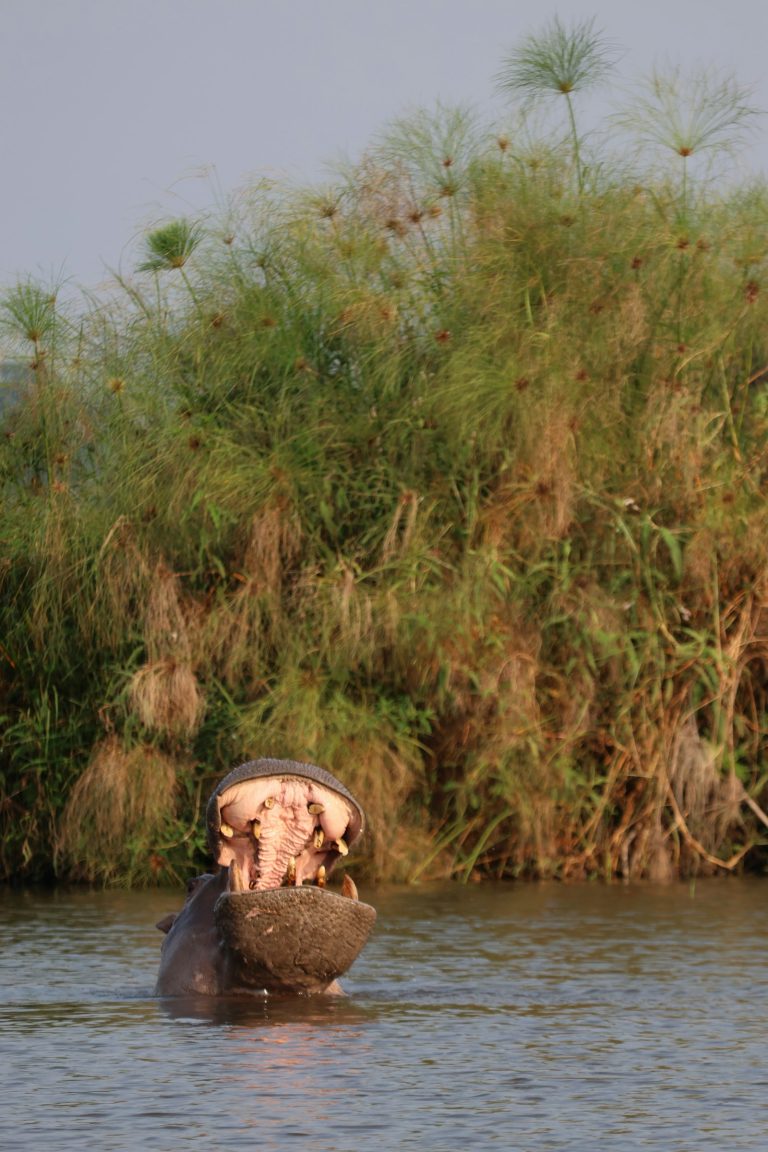
The springs and rivers add their own cast. Mzima Springs is the classic place for hippos and Nile crocodiles, and its fever trees and palms attract vervet monkeys, kingfishers and African fish eagles. Lake Jipe holds hippos and a long list of waterbirds, from African jacanas to purple herons.
Birding is excellent all year, with more than 500 species recorded across greater Tsavo. Look for hornbills, sunbirds, golden-breasted starlings and the colourful lilac-breasted roller. For a fuller list, see our guide to the birds of Tsavo.
Tips for better sightings
Ask your guide to spend the first and last hours of the day on game drives, when animals are most active, and leave the sightseeing stops for the hotter middle of the day. Waterholes near the lodges, such as the one at Kilaguni, are worth watching at dusk. Binoculars make a big difference in Tsavo West, where wildlife is often spread out across hillsides rather than gathered on open plains.
Tsavo West Facts
- Scale: Tsavo West covers 9,065 km², smaller and hillier than its sister park Tsavo East.
- Volcanic history: the Shetani lava flow and Chaimu crater are both relatively recent volcanic features, geologically young by African standards.
- Mzima Springs: produces an estimated 250 million litres of lava-filtered water daily, supporting hippos, crocodiles and an underwater viewing hide.
- Rhino recovery: the fenced Ngulia Sanctuary protects one of Kenya’s more secure black rhino populations, rebuilt after severe 1970s-80s poaching losses.
- Border lake: Lake Jipe straddles the Kenya-Tanzania border and offers hippo and bird viewing away from the main tourist circuits.
- Bird migration: Ngulia is internationally recognised for a mass Palearctic bird “fallout” on misty nights late in the year.
- Access: Mtito Andei and Chyulu gates connect Tsavo West to the Nairobi-Mombasa highway and Amboseli, roughly 4-5 hours from Nairobi.
Combining Tsavo West With the Rest of Your Safari
Tsavo West pairs naturally with its eastern sister park on our 3-day Tsavo East & West safari — see our Tsavo East attractions guide for the other half of the story and Tsavo East vs Tsavo West if deciding which to prioritise. For the rhino story in more depth, read our dedicated Ngulia Rhino Sanctuary guide.
Kenya’s Most Underrated Landscape Is Waiting
Lava, craters and rhinos most itineraries skip entirely. Message us to add Tsavo West properly to your trip.
Frequently Asked Questions
What are the main Tsavo West attractions?
The main Tsavo West attractions are Mzima Springs with its underwater hippo hide, the black Shetani lava flow, the Chaimu crater climb, the Ngulia Rhino Sanctuary, Poacher’s Lookout and Lake Jipe on the Tanzanian border. One full day covers the northern sights; Lake Jipe needs extra time.
What is the Shetani lava flow in Tsavo West?
The Shetani lava flow is a field of black volcanic rock several kilometres long in Tsavo West National Park, believed to have erupted within the last few centuries. Shetani means “devil” in Swahili. It is still almost bare of plants, and you can view it from the road or walk a short way onto it with your guide.
Can you climb Chaimu crater in Tsavo West?
Yes. Chaimu crater is one of the few places in Tsavo West where you can leave the vehicle. The short, steep climb takes well under an hour there and back and rewards you with a panoramic view over the plains and lava fields, especially striking at sunrise or sunset.
What is the Ngulia Rhino Sanctuary?
The Ngulia Rhino Sanctuary is a fenced, intensively protected part of Tsavo West where Kenya Wildlife Service has rebuilt a black rhino population after the heavy poaching of the 1970s and 1980s. The bush is thick, so sightings are not guaranteed, but waterholes inside give you a fair chance.
Is Lake Jipe worth visiting in Tsavo West?
Yes, if you have time. Lake Jipe, on the Kenya-Tanzania border in Tsavo West’s quiet south-west, offers hippos, strong birdlife and views towards Kilimanjaro. It is a long drive from the northern lodges, so plan most of a day, but you will often have the lake almost to yourself.
How many days do you need for Tsavo West?
One full day covers Tsavo West’s core sites: Mzima Springs, the Shetani lava flow, Chaimu crater and a game drive. Two days let you add the Ngulia Rhino Sanctuary and a detour to Lake Jipe without rushing, and three days allow you to combine the park with Tsavo East.