
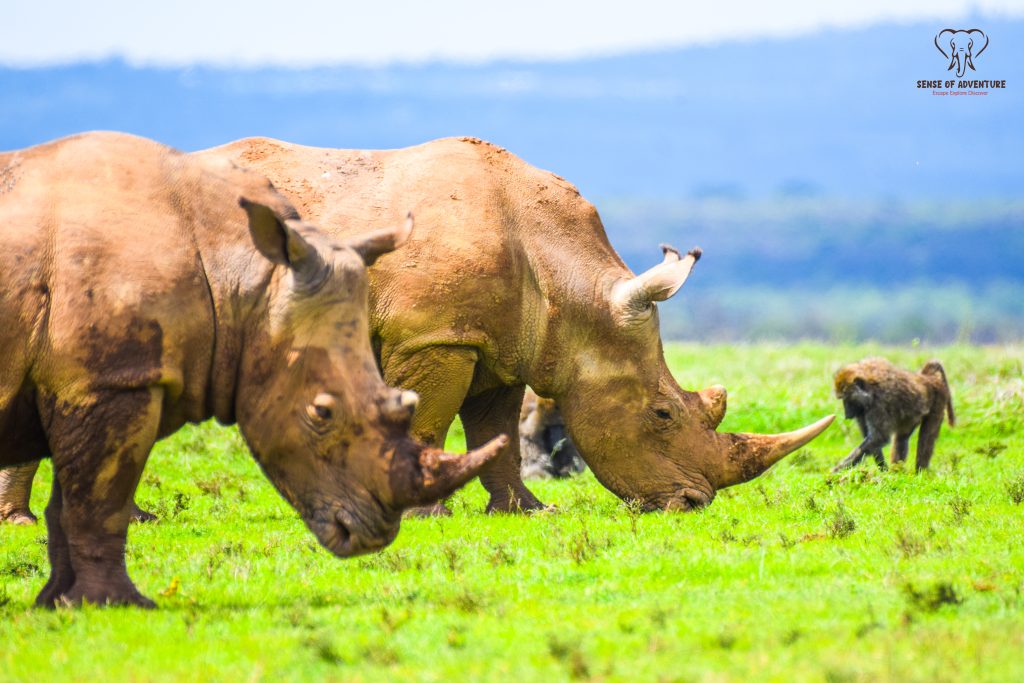
The best parks for photography in Kenya are not automatically the same parks with the most animals — a photographer needs light, backdrop and behaviour to line up, not just a species checklist. Amboseli delivers the single most photographed elephant-and-Kilimanjaro composition in Africa. The Masai Mara offers predator behaviour and action sequences few other reserves can match. Nairobi National Park adds something no other park on Earth can: genuinely wild lions with a city skyline behind them. Picture timing a dawn game drive specifically for the light, rather than just hoping for a sighting. Sense of Adventure builds photography-led itineraries around exactly this kind of planning.
Plan a Trip Around the Light, Not Just the Species
Message us your photography priorities and we’ll build the route and timing around them.
Why the Best Photography Parks Aren’t Always the Busiest Ones
Amboseli’s flat, sparse terrain and reliably clear Kilimanjaro backdrop make it the most consistently photographed single composition in African wildlife photography — elephant herds silhouetted against Africa’s tallest peak, best captured at dawn or dusk when cloud cover typically lifts from the summit. The Masai Mara offers the opposite strength: genuine behavioural photography, driven by predator density (roughly 80 tracked cheetahs across the ecosystem alone) and the seasonal drama of the Great Migration’s river crossings between July and October. Nairobi National Park adds a composition no other park anywhere can offer — resident, genuinely wild lions photographed with Nairobi’s skyline in the same frame, all within a 20-minute drive of the airport. Samburu rounds out the list with species most photographers haven’t already shot elsewhere: Grevy’s zebra, reticulated giraffe and gerenuk against a drier, more textured northern Kenya landscape.
Our guide timed the whole Amboseli morning around when Kilimanjaro usually clears of cloud, not just when the elephants tend to move — that one piece of local knowledge is the difference between the postcard shot and a flat grey mountain in the background.
— Sense of Adventure guest, Amboseli photographic safari
The 4 Best Parks for Photography in Kenya
Amboseli — The Kilimanjaro Backdrop Shot — Africa’s most consistently photographed elephant composition
Amboseli’s flat plains and reliable dawn/dusk Kilimanjaro clarity make it the single best park in Africa for the classic elephant-against-the-mountain photograph. See our Amboseli lodges & camps guide and book our Amboseli Elephant Photographic Safari.
Masai Mara — Predator Action and Migration Drama — 80+ tracked cheetahs, plus seasonal river crossings
The Mara’s predator density delivers genuine action photography — hunts, chases and, between July and October, the chaos of Great Migration river crossings. See our Masai Mara photography guide and book our Big Cats Photographic Safari or Great Migration Photographic Safari.
Nairobi National Park — Wild Lions, City Skyline — a composition that exists nowhere else on Earth
Genuinely wild resident lion prides photographed against Nairobi’s skyline, all reachable in a 20-minute drive from the airport — a shot no other park in the world can offer. See our Nairobi National Park photography guide.
Samburu — Species Most Photographers Haven’t Shot Yet — Grevy’s zebra, reticulated giraffe and gerenuk
Samburu’s drier, more textured northern terrain and its “Special Five” species give photographers subjects and backdrops genuinely different from the standard Mara or Amboseli portfolio.
Time Your Trip Around Golden Hour, Not Just Dates
Message us to build a photography-led itinerary with the right light windows built in.
Kenya Photography Facts
- Best Kilimanjaro light: dawn and dusk at Amboseli, when cloud cover typically clears from the peak.
- Mara predator density: roughly 80 tracked cheetahs across the greater ecosystem, among the best odds for action photography in Africa.
- Migration river crossings: best photographed July through October at the Mara/Talek river crossing points.
- Nairobi National Park: the only place on Earth to photograph genuinely wild lions against a major city skyline.
- Samburu specialty species: Grevy’s zebra, reticulated giraffe and gerenuk — Kenya’s “Special Five”.
- Recommended lens range: 200-600mm telephoto covers the majority of wildlife photography situations across all four parks.
Building a Photography-Led Kenya Safari
Read our general safari photography tips guide for equipment and technique advice that applies across every park on this list. Our Photographic Safari — Masai Mara is built specifically around photographer timing and vehicle positioning.
Photography-Led Itineraries, Not Standard Game Drives
Message us to plan a trip timed around light, action and backdrop.
Frequently Asked Questions
What is the best national park in Kenya for wildlife photography?
Amboseli is best for the classic elephant-and-Kilimanjaro composition, while the Masai Mara is best for predator action and migration photography — most serious photography itineraries combine both rather than choosing one.
Can you photograph wild lions with a city skyline in Kenya?
Yes — Nairobi National Park is the only place in the world where genuinely wild, resident lion prides can be photographed with a major city skyline in the same frame, and it sits within a 20-minute drive of the airport.
What is the best time of day for safari photography in Kenya?
Early morning and late afternoon (the “golden hour” windows) provide the best lighting across every Kenyan park, and at Amboseli specifically, dawn and dusk are also when Mount Kilimanjaro is most likely to be visible without cloud cover.
What camera lens is best for Kenya safari photography?
A telephoto lens in the 200-600mm range covers most Kenya wildlife photography situations, from tight portrait shots of predators to wider herd and landscape compositions.
When is the best time to photograph the Great Migration river crossings?
July through October offers the best chance of photographing dramatic Great Migration river crossings in the Masai Mara, though crossings depend on herd movement and weather and cannot be guaranteed on any specific date.