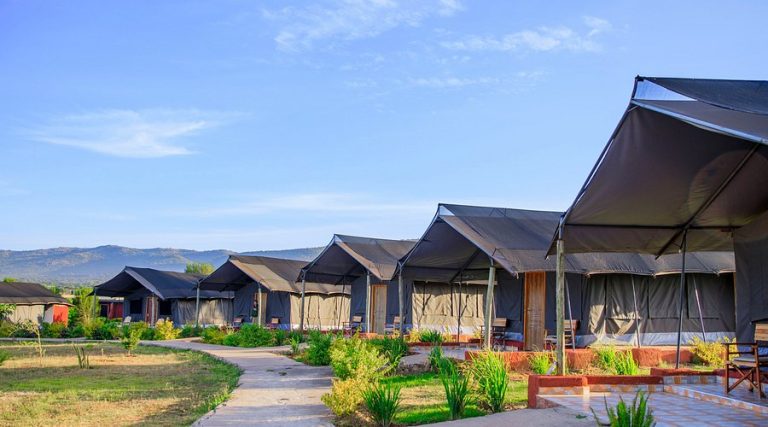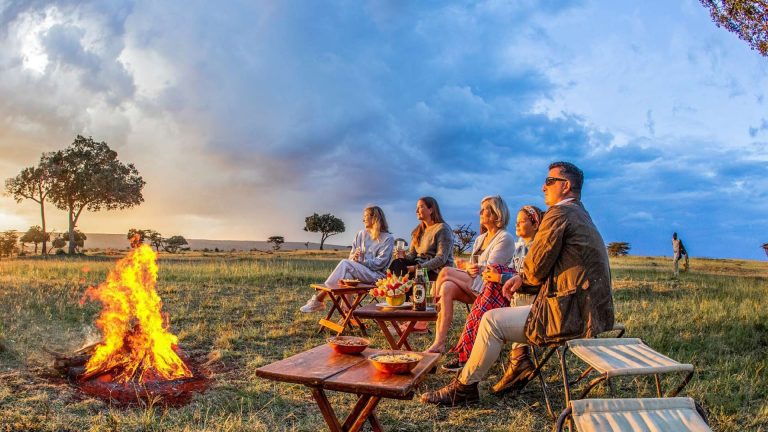

Green season safari travel, roughly November through May in Kenya, gets dismissed too quickly by travelers chasing the classic July-October dry-season photo, when it actually solves several real problems the dry season creates. Rates drop by 20-40% at many camps, crowds thin out dramatically, and newborn wildlife floods the plains during the calving months. The trade-off is real too, afternoon showers, muddier tracks, and lusher grass that can hide smaller animals. You watch a thunderstorm roll across the plains from a covered veranda, rain drumming on canvas, then step out an hour later into golden light and a rainbow over fresh green grass. Sense of Adventure books green-season trips deliberately for travelers who want value and newborn wildlife over guaranteed bone-dry conditions.
Curious If Green Season Fits Your Trip?
Tell us your travel window and we will explain exactly what to expect, rates included.
What Green Season Safari Really Means in Kenya
Kenya’s rains split into two windows, the long rains from roughly March to May and the shorter, lighter rains in November and December, with the dry-season peak running July through October in between. Rain during either window is usually a concentrated afternoon downpour lasting 1-2 hours rather than an all-day washout, leaving mornings and evenings, prime game-drive time, largely clear, while camp rates drop 20-40% below peak dry-season pricing across the same period.

We almost rebooked for July because everyone told us green season was a gamble. Our January trip had one rainy afternoon in five days, the rest was blue skies with the greenest plains I have ever seen, and we watched newborn wildebeest calves everywhere. It also cost us almost a third less.
— Sense of Adventure guest, Masai Mara green season safari
5 Trade-Offs to Weigh Before Booking Green Season
Pro: rates drop and camps feel emptier
Camps cut rates by 20-40% and vehicle-to-sighting ratios drop sharply, since most travelers still default to the July-October window. You get more space at a sighting, quieter dining rooms, and meaningfully more safari for the same budget.
Pro: newborn wildlife everywhere in Jan-Feb
January and February bring peak wildebeest calving in the southern Serengeti-Mara ecosystem, with an estimated 8,000 calves born daily during the peak, drawing predators into dramatic, easily witnessed hunts. This concentration of newborn wildlife simply does not exist in the dry season.
Con: muddier tracks and possible transfer delays
Heavy rain, particularly during the long-rains window in April and May, can turn dirt tracks to mud and occasionally delay road transfers between camps. Fly-in transfers largely sidestep this, which is why many operators lean harder on light-aircraft routing during this window.
Con: taller grass can hide smaller wildlife
Lush post-rain grass, while photogenic, can obscure smaller cats, cubs and ground-level animals more than dry-season’s short, grazed-down grass. Big Five sightings still happen reliably, but a leopard resting low in tall grass is genuinely harder to spot in April than in August.
The best middle ground: November’s short rains
November’s short rains are lighter and shorter than the March-May long rains, often just a brief afternoon shower, while still delivering lower rates, fresh green landscapes and thinner crowds. Many repeat safari travelers specifically target November as the best-value compromise month.
Book Green Season and Save 20-40% Per Camp Night
Message us your dates and we will build a value-focused itinerary around the calving or short-rains window.
Quick Facts: Kenya Green Season Safari
- Two rain windows: long rains March-May, short rains November-December.
- Typical rate saving: 20-40% below dry-season peak pricing at most camps.
- Calving peak: January-February, roughly 8,000 wildebeest calves born daily at the height.
- Daily rain pattern: usually a 1-2 hour afternoon shower, mornings and evenings stay clear.
- Best compromise month: November, lighter rains than March-May with the same rate savings.
- Fly-in advantage: light-aircraft transfers bypass most mud-related road delays entirely.
Deciding Between Green Season and Peak Dry Season
Green season pairs particularly well with a great-migration-adjacent trip; browse our Great Migration safari packages to see calving-season-specific itineraries, or compare timing directly on our Masai Mara best time to visit guide. Budget-focused travelers often find green season pairs naturally with our full safari packages for maximum value per day.
Let’s Match the Season to What You Actually Want
Newborn wildlife and lower rates, or guaranteed dry trails — message us and we will recommend honestly.
Frequently Asked Questions
Is green season a good time to go on safari?
Green season is a genuinely good time to go on safari for travelers prioritizing value and newborn wildlife, offering rates 20-40% below dry-season peak, thinner crowds, and, in January-February, the wildebeest calving season, though it does bring occasional afternoon rain and muddier tracks.
Does it rain all day during Kenya’s green season?
No, it does not rain all day during Kenya’s green season; rain typically falls as a concentrated afternoon shower lasting 1-2 hours, leaving mornings and evenings, prime game-drive time, largely clear and dry across most of the rainy months.
When is Kenya’s green season?
Kenya’s green season splits into two windows, the long rains from roughly March to May and the shorter, lighter short rains in November and December, with the dry-season peak running July through October in between.
Will I still see the Big Five during green season?
Yes, Big Five sightings remain reliable during green season, though taller post-rain grass can occasionally make smaller cats and cubs harder to spot at ground level compared to the short, grazed-down grass of peak dry season.
Which is the best green season month to visit?
November is often considered the best green season month to visit, since its short rains are lighter and briefer than the March-May long rains while still delivering the same 20-40% rate savings and noticeably thinner crowds.