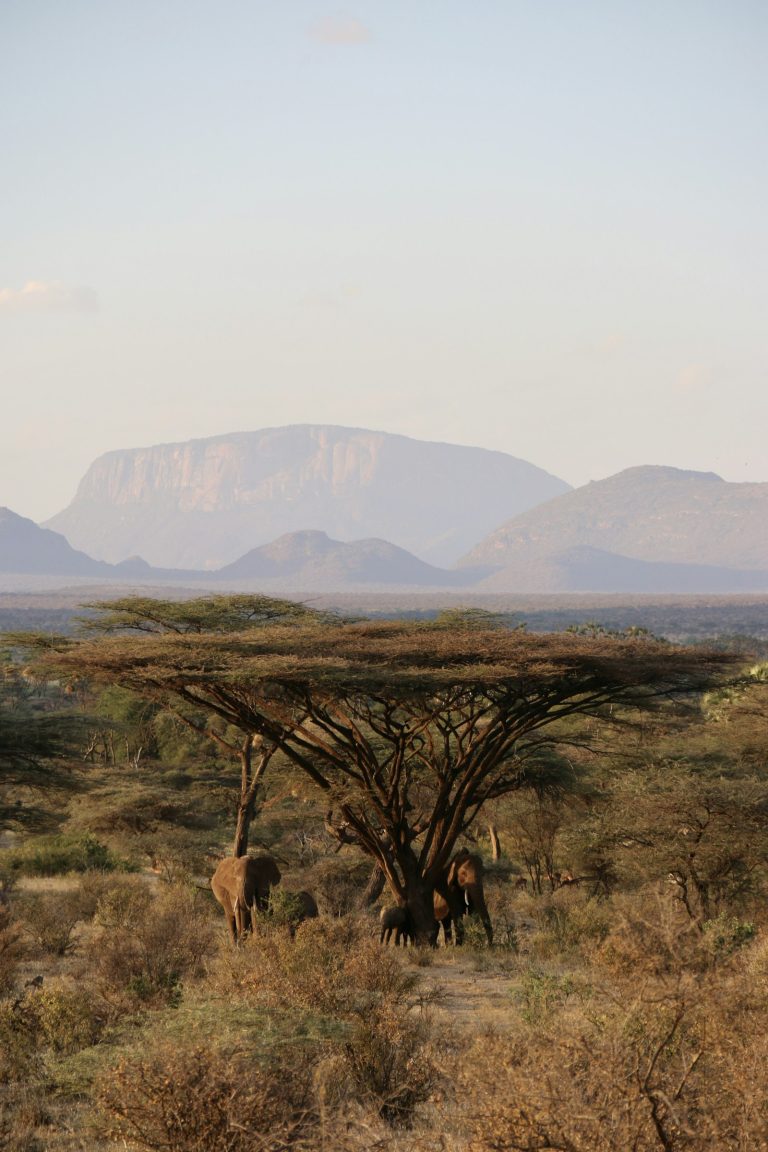
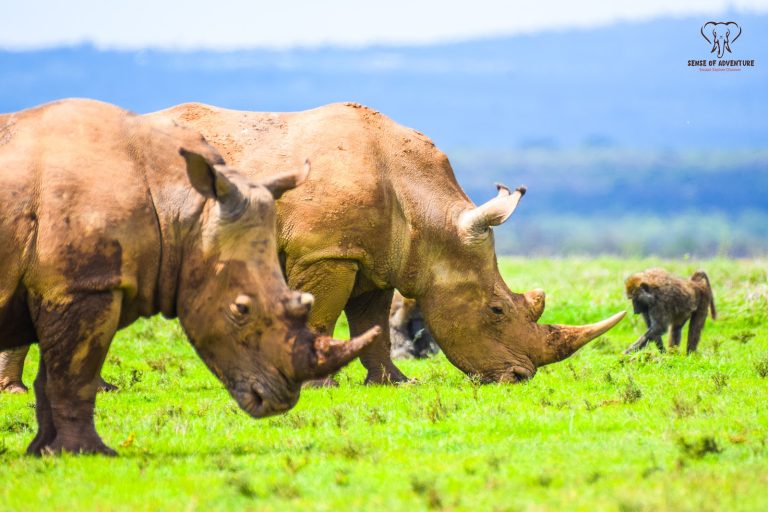
The grass is still silver with dew when your guide cuts the engine. Thirty metres away, a black rhino and her calf lift their heads, ears swivelling, while the snows of Mount Kenya catch the first pink light behind them. Nobody else is here. Just you, your guide and two of the rarest animals on earth.
Lewa Wildlife Conservancy lodges are five small, owner-run or boutique properties inside a 62,000-acre rhino sanctuary at the foot of Mount Kenya. They are Lewa Wilderness, Elewana Lewa Safari Camp, Elewana Kifaru House, Sirikoi Lodge and Lewa House. Expect rhinos, Grevy’s zebra, horse and camel rides, walks and private drives.
Sense of Adventure is a Nairobi-based safari company at Mountain Mall on Thika Road, licensed by Kenya’s Tourism Regulatory Authority (TRA1/47/C01/77087). We plan tailor-made luxury Kenya safaris across Laikipia and the north. This guide compares the Lewa Wildlife Conservancy lodges, shows how your stay funds rhino protection and local schools and clinics, and explains how to pair Lewa with Samburu, Ol Pejeta or the Mara.

✅ Lewa Wildlife Conservancy Lodges: The Quick Answer
- Top pick overall: Lewa Wilderness, a family-run lodge with nine cottages, horses, camels and a vintage biplane.
- Best for couples: Elewana Kifaru House, five thatched cottages with an infinity pool over the plains.
- Best for families: Sirikoi Lodge, with tents, a two-bedroom cottage and a private house on a spring-fed stream.
- Best value luxury: Elewana Lewa Safari Camp, 11 tents and two family suites, with published 2026 rates.
- Best time to go: late June to October and January to March, the dry months.
🌍 Dreaming of Lewa?
Tell us your dates and we will match you with the Lewa Wildlife Conservancy lodges that suit your group, style and budget. 💬 WhatsApp Us Now or call +254 799 160 081
Why Choose Lewa Wildlife Conservancy Lodges?
Lewa Wildlife Conservancy lodges give you some of the best rhino viewing in Africa, Mount Kenya views and activities you cannot do in a national park.
Lewa is a not-for-profit conservancy of about 62,000 acres, and it forms part of the Mount Kenya UNESCO World Heritage Site. It is home to roughly 14% of Kenya’s rhinos, as well as elephants, lions, leopards, reticulated giraffe and one of the most important populations of endangered Grevy’s zebra.
Because the land is private, guest numbers are low and activities are flexible. You can walk with an armed guide, ride horses or camels among zebra, go out after dark and take a scenic flight over the plains.
The honest trade-off: Lewa is not cheap, and conservation fees are added to your lodge rate. If you are weighing it against its neighbours, our Borana Conservancy guide and first-hand Lewa safari experience will help.
The 5 Best Lewa Wildlife Conservancy Lodges
These are the Lewa Wildlife Conservancy lodges we recommend most often, with facts checked on each lodge’s official website and Lewa’s own lodge list in November 2026.
1. Lewa Wilderness: The Most Personal of the Lewa Luxury Camps
Why we love it: Lewa Wilderness is an owner-run lodge with nine rooms: six hillside cottages above the Eastern Marania Valley and three family-friendly garden cottages. Of all the Lewa Wildlife Conservancy lodges, it is known for doing safari every way: walking, riding, flying, driving and camping.
Best for: families, riders, celebration groups and repeat safari-goers. The moment you’ll remember: a scenic flight in the lodge’s classic yellow WACO biplane, looking down on rhinos and the Mount Kenya foothills.
Practical facts: game drives, one of them in a Land Cruiser converted to electric, guided walks, horse riding for all ages and abilities, camel rides and fly camping. Its sister company Air Wilderness offers scenic flights and charters to and from Lewa. Message us for current rates. Trade-off: it has the feel of a family home rather than a polished hotel, which is exactly why guests love it.
2. Elewana Lewa Safari Camp: The Best-Value Lewa Accommodation
Why we love it: Lewa Safari Camp, run by Elewana Collection, has 11 thatch-covered en-suite tents with verandahs plus two family suites, each made of two tents joined by a shared sitting area. It is the easiest of the Lewa Wildlife Conservancy lodges to book for first-timers and families.
Best for: first-timers, families and value-minded luxury travellers. The moment you’ll remember: a bush sundowner as rhinos graze on the plains below.
Practical facts: published rates start from about USD 307 per person per night full board in the April–May green season, or about USD 507 on the game package, rising to about USD 924 in high season (2026, varies by season, conservancy fees extra). Horse and camel rides are for ages 12 and over. Trade-off: it is the largest camp on Lewa, so it feels busier than the private houses.
3. Elewana Kifaru House: Lewa Wildlife Conservancy Lodges at Their Most Exclusive
Why we love it: Kifaru House is a luxury bush home with five thatched cottages and an infinity pool looking over the distant plains. Kifaru means rhino in Swahili, and of the Lewa Wildlife Conservancy lodges it has the most exclusive feel.
Best for: honeymooners, couples, small groups and seniors who want comfort. The moment you’ll remember: a night game drive, when your spotlight picks out the eyes of an aardwolf or a leopard on the move.
Practical facts: the game package includes twice-daily shared drives, a two-hour walk, a night drive, a bush breakfast or lunch, a sundowner and a behind-the-scenes tour of Lewa’s headquarters. Published rates start from about USD 804 per person per night in the green season, rising to about USD 1,332 in high season (2026, varies by season). Ngare Ndare forest visits, Il Ngwesi boma visits and horse or camel rides cost extra.
4. Sirikoi Lodge: A Family Favourite on a Spring-Fed Stream
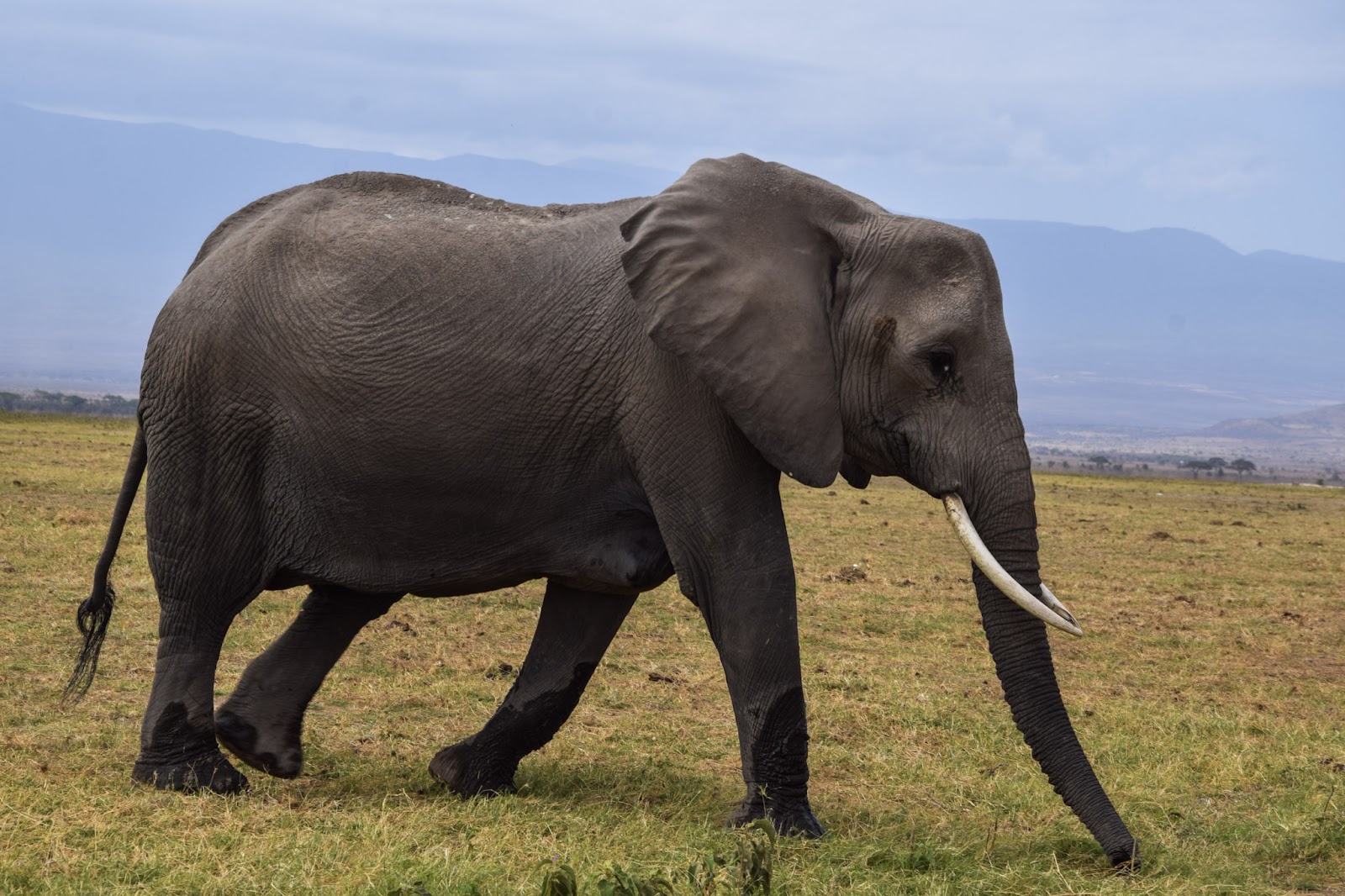
Why we love it: Sirikoi is a small, family-owned lodge on the Mount Kenya foothills inside Lewa, beside the spring-fed Sirikoi stream. Among Lewa Wildlife Conservancy lodges it is the family favourite, with four luxury tents with private decks, the two-bedroom Sirikoi Cottage and the private Sirikoi House.
Best for: families, multigenerational groups and food lovers. The moment you’ll remember: breakfast on the deck while giraffes and elephants come down to drink from the stream.
Practical facts: the lodge offers safari drives, wildlife encounters, cultural and conservation visits and farm-to-table dining from its own garden. The cottage and house suit families who want their own space. Message us for current rates. Trade-off: with so few rooms, it is often booked well ahead.
5. Lewa House: Cottages, Earthpods and a Waterhole Pool
Why we love it: Lewa House is a small, owner-run lodge in the heart of Lewa, with a thatched main house, cedar cottages that sleep four and four earthpods for two. At this, the most relaxed of the Lewa Wildlife Conservancy lodges, the pool overlooks a waterhole that draws some of the best game viewing on the conservancy.
Best for: families with young children, active couples and walkers. The moment you’ll remember: a full-day walk across the conservancy, then a swim as elephants arrive at the waterhole.
Practical facts: guided walks from a few hours to a full day, horse riding on horses trained for beginners, camel rides, game drives, helicopter trips to Mount Kenya valleys or Lake Turkana, and Ngare Ndare forest walks. Lewa House says it has no age limit for children. Message us for current rates. Trade-off: the style is rustic-chic rather than glossy.
Lewa Wildlife Conservancy Lodges Compared
This table compares the Lewa Wildlife Conservancy lodges at a glance, so you can see which one fits your trip.
| Lodge | Setting | Style and size | Best for | Signature experience | Price band |
|---|---|---|---|---|---|
| Lewa Wilderness | Eastern Marania Valley | 9 cottages, family-run | Families, riders | Biplane flights, horses | $$$$$ |
| Lewa Safari Camp | Central plains | 11 tents + 2 family suites | First-timers, families | Sundowners with rhinos | $$$$ (from about USD 307) |
| Kifaru House | Hillside above the plains | 5 thatched cottages, pool | Couples, small groups | Night drives, infinity pool | $$$$$ (from about USD 804) |
| Sirikoi Lodge | Sirikoi stream, foothills | 4 tents, cottage, house | Families, groups | Wildlife at the stream | $$$$$ |
| Lewa House | Heart of Lewa | Cottages and earthpods | Families, walkers | Waterhole pool, long walks | $$$$ |
📅 Check Availability at These Lodges
The Lewa Wildlife Conservancy lodges are all small, so July to October and Christmas fill early. ✉ Send Us Your Dates on WhatsApp
The People Behind the Stay
Lewa Wildlife Conservancy lodges are part of a model in which tourism helps fund rhino protection, schools and clinics for the communities around the conservancy.
Lewa is a not-for-profit organisation. Its own figures show its education programme reaches about 9,180 children a year, more than 2,160 women have joined its micro-enterprise programme, and four Lewa-supported clinics serve about 37,490 patients a year.
The rangers who guard the rhinos around Lewa Wildlife Conservancy lodges work around the clock, and the Kenyan guides who drive and walk with you know every valley and waterhole. At Lewa Safari Camp and Kifaru House, the game package includes a behind-the-scenes visit to Lewa’s headquarters, where you can see how the protection work is run.
Nearby, the community-owned Il Ngwesi lodge and boma show how conservation pays local people directly. For more on responsible stays, read our guide to eco lodges and sustainable safari camps.
Expert tip from our Nairobi team: at Lewa Wildlife Conservancy lodges, ask for the headquarters tour or a school visit early in your stay. It changes how you see every rhino you meet afterwards.
A Lewa Rhino Safari: What to Expect
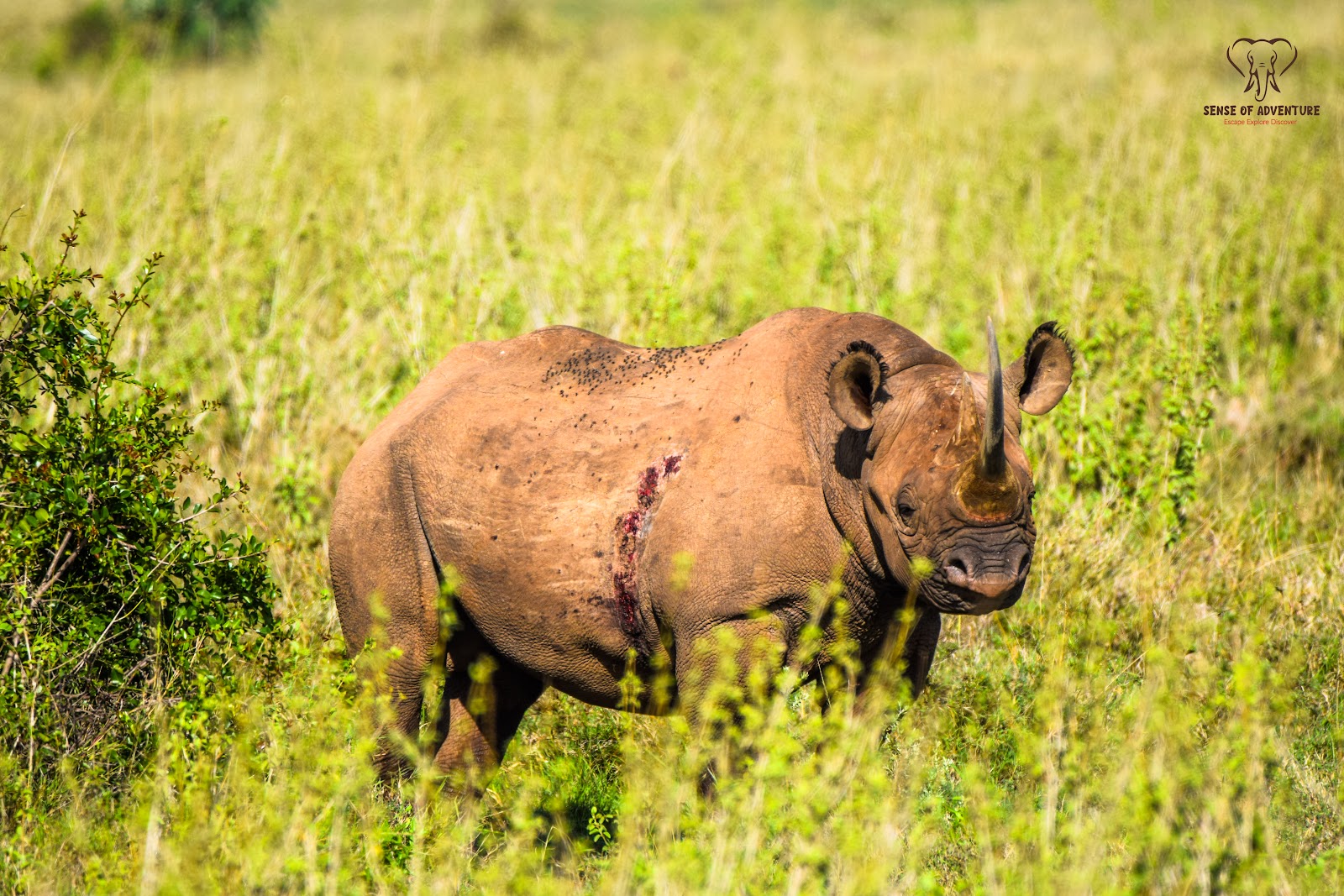
On a Lewa rhino safari you usually see both black and white rhinos on drives, and you can also look for them on guided walks.
From any of the Lewa Wildlife Conservancy lodges, white rhinos are easy to watch as they graze in the open. Black rhinos are shyer browsers that stay in thicker bush, so patience and a good guide matter. Keep voices low, stay in the vehicle unless your guide says otherwise, and never use flash.
If you want to compare, our Ol Pejeta day trip guide covers the last northern white rhinos, and our Sera Rhino Sanctuary guide explains rhino tracking on foot in Samburu country.
Choosing Lewa Wildlife Conservancy Lodges by Traveller Type
The right choice among the Lewa Wildlife Conservancy lodges depends on who is travelling and what you want to do each day.
- Honeymooners: Kifaru House. See our best honeymoon lodges in Kenya.
- Families: Sirikoi, Lewa House or the family suites at Lewa Safari Camp. Check our safari minimum age guide.
- Riders: Lewa Wilderness or Lewa House. Read our horseback safari in Kenya guide.
- Photographers: Kifaru House for night drives, and any lodge for rhinos against Mount Kenya.
- First-timers: Lewa Safari Camp, with its game package and published rates.
- Seniors: Kifaru House, for its comfort, private cottages and included activities.
Not sure whether you prefer canvas or stone? Our guide to tented camp vs lodge explains the difference.
How We’d Plan It: 5 Nights in Lewa and Samburu
Five nights works well: three at Lewa Wildlife Conservancy lodges for rhinos and riding, then two in Samburu or a northern conservancy for the Special Five.
- Day 1: fly from Nairobi’s Wilson Airport to Lewa airstrip and settle in for an afternoon drive.
- Day 2: an early rhino drive, then a horse or camel ride and a bush sundowner.
- Day 3: a long guided walk or a visit to Ngare Ndare Forest, then a night drive.
- Day 4: fly or drive north to Samburu or Kalama for elephants and Grevy’s zebra.
- Day 5: fly on to the Masai Mara or back to Nairobi.
For ready-made ideas, see our Laikipia and Masai Mara Walking Safari (7 days) and the Multigenerational Family Fly-in Safari – Laikipia and Masai Mara (7 days). Ask us for current prices.
We can build any of these Lewa Wildlife Conservancy lodges into a tailor-made private Kenya safari, subject to availability. To extend north, read our guide to the northern Kenya conservancy lodges and the Mathews Range luxury camps.
Best Time to Visit Lewa Wildlife Conservancy Lodges
The best time to visit Lewa Wildlife Conservancy lodges is late June to October and January to March, when it is dry, grass is short and rhinos are easy to see.
- January–March: warm and dry, with clear Mount Kenya views and green-season-to-mid-season prices.
- April–May: the long rains; the lowest published rates and lush scenery, but some tracks get muddy.
- June: cool and drying out, still mid-season prices.
- July–October: peak dry season and high-season rates; superb game.
- November–December: short rains, then festive high season from 20 December.
At about 5,500 feet, Lewa is mild all year, with cool mornings and evenings. See our Kenya weather by month guide for more detail.
Getting There and Lewa Conservancy Fees
Most guests reach Lewa Wildlife Conservancy lodges by flying from Wilson Airport to Lewa airstrip on a scheduled light aircraft, while the drive from Nairobi via Nanyuki takes about five hours.
Scheduled flights take soft bags within strict weight limits, usually 15 kg, so read our safari luggage weight limits guide. If you prefer the road, see our Kenya safari from Nairobi guide.
Lewa charges a nightly conservation fee per person, paid through your lodge, and Elewana’s published rates exclude it. The amount changes from time to time, so message us for the current figure. Our guides to conservancy fees in Kenya and 2026 park fees explain how these fees work.
What Is Included and What to Pack
Most Lewa Wildlife Conservancy lodges quote full board or a game package, while conservation fees, flights, premium drinks and some rides cost extra.
At Lewa Safari Camp, full board covers meals, house drinks and laundry, and the game package adds shared drives and airstrip transfers. Our guide to full board vs all-inclusive safari explains the terms.
What to Pack for Lewa
- Layers: mornings and nights are cool at this altitude, so bring a fleece and a light jacket.
- Long trousers and closed shoes for walks and riding.
- A wide-brimmed hat, sunglasses and high-factor sunscreen.
- Binoculars and a camera with a zoom lens for rhinos at a distance.
- A soft duffel bag within the light-aircraft limit for flights to Lewa Wildlife Conservancy lodges.
Expert tip from our Nairobi team: add emergency evacuation cover to your insurance, as Elewana lists it as excluded. Before you travel, check the latest UK Foreign Office advice for Kenya and browse Magical Kenya, the official tourism site.
Lewa Wildlife Conservancy Lodges FAQs
What is the best lodge on Lewa Wildlife Conservancy?
Lewa Wilderness is our top pick for its nine cottages, horses, camels and biplane flights. Kifaru House is best for couples, Sirikoi and Lewa House suit families, and Elewana Lewa Safari Camp offers the best value, with published 2026 rates from about USD 307 per person per night.
How much does it cost to stay on Lewa?
Lewa Safari Camp publishes 2026 rates from about USD 307 per person per night full board in the green season, up to about USD 924 on the high-season game package. Kifaru House runs from about USD 804 to 1,332. Lewa’s conservation fee is charged on top.
Can you see rhinos at Lewa?
Yes. Lewa is home to roughly 14 percent of Kenya’s rhinos, both black and white, and most guests see them on their first drives. White rhinos graze in the open, while black rhinos stay in thicker bush, so a patient guide makes a big difference.
How do you get to Lewa Wildlife Conservancy?
Most guests take a scheduled light aircraft from Nairobi’s Wilson Airport to Lewa airstrip, where lodges collect them. By road, the drive from Nairobi via Nanyuki takes about five hours. Bush flights usually allow 15 kg of luggage in a soft bag.
Is Lewa good for families with children?
Yes. Lewa House says it has no age limit, Sirikoi has a family cottage and house, Lewa Wilderness has family garden cottages, and Lewa Safari Camp has two family suites. Some activities have age limits, such as horse and camel rides at Lewa Safari Camp, which are for 12 and over.
What is the best time to visit Lewa?
Late June to October and January to March are best, when it is dry and rhinos are easy to see. April and May bring rain and the lowest published rates. Lewa sits at about 5,500 feet, so it stays mild all year with cool nights.
Is Lewa a UNESCO World Heritage Site?
Yes. Lewa Wildlife Conservancy forms part of the Mount Kenya UNESCO World Heritage Site, together with the neighbouring Ngare Ndare Forest, which links the mountain’s forests with the northern rangelands used by elephants.
🏕 Plan Your Luxury Safari With Sense of Adventure
Kenya-based experts. Real local knowledge. Transparent pricing. Tell us which of these Lewa Wildlife Conservancy lodges caught your eye, and we will plan the rest of your safari around it. 💬 WhatsApp Us — Start Planning Today
Call or WhatsApp: +254 799 160 081 · Email: info@senseofadventure.co.ke
Related Safari Guides
- › Lewa Wildlife Conservancy Safari Experience
- › Borana Conservancy Guide
- › Northern Kenya Conservancy Lodges
- › Mathews Range Luxury Camps
- › Horseback Safari in Kenya
Official travel & park resource: Kenya Wildlife Service ↗ · Lewa Wildlife Conservancy ↗