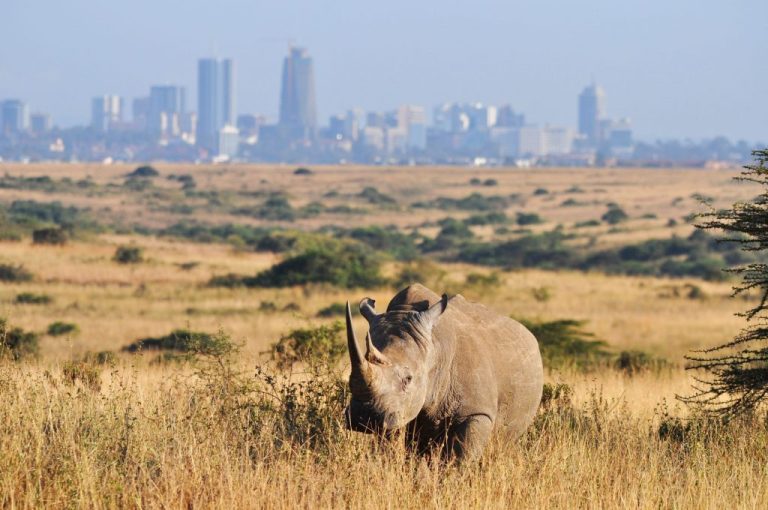

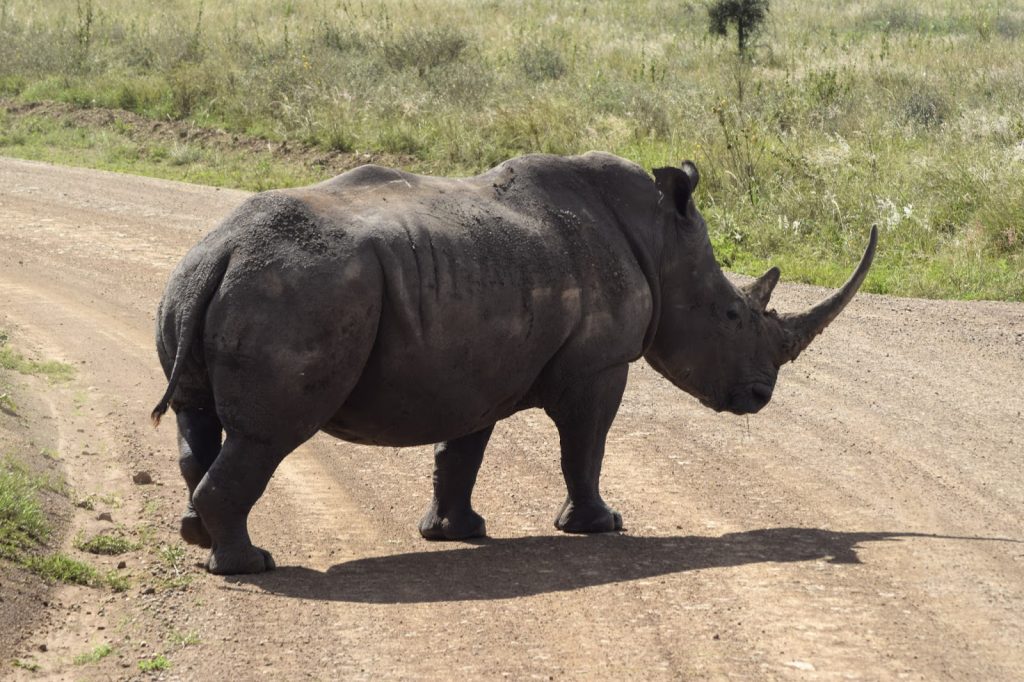
Tsavo rhinos tell one of Kenya’s hardest conservation stories with one of its most hopeful endings. Through the 1970s and 80s, Tsavo lost the vast majority of its black rhino population to a poaching crisis so severe it remains a case study in conservation failure and recovery alike — herds that once numbered in the thousands were reduced to a scattered, critically endangered remnant within a single devastating decade. The response, decades in the making, was the fenced Ngulia Rhino Sanctuary inside Tsavo West: a secure, intensively guarded enclosure where survivors and reintroduced founders could breed without the constant threat that had nearly ended the species locally. Today Ngulia protects a genuine, growing population, and a visit here carries real emotional weight beyond the simple pleasure of seeing a large animal — you are watching an active recovery in progress. Sense of Adventure treats every Ngulia rhino sighting as a story worth telling properly, not just a box to tick.
Witness Kenya’s Rhino Recovery in Progress
Ngulia’s fenced sanctuary offers Tsavo’s most reliable rhino sightings. Ask us to build it into your safari.
How Tsavo Lost Its Rhinos — and How Ngulia Is Bringing Them Back
Tsavo once held one of Africa’s largest black rhino populations, a stronghold of many thousands roaming its vast, then largely unfenced wilderness. Organised poaching for the horn trade during the 1970s and 80s devastated that population with brutal speed, leaving Tsavo — like much of Kenya — with only a fragile remnant by the time international ivory and horn trade bans took full effect. The Kenya Wildlife Service’s response was to establish the Ngulia Rhino Sanctuary within Tsavo West: a fenced, roughly walled enclosure allowing round-the-clock ranger patrol and rapid response impossible across Tsavo’s full, open 22,000 km². Inside that perimeter, survivors and rhinos translocated from other secure populations have been allowed to breed under close monitoring, each individual known, aged and tracked much as at Kenya’s other flagship sanctuaries. The result, while still fragile and far below historic numbers, represents one of the clearer proof-of-concept stories in African rhino conservation — protection works, given the resources and the will to sustain it for decades rather than years. The lessons learned at Ngulia — fencing design, patrol scheduling, veterinary protocols for a genetically limited founder population — have since informed rhino protection strategy elsewhere in Kenya and beyond, meaning a visit here connects directly to a body of conservation knowledge that now benefits rhino populations far outside Tsavo’s own boundaries.
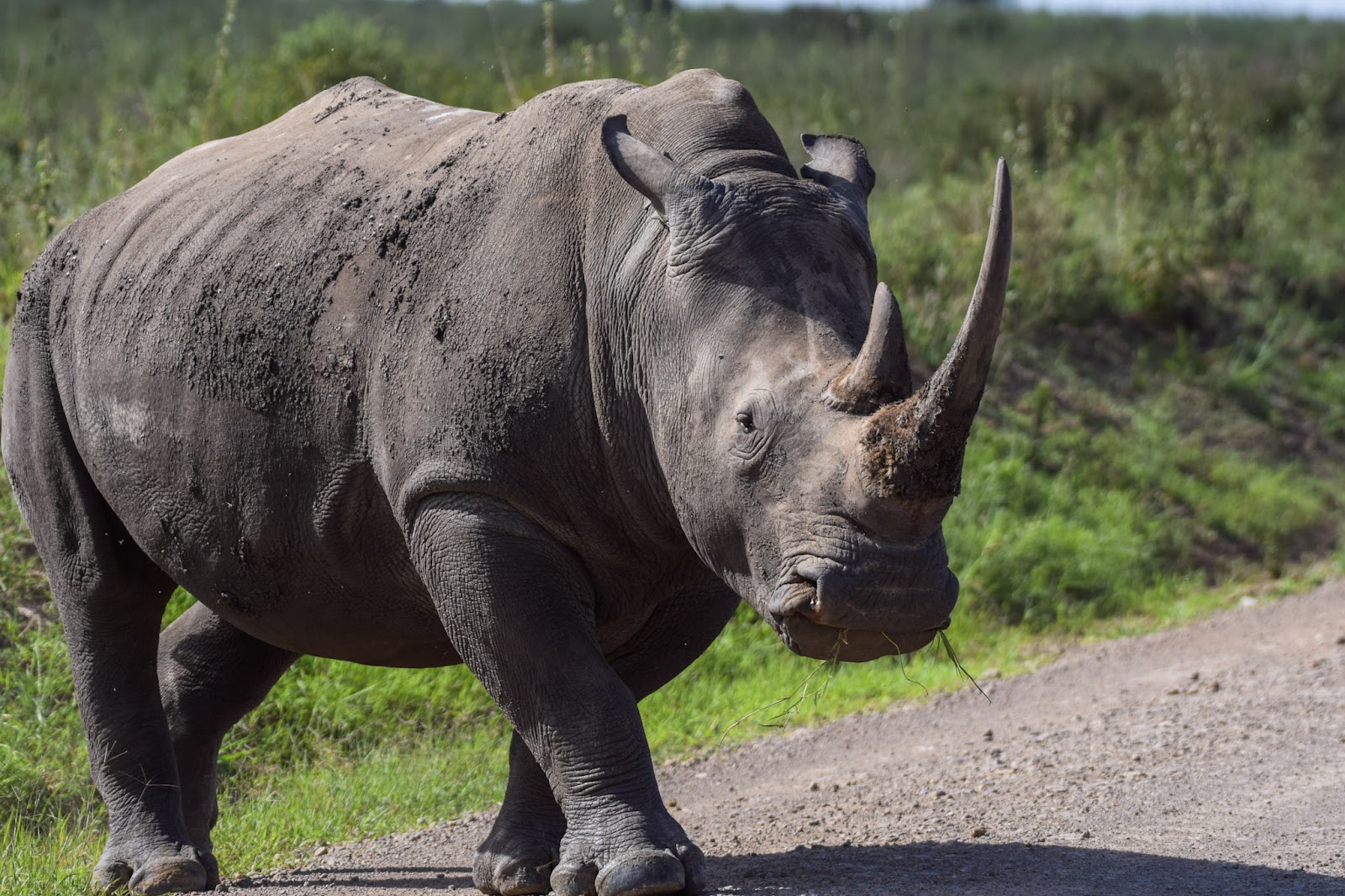
Our ranger-guide had worked at Ngulia for over a decade and talked about individual rhinos like old friends — this one’s mother, that one’s territory dispute last dry season. Watching a mother and calf graze calmly along the fence line, knowing what this place survived to make that ordinary moment possible, hit harder than I expected.
— Sense of Adventure guest, Tsavo West safari
The 7 Things Worth Knowing About Tsavo’s Rhinos
The Ngulia Sanctuary Model — a fence as a lifeline, not a limitation
Ngulia’s perimeter fencing allows a level of protection — regular patrol routes, rapid detection of any breach, controlled population monitoring — that Tsavo’s vast open wilderness could not otherwise provide. Far from limiting the rhinos to an artificial existence, the sanctuary’s substantial area still supports natural browsing behaviour and territory establishment within its secured boundary.
Black Rhino Behaviour — what makes Tsavo’s rhinos different to Nakuru’s
Like the Masai Mara’s scattered survivors, Tsavo’s rhinos are black rhino — solitary browsers favouring thicket and scrub over open grassland, considerably more alert and defensive than the grazing white rhino found at Lake Nakuru or Ol Pejeta. This behavioural difference shapes every aspect of how sightings unfold, typically shorter and more thicket-obscured than a leisurely white rhino grazing session.
The Poaching History, Honestly Told — why this recovery matters so much
Understanding the scale of Tsavo’s 1970s-80s losses — a population once among Africa’s largest reduced to a fragile handful within a decade — gives every Ngulia sighting genuine historical weight. Good guides share this history plainly, not to sensationalise, but because the context transforms a rhino sighting from a simple wildlife encounter into a small window onto one of conservation’s hardest, most instructive chapters.
Ranger-Led Tracking — the human effort behind every sighting
Ngulia’s rangers patrol around the clock, know individual rhinos by name, territory and breeding history, and coordinate closely with visiting guides to locate animals responsibly without causing stress or habituation risk. Every sighting a visitor enjoys represents an ongoing, resource-intensive human effort operating quietly in the background of the whole encounter.
Breeding Success as the Real Metric — measuring recovery calf by calf
Population growth at Ngulia is measured patiently, calf by calf, over years rather than seasons — each confirmed birth a genuine milestone reported and celebrated among Kenya’s conservation community. Visitors lucky enough to spot a mother with a young calf are witnessing the sanctuary’s entire purpose made visible in a single sighting.
Comparing Kenya’s Rhino Strongholds — Ngulia in the national picture
Ngulia joins Lake Nakuru, Ol Pejeta Conservancy and the Mara’s open-range population as one of Kenya’s handful of significant black or white rhino strongholds — each protecting the species through a different model, from full national-park fencing to conservancy partnership to unfenced wilderness, together forming the backbone of the country’s rhino recovery strategy.
What a Visit Actually Supports — tourism as direct conservation funding
Park and sanctuary fees from every Tsavo West visit contribute directly to the ranger salaries, fencing maintenance, veterinary care and anti-poaching technology that keep Ngulia functioning — making a considered, respectful rhino-focused visit here a genuinely tangible form of support for the species’ continued recovery, not merely a passive wildlife encounter.
A Rhino Sighting With Real Context
Our guides share Ngulia’s full recovery story, not just the sighting. Ask us to include a dedicated rhino morning.
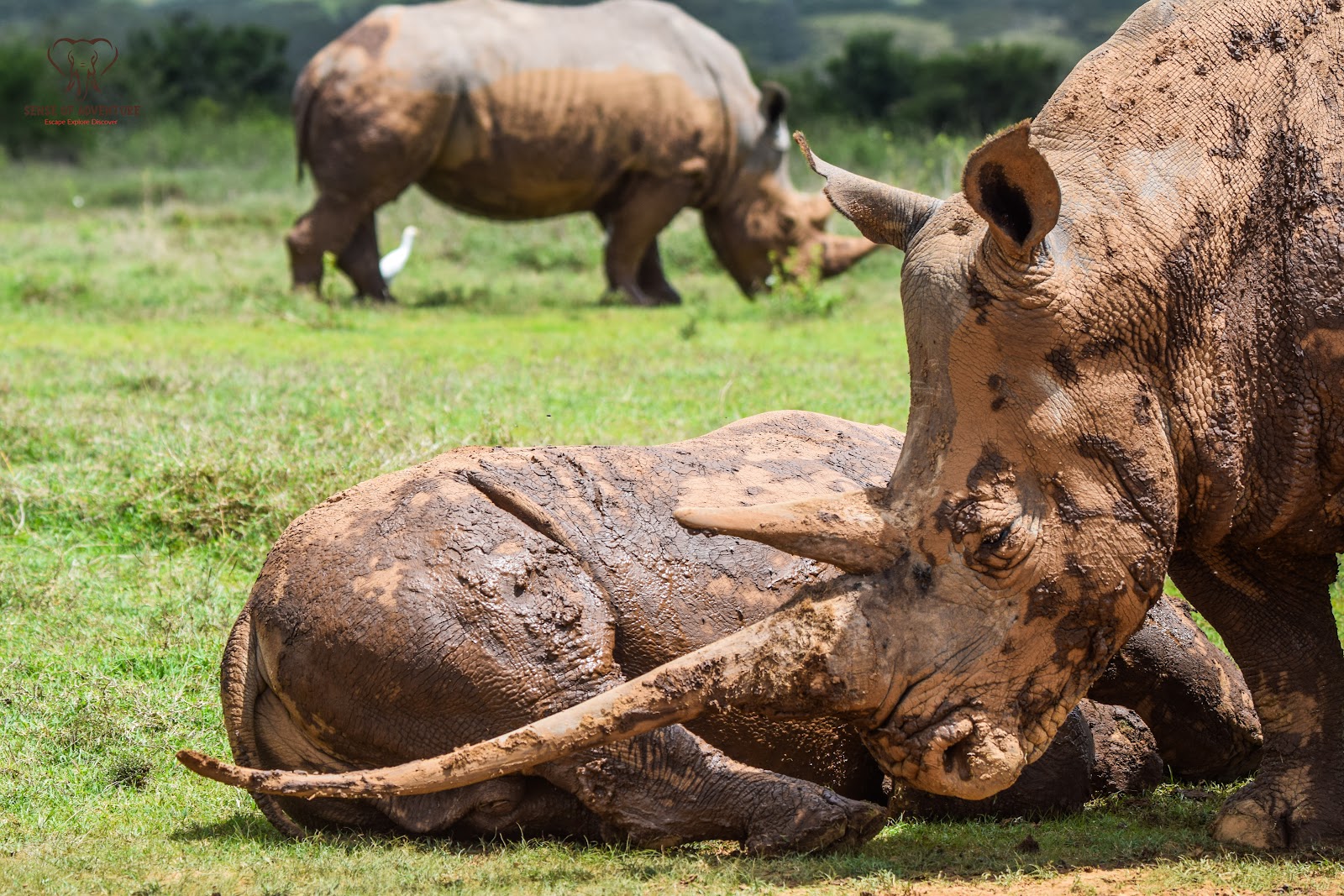
Tsavo Rhino Facts
- Historic loss: Tsavo’s rhino population, once among Africa’s largest, was reduced by an estimated 90% or more during the 1970s-80s poaching crisis.
- The sanctuary: the Ngulia Rhino Sanctuary within Tsavo West provides fenced, intensively patrolled protection for the park’s recovering black rhino population.
- Species: Tsavo protects black rhino, solitary thicket-dwelling browsers, distinct from the grazing white rhino found at other Kenyan parks.
- Monitoring: individuals are tracked, aged and known to rangers, with round-the-clock patrol coverage protecting the sanctuary’s perimeter.
- National context: Ngulia is one of a handful of significant rhino strongholds in Kenya, alongside Lake Nakuru and Ol Pejeta Conservancy.
- Recovery pace: population growth is measured in individual confirmed births over years, reflecting the species’ naturally slow reproductive rate.
- Visitor impact: park and sanctuary fees directly fund the ranger presence and infrastructure sustaining the recovery effort.
Building a Rhino-Focused Tsavo Visit
Ngulia features within our wider Tsavo West attractions guide and the 3-day Tsavo East & West safari. For comparison, see our Lake Nakuru rhinos guide and the open-range story in our Masai Mara rhinos guide to understand Kenya’s different rhino-protection models side by side.
A Recovery Story Worth Seeing in Person
Tsavo’s rhinos survived the hardest possible chapter. Message us to include Ngulia in your safari.
Frequently Asked Questions
Are there rhinos in Tsavo National Park?
Yes — Tsavo protects black rhino primarily within the fenced Ngulia Rhino Sanctuary in Tsavo West, a secure, intensively patrolled enclosure established to rebuild the population after it was devastated by poaching in the 1970s and 80s.
Why does Tsavo keep its rhinos in a fenced sanctuary?
Tsavo’s Ngulia Rhino Sanctuary uses fencing to enable round-the-clock ranger patrol and rapid response to any security threat, a level of protection difficult to guarantee across Tsavo’s vast 22,000 km² of largely open wilderness where rhinos would otherwise range freely and be far harder to safeguard.
How badly were Tsavo’s rhinos affected by poaching?
Tsavo’s black rhino population, once among Africa’s largest, was reduced by an estimated 90% or more during the intense poaching crisis of the 1970s and 80s — one of the most severe single population collapses recorded for the species anywhere on the continent.
What type of rhino lives in Tsavo?
Tsavo protects black rhino, solitary browsers with a hooked lip adapted to thicket and scrub vegetation, distinct from the grazing white rhino found at parks like Lake Nakuru and Ol Pejeta Conservancy elsewhere in Kenya.
Can you visit the Ngulia Rhino Sanctuary in Tsavo?
Yes — the Ngulia Rhino Sanctuary within Tsavo West is open to visitors on guided game drives, offering more reliable rhino sightings than unfenced ecosystems, though sightings still depend on ranger coordination and are never absolutely guaranteed on any single visit.
How can visitors support Tsavo’s rhino conservation efforts?
Simply visiting Tsavo and paying standard park and sanctuary fees directly funds Ngulia’s ranger patrols, fencing upkeep and veterinary care, making a considered, respectful safari visit here a genuinely tangible contribution to the species’ ongoing recovery rather than a purely passive wildlife encounter.