
The best time for safari in Africa is generally the dry season, roughly June to October in East and Southern Africa, when animals gather near water and grass is short. But there is a great safari somewhere every month: the Serengeti calving season peaks in February, and the green season from November to May brings newborns and lower prices.
Sense of Adventure is a licensed safari operator based in Nairobi (TRA licence TRA1/47/C01/77087), and we help travellers match their dates to the right place every day. This guide gives a country-by-country calendar for nine safari countries, a month-by-month planner, the trade-offs between dry and green seasons and honest advice on choosing the best time for safari for your own trip.
✅ Best Time for Safari: The Quick Answer
- Kenya: July to October for the Masai Mara migration; January to February is also dry and good value.
- Tanzania: June to October for the northern parks; late January to February for the Serengeti calving season.
- Uganda and Rwanda: the drier months of June to September and December to February for gorilla trekking.
- Botswana, Zambia, Zimbabwe and South Africa: roughly June to October, the dry southern winter.
- Green season: November to May in most areas brings lush scenery, baby animals, birds and lower prices, with some rain.
🌎 Already Have Dates in Mind?
Tell us your travel month and we will suggest where in Africa is at its best then. 💬 WhatsApp Us Now or call +254 799 160 081
Why the Dry Season Is Usually the Best Time for Safari
The dry season is usually the best time for safari because animals must visit rivers and waterholes, vegetation thins out and wildlife is easier to see.
When the rains stop, seasonal pools dry up and grass is grazed short. Elephants, buffalo and antelope gather near permanent water, and predators follow them. Roads are firmer, mosquitoes are fewer and days are mostly sunny. In East Africa the main dry season runs from about June to October, and in Southern Africa the dry winter covers roughly May or June to October.
The downside is demand. Dry months are peak season, so camps fill early, prices are highest and popular sightings attract more vehicles. If your dates are fixed in peak months, book early; our guide on how far in advance to book a Kenya safari gives realistic timelines.
Best Time for Safari by Country: The Calendar
This table shows the best time for safari in nine popular countries, plus the main green or rainy season, so you can compare at a glance.
| Country | Best months | Highlights | Main rains |
|---|---|---|---|
| Kenya | Jul–Oct; Jan–Feb | Mara migration and river crossings; dry, warm January and February | Apr–May (long); Nov (short) |
| Tanzania | Jun–Oct; late Jan–Feb | Northern Serengeti crossings; calving season in the south | Mar–May |
| Uganda | Jun–Sep; Dec–Feb | Gorilla and chimp trekking on drier trails | Mar–May; Oct–Nov |
| Rwanda | Jun–Sep; Dec–Feb | Gorilla trekking in Volcanoes National Park | Mar–May; Oct–Nov |
| Botswana | Jun–Oct | Okavango Delta flood and big elephant herds in Chobe | Nov–Mar |
| South Africa (Kruger) | May–Sep | Thin bush, dry winter, lower malaria risk | Nov–Mar |
| Zambia | Jun–Oct | Walking safaris in South Luangwa | Nov–Apr |
| Zimbabwe | Jul–Oct | Hwange and Mana Pools at their driest | Nov–Mar |
| Namibia | Jun–Oct | Animals at Etosha’s waterholes | Dec–Mar |
East Africa: Kenya and Tanzania
For the best time for safari across a whole year, East Africa stands out: it has the longest safari season in Africa, with two dry seasons and excellent game viewing in most months.
The best time for safari in Kenya
July to October is the classic season, when the Great Migration herds are usually in the Masai Mara and river crossings can happen. January and February are also dry and warm, with lower Mara fees and fewer visitors. The long rains of April and May bring the lowest prices, and the short rains of November are usually brief showers. See our month-by-month guide to Kenya weather by month and the forecasts from the Kenya Meteorological Department.
The best time for safari in Tanzania
June to October is ideal for the northern circuit, with the herds in the northern Serengeti from about July. Late January and February is calving time on the southern Serengeti plains. March to May is the main rainy season, when some camps close. Our Masai Mara or Serengeti month-by-month guide shows where the herds usually are each month, and our article on whether the Great Migration is guaranteed explains why timing can shift.
Expert tip from our Nairobi team: if you can only travel in Kenya’s peak months, spend some nights in a private Mara conservancy. You keep the best time for safari while avoiding much of the vehicle traffic in the main reserve.
Gorilla Trekking: Uganda and Rwanda
Gorilla trekking runs all year, but the best time for safari in the forests is the drier months of June to September and December to February, when trails are easier.
Mountain gorillas live in rainforest, so rain is possible in any month. In the wetter months of March to May and October to November, trails are steeper and muddier, but permits can be easier to find and Uganda has offered low-season permit deals in the past. Book permits early for peak months through Visit Rwanda or the Uganda Wildlife Authority, and see our gorilla trekking permit cost guide.
Southern Africa: Botswana, South Africa, Zambia, Zimbabwe and Namibia
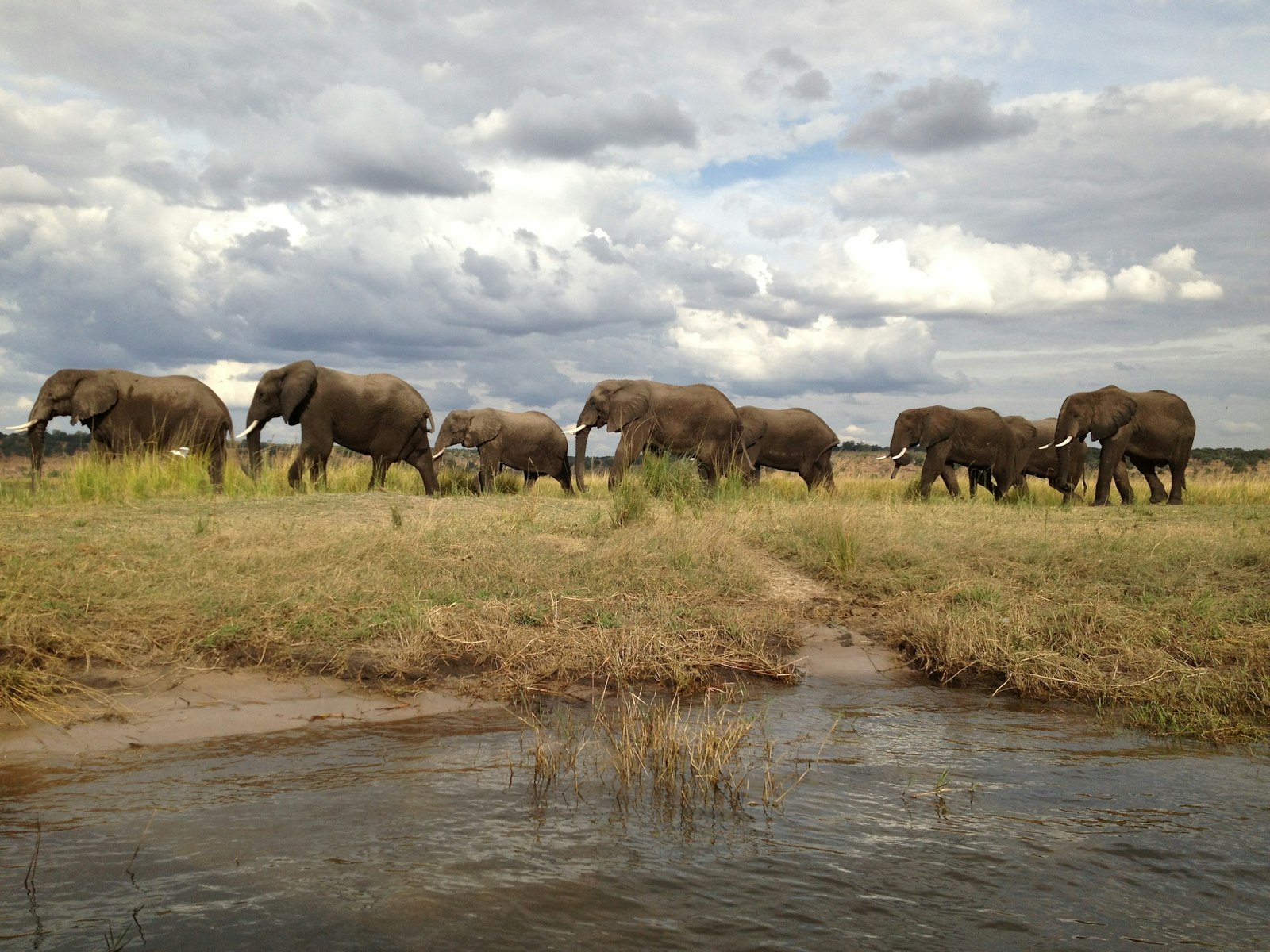
In Southern Africa, the best time for safari is the dry winter from about June to October, when bush thins out and animals gather near water.
- Botswana: the Okavango Delta floods during the dry season, fed by rain that fell in Angola months earlier, and Chobe’s elephant herds are at their biggest. See Botswana Tourism for official information.
- South Africa: Kruger’s dry winter, roughly May to September, brings cool mornings, thin bush and a lower malaria risk.
- Zambia: the dry season is the time for walking safaris in South Luangwa; many bush camps close in the rains.
- Zimbabwe: Hwange and Mana Pools are at their best late in the dry season, from about July to October.
- Namibia: in the dry months, animals concentrate at Etosha’s waterholes.
Southern Africa’s dry season overlaps with East Africa’s, so June to October is peak season almost everywhere. For a comparison of styles, read Kenya vs Botswana and Kenya vs South Africa.
📅 Get a Free, No-Obligation Safari Quote
Send us your dates and we will tell you honestly whether they are the best time for safari in Kenya or East Africa, and what to expect. ✉ Send Us Your Dates on WhatsApp
Month by Month: Where to Go in Africa
If your dates are fixed, this list shows the best time for safari by destination, with a strong option for every month of the year.
- January: Kenya (dry and quiet), southern Serengeti, gorilla trekking.
- February: Serengeti calving season, Kenya, Uganda and Rwanda.
- March: Kenya and the southern Serengeti early in the month, before the rains.
- April: green-season value in Kenya; good time for South Africa as the rains end.
- May: South Africa and Namibia as the dry season starts; quiet, lush East Africa.
- June: Serengeti Western Corridor, Botswana, Kruger, gorillas.
- July to September: almost everywhere, including the Mara migration, Botswana and Zambia.
- October: Masai Mara, northern Serengeti, Zimbabwe and Zambia at their driest.
- November: good value in Kenya and Tanzania as short rains start.
- December: Kenya and Tanzania for festive safaris; gorilla trekking.
For a deeper East Africa planner, see our East Africa wildlife calendar.
Is the Green Season a Good Time for Safari?
Yes, the green season can be the best time for safari if you value lower prices, fewer vehicles and baby animals over perfect weather.
- Pros: lower camp rates, quieter parks, lush scenery, newborn animals, migratory birds and dramatic skies for photography.
- Cons: some rain, muddier roads, taller grass that hides animals, more insects and some camps closed.
In Kenya, rain often comes as short afternoon storms, and morning game drives are usually fine. Our guide to the green season safari in Kenya covers the trade-offs, and the cheapest time for a Kenya safari shows the best-value months.
The Best Time for Safari for Different Travellers
The best time for safari also depends on who you are and why you are going, because families, photographers and budget travellers value different things.
- Families: school holidays often decide the dates. July and August match the Mara migration, while Christmas and Easter fall in green or shoulder seasons with good value. Our safari minimum age guide covers camp rules for children.
- Photographers: the dry season gives clear views and action at rivers, while the green season offers dramatic skies, green backgrounds and fewer vehicles at sightings.
- Birdwatchers: from about November to April, migrant birds from Europe and Asia join Kenya’s resident species, and many birds are in breeding colours.
- Honeymooners: June to October pairs a dry-season safari with fine beach weather on the Kenyan coast or Zanzibar.
- Budget travellers: April, May and November offer the lowest prices in East Africa, and January to March is good value in Kenya.
There is no wrong answer here. A family that travels in April with a good guide and realistic expectations can have a better trip than a couple who chase the migration in August and spend hours in traffic at a crossing point. Choosing the best time for safari is about matching the season to your priorities.
Weather, Health and Packing by Season
Weather changes what you pack and how you feel on game drives, so plan your clothing around the season as well as the destination.
In the dry season, East African mornings in open vehicles can be chilly, especially at altitude in the Masai Mara and around the Ngorongoro Crater, while afternoons are warm. Southern Africa’s dry winter is colder, and dawn temperatures in desert areas of Botswana and Namibia can drop close to freezing. In the green season, expect warmer, more humid days, short heavy showers and more insects.
- Dry season: warm fleece or jacket, hat and gloves for early drives, sunscreen and a dust-proof bag for cameras.
- Green season: light rain jacket, quick-dry clothing, insect repellent and long sleeves for the evenings.
- All year: neutral colours, binoculars and malaria prevention where advised.
Malaria risk is usually higher in and after the rains, so talk to a travel clinic whatever the best time for safari turns out to be for you; our Kenya safari malaria guide explains the risk by area. Our African safari packing list covers the rest.
How to Choose the Best Time for Safari for Your Trip
The best time for safari for you depends on what you most want to see, your budget, school holidays and whether you are adding a beach.
- Pick your top experience: river crossings, calving, gorillas or walking safaris each have their own season.
- Check your budget: shoulder and green seasons can save a lot.
- Consider crowds: peak months mean more vehicles at famous sightings.
- Think about weather comfort: mornings can be cold in the dry season, especially in Southern Africa.
- Add the beach: Kenya’s coast and Zanzibar are best outside the April to May rains; see combining a safari with a beach holiday.
Expert tip from our Nairobi team: do not over-plan around the migration alone. The Masai Mara has resident lions, cheetahs, elephants and plains game all year, so a well-guided safari in any dry month can be just as memorable as a crossing.
Safaris for Every Season
These trips match the best time for safari at different times of year. Message us for a quote for your dates.
- Great Migration Safari, Masai Mara: July to October.
- Christmas and New Year Safari (6 days): the festive season in the green Mara.
- Kenya and Rwanda Safari (8 days): big cats plus gorillas in the drier months.
- Kenya Safari and Beach Holiday (10 days): ideal from June to March.
Best Time for Safari FAQs
What is the best month to go on an African safari?
There is no single best month, but August and September are excellent almost everywhere, with the Masai Mara migration in East Africa and dry-season game viewing in Botswana, Zambia and South Africa. February is outstanding for the Serengeti calving season, and January is a quiet, dry, good-value month in Kenya.
When is the best time for safari in Kenya?
July to October is the classic season, when the Great Migration herds are usually in the Masai Mara. January and February are also dry, warm and quieter, with lower Mara fees. April and May bring the long rains and the lowest prices, while November usually has short showers and good value.
What is the cheapest time to go on safari in Africa?
The cheapest time is usually the green or rainy season, such as April and May in East Africa and November to March in much of Southern Africa. Many camps lower their rates, parks are quieter and the scenery is lush, although some roads get muddy and a few camps close.
When is the Great Migration in the Masai Mara?
The herds usually reach the Masai Mara from about late July or August and stay until around October, with river crossings on the Mara River during this time. The timing depends on the rains, so it can shift by several weeks. For the best chances, stay at least three full days.
Is it worth going on safari in the rainy season?
Yes, for many travellers. The green season brings lower prices, fewer vehicles, newborn animals and great birdwatching. Rain often falls in short afternoon storms, so morning drives usually go ahead. The trade-offs are taller grass, muddier roads, more insects and some camps closing for the season.
When is the best time for gorilla trekking?
Gorilla trekking in Uganda and Rwanda runs all year, but the drier months of June to September and December to February make trails easier. March to May and October to November are wetter, with muddier slopes, though permits can be easier to secure. Book well ahead for peak months.
What is the best time for safari in Botswana and South Africa?
The dry southern winter, roughly June to October in Botswana and May to September in Kruger, is usually best. Animals gather at water, bush is thinner and malaria risk is lower. The summer rains from about November to March bring lush scenery, baby animals and lower prices.
🏕 Plan Your Safari With Sense of Adventure
Kenya-based experts. Real local knowledge. Transparent pricing. We will match your dates to the best time for safari in Kenya and East Africa, and tell you honestly what each month offers. 💬 WhatsApp Us — Start Planning Today
Call or WhatsApp: +254 799 160 081
Related Safari Guides
- ›Kenya Weather by Month
- ›Masai Mara or Serengeti by Month
- ›How Much Does an African Safari Cost?
- ›Best African Safari Country Compared
- ›Types of Safari in Africa
Official travel & park resource: Kenya Wildlife Service ↗ · Magical Kenya ↗