
Is the Great Migration guaranteed? No. The herds are in the wider Serengeti-Mara ecosystem all year, so seeing large numbers of wildebeest in the right area and month is highly likely. A Mara River crossing on a particular day is never certain, because rain and grazing decide where the animals move. More days in the right season improve your odds.
Sense of Adventure is a TRA-licensed private safari company based at Mountain Mall on Thika Road, Nairobi. We plan migration safaris in Kenya and Tanzania for travellers and overseas travel agents, and we would rather give you honest odds than a promise nobody can keep. This guide explains how the migration really works and how to plan for the best chance.
Wondering about your dates? Send them and we will tell you honestly where the herds usually are.
Check my migration datesIs the Great Migration Guaranteed? The Honest Answer
Is the Great Migration guaranteed? The herds are guaranteed to exist and to keep moving, but no one can guarantee the moment you will see.
When guests ask us is the Great Migration guaranteed, it helps to separate three different things. Seeing big herds somewhere in the ecosystem is very likely in almost any month. Seeing them in the Masai Mara is likely from about July to October. Seeing a full river crossing on your exact days is possible but never assured. Brochures often blur these ideas, which leads to disappointment.
| What you hope to see | How likely in the right season | Why |
|---|---|---|
| Large herds in the Serengeti-Mara ecosystem | Very likely all year | The animals are always somewhere on the circuit |
| Herds in the Masai Mara | Likely from about July to October | Dry-season grazing draws them north into Kenya |
| A Mara River crossing | Possible, not certain | Herds may gather for days, then cross suddenly or turn back |
| A crossing with no other vehicles | Unlikely in the main reserve | Popular crossing points attract many guests in peak season |
How the Migration Moves Through the Year
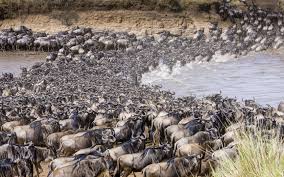
To understand why the answer to is the Great Migration guaranteed is no, look at the loop itself. The migration is a year-round loop between Tanzania’s Serengeti and Kenya’s Masai Mara, driven by rain and fresh grass rather than a fixed calendar.
| Months (typical pattern) | Where herds usually are | What to expect |
|---|---|---|
| January to March | Southern Serengeti and Ndutu, Tanzania | Calving season; predators follow the newborns |
| April to May | Central Serengeti | Long rains; herds start moving; some camps close |
| June to July | Western corridor and northern Serengeti | Grumeti River crossings; first herds reach the Mara |
| July to October | Masai Mara and northern Serengeti | Mara River crossings back and forth |
| November to December | Moving south through Serengeti | Short rains pull herds back towards Tanzania |
These are typical patterns, not rules. In some years the first herds reach Kenya in late June; in others they arrive weeks later. The UNESCO World Heritage listing for Serengeti National Park describes the migration as one of the most impressive natural events in the world, and its scale is exactly what makes it unpredictable.
Why Rain Decides Everything
Wildebeest follow fresh grass and water. A dry spell in one area or early rain in another can shift the herds by tens of kilometres in a few days. That is why, when you ask an honest operator is the Great Migration guaranteed, they quote likely timing, based on many years of patterns, rather than fixed dates. Our guide to why wildebeest migrate explains the science in more detail.
7 Honest Truths About Migration Timing
These seven truths answer the question is the Great Migration guaranteed more clearly than any brochure.
- The migration never stops. There is no single season; there are different phases in different places.
- Peak season improves odds, not certainty. Is the Great Migration guaranteed in peak season? No. July to October gives the best chance of crossings in Kenya, but no day is assured.
- Herds can wait for days. Thousands may gather on a riverbank, then walk away without crossing.
- Crossings can be short or long. Some last minutes, some go on for an hour or more.
- More nights mean better chances. Is the Great Migration guaranteed for a one-night stay? Far from it. Three or four nights give you several full days near the river.
- Resident wildlife is excellent all year. The Mara’s lions, cheetahs, elephants and hippos do not leave when the herds do.
- Crowding is a separate issue. Popular crossing points can attract many vehicles, which affects the experience as much as timing.
How Many Days Do You Need for a Crossing?
If you keep asking is the Great Migration guaranteed, the best practical answer is time. Plan at least three, ideally four, nights in the Mara during the crossing season to give yourself a realistic chance.
A one-night stay gives you one full day, and if the herds are not near the river that day, there is no second chance. With several days, your guide can follow the herds, watch where they gather and position you early. Full-day drives with a picnic lunch help, because crossings can happen at any time of day.
| Nights in the Mara (July to October) | What it allows | Our view |
|---|---|---|
| 1 night | One full day of searching | Rarely enough for crossings |
| 2 nights | Two chances near the river | Possible, but tight |
| 3 nights | Several full days, flexible plans | Good odds in a normal season |
| 4 nights or more | Time to follow herds and wait patiently | Best odds and a calmer pace |
For transfer options, see our Nairobi to Masai Mara distance guide. A short flight saves a full day on the road and gives you more time near the river.
Road or Fly-in: Buying More Time at the River
Is the Great Migration guaranteed if you fly in? No, but flying buys you time. The drive from Nairobi takes about five to six hours, with a stop at the Great Rift Valley viewpoint, and it is the best-value option. Scheduled light-aircraft flights from Wilson Airport take about an hour to the Mara’s airstrips, where your guide meets you for a game drive on the way to camp. Flying has a soft-bag luggage limit of about 15 kg, so pack light. Our Masai Mara airstrips guide explains which strip suits each area.
Not sure whether to book 3 or 4 nights?
Is the Great Migration guaranteed? No, but the right length helps. Tell us your dates and we will suggest the right number of nights and the best area of the Mara for your chances.
Where to Stay for the Best Crossing Odds
Location also changes the answer to is the Great Migration guaranteed for your trip. Staying close to the Mara River, or in a camp that can reach it quickly, makes the biggest difference to your crossing chances.
Main Reserve and Mara Triangle
Most crossing points are in the main Masai Mara National Reserve and the Mara Triangle, the western section managed by the Mara Conservancy. Camps near the river let you reach crossing points early, which matters because, as with any answer to is the Great Migration guaranteed, timing is everything. The Mara Triangle’s official site explains its ticketing and rules.
Private Conservancies
Conservancies bordering the reserve, such as Olare Motorogi and Naboisho, limit vehicle numbers and allow walks and night drives. They are further from most crossing points, so guests usually make day trips into the reserve. Our conservancy fees guide explains how pricing works.
A strong plan often combines both: a few nights near the river for crossings, then a quieter conservancy for big cats without crowds.
Crowds at Crossings and the Rules That Protect Wildlife
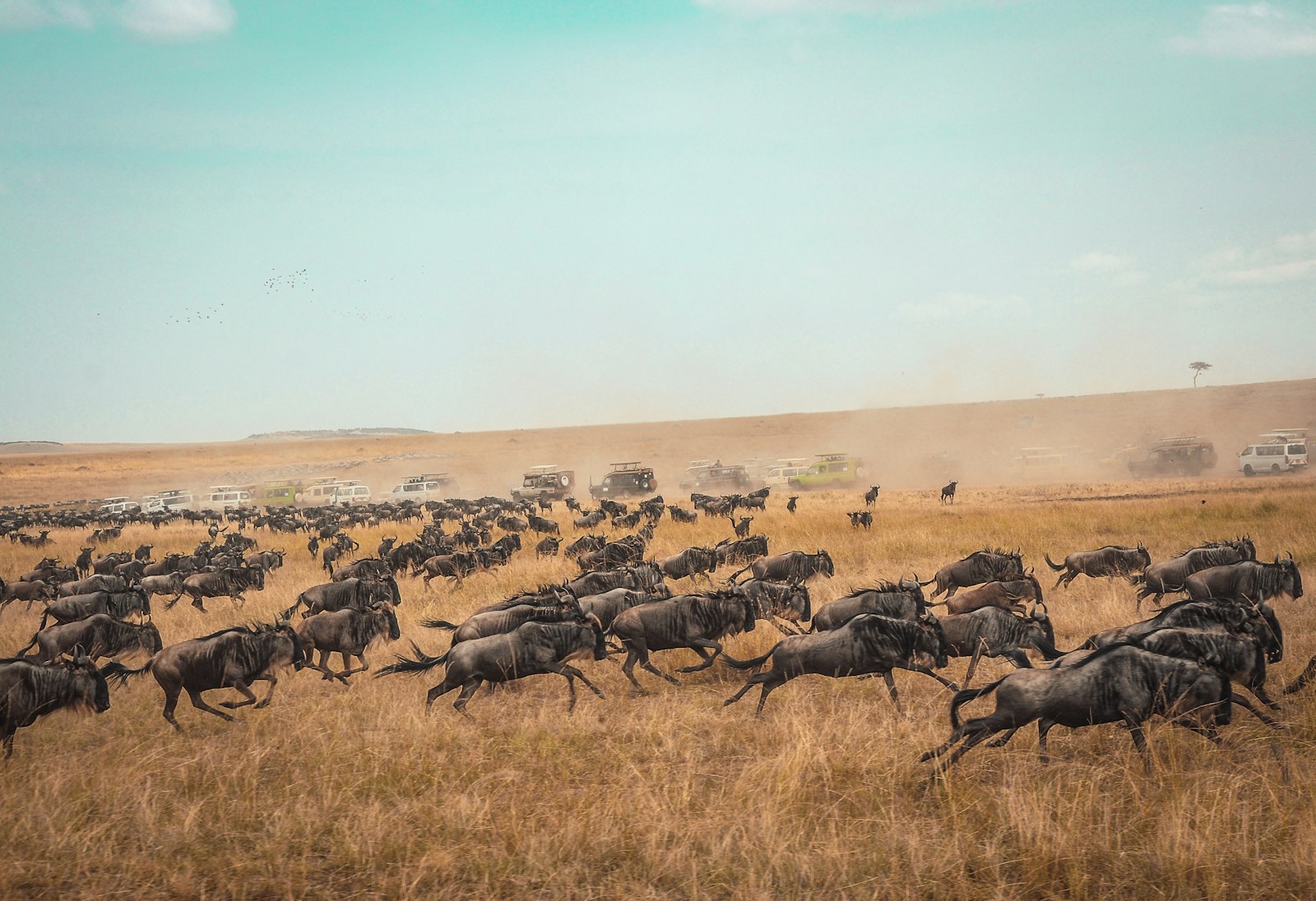
Is the Great Migration guaranteed to be peaceful? Not always. Crowding at popular crossing points is a real issue in peak season, and Kenya has tightened enforcement to protect the herds.
In August 2025, a video of visitors outside their vehicles near a crossing led Kenya’s Ministry of Tourism to call for stricter enforcement, more rangers at sensitive crossing points and action against drivers and companies that break the rules. The Mara’s warden said rangers returned the visitors to their vehicles quickly.
- Stay in your vehicle except at designated points.
- Keep a respectful distance and never block the herds’ path to the river.
- Expect limits on how many vehicles can stay at one sighting, and on how long.
- Never ask your guide to break rules for a closer view.
Expert tip from our Nairobi team
Ask your guide to wait back from the riverbank and leave a clear path to the water. Herds that feel blocked often turn away, and a calm approach improves your chances of seeing a crossing. Bring a packed lunch, plenty of water and patience. Is the Great Migration guaranteed to cross while you wait? No, but waiting is part of the experience.
Why Honest Expectations Make a Better Trip
When you understand that is the Great Migration guaranteed has an honest no as its answer, waiting by the river becomes part of the adventure rather than a delay. Guests who expect possibilities rather than promises tend to enjoy every sighting more, crossing or not.
How to Spend a Day at the Mara River
Is the Great Migration guaranteed to cross on the day you wait by the river? No, so a crossing day is mostly about patience. Knowing what to expect helps you enjoy the waiting as much as the action.
Reading the Herds
Good guides watch for signs that a crossing may be close: herds bunching on the bank, animals walking up and down looking for a safe exit point, and zebras nosing towards the water. Even then, a single nervous animal can turn the whole group back, which is exactly why the answer to is the Great Migration guaranteed is no. Crocodiles and hippos wait in the river, and the drama of animals that make it, and those that do not, is unforgettable. Our Great Migration river crossing guide describes the main crossing points.
What to Bring for Long River Days
Pack binoculars, a hat, sunscreen and a warm layer for the early start. A camera with a zoom lens lets you frame the action without moving closer, and a spare battery and memory card are essential on a long wait. Bring a book or simply enjoy the birds and resident wildlife along the river. Our Masai Mara packing list covers the rest.
When to Go: Month-by-Month Odds in Kenya
So, is the Great Migration guaranteed in August? No, but for crossings in Kenya, August and September are usually the strongest months, with July and October also good in many years.
| Month | Herds in the Mara? | Crossing odds | Notes |
|---|---|---|---|
| June | Sometimes, late in month | Low | Quieter; herds often still in Tanzania |
| July | Often arriving | Moderate | Higher Mara reserve fees usually apply from July |
| August | Usually present | Good | Peak demand; book camps early |
| September | Usually present | Good | Many herds near the river |
| October | Often present early | Moderate | Herds start moving south late in month |
| November | Rarely | Low | Short rains; excellent resident game and value |
Fees change, so check the latest rates in our Kenya national parks entrance fees 2026 guide and our step-by-step Masai Mara safari 2027 planner. For quieter months, read about a November safari in Kenya.
What a Migration Safari Costs
Our 5-day Great Migration Safari in the Masai Mara, timed for July to October, starts from USD 1,450 per person. Shorter trips start from USD 650 for a 3-day road safari, and a 4-day fly-in luxury safari starts from USD 3,200. Prices depend on season, group size and camp, and peak-season reserve fees are higher, so a written quote is the only reliable figure. No price buys certainty, though: is the Great Migration guaranteed on an expensive trip? No more than on a budget one.
For August and September, the best camps near the Mara River fill months ahead. Is the Great Migration guaranteed if you book early? No, but if you are set on migration dates, booking four to nine months in advance gives you the widest choice of riverside camps.
Planning for August or September?
The best riverside camps book early for peak season. Share your dates and we will send a written quote with honest timing advice.
Migration Safari Ideas and Who They Suit
Whatever the answer to is the Great Migration guaranteed, the right migration safari depends on your dates, budget and how much you want to focus on crossings rather than wider wildlife.
Our Great Migration photographic safari in the Masai Mara is built around long days near the river. The Great Migration safari in Kenya and Tanzania follows the herds across both countries. Browse our Masai Mara safari packages, or ask for a private Kenya safari with your own vehicle and guide.
A sunrise balloon flight gives a completely different view of the herds spread across the plains, and it can be added to most Mara trips. Is the Great Migration guaranteed to be visible from the air? Only when the herds are in that area, so your guide will advise on the best morning. See our Masai Mara balloon safari guide for how it works.
Who Should Visit Outside Crossing Season
If you are less worried about is the Great Migration guaranteed and more about crowds or budget, look beyond peak season. If you dislike crowds, travel on a budget or want calving scenes, consider other months. January to March in Tanzania’s southern Serengeti offers calving and predator action, while November to June in the Mara gives superb resident wildlife and lower prices. For more ideas, see Magical Kenya, the official tourism site, and check UK government travel advice for Kenya before you go.
Photographers should read our safari camera gear guide before travelling.
Is the Great Migration Guaranteed? FAQs
Is the Great Migration guaranteed?
No. The herds are always somewhere in the Serengeti-Mara ecosystem, so seeing them in the right area and month is likely. A Mara River crossing on a specific day is never certain, because rain and grazing decide when the animals move. Several days in peak season give you the best chance.
What is the best month to see a Mara River crossing?
August and September are usually the strongest months for crossings in Kenya, with July and October also good in many years. Timing shifts with rainfall, so herds can arrive early or late. Staying three or four nights near the river gives you the most realistic chance.
How many days should I spend in the Masai Mara for the migration?
We suggest at least three nights, ideally four, between July and October. That gives you several full days to follow the herds and wait at the river. One night is rarely enough, because the herds may not be near a crossing point on your only full day.
What happens if I do not see a crossing?
You will still see a great deal. The Masai Mara has excellent resident lions, cheetahs, leopards, elephants and hippos all year, and the herds themselves are spectacular on the plains. Many guests rate predator sightings as highlights equal to a crossing, especially in quieter conservancies.
Are migration crossings very crowded?
Popular crossing points in peak season can attract many vehicles. Kenya has tightened enforcement of park rules, including keeping visitors in vehicles and limiting crowding at sightings. Staying near the river, starting early and choosing a patient, rule-following guide all help you enjoy calmer crossings.
When is the migration in Tanzania instead of Kenya?
Typically the herds are in Tanzania’s Serengeti from about November to June, including calving in the south from January to March and Grumeti River crossings around June. They usually reach Kenya’s Masai Mara in July and begin moving south again around October or November.
How much does a Great Migration safari cost?
Our 5-day Great Migration Safari in the Masai Mara starts from USD 1,450 per person, and a 3-day road safari from USD 650. Fly-in luxury trips start from USD 3,200 for four days. Prices depend on season, group size and camp, and peak-season reserve fees are higher.
Is a 3-day safari enough to see the migration?
A 3-day road safari gives you two full days in the Mara, which can be enough to see the herds in season. Is the Great Migration guaranteed on a short trip? No. For a realistic chance of a river crossing, we suggest three or four nights in the Mara, or flying in to save travel time.
Plan a Migration Safari With Honest Timing
We will match your dates to the herds’ usual pattern, suggest the right camp near the river and give you realistic odds, never empty promises. Sense of Adventure is a TRA-licensed Nairobi safari company.
Kenya-based experts. Real local knowledge. Transparent pricing.