
How much does an African safari cost? The typical African safari cost is about USD 150 to 400 per person per day on a budget trip, USD 400 to 800 mid-range and USD 800 to 1,500 or more for luxury, before international flights. Kenya and Tanzania offer the widest range; Botswana and Rwanda’s gorilla trips sit at the top end.
Sense of Adventure is a licensed safari operator based in Nairobi (TRA licence TRA1/47/C01/77087), and we build quotes every day for travellers comparing countries and styles. This guide breaks down the real African safari cost by country, comfort level and season, explains what is and is not included, shows a sample budget and shares honest ways to get more for your money.
✅ African Safari Cost: The Quick Answer
- Budget: about USD 150 to 400 per person per day, usually camping or simple lodges, often in shared vehicles.
- Mid-range: about USD 400 to 800 per person per day, with comfortable tented camps or lodges and often a private vehicle.
- Luxury: about USD 800 to 1,500 per person per day, rising well above USD 1,500 at top camps and in Botswana.
- Extras: international flights, visas, insurance, tips and drinks are usually extra.
- Best value: Kenya and Tanzania offer good wildlife at every budget; South Africa’s Kruger is the cheapest self-drive option.
🌎 Want a Real Number for Your Dates?
Tell us your budget, dates and group size and we will show you what it buys in Kenya and East Africa. 💬 WhatsApp Us Now or call +254 799 160 081
African Safari Cost per Day by Travel Style
Your travel style changes the African safari cost far more than any other choice, because accommodation, vehicles and flights scale with comfort.
| Style | Typical cost per person per day (USD) | Where you sleep | How you travel |
|---|---|---|---|
| Budget | 150 to 400 | Campsites, budget tented camps, simple lodges | Shared vehicle or minibus, by road |
| Mid-range | 400 to 800 | Comfortable tented camps and lodges | Private 4×4 by road, some flights |
| Luxury | 800 to 1,500 | High-end camps, often in private conservancies | Private vehicle, light-aircraft flights |
| Ultra-luxury | 1,500 to 3,000 or more | Exclusive camps and private villas | Fly-in throughout, private guide |
These figures usually cover accommodation, meals, park fees, game drives and transport between parks. Solo travellers often pay a single supplement on top; our single supplement guide explains how to reduce it.
African Safari Cost by Country (2026)
The African safari cost varies by country because of park fees, distances, permit systems and how exclusive each country’s tourism model is.
| Country | Key fixed costs (2026) | Budget options? | Relative cost |
|---|---|---|---|
| Kenya | Masai Mara USD 100 per day (Jan–Jun), USD 200 (Jul–Dec); Amboseli and Lake Nakuru USD 90 | Yes, many | Low to high; good value overall |
| Tanzania | Serengeti about USD 83 per day plus about USD 71 per night concession fee; Ngorongoro Crater USD 295 per vehicle | Yes | Medium to high |
| Uganda | Gorilla permit about USD 800 under the recent tariff | Some | Medium |
| Rwanda | Gorilla permit USD 1,500 | Few | High |
| Botswana | Mid-range camps roughly USD 600 to 1,200 per person per night | Few (mobile camping) | Very high |
| South Africa | Kruger conservation fee R602 (about USD 36) per adult per day, R692 from 1 November 2026 | Yes, self-drive | Low to very high |
Kenya and Tanzania: the widest choice
East Africa offers safaris at every price point, from camping trips to some of the finest camps on the continent. Kenya is often slightly cheaper for a similar trip, thanks to short road transfers from Nairobi and no per-night concession fees in its national parks. Tanzania’s Serengeti adds concession fees and longer distances. Our Kenya vs Tanzania safari cost comparison works through the numbers, and the Kenya safari cost guide goes deeper on Kenya.
Uganda and Rwanda: gorilla permits drive the price
A gorilla permit is the single biggest line on a primate trip. Rwanda charges USD 1,500 per permit, while Uganda’s foreign non-resident permit has been about USD 800 under its recent tariff. Check current prices with the Uganda Wildlife Authority and Visit Rwanda, and see our gorilla trekking permit cost guide.
Botswana and South Africa: two extremes
Botswana follows a low-volume, high-value model with remote camps reached by small planes, so it is one of the most expensive safari countries; see Botswana Tourism for official information. South Africa covers both ends: a self-drive trip in Kruger with rest-camp stays is among the cheapest safaris in Africa, while private reserves next to Kruger are among the priciest. Compare in our Kenya vs Botswana and Kenya vs South Africa guides.
What Is Usually Included in the Price
A quoted African safari cost normally includes the essentials on the ground, but rarely your international flights or personal extras.
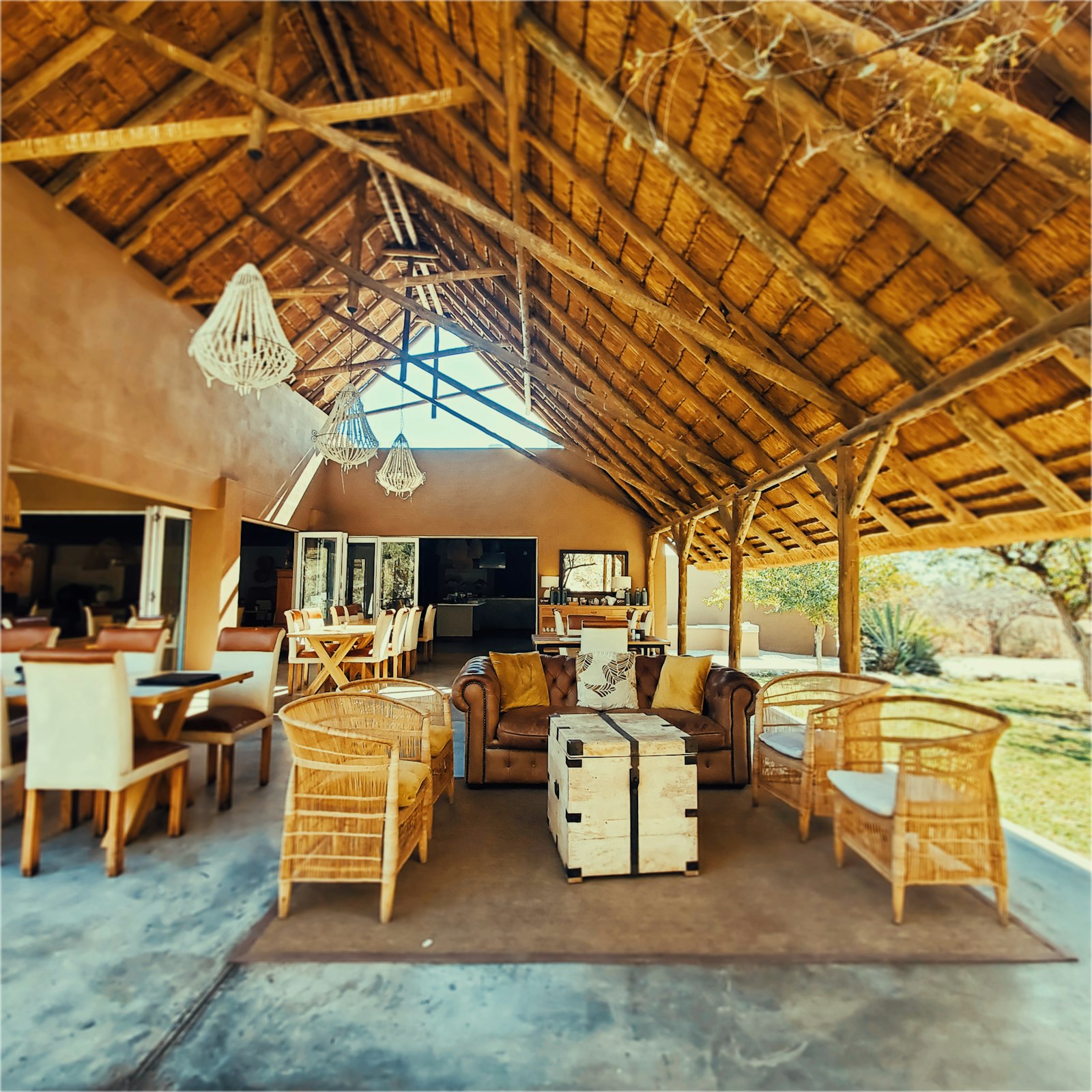
- Usually included: accommodation, most meals, park and conservancy fees, game drives with a guide, transfers between parks and drinking water in the vehicle.
- Sometimes included: drinks, internal flights, laundry and activities such as walks or night drives, depending on the camp’s meal and activity plan.
- Usually extra: international flights, visas or travel authorisations, travel insurance, tips, balloon flights, gorilla permits and souvenirs.
For a full checklist, see what is included in a Kenya safari, and our guide to full board vs all-inclusive safaris explains what each meal plan covers.
Expert tip from our Nairobi team: when you compare two quotes, line them up item by item. A lower African safari cost sometimes leaves out park fees, flights or drinks, and the cheaper quote can end up costing more once these are added.
Sample Budget: A 7-Day African Safari Cost
A simple example shows how the daily ranges turn into a total African safari cost for one week, per person sharing.
| Item | Budget | Mid-range | Luxury |
|---|---|---|---|
| Ground cost, 7 days | About USD 1,050 to 2,800 | About USD 2,800 to 5,600 | About USD 5,600 to 10,500 |
| Tips and personal extras | Modest | Moderate | Higher |
| Visas, insurance, vaccines | Varies by nationality | Varies | Varies |
| International flights | Varies by origin and season | Varies | Varies |
Personal extras deserve a budget line of their own. Our guides to Kenya safari spending money and safari tipping suggest sensible daily amounts.
How the Season Changes the Price
Season can change the African safari cost by a third or more, because camp rates and some park fees follow demand.
- Peak season: usually the dry months, roughly June or July to October in East and Southern Africa, plus the Christmas and New Year holidays.
- Shoulder season: months either side of the peak, often with good wildlife and lower rates.
- Green or low season: the rainy months, such as April and May in Kenya and Tanzania, when many camps offer their lowest prices.
In Kenya, the Masai Mara reserve fee itself doubles from July to December. Our guide to the cheapest time for a Kenya safari shows the best-value months month by month.
📅 Get a Free, No-Obligation Safari Quote
Share your dates and budget, and we will give you a clear, itemised quote with no hidden costs. ✉ Send Us Your Dates on WhatsApp
African Safari Cost for Solo Travellers, Families and Groups
Who you travel with changes the African safari cost per person, because vehicles, guides and rooms are priced per unit, not per head.
Solo travellers
Solo travellers usually pay the most per person. A private vehicle costs the same for one guest as for four, and many camps charge a single supplement when you take a room alone. Joining a small group safari, travelling in the green season when some camps waive the supplement, or choosing camps with dedicated single tents all help. Women travelling alone may also find our solo female safari safety guide useful.
Families
Families often get good value. Young children may enter some parks free or at reduced rates, many camps offer child discounts when children share with parents, and a family of four or five fills a private vehicle perfectly. The main extra costs are family tents and, for younger children, a private vehicle that some camps require. Our safari minimum age guide explains the rules by age.
Friends and larger groups
Groups of four to six usually see the lowest African safari cost per person for a private trip, because the vehicle and guide are shared. Larger groups need two or more vehicles, so savings level off, but you gain flexibility to split up for different activities. Book early, as finding several rooms in the same camp on the same nights is the main challenge in peak season.
Whatever your group, ask for the quote per person and in total, and check whether it assumes shared or single rooms. That simple step makes it much easier to compare the African safari cost between operators fairly.
Why Some Safaris Cost So Much More
Two safaris to the same park can differ in African safari cost by several times, and the reasons are usually clear once you look closely.
- Location of the camp: camps inside parks or private conservancies cost more than those outside the gates.
- Exclusivity: conservancies limit vehicle numbers, which means fewer guests and higher rates.
- Flights: fly-in safaris save time but add several hundred dollars per flight.
- Private vehicle and guide: more flexibility, at a higher cost for small groups.
- All-inclusive plans: drinks, laundry and activities included in the rate.
- Agent mark-ups: booking through several layers of agents adds commission at each step.
Our guide on whether to book with a local operator or an overseas agent explains the last point, and Masai Mara reserve vs conservancies shows what the extra spend buys.
8 Honest Ways to Lower Your African Safari Cost
You can cut the African safari cost noticeably without losing what matters most: good guiding and time with wildlife.
- Travel in shoulder season: June, November and early December are often good value in East Africa.
- Visit fewer parks: stay longer in each to save on transport and fees.
- Drive rather than fly: Kenya’s main parks are within a day’s drive of Nairobi.
- Share a vehicle: four guests in a private vehicle pay far less each than two.
- Mix comfort levels: upgrade in your favourite park and keep it simple elsewhere.
- Book direct with a licensed local operator: fewer middlemen, clearer pricing.
- Book early for peak dates: good-value camps fill first.
- Use a payment plan: spread the cost with a deposit and balance; see our safari deposit and payment plans guide.
Expert tip from our Nairobi team: if your budget is fixed, decide on your must-have experience first, such as the migration, gorillas or a beach finish, and build the rest around it. Spending on one highlight and saving elsewhere gives a better trip than spreading the budget thinly.
Is a Higher African Safari Cost Worth It?
A higher African safari cost is worth it when it buys something you value, such as fewer vehicles, better guiding or more time, but not when it only buys extra luxury you will rarely use.
The wildlife is the same whether you sleep in a simple camp or a luxury suite. What changes is the experience around it: how many vehicles share a sighting, how flexible your day is and how much time you spend travelling. For many first-time visitors, a good mid-range safari with an experienced guide and a private vehicle is the best balance. Our honest take on whether a Kenya safari is worth it covers this in more depth.
Safaris at Different Budgets
These Kenya and East Africa trips show how the African safari cost changes with style. Message us for a quote for your dates.
- Masai Mara and Lake Nakuru Camping Safari (4 days): our best-value option.
- Kenya Group Safari: Masai Mara, Lake Nakuru and Naivasha (6 days): classic mid-range circuit.
- Luxury Fly-in Safari Kenya (12 days): private conservancies and Lamu.
- Kenya and Rwanda Safari (8 days): big cats plus mountain gorillas.
African Safari Cost FAQs
How much does an African safari cost per person?
A typical African safari cost is about USD 150 to 400 per person per day for budget trips, USD 400 to 800 for mid-range and USD 800 to 1,500 or more for luxury, before international flights. A one-week mid-range safari in Kenya or Tanzania often costs about USD 2,800 to 5,600 per person on the ground.
What is the cheapest country for an African safari?
South Africa is often the cheapest for independent travellers, because you can self-drive in Kruger National Park and stay in rest camps. For guided safaris, Kenya offers excellent value, with short road transfers from Nairobi and many budget and mid-range camps. Botswana and Rwanda are usually the most expensive.
Why are African safaris so expensive?
Safaris combine remote camps, park and conservation fees, specialist vehicles, professional guides and often light-aircraft flights. Many camps must truck or fly in supplies and run their own power and water. Park fees also fund conservation and local communities, which is part of what keeps wildlife areas protected.
Is $5,000 enough for an African safari?
Yes, USD 5,000 per person can cover a good mid-range safari of about a week in Kenya or Tanzania, before international flights, or a shorter trip at a higher level. It is not enough for a week in Botswana’s top camps or a luxury gorilla safari in Rwanda, where permits alone cost USD 1,500.
How much does a gorilla trekking permit cost?
Rwanda charges USD 1,500 per gorilla permit for foreign visitors. Uganda’s foreign non-resident permit has been about USD 800 under its recent tariff, with occasional low-season offers. Prices change, so confirm with the Uganda Wildlife Authority or Visit Rwanda before booking, and add accommodation and transport.
Are international flights included in the safari price?
Usually not. Most safari quotes cover ground costs such as accommodation, meals, park fees, game drives and transfers, while international flights, visas, insurance and tips are extra. Internal light-aircraft flights between parks are sometimes included, so check every quote carefully before you compare prices.
When is the cheapest time to go on an African safari?
The cheapest time is usually the green or rainy season, such as April and May in Kenya and Tanzania, when many camps lower their rates. Shoulder months such as June and November often give a better balance of price, weather and wildlife. Peak months and holidays cost the most.
🏕 Plan Your Safari With Sense of Adventure
Kenya-based experts. Real local knowledge. Transparent pricing. Tell us your budget and we will show you exactly what your African safari cost covers, line by line. 💬 WhatsApp Us — Start Planning Today
Call or WhatsApp: +254 799 160 081
Related Safari Guides
- ›How Much Does a Kenya Safari Cost?
- ›Kenya vs Tanzania Safari Cost
- ›Best African Safari Country Compared
- ›What Is Included in a Kenya Safari?
- ›Private vs Group Safari in Kenya
Official travel & park resource: Kenya Wildlife Service ↗ · Tanzania National Parks ↗