

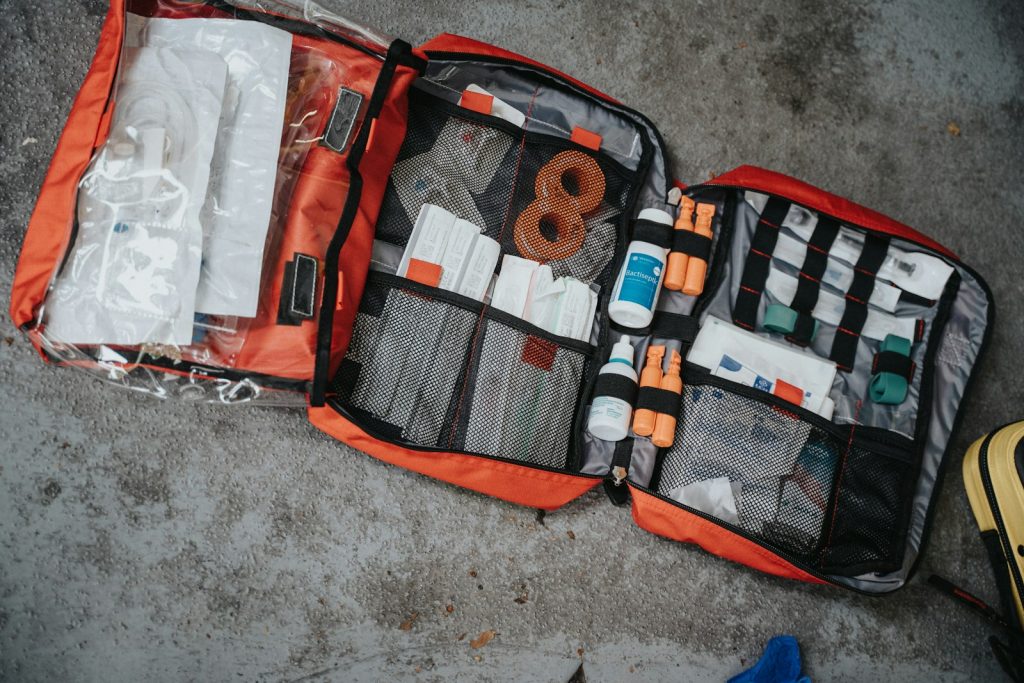
Getting sick on safari is uncommon, and most cases are minor: an upset stomach, too much sun, a cold or a blister. Guides carry first aid kits, camps can reach doctors by phone or radio, and serious cases are flown to Nairobi’s private hospitals. The two things that matter most are evacuation insurance and treating any fever seriously.
Sense of Adventure is a licensed safari operator based in Nairobi (TRA licence TRA1/47/C01/77087), and our team handles the practical side of health on safari every season. This guide explains how often travellers fall sick on safari, the most common problems, what happens step by step if you need a doctor in the bush, how evacuation works, the new mandatory Kenya insurance, the 2026 Ebola situation in plain terms, and how to pack and plan so a small problem stays small.
Table of Contents
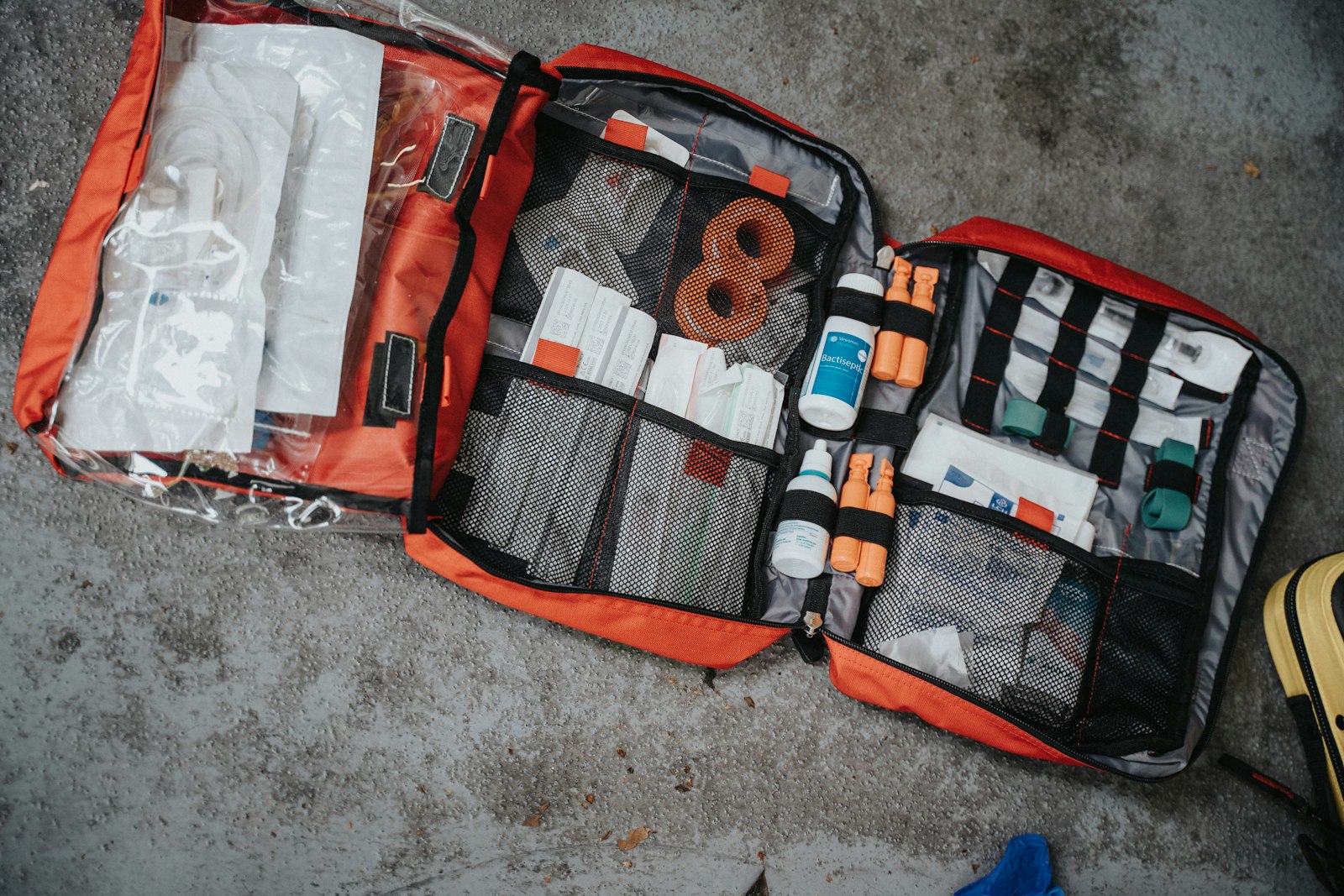
✅ Sick on Safari: The Quick Answer
- How common: most travellers are never sick on safari; when people do feel unwell, it is usually a mild stomach upset, heat, dust or tiredness.
- First response: your guide and camp staff give first aid and can call a doctor; many camps have links to nearby clinics.
- Serious cases: patients are usually taken by road or air ambulance to private hospitals in Nairobi.
- Insurance: since 5 October 2026 most visitors must buy a Kenyan travel health policy with their eTA; full travel insurance with evacuation cover is still strongly advised.
- Fever: any fever during or after a safari in a malaria area needs a malaria test the same day.
🌎 Worried About Health on Safari?
Tell us about any health needs before you book and we will plan routes, camps and pace around them. 💬 WhatsApp Us Now or call +254 799 160 081
How Likely Are You to Get Sick on Safari?
Most people never get sick on safari, and those who do usually recover within a day or two with rest, fluids and simple medicines.
A Kenya safari is not physically hard. You spend most of the day seated in a vehicle, you sleep in clean camps or lodges, and meals are prepared for international guests. The risks come from the setting: strong equatorial sun, dust, long drives on rough roads, a change of food and water, and insects.
Being sick on safari is more inconvenient than at home mainly because of distance. A clinic may be an hour or more away, and a full hospital may mean a flight. That is why preparation matters more than worry. Good camps, a trained guide and the right insurance turn a frightening idea into a manageable one.
| Problem | How common | Usual cause | What usually helps |
|---|---|---|---|
| Upset stomach | Fairly common | New food, rich meals, untreated water | Fluids, oral rehydration salts, plain food, rest |
| Heat exhaustion and sunburn | Common | Equatorial sun, open vehicles, too little water | Shade, water, a hat, high-factor sun cream |
| Dry throat, cough, sore eyes | Common in dry months | Dust on game drives, dry air | A buff or scarf, eye drops, lozenges |
| Motion sickness | Occasional | Bumpy roads, reading in the vehicle | Front seat, tablets, looking at the horizon |
| Insect bites | Common | Mosquitoes, tsetse flies, ants | Repellent, long sleeves, antihistamine cream |
| Malaria | Uncommon with prevention | Mosquito bites in risk areas | Tablets, bite prevention, urgent testing of any fever |
The Most Common Ways People Fall Sick on Safari
The usual reasons people feel sick on safari are simple, everyday ones, and almost all of them can be prevented.
Upset stomach and traveller’s diarrhoea
A change of diet, generous buffets and long days are the top reasons guests feel sick on safari. Reputable camps use filtered or bottled water and safe food handling, so serious food poisoning is rare. Most cases settle in 24 to 48 hours. Drink plenty, use oral rehydration salts and eat plain food. See a doctor if you have a high fever, blood in your stool or cannot keep fluids down.
Heat, sun and dehydration
Kenya sits on the equator, and the sun is strong even when the air feels cool at altitude. Open-roof vehicles, long drives and early starts make it easy to forget to drink. Headaches, nausea and tiredness that make people feel sick on safari are often simple dehydration. Carry a refillable bottle, wear a wide-brimmed hat and use sun cream on your face, neck and hands.
Dust, dry air and colds
Dry-season game drives can be dusty, and long-haul flights spread colds. Many guests who feel slightly sick on safari simply have a dry throat, mild cough or itchy eyes. A light scarf or buff over your nose, saline eye drops and throat lozenges help. Contact lens wearers often switch to glasses on dusty days.
Motion sickness on bumpy roads
Feeling car-sick on safari is common on rough park roads, and small aircraft can bounce in the afternoon heat. If you are prone to travel sickness, ask for a front seat, avoid reading on the move and take tablets before you set off. Fly-in safaris replace long drives with short flights, which many people prefer.
Bites, scratches and blisters
Small wounds are a less obvious way to end up sick on safari, because they can become infected in heat and dust. Clean every scratch, cover it and watch for redness. Mosquito and tsetse fly bites are usually just itchy; our guide to tsetse flies and sleeping sickness explains why the real risk to visitors is very low.
What Happens If You Get Sick on Safari? Step by Step
If you get sick on safari, help follows a clear chain: your guide, the camp, a local clinic or doctor, and if needed an evacuation to Nairobi.
- Tell your guide or camp manager early. Do not wait until evening. A small problem is easier to manage at 10am than at midnight.
- First aid on the spot. Many safari guides hold first aid training, and vehicles and camps carry kits.
- Remote medical advice. Camps can phone or radio a doctor for advice and arrange a visit or a transfer.
- Local clinic. Popular areas such as the Masai Mara, Amboseli and Naivasha have clinics or small hospitals within driving distance that can test for malaria and treat common problems.
- Call your insurer. Most policies require you to call their emergency line before major treatment or evacuation.
- Evacuation if needed. Serious cases go by road or air ambulance to Nairobi, which has the country’s best-equipped private hospitals.
- Adjust the itinerary. When you are sick on safari, your operator rearranges transfers, camps and flights while you recover.
Who to call if you are sick on safari
In Kenya, the UK government advises dialling 999 and asking for an ambulance in an emergency, then contacting your insurer quickly. In remote parks, your guide or camp will usually be faster than a public ambulance, so keep their numbers, your operator’s 24-hour number and your insurer’s emergency line in your phone and on paper.
Expert tip from our Nairobi team: photograph your passport, insurance certificate and emergency numbers, and give a copy to your travel companion. If you are the one who is unwell, someone else may need to make the calls for you.
Medical Care in the Bush: Clinics, Hospitals and Flying Doctors
Medical care in Kenya’s safari areas is basic but organised, and if you are sick on safari the real strength of the system is fast access to Nairobi by air.
| Level of care | Where you find it | What it handles |
|---|---|---|
| First aid | Guides, vehicles, camps and lodges | Cuts, blisters, mild illness, stabilising someone until help arrives |
| Remote doctor advice | By phone or radio from camp | Deciding whether you need a clinic, medicines or evacuation |
| Local clinic | Towns and some areas near major parks | Malaria tests, stomach infections, minor injuries |
| Air ambulance | Bush airstrips, mostly in daylight and good weather | Serious illness or injury needing hospital care |
| Private hospital | Nairobi | Full diagnosis, surgery, intensive care, specialists |
Nairobi has several large private hospitals, such as the Aga Khan University Hospital and The Nairobi Hospital, which treat many international patients. Outside the capital, facilities are more limited, and the US government notes that medical services in rural areas are limited.
How air evacuation works
Kenya has experienced air ambulance providers, including AMREF Flying Doctors, which flies patients from bush airstrips to Nairobi. AMREF also sells short-term evacuation cover for tourists. Flights depend on daylight, weather and the airstrip, so a night-time emergency may mean stabilising the patient and flying at first light. Being seriously sick on safari can mean an evacuation, which is expensive, and that is why your insurance must include it.
Fever on Safari: Malaria and When to Worry
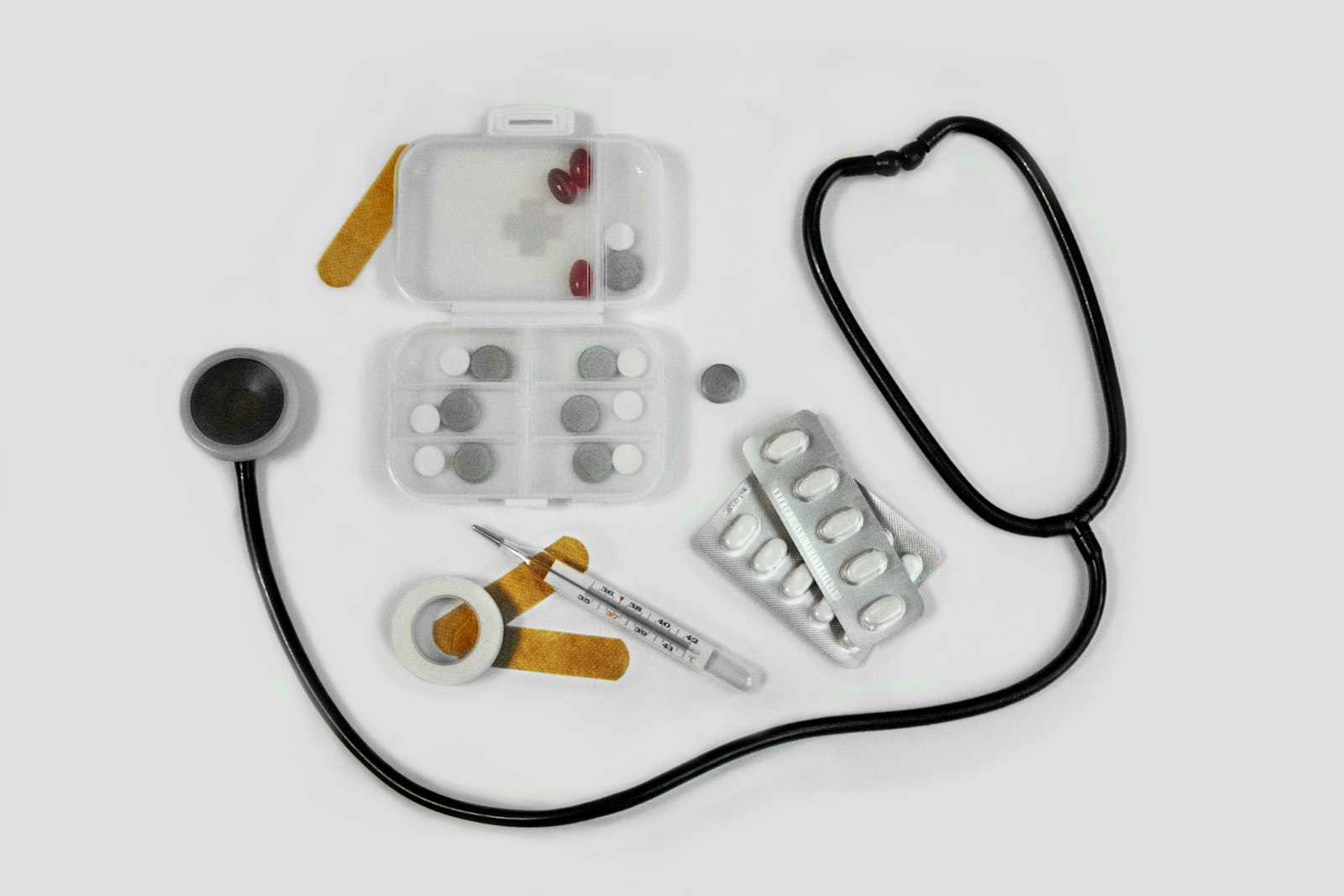
A fever is the one symptom you should never ignore if you have been sick on safari or recently returned, because it can be a sign of malaria.
Most of Kenya’s safari areas below about 2,500 metres, including the Masai Mara, Amboseli, Samburu, Tsavo and the coast, carry malaria risk. Symptoms can look like flu: fever, chills, headache, aches and tiredness. According to the CDC’s Kenya travel health page, travellers should take prescribed antimalarials and prevent bites.
- Timing: malaria usually appears at least seven days after an infective bite, and it can appear weeks or months after you return home.
- Test fast: clinics near the parks and in Nairobi can do rapid malaria tests.
- At home: if you develop a fever after the trip, tell the doctor you have been to Kenya.
Our Kenya safari malaria guide covers tablets, risk by area and bite prevention in detail.
Ebola in Kenya in 2026: What It Means for Safari Travellers
Kenya confirmed an imported Ebola case in October 2026, but the World Health Organization reports the cases are a single linked cluster and advises against travel restrictions.
On 6 October 2026, Kenya’s Ministry of Health confirmed an imported case of Bundibugyo Ebola in a patient who had travelled from the Democratic Republic of the Congo. The WHO outbreak update of 23 October 2026 reported nine confirmed cases in Kenya, all linked to that patient and including family members and health workers, with contacts traced and quarantined. WHO found no evidence of spread outside this cluster at that time.
Ebola is not airborne. It spreads through direct contact with the body fluids of a sick person, which is why health and care workers are most at risk. Ordinary tourists on safari are not in that situation, and a traveller who feels sick on safari with a stomach bug or cold has nothing to do with Ebola. Even so, it is sensible to follow official updates: the US State Department raised Kenya to Level 3 in October 2026, citing Ebola among other reasons, and airports are screening travellers.
Check the UK government’s Kenya health advice or your own government’s page before you travel, because the situation can change quickly.
Insurance If You Are Sick on Safari: Mandatory Policy vs Full Cover
Insurance decides how smoothly things go if you are sick on safari, and in 2026 Kenya made a basic travel health policy compulsory for most visitors.
For arrivals from 5 October 2026, most non-Kenyan visitors staying less than 12 months must buy a Kenyan travel health insurance policy, offered during the application on the official Kenya eTA website. Reported limits are modest: about USD 20,000 for medical costs and USD 25,000 for emergency transport. Check the current terms on the eTA site, as details may change.
| Feature | Kenya mandatory policy | Comprehensive travel insurance |
|---|---|---|
| Required for entry | Yes, for most visitors | No, but strongly advised |
| Medical cover | Limited, reported at about USD 20,000 | Usually much higher |
| Evacuation and repatriation home | Limited emergency transport | Usually includes flights home with medical escort |
| Cancellation and lost luggage | Not the purpose of the policy | Usually included |
| Pre-existing conditions | Check the terms | Can be declared and covered |
Our guides to Kenya’s mandatory travel insurance and choosing travel insurance for a Kenya safari explain both in more detail.
📅 Get a Free, No-Obligation Safari Quote
Send us your dates and any health needs, and we will suggest camps and routes with sensible access to medical help. ✉ Send Us Your Dates on WhatsApp
Your Safari Medical Kit: What to Pack
A small personal medical kit means you rarely need outside help if you feel sick on safari, because most problems can be handled in camp.
- Prescription medicines: enough for the whole trip plus a few spare days, in original packaging, with a copy of the prescription.
- Antimalarials: if prescribed, taken exactly as directed before, during and after the trip.
- Stomach care: oral rehydration salts and anti-diarrhoea tablets.
- Pain and fever relief: paracetamol or ibuprofen, plus a digital thermometer.
- Skin and bites: insect repellent, high-factor sun cream, lip balm, antihistamine tablets and cream.
- Wound care: plasters, blister dressings and antiseptic wipes.
- Comfort: motion sickness tablets, eye drops, throat lozenges and hand sanitiser.
The UK government notes that some medicines bought or prescribed at home may have a different legal status in Kenya, so check before you pack anything unusual. Bush flights have a 15 kg soft-bag limit, so keep your kit compact; see what to pack for an African safari.
How to Avoid Getting Sick on Safari
The best way to avoid getting sick on safari is a few simple habits started before you fly and kept up every day of the trip.
- See a travel clinic six to eight weeks ahead for vaccines, malaria advice and a check of your medicines. Our Kenya vaccination guide explains the yellow fever rules.
- Drink safe water from bottles or camp filters, and use it to brush your teeth.
- Wash or sanitise your hands before every meal and snack in the vehicle.
- Pace the buffet: rich food three times a day is a common cause of stomach trouble.
- Prevent bites with repellent, long sleeves at dusk and a mosquito net or sealed tent at night.
- Protect yourself from the sun and drink water steadily through each game drive.
- Rest: skip a drive if you feel run down; the animals will still be there tomorrow.
Expert tip from our Nairobi team: plan a lighter day after long flights. Arriving tired and dehydrated, then starting a five-hour drive, is one of the most common reasons guests feel sick on safari on day two.
Tell your operator about allergies or dietary needs in advance; our safari food and dietary guide explains how camps handle them.
Pre-Existing Conditions and Older Travellers
Travellers with a long-term condition can enjoy a safari safely with planning, because the main extra risk if you are sick on safari is distance from specialist care.
If you have heart, lung or diabetes conditions, or have had recent surgery, ask your doctor whether long flights, heat and rough roads are suitable. Declare every condition to your insurer. Carry a letter listing your diagnosis, medicines and allergies. Choose camps closer to airstrips and consider a fly-in route that avoids long drives.
Our guide to a safari in your 70s and 80s explains pacing and camp choice, and the Gentle Fly-in Safari for Seniors uses short flights and relaxed timings. Message us for a quote.
Choosing an Operator and Camps With Good Medical Back-Up
The operator and camps you choose make a real difference to how quickly you get help if you are sick on safari.
- Are your guides trained in first aid, and do vehicles carry a kit?
- Does each camp have a way to reach a doctor, and how far is the nearest clinic and airstrip?
- Is there a 24-hour emergency number for the whole trip?
- Can the itinerary be changed quickly if someone is sick on safari?
- Is the company licensed by the Tourism Regulatory Authority?
A private vehicle also helps, because you can return to camp early without affecting other guests. Our guide to private vs group safaris compares the two, and the questions to ask before booking a safari include health and safety checks.
Sick on Safari FAQs
What happens if you get sick on safari?
Your guide or camp gives first aid and can call a doctor by phone or radio. Clinics near major parks can test for malaria and treat common problems. Serious cases are moved by road or air ambulance to private hospitals in Nairobi. Call your insurer early, as most policies must approve treatment and evacuation.
What is the most common illness on safari?
A mild upset stomach is the most common complaint, followed by heat exhaustion, sunburn, dust-related coughs and sore eyes. Most cases settle within one or two days with fluids, rest and simple medicines. Drinking safe water, washing hands and pacing yourself at the buffet prevent most problems.
Are there hospitals near Kenya’s safari parks?
There are clinics and small hospitals in towns near popular parks such as the Masai Mara, Amboseli and Naivasha. They handle malaria tests, infections and minor injuries. For serious illness, patients are usually flown to Nairobi, which has large private hospitals used to treating international visitors.
Do I need medical evacuation insurance for a Kenya safari?
Yes. Since 5 October 2026 most visitors must buy a Kenyan travel health policy with their eTA, but its limits are modest. Full travel insurance that includes air evacuation and repatriation home is strongly advised, because an air ambulance from a remote airstrip can be very expensive.
Is it safe to go on safari in Kenya with Ebola reported?
WHO’s 23 October 2026 update described Kenya’s nine cases as one linked cluster, with no evidence of wider spread, and advised against travel restrictions. Ebola spreads through direct contact with a sick person’s body fluids, not through the air. Check your government’s latest advice before travelling, as situations change.
What should I do if I get a fever after a safari?
Treat it as urgent. Malaria can appear from about seven days after a bite and up to months after you return home. See a doctor the same day, ask for a malaria test and say that you have travelled to Kenya. Do not wait to see whether it passes.
What medicines should I take on safari?
Bring your prescriptions with spare days, any prescribed antimalarials, oral rehydration salts, anti-diarrhoea tablets, pain and fever relief, antihistamines, motion sickness tablets, eye drops, plasters and antiseptic wipes. Add repellent and high-factor sun cream. Keep medicines in original packaging with a copy of prescriptions.
🏕 Plan Your Safari With Sense of Adventure
Kenya-based experts. Real local knowledge. Transparent pricing. We plan every safari with your comfort and health in mind, from camp choice to a 24-hour contact if anyone feels sick on safari. 💬 WhatsApp Us — Start Planning Today
Call or WhatsApp: +254 799 160 081
Related Safari Guides
- ›Kenya Safari Malaria Guide
- ›Kenya Mandatory Travel Insurance
- ›Kenya Travel Insurance Guide
- ›What to Pack for an African Safari
- ›Safari in Your 70s and 80s
Official travel & park resource: Kenya Wildlife Service ↗ · NHS fitfortravel: Kenya ↗