


How to sell Kenya safaris comes down to five steps: qualify the client properly, match them to the right route and season, build a clear proposal with every inclusion listed, price it on trade rates with park fees at cost, and back it with a reliable Kenyan ground partner. Agents who follow these steps convert more enquiries and win repeat clients.
Sense of Adventure is a Nairobi-based ground operator licensed by Kenya’s Tourism Regulatory Authority (TRA1/47/C01/77087), working with travel agents, tour operators, wholesalers, OTAs and MICE planners. From the agency briefs we handle, the best ones share the same habits. This practical guide on how to sell Kenya safaris covers the market, client qualification, core products, routes and seasons, proposals, pricing, objections, entry rules, marketing and after-sales.
Table of Contents

✅ How to Sell Kenya Safaris: The Quick Answer
- Qualify first: dates, budget per person, travel style, ages, interests and pace before you suggest anything.
- Lead with three core products: a Masai Mara safari, a Mara and Amboseli circuit, and a bush and beach combination.
- Sell the season honestly: July to October for the migration, January to March and June for value.
- Show what is included: vehicle, guide, park fees, meals, flights and evacuation cover, listed line by line.
- Price on trade terms: net or commissionable rates from a licensed ground operator; park fees passed through at cost.
- Follow up fast: a quote within 24 hours keeps the client warm; a slow quote often loses the sale.
🤝 Starting to sell Kenya this season?
Send us your first client brief and we will turn it into a costed, white-label proposal within 24 hours. 📋 Request B2B Rates
How to Sell Kenya Safaris: The Market Opportunity
Kenya is a growing, proven safari market, which makes learning how to sell Kenya safaris a sound investment for any agency.
According to the government’s 2025 Tourism Sector Performance Report, Kenya received about 2.7 million international visitors in 2025, up from about 2.47 million in 2024, with total tourism earnings of around KES 500 billion. The United States was the top source market, followed by Uganda, Tanzania and the United Kingdom. Africa made up 47 per cent of international arrivals, Europe 25 per cent and the Americas 14 per cent. The Kenya Tourism Board markets the country under the Magical Kenya brand.
For agencies, that demand means clients already know the names: the Masai Mara, the Great Migration, Kilimanjaro views from Amboseli and the beaches of Diani and Zanzibar. Your job, and the heart of how to sell Kenya safaris, is not to create the dream but to shape it into a trip that fits the client’s time, budget and style.
Step 1: Qualify the Client Before You Quote
The single biggest lesson in how to sell Kenya safaris is to ask the right questions before you suggest a route.
- Dates and flexibility: fixed dates, a month, or open? This decides season, fees and availability.
- Budget: a realistic figure per person, excluding international flights.
- Travel style: lodge, tented camp, conservancy camp or mobile camping.
- Who is travelling: ages of children, mobility needs, dietary and medical requirements.
- Interests: big cats, the migration, photography, culture, walking, birding, beach time.
- Pace: long road days or short flights; number of nights in each place.
- Experience: first safari or a repeat visitor wanting something new.
- Extensions: beach, Tanzania, gorillas in Uganda or Rwanda, or a Nairobi stay.
Expert tip from our Nairobi operations team: ask for the budget as a range per person and say it plainly. Clients who name a number get a proposal that fits; clients who do not often receive one that is too expensive or too basic, and both lose the sale.
Step 2: Know the Core Kenya Products
You do not need to know every camp in Kenya; you need to know a handful of reliable products and when to sell each one. That is how to sell Kenya safaris efficiently.
| Product | Typical length | Best for | Key selling point |
|---|---|---|---|
| Masai Mara road safari | 3–4 days | First-timers, value | Big cats and, in season, the migration |
| Mara, Naivasha and Amboseli circuit | 6–7 days | Classic first safari | Cats, hippos, elephants and Kilimanjaro views |
| Fly-in Mara or conservancy safari | 3–5 days | Luxury, honeymoon, short stays | No long drives; fewer vehicles |
| Northern circuit: Samburu, Laikipia, Ol Pejeta | 5–9 days | Repeat visitors, rhino, special species | Different wildlife and landscapes |
| Bush and beach | 8–12 days | Honeymoon, families, Europeans in winter | Safari plus Diani, Watamu, Lamu or Zanzibar |
| Kenya and Tanzania | 10–14 days | Migration followers, big trips | Mara plus Serengeti and Ngorongoro |
| Nairobi layover or day safari | 1 day | Transit and business travellers | Lions and rhinos near the city |
Our landing pages for private Kenya safaris, luxury Kenya safaris and safaris from Nairobi show sample itineraries, and our B2B trade portfolio lists trips you can sell at trade rates.
Step 3: Match Route, Season and Budget
Knowing how to sell Kenya safaris well means matching three things at once: where the client goes, when they go and what they can spend.
Season
Season is a key lever in how to sell Kenya safaris, and Kenya can be sold all year. July to October brings the Great Migration to the Mara and the highest demand. January to March is warm, dry and good value. April and May are the long rains, with the lowest prices and some camp closures. November brings short rains. Reserve fees in the Mara double from July, so dates change the price; our guide to the Masai Mara for travel agents has the full calendar.
Budget levels
- Value: road safari, comfortable lodges or permanent tented camps, private or shared vehicle.
- Mid-range: road or mixed road and air, well-located tented camps, private vehicle.
- Luxury: fly-in, conservancy camps, private guiding and exclusive activities.
When the budget does not fit the wish list, change one variable at a time: fewer nights, road instead of air, a shoulder month, or a camp just outside a reserve. Explaining these trade-offs is a core part of how to sell Kenya safaris, and clients appreciate the honesty.
Step 4: Build a Proposal That Sells
A winning safari proposal is short, visual and specific: a day-by-day plan, the camps, the vehicle, a clear price and a full list of what is included. This is how to sell Kenya safaris on paper.
- Open with a one-paragraph summary of the trip and why it suits the client.
- Show a day-by-day itinerary with drive or flight times.
- Name each camp with two or three lines on why you chose it.
- State the vehicle type and whether it is private, with a guaranteed window seat.
- Give one clear price per person, with child and single prices if needed.
- List inclusions and exclusions in plain language.
- Add booking terms: deposit, balance date and cancellation scale.
- Close with one clear next step and a response deadline.
How to sell Kenya safaris with a clear inclusions list
Clients compare quotes line by line, so a full inclusions list is one of the simplest tools in how to sell Kenya safaris. A typical safari package includes accommodation and meals as stated, the vehicle and driver-guide, fuel, park and reserve fees, scheduled game drives, airport transfers and bottled water in the vehicle. Typical exclusions are international flights, visas, travel insurance, tips, drinks and optional activities such as balloon flights.
If you sell under your own brand, ask your partner for white-label documents; our guide to white label safari Kenya explains how this works.
Step 5: Price It Right on Trade Terms
Pricing is where many agencies lose margin, so any plan for how to sell Kenya safaris must include a clear grasp of trade rates and park fees.
- Net rates: you receive a net price and add your own mark-up.
- Commissionable rates: you sell at a set price and earn a commission; terms are agreed in writing.
- Park fees: set by public authorities and best passed through at cost.
- Currency: safari rates are usually quoted in US dollars; plan for exchange movements.
- Validity: check how long a quote is held and when rates change by season.
For detail, read our guides to safari net rates vs commission, Kenya safari wholesale rates and Kenya park fees for tour operators.
📩 Request Our Current Trade Rates
Tell us which markets you sell to and the trips your clients ask for, and we will send current trade rates and sample proposals. 📋 Fill in the B2B Rates Form
How to Sell Kenya Safaris by Source Market
Knowing how to sell Kenya safaris to each source market means adjusting the route, the season and the message to what those clients value.
United States and Canada
The United States is Kenya’s largest source market. North American clients often want private vehicles, well-known camps and a Mara focus, and many add Tanzania or a beach stay. Kenya Airways flies nonstop between New York and Nairobi; check current schedules for other routings. Our client guide to a Kenya safari from the USA covers entry and insurance points you can share.
United Kingdom and Europe
UK and European clients are experienced travellers who often combine safari with the Kenya coast, especially in the European winter. There are nonstop flights from London and Amsterdam, and Gulf carriers connect much of Europe via their hubs. Our Kenya safari packages from the UK page shows the kind of private trips this market buys.
India, Southeast Asia and the Middle East
Indian clients often travel as families or multigenerational groups and need vegetarian or Jain meal planning, while Malaysian and Middle Eastern clients may ask for halal food and prayer times. Nonstop and one-stop connections from Mumbai, Delhi, the Gulf and Southeast Asia make Kenya easy to reach. See our client guides to Kenya safari packages from India and a Kenya safari from Malaysia.
Step 6: Handle Common Client Objections
Learning how to sell Kenya safaris includes handling objections: most are about safety, cost, health and expectations, and a calm, factual answer usually resolves them.
| Client objection | A good answer |
|---|---|
| Is Kenya safe? | Millions visit each year. Share official advice from the UK or US government and explain the support your ground partner provides. |
| It is too expensive. | Show the inclusions, then offer a shoulder month, fewer nights or a road option. |
| Will we see the migration? | It is seasonal and never guaranteed; sell the resident wildlife first and the herds as a bonus. |
| What about health and malaria? | Advise a travel health consultation and point to official health guidance for Kenya. |
| Is it suitable for children? | Yes, with private vehicles, shorter drives and family-friendly camps; check age limits. |
| The flights are too long. | Suggest a Nairobi night on arrival and a fly-in to cut road time. |
Answering objections well is the part of how to sell Kenya safaris that builds trust. Share the UK government’s Kenya travel advice or the US State Department travel information rather than giving personal opinions on safety.
Expert tip from our Nairobi operations team: when a client worries about safety, explain the practical support on the ground, such as a named driver-guide, a 24-hour contact in Nairobi and evacuation cover. Specifics reassure far more than general promises.
Entry, Health and Insurance Essentials
Part of how to sell Kenya safaris responsibly is to include, with every sale, a short checklist of entry, health and insurance requirements, sent at the time of booking.
- Entry: most visitors need an Electronic Travel Authorisation, applied for on the official Kenya eTA portal; rules change, so check before each departure.
- Passports: check validity and blank pages against the latest official guidance.
- Health: advise clients to see a travel health professional about vaccinations and malaria prevention.
- Insurance: recommend cover that includes medical evacuation and trip cancellation.
- Evacuation: every Sense of Adventure safari includes complimentary AMREF Flying Doctors emergency evacuation cover.
- Luggage: soft bags and the usual 15 kg limit on light aircraft.
Marketing Kenya to Your Clients
When agencies ask us how to sell Kenya safaris to new audiences, our answer is that marketing works best when it is seasonal, specific and backed by real itineraries rather than generic safari images.
- Seasonal campaigns: promote the migration early in the year and green-season value in the autumn.
- Niche offers: honeymoons, family safaris, photography, multigenerational trips and incentives.
- Destination assets: use official imagery and stories from Magical Kenya.
- Familiarisation trips: nothing sells a destination like having been there yourself.
- Client stories: share feedback and photos from returning clients, with permission.
Ready-made products make campaigns easier. Our Kenya Highlights Safari, bush and beach combinations and Kenya and Tanzania packages are good starting points.
After the Sale: From Confirmation to Feedback
After-sales service is the most overlooked part of how to sell Kenya safaris, and it is where agencies earn repeat business and referrals.
- Send the confirmation, vouchers and a pre-departure guide promptly.
- Collect passport details, dates of birth and dietary needs early.
- Share the arrival plan, including meet and greet at JKIA or Wilson Airport.
- Make sure the client has the ground team’s emergency number.
- Ask your partner for real-time updates if anything changes on the trip.
- Call or email the client after they return, and ask for feedback.
Our guide to how a Kenya tour operator works with travel agents sets out each stage from brief to debrief.
How Sense of Adventure Helps You Sell Kenya
We help agencies learn how to sell Kenya safaris by doing the local work for you: fast quotes, honest advice, reliable delivery and your brand on the documents.
- Trade pricing: B2B net rates or commissionable rates, terms confirmed in writing, plus seasonal offers.
- Speed: quotations within 24 hours from a dedicated trade desk.
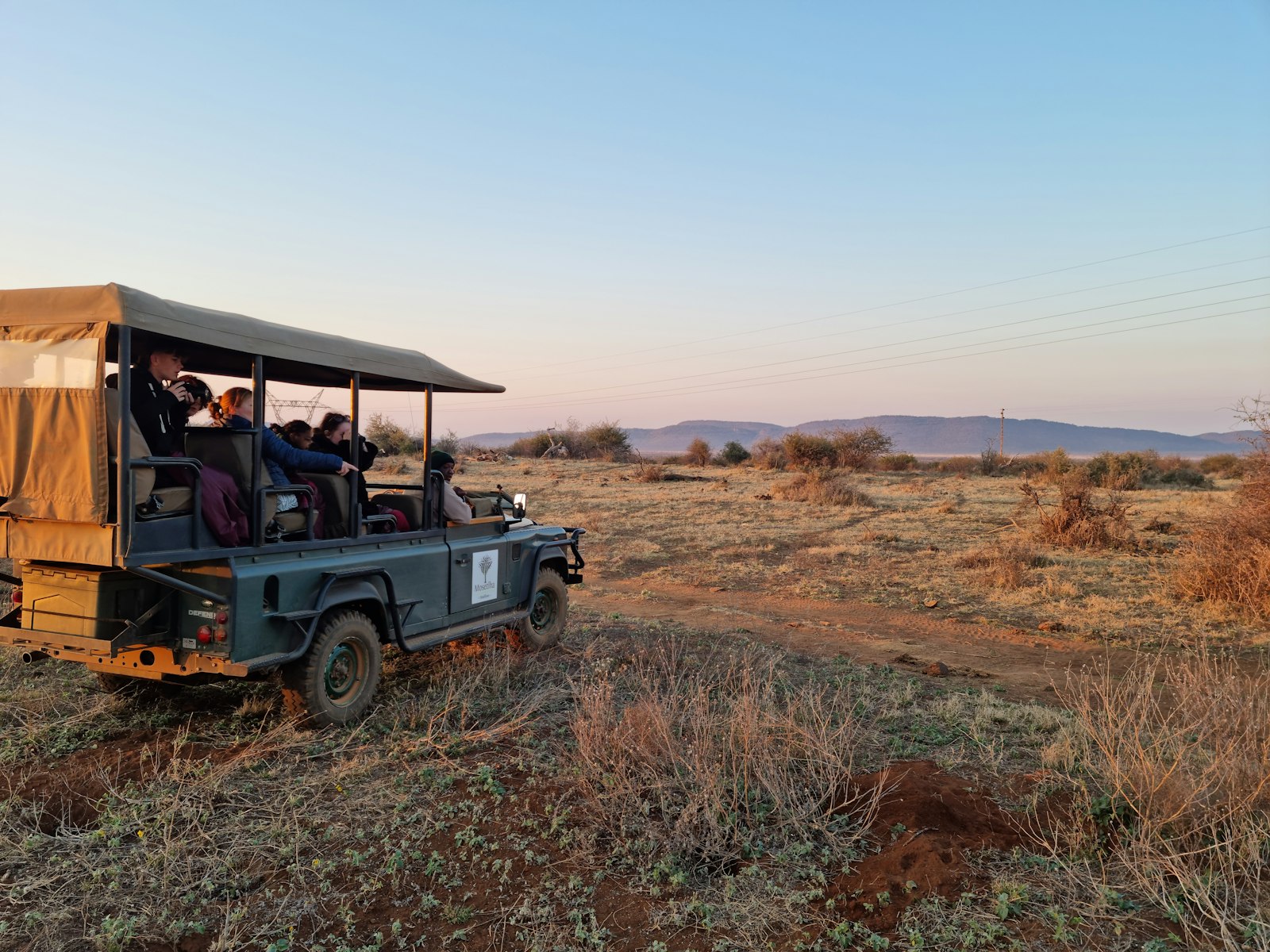
- Ground handling: accommodation, pop-up roof 4×4 Land Cruisers and safari vans, English-speaking driver-guides, scheduled light-aircraft bookings, park entry and activities.
- Arrivals: meet and greet at JKIA and Wilson Airport.
- Range: FIT and group handling, private safaris, custom itineraries, MICE and incentives, and Kenya and Tanzania with Zanzibar, Uganda and Rwanda extensions.
- Support: real-time operational updates and emergency support from our Nairobi team.
You can check our licence with the Tourism Regulatory Authority, and see how to vet any partner through the Kenya Association of Tour Operators. Full trade details are on our Kenya DMC for travel agents page.
How to Sell Kenya Safaris FAQs
How do travel agents start selling Kenya safaris?
Start by choosing a licensed Kenyan ground operator, agreeing net or commissionable terms in writing and learning three or four core products. Then qualify each client carefully, send clear proposals quickly and follow up. A familiarisation trip, when you can arrange one, makes selling much easier.
What is the best Kenya safari to sell to first-timers?
A six or seven-day circuit of the Masai Mara, Lake Naivasha and Amboseli suits most first-time clients. It combines big cats, hippos, elephants and Kilimanjaro views with manageable drive times. Clients short on time can take a three-night Mara safari, by road or by air.
How much commission can agents earn on Kenya safaris?
It depends on the partner and the agreement. Some operators give net rates so you set your own mark-up, while others offer commissionable rates. Terms should always be confirmed in writing. Ask your Kenya ground operator for its current trade rates and terms before you quote clients.
When is the best time to sell Kenya safaris?
Kenya sells all year. Migration trips for July to October should be sold early, often 9 to 12 months ahead. January to March and June offer good wildlife at better value, and April to May suits price-sensitive clients happy with some rain.
Do clients need a visa for Kenya?
Most visitors need an Electronic Travel Authorisation, applied for online through the official Kenya eTA portal before travel. Rules and exemptions change, so check the official site for each client nationality and remind clients to apply well before departure, allowing time for processing.
How do I make my Kenya safari quotes stand out?
Keep them short and specific: a day-by-day plan, named camps with reasons, the vehicle type, one clear price and a full inclusions list. Send the quote quickly, ideally within 24 hours, and close with one clear next step and a deadline for the client to confirm.
Can I sell Kenya safaris under my own brand?
Yes. Many Kenyan ground operators, including Sense of Adventure, prepare white-label itineraries, vouchers and documents under your agency name. Agree in writing how the operator will communicate with your clients and how your client relationship is protected. It is often the simplest way to learn how to sell Kenya safaris without building your own supplier contracts.
🏕 Partner With Sense of Adventure in Kenya
Kenya-based ground operator. Real local knowledge. Transparent trade pricing. Send us your next client brief and we will help you turn it into a confirmed Kenya safari. 📋 Request B2B Rates · 💬 WhatsApp Our Trade Desk
Call or WhatsApp: +254 799 160 081 · Email: info@senseofadventure.co.ke
Related Trade Guides
- › Kenya DMC for Travel Agents: B2B Rates and Ground Handling
- › Masai Mara for Travel Agents: Reserve, Conservancies and How to Quote
- › Kenya Tour Operator for Travel Agents: How a Local Partner Works With You
- › Safari Net Rates vs Commission: Which Model Suits Your Agency
- › Kenya Park Fees for Tour Operators: 2026 Guide for Quoting
Official licensing & park resources: Tourism Regulatory Authority ↗ · Kenya Wildlife Service ↗