Choosing Samburu vs Lake Nakuru depends on what you want to add to your safari. Lake Nakuru, about three hours from Nairobi, is the easy choice for rhinos, Rothschild’s giraffes and a short Rift Valley stop. Samburu, five to six hours north, is wilder and drier, with rare northern species, big elephant herds and far fewer vehicles.
Sense of Adventure is a licensed safari operator based at Mountain Mall on Thika Road, Nairobi (TRA licence TRA1/47/C01/77087), and we include both parks in our Kenya itineraries. This guide compares Samburu vs Lake Nakuru on wildlife, scenery, distance, crowds, cost, seasons and who each suits, with sample routes to help you decide which is worth adding, or whether to see both.
Table of Contents
✅ Samburu vs Lake Nakuru: The Quick Answer
- Choose Lake Nakuru for: easy rhino sightings, Rothschild’s giraffe, flamingos when water levels allow, and a short drive from Nairobi or the Mara.
- Choose Samburu for: the “Samburu Special Five”, large elephant herds, leopards, a dramatic desert landscape and a quieter, more remote feel.
- Time needed: Lake Nakuru works as a one-night stop; Samburu needs at least two nights.
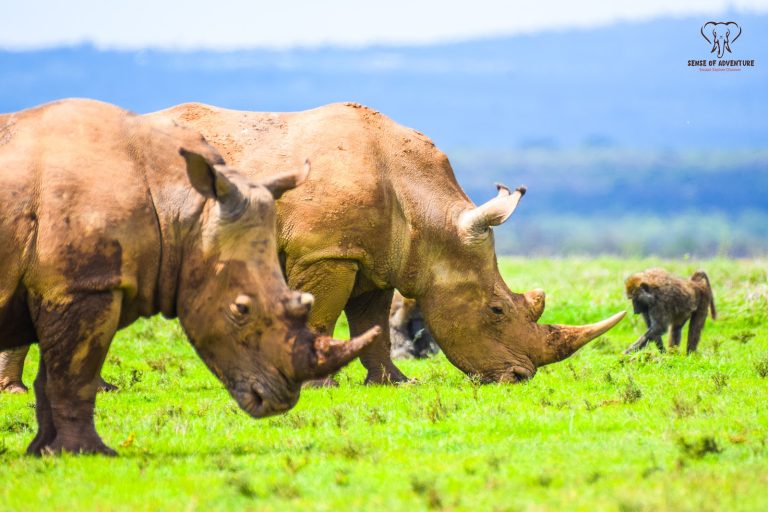
- Rhinos: Lake Nakuru has black and white rhinos; Samburu has none.
- Big cats: both have lions and leopards; Samburu is often better for leopards and cheetahs.
- Our view: first-timers on a short trip usually add Lake Nakuru; repeat visitors and wildlife lovers often prefer Samburu.
🌎 Not Sure Which Park to Add?
Tell us your dates and interests, and we will recommend the park that fits your route best. 💬 WhatsApp Us Now or call +254 799 160 081
Samburu vs Lake Nakuru at a Glance
Samburu and Lake Nakuru are similar in size but feel completely different: one is semi-desert in the north, the other a green, fenced lake park in the Rift Valley.
| Feature | Samburu National Reserve | Lake Nakuru National Park |
|---|---|---|
| Location | Northern Kenya, Samburu County | Central Rift Valley, near Nakuru town |
| Size | About 165 km², with Buffalo Springs and Shaba next door | About 188 km² |
| Landscape | Dry bush, doum palms, the Ewaso Ng’iro River | Alkaline lake, acacia woodland, escarpments |
| Drive from Nairobi | About 5–6 hours | About 3 hours |
| Signature wildlife | Grevy’s zebra, reticulated giraffe, gerenuk, beisa oryx, Somali ostrich | Black and white rhino, Rothschild’s giraffe, flamingos, pelicans |
| Big Five | Four (no rhino) | Four (elephants are absent) |
| Crowds | Low | Moderate, busier at weekends |
| Managed by | Samburu County Government | Kenya Wildlife Service |
Samburu vs Lake Nakuru for Wildlife
For wildlife variety, Samburu offers species you cannot see in southern Kenya, while Lake Nakuru offers the most reliable rhino viewing on a classic route.
What you see in Samburu
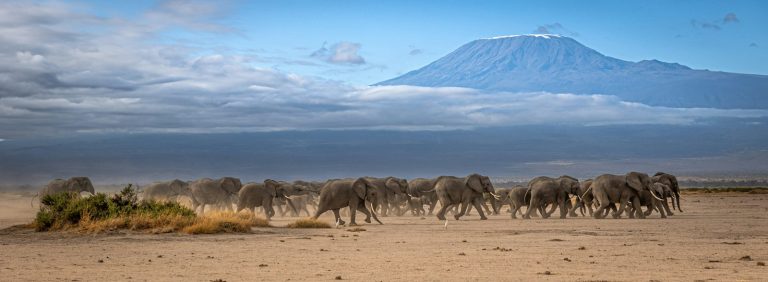
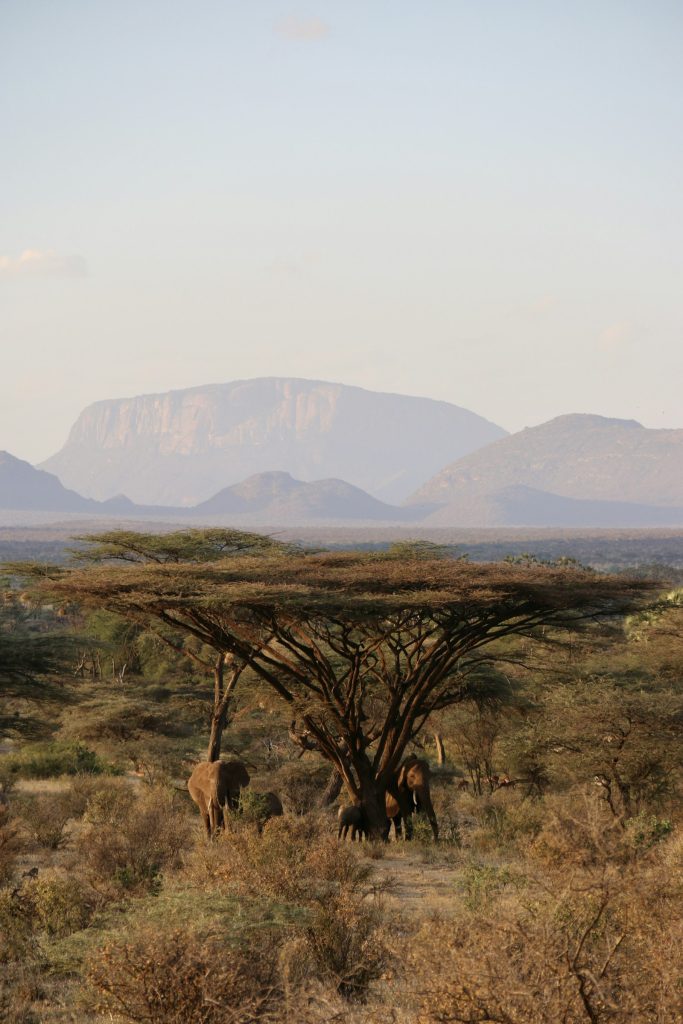
Samburu is famous for the “Samburu Special Five”: Grevy’s zebra, reticulated giraffe, Somali ostrich, beisa oryx and the long-necked gerenuk, which stands on its hind legs to feed. These dry-country animals are found mainly north of the equator. Elephants gather along the Ewaso Ng’iro River, and the reserve is known for leopards, lions and cheetahs. Birdlife is rich too, with vulturine guineafowl and colourful dry-country species.
What you see at Lake Nakuru
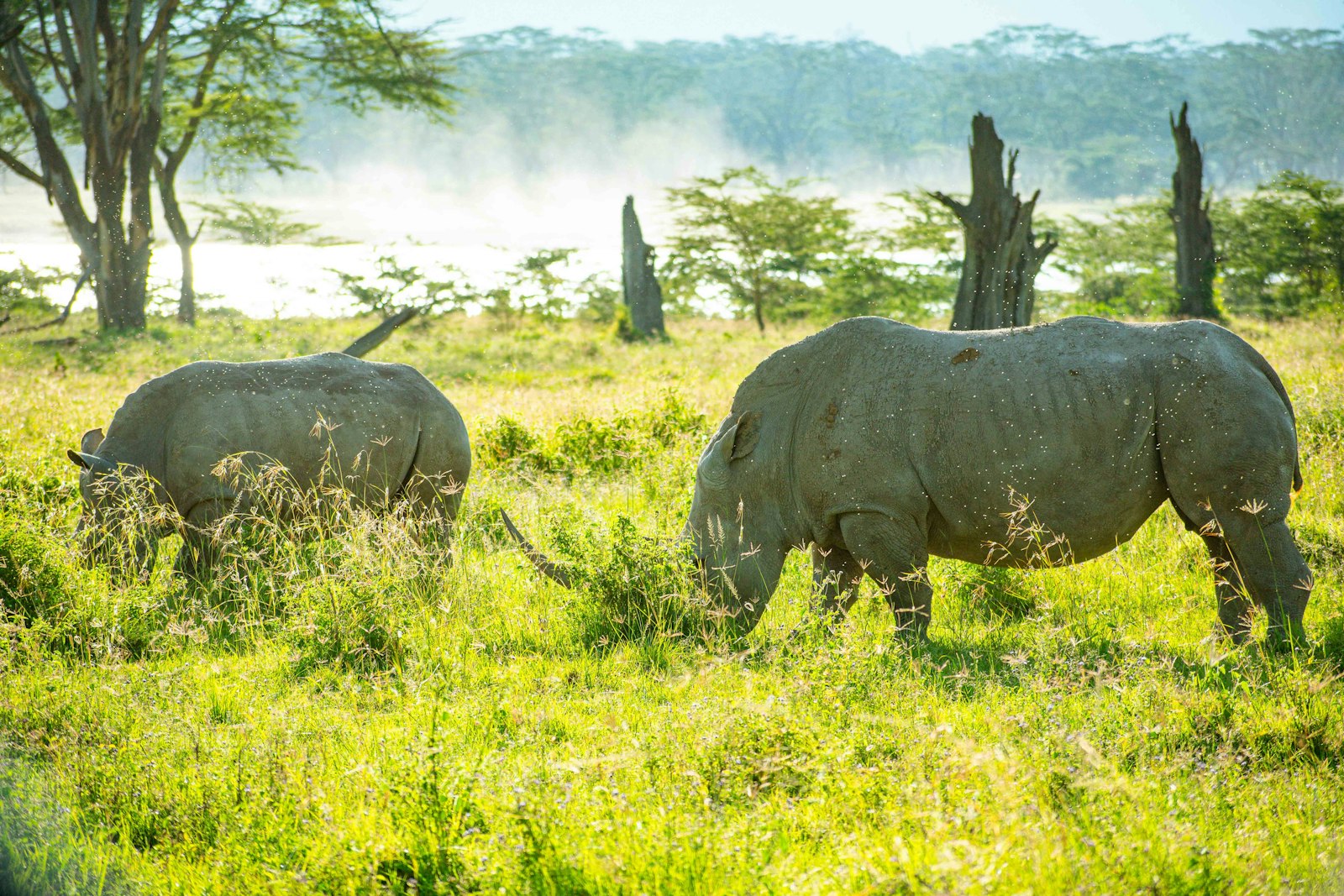
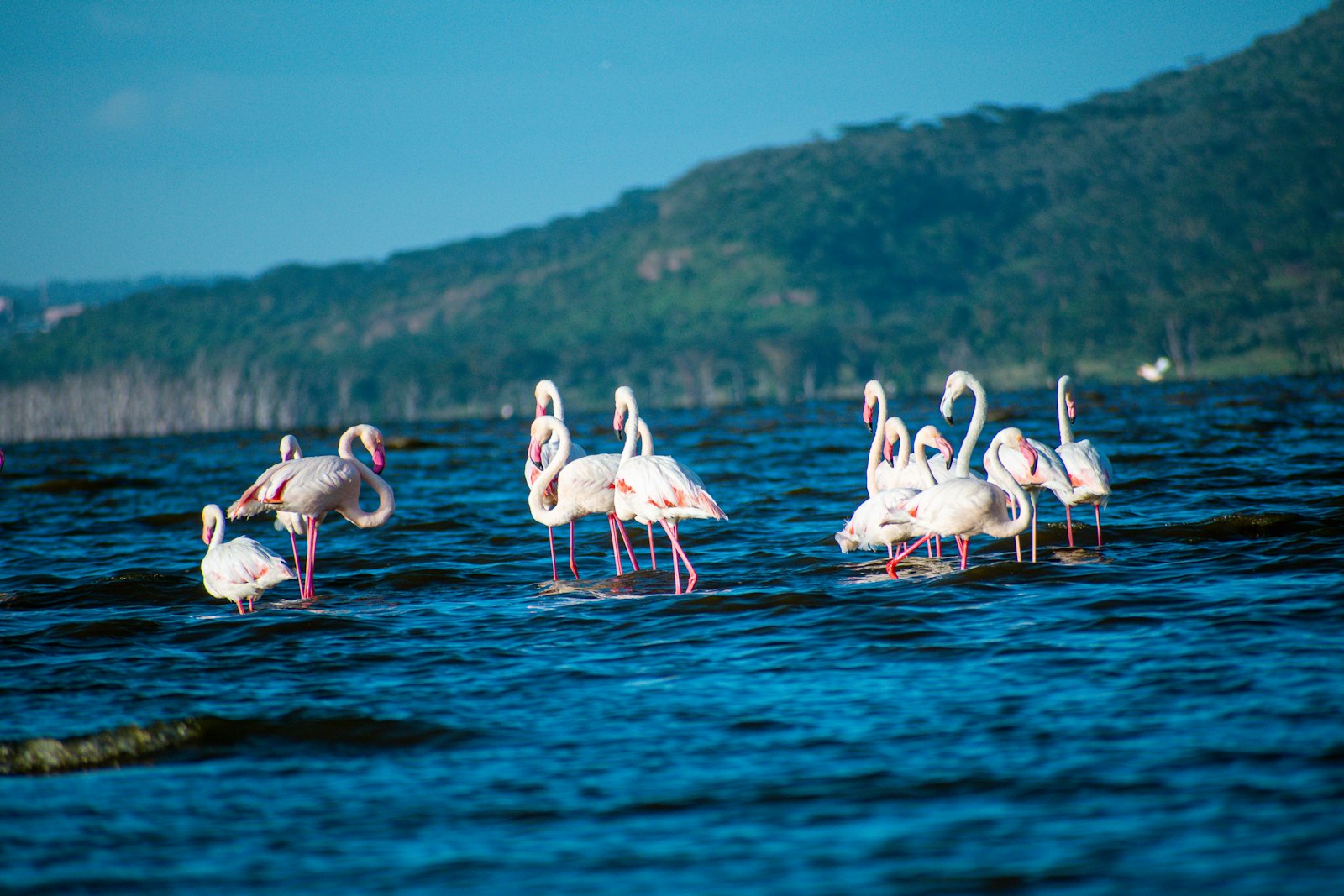
Lake Nakuru National Park is a fenced rhino sanctuary, and seeing both black and white rhinos in a single game drive is common. It is also a stronghold of the endangered Rothschild’s giraffe. Lions, including some that climb trees, and leopards live in the acacia woodland, alongside buffalo, waterbuck and baboons. Flamingo numbers vary widely from year to year as water levels change, so do not choose the park for flamingos alone.
Expert tip from our Nairobi team: if rhinos are high on your wish list and your route is the classic Mara circuit, Lake Nakuru is the simplest way to see them. If you have already seen rhinos, or will visit Ol Pejeta, Samburu adds far more new species.
Our guide to the Big Five in Kenya explains your chances park by park, and our Lake Nakuru vs Ol Pejeta comparison covers rhino options in more detail.
Scenery and Atmosphere: Samburu vs Lake Nakuru
For scenery, Samburu vs Lake Nakuru is a contrast of extremes: Samburu feels remote and wild, while Lake Nakuru is green, compact and easy to explore in a day.
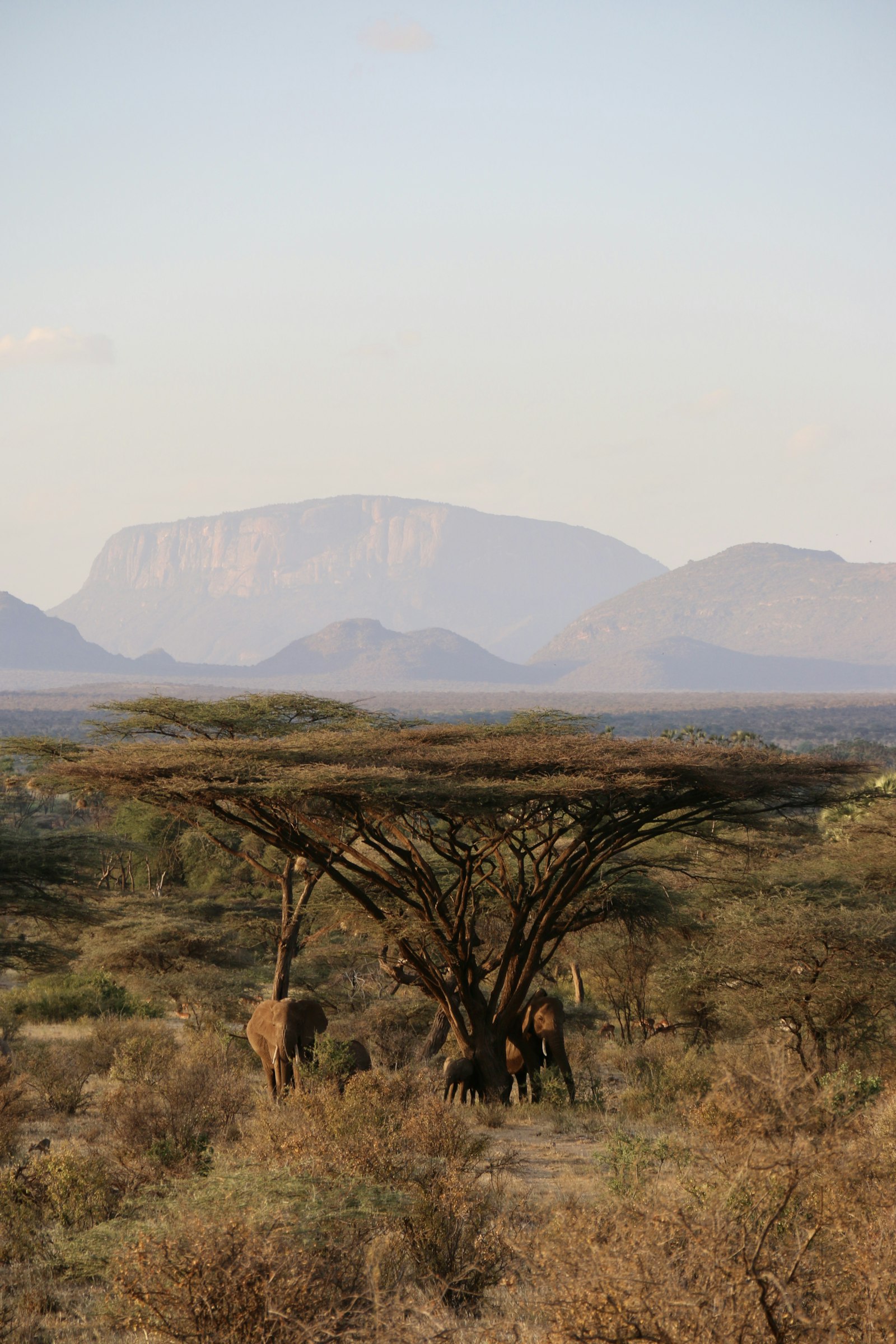
Samburu’s landscape is semi-arid, with red earth, doum palms along the river and rocky hills such as Koitogor and Ololokwe on the horizon. The Samburu people, close cousins of the Maasai, live around the reserve in traditional dress. Lake Nakuru, by contrast, is set in the Great Rift Valley, ringed by cliffs and forest, with viewpoints such as Baboon Cliff looking over the lake. It is greener and cooler, especially in the mornings.
Distance and Access: Samburu vs Lake Nakuru
On access, the Samburu vs Lake Nakuru comparison is simple: Lake Nakuru is far easier to reach, which is why it fits so many short Kenya itineraries.
- Lake Nakuru by road: about 160 km from Nairobi, roughly 3 hours, and about 4–5 hours from the Masai Mara.
- Samburu by road: about 350 km from Nairobi via Nanyuki and Isiolo, roughly 5–6 hours, mostly on good tarmac.
- Samburu by air: scheduled light aircraft from Wilson Airport to Samburu airstrips take around an hour.
- Combining: Samburu pairs naturally with Ol Pejeta and Laikipia; Lake Nakuru pairs with Lake Naivasha and the Masai Mara.
Our guide to Nairobi to Masai Mara explains how road and air transfers work, and the same choice applies to Samburu.
Crowds: Samburu vs Lake Nakuru
On crowds, Samburu vs Lake Nakuru is an easy win for the north: Samburu is much quieter than Lake Nakuru, which can be busy because of its closeness to Nairobi and Nakuru town.
Lake Nakuru sees day visitors and school groups, especially at weekends and on public holidays, and sightings of rhinos near the main tracks can attract several vehicles. Samburu receives far fewer visitors, and it is common to watch elephants at the river with only one or two other vehicles nearby. If you dislike crowds, our guide to Masai Mara crowds has tips that apply to every busy park.
Cost: Samburu vs Lake Nakuru
Park fees and transport costs are the main differences in price when comparing Samburu vs Lake Nakuru.
Lake Nakuru is a Kenya Wildlife Service premium park. The KWS conservation fee schedule from October 2025 lists USD 90 per non-resident adult and USD 45 per child. Samburu’s fees are set by Samburu County, and Buffalo Springs and Shaba have their own charges, so check the current rate when you book. Samburu usually costs more overall because of the longer drive or flight.
| Cost factor | Samburu | Lake Nakuru |
|---|---|---|
| Park fees | Set by the county; check current rates | USD 90 adult, USD 45 child (non-resident, KWS) |
| Transport | Longer drive or a flight | Short drive from Nairobi or Naivasha |
| Nights needed | At least 2 | 1 is often enough |
| Lodges | Fewer, more remote camps | Wide range inside and outside the park |
Every quote we send lists park fees separately, so you can see the real difference. Message us for a quote.
📅 Get a Free, No-Obligation Safari Quote
Send us your dates and we will price Samburu and Lake Nakuru side by side, so you can compare before you decide. ✉ Send Us Your Dates on WhatsApp
Best Time to Visit: Samburu vs Lake Nakuru
Both parks can be visited all year, but the dry seasons are best for game viewing in Samburu, while Lake Nakuru is reliable in most months.
| Months | Samburu | Lake Nakuru |
|---|---|---|
| January–March | Hot and dry; animals gather at the river | Good, dry and clear |
| April–May | Long rains; some tracks slow; animals disperse | Wetter, green and quiet |
| June–October | Dry and excellent for game viewing | Excellent; a classic stop on migration-season routes |
| November–December | Short rains; green with new growth | Good, with showers |
Expert tip from our Nairobi team: Samburu can be very hot in the middle of the day, often well above 30°C. Plan early and late game drives with a long rest at camp, and choose a lodge with a pool if you are visiting in February or March.
Who Should Choose Samburu vs Lake Nakuru?
In the Samburu vs Lake Nakuru decision, the right choice depends on your time, experience and interests more than on which park is “better”.
Samburu vs Lake Nakuru for first-timers
On a first safari of five to seven days, Lake Nakuru fits more easily alongside the Masai Mara and Lake Naivasha. Our 6-Day Kenya Safari follows this route.
Samburu vs Lake Nakuru for families
Lake Nakuru’s shorter drives suit younger children. Samburu suits older children and teenagers who will enjoy the unusual animals and Samburu culture.
Samburu vs Lake Nakuru for photographers and repeat visitors
Samburu’s dramatic light, quiet sightings and rare species make it a favourite for photographers and travellers who have already seen the Mara. Our Samburu Cultural and Wildlife Experience is a short add-on.
Where to Stay: Samburu vs Lake Nakuru
Accommodation is another clear difference in the Samburu vs Lake Nakuru choice, with remote riverside camps in the north and a wider, easier range around the lake.
In Samburu, most camps and lodges sit along the Ewaso Ng’iro River, inside the reserve, in Buffalo Springs or in neighbouring community conservancies such as Kalama and Westgate. Many are tented camps with views of elephants coming to drink. Choice is smaller, so popular camps fill early in the dry season. Our guides to luxury lodges in Samburu and Westgate and Kalama compare the options.
At Lake Nakuru, there are lodges and camps inside the park, plus many hotels in and around Nakuru town and nearby Lake Elmenteita. This makes it easy to find a room at short notice and to match a range of budgets. Our Lake Nakuru National Park guide lists where to stay.
Samburu vs Lake Nakuru camp styles
- Samburu: mostly tented camps and a few lodges; remote, with solar power at some camps.
- Lake Nakuru: lodges, tented camps and town hotels; more facilities and easier access.
Activities Beyond Game Drives: Samburu vs Lake Nakuru
Samburu offers more activities beyond the vehicle, while Lake Nakuru is mainly about game drives and viewpoints.
| Activity | Samburu | Lake Nakuru |
|---|---|---|
| Guided walks | Often possible in community conservancies | Limited; mainly at viewpoints with rangers |
| Cultural visits | Samburu villages near the reserve | Fewer cultural options nearby |
| Night drives | Possible in some conservancies | Not normally allowed inside the national park |
| Camel treks | Offered by some northern camps | Not available |
| Viewpoints | River banks and rocky hills | Baboon Cliff and Out of Africa lookout |
| Picnic sites | Limited | Designated picnic sites inside the park |
Our guides to night drives on safari and walking safari safety explain what to expect if you add these to a Samburu stay.
Practical Tips: Samburu vs Lake Nakuru
A few practical points help you get the most from either park.
- Heat: Samburu is hot; bring a wide-brimmed hat and plenty of water.
- Malaria: both areas carry a malaria risk, so follow your doctor’s advice on tablets.
- Dust: dry-season roads in Samburu are dusty; protect cameras with a cloth or bag.
- Weekends: visit Lake Nakuru on a weekday if you can, to avoid local crowds.
- Travel advice: check your government’s latest advice for northern Kenya, such as the UK Foreign Office Kenya page, before booking.
Can You Visit Both Samburu and Lake Nakuru?
Yes. Samburu vs Lake Nakuru does not have to be a choice: on a trip of eight days or more, it is easy to see both, often with Ol Pejeta in between.
- Days 1–2: Samburu for the Special Five and elephants.
- Day 3: Ol Pejeta Conservancy in Laikipia for rhinos and chimpanzees.
- Day 4: drive south to Lake Nakuru via the Rift Valley.
- Days 5–7: the Masai Mara.
- Day 8: drive or fly back to Nairobi.
This is the shape of our Kenya Highlights Safari, and our 8 Days Best of Kenya follows a similar route. For more ideas, read our guides to the Lake Nakuru National Park and luxury lodges in Samburu, and the official Magical Kenya tourism site.
Samburu vs Lake Nakuru FAQs
Is Samburu or Lake Nakuru better?
Neither is better for everyone. Lake Nakuru is best for easy rhino sightings and short trips, as it is only about three hours from Nairobi. Samburu is best for rare northern species, elephants and a remote feel, but needs at least two nights. Many travellers on longer trips visit both.
Can you see rhinos in Samburu?
No. Samburu National Reserve has no rhinos. If rhinos are a priority, add Lake Nakuru National Park or Ol Pejeta Conservancy to your route. Both are reliable rhino areas, and Ol Pejeta fits naturally between Samburu and the Rift Valley on a northern circuit.
Are there elephants in Lake Nakuru?
No, Lake Nakuru National Park has no elephants, so it is not a Big Five park. It does have rhinos, buffalo, lions and leopards. Samburu has large elephant herds but no rhinos, so each park offers four of the Big Five.
How many days do you need in Samburu?
Plan at least two nights, ideally three. The drive from Nairobi takes five to six hours, so one night leaves very little game-viewing time. Two or three nights let you explore Samburu, Buffalo Springs and possibly Shaba, with long midday rests during the heat.
Is Lake Nakuru worth visiting?
Yes, especially if you want to see rhinos and Rothschild’s giraffes on a classic Kenya route. It works well as a one-night stop between Nairobi or Lake Naivasha and the Masai Mara. Flamingo numbers vary with water levels, so treat them as a bonus rather than the main reason to go.
Which is easier to reach, Samburu or Lake Nakuru?
Lake Nakuru is much easier. It is about 160 km and three hours by road from Nairobi, and it sits on the way to the Masai Mara. Samburu is about 350 km north, a five to six-hour drive, although scheduled flights from Wilson Airport reach Samburu airstrips in around an hour.
What are the Samburu Special Five?
The Samburu Special Five are Grevy’s zebra, reticulated giraffe, Somali ostrich, beisa oryx and gerenuk. These dry-country species are found mainly in northern Kenya and are rarely seen in the Masai Mara or Amboseli, which is why Samburu adds real variety to a safari.
🏕 Plan Your Safari With Sense of Adventure
Kenya-based experts. Real local knowledge. Transparent pricing. Whether you choose Samburu, Lake Nakuru or both, we will plan a route that makes the most of every day. 💬 WhatsApp Us — Start Planning Today
Call or WhatsApp: +254 799 160 081
Related Safari Guides
- ›Lake Nakuru National Park Guide
- ›Luxury Lodges in Samburu
- ›Lake Nakuru vs Ol Pejeta
- ›Westgate Conservancy and Kalama
- ›Will I See the Big Five in Kenya?
Official travel & park resource: Kenya Wildlife Service ↗