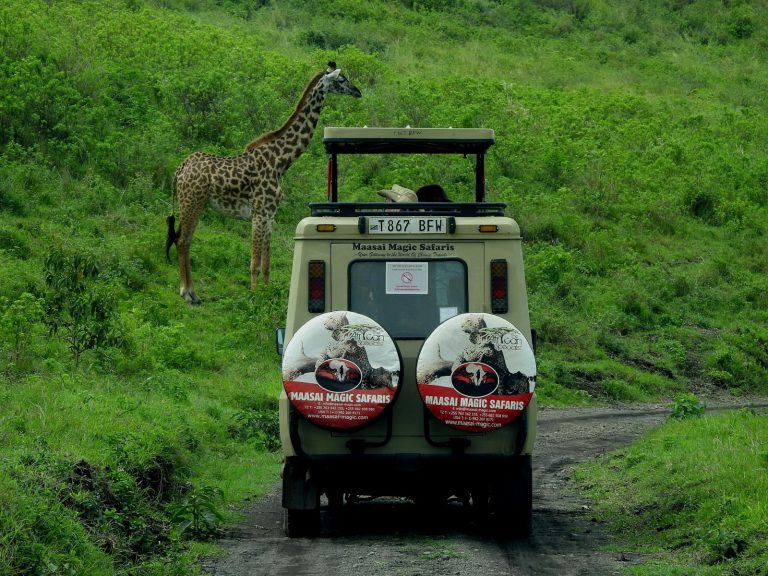

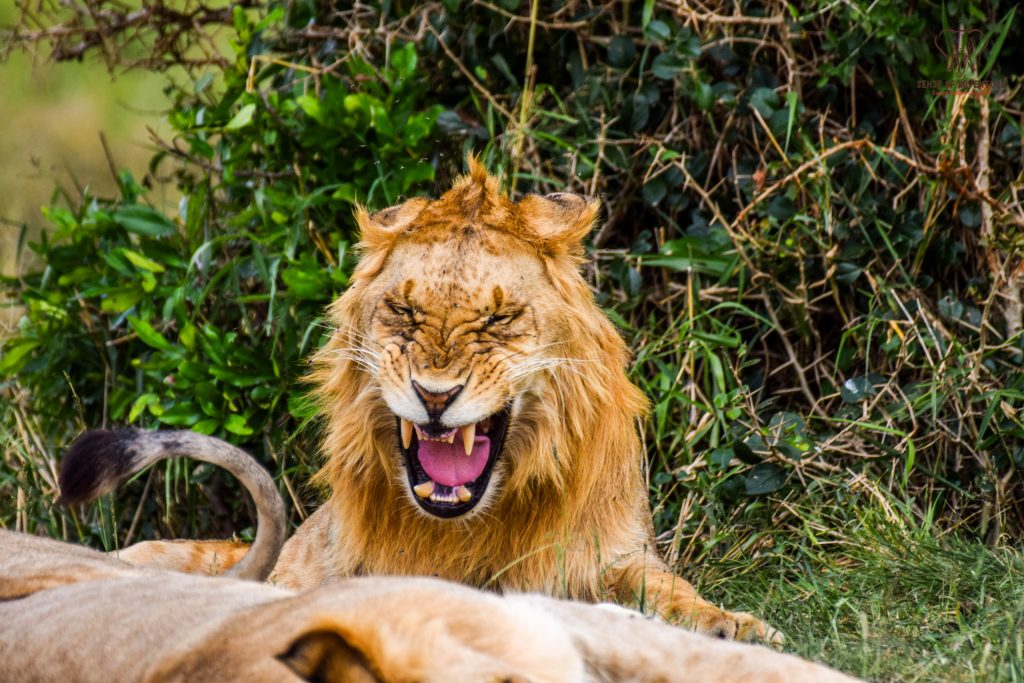
Watching Masai Mara lions is the moment every safari guide knows well. You are moving through the long grass of the open plains in the early morning, the light still low and golden, when your guide cuts the engine and points: a shape in the grass, a subtle movement, the flick of a tail.
Then, as your eyes adjust, the grass resolves into something extraordinary — not one lion, but a pride. Seven, eight, nine lions lying in the yellow grass within twenty metres of your vehicle, their amber eyes tracking you with a calm that is somehow more unnerving than aggression. This is the Masai Mara lion experience, and it is unlike anything else in the natural world.
This guide is dedicated to the lions of the Masai Mara — the prides, their territories, their behaviour and conservation, plus the practical knowledge that turns a quick sighting into a deeper understanding of one of Africa’s most captivating animals: when to go, where to stay, what it costs and how to photograph them.
✅ Masai Mara Lions: The Quick Answer
- Why the Mara: one of the highest lion densities in Africa, with well-known prides on stable territories.
- Famous prides: the Marsh Pride (Musiara), the Paradise Pride (central plains near the Mara River) and the Rekero Pride (Talek area), plus many conservancy prides.
- Best time: lions are resident all year; July to October adds migration hunts, while the green season brings cubs and fewer vehicles.
- Best time of day: early morning and late afternoon, when lions are most active.
- Time needed: at least two full days in the Mara; three or more nights for the best behaviour.
- Cost from: our Masai Mara safari packages start from USD 590 per person.
🌎 Thinking About a Kenya Safari?
Our team is on WhatsApp right now — ask us anything about destinations, dates, or prices. No obligation.
💬 WhatsApp Us Now or call +254 799 160 081The Masai Mara Lions Population
The Masai Mara National Reserve and its surrounding conservancies support one of Africa’s most studied lion populations. The greater Mara ecosystem holds several hundred lions, spread between the national reserve and the community conservancies, at one of the highest densities on the continent.
That density comes from the ecosystem’s huge prey base. Resident wildebeest, zebra, buffalo, topi and other plains game provide food all year, and the Great Migration adds a seasonal feast. This allows Masai Mara lions to hold stable territories and raise cubs successfully.
How Masai Mara lions are studied
The lions live in defined prides that experienced guides follow closely. Many territories have been watched for decades — first made famous by the BBC’s Big Cat Diary (1996–2008), and today monitored by conservation groups such as the Mara Predator Conservation Programme. Researchers identify individuals by their whisker-spot patterns, scars and ear notches.
The Famous Prides: Who Lives Where
The Marsh Pride: The Mara’s most famous lion family, made internationally known through Big Cat Diary and followed by researchers and film-makers for decades — one of the world’s longest-observed lion prides. Its territory centres on the Musiara Marsh in the reserve’s north, one of the most productive wildlife areas in the ecosystem.
The Marsh Pride has risen and fallen in size over the years, going through the dramas of lion society: male takeovers, cub losses and territorial battles. Guides who work the Musiara area have grown up knowing its individuals, and that continuity makes a Marsh Pride encounter especially rich.
The Paradise Pride: Occupying the open plains near the Mara River, the Paradise Pride is one of the Mara’s best-known and most viewable families. Its territory covers prime open savannah, and during the migration (roughly July to October) it sits close to busy river crossing points, producing dramatic hunting opportunities.
The Rekero Pride: Based around the Talek River in the east of the reserve, the Rekero Pride is often encountered by guests staying in Talek-area camps. Its use of the river corridor — hunting along the vegetation edge and hiding cubs in thick cover — gives sightings a different character: more intimate and more reliant on the guide’s tracking skill.
Conservancy prides: The community conservancies have their own resident prides, known to the guides who work only in those areas. Conservancies such as Olare Motorogi are celebrated for big-cat density and for unhurried encounters thanks to strict vehicle limits. For many travellers, a conservancy camp is the best base for Masai Mara lions.
Pride names, sizes and territories change over time as males are replaced and new females take charge, so ask your guide for the latest news when you arrive.
📅 Get Your Free Safari Proposal
Share your travel dates and interests — we will send you a tailored, fully itemised itinerary within 24 hours.
✈ Send Us Your Travel DatesLion Behaviour: What to Watch For
Lions spend up to 20 hours a day resting, so most sightings involve lions that are not doing very much. Learning to read a resting lion’s body language, and to anticipate when activity might start, is what turns a passive sighting into an active one. Here is what to watch for:
Pre-hunt behaviour: Lions preparing to hunt become visibly more alert — ears forward, bodies low, eyes fixed on a distant target. Females spread out in a deliberate flanking pattern. A guide who recognises these signs and repositions the vehicle quietly gives you the chance to watch a hunt from start to finish.
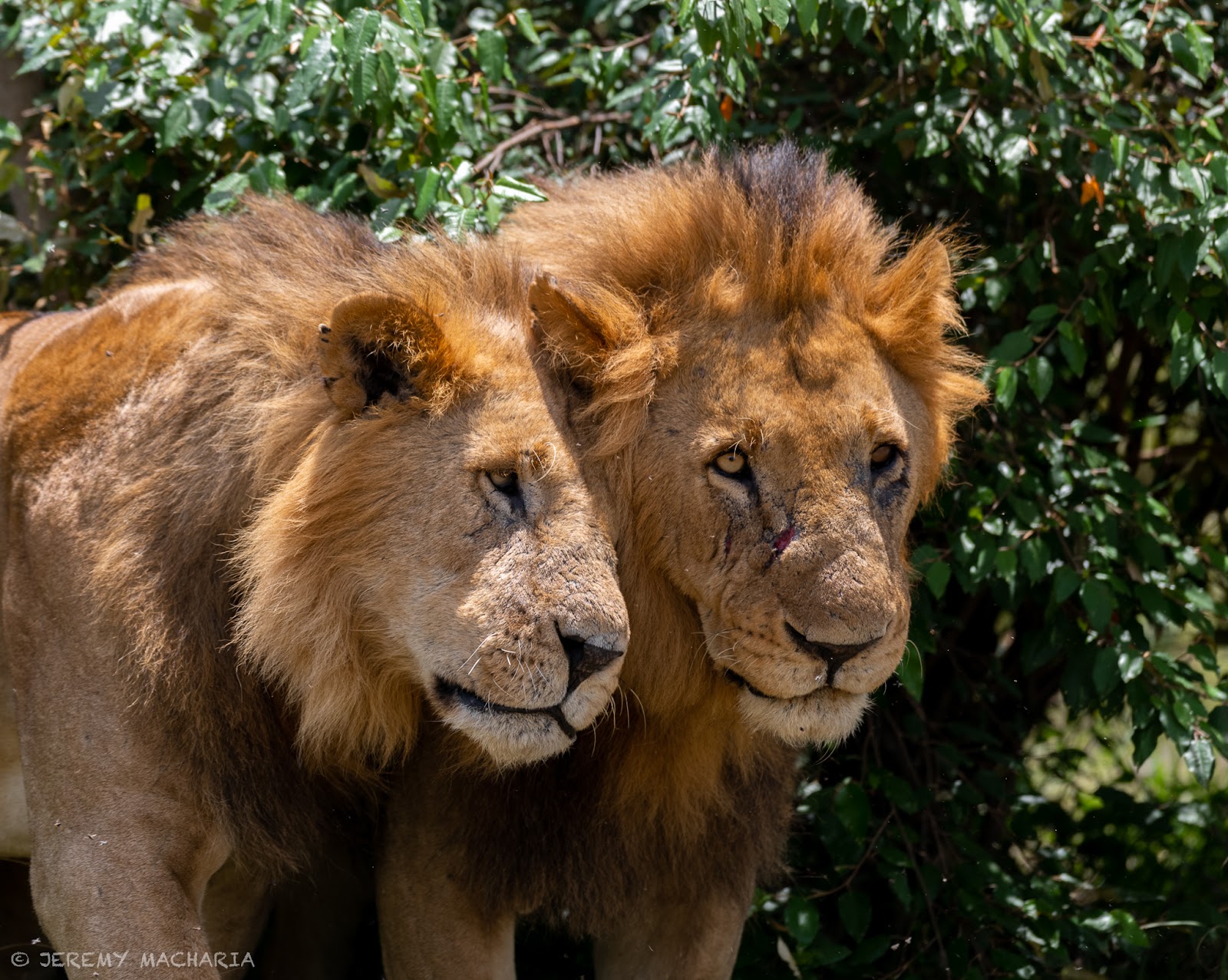
Social bonding: Lion social life is rich and demonstrative. Head rubbing between pride members, which spreads scent and reinforces bonds, is frequent and lovely to watch. Cubs pounce on adults, youngsters practise stalking on each other, and females groom one another in the afternoon.
Territorial roaring: Male lions roar to announce their presence and warn off rivals. A roar at close range — building from a groan to a full-volume blast that can carry for kilometres — is one of safari’s most powerful experiences. Lions roar most often at night and around dawn, so an early start is worth it.
Understanding Masai Mara lions as a family
A pride is built around related females — mothers, daughters, sisters and aunts — who usually stay together for life and often raise cubs communally. Males join a pride by taking over from the previous coalition, and they rarely hold it for more than a few years. When new males arrive they may kill young cubs fathered by their rivals, a harsh but natural part of lion life.
Young males leave their birth pride at around two to four years old and roam as nomads until they are strong enough to win a territory of their own. Knowing these patterns helps you understand why a pride may look very different from one year to the next.
Lions and the Great Migration
When the wildebeest and zebra herds arrive from the Serengeti, usually from about July to October, life becomes easy for Masai Mara lions. Prides near the river and on the migration routes feed often, and you may see hunts, kills and lions resting with full bellies beside the remains.
Even outside migration season, the resident herds mean lions are seen year-round. Many guides argue that the quieter months offer better behaviour, with fewer vehicles at each sighting. Read our best time to visit the Masai Mara guide to choose your dates.
Best Time to See Masai Mara Lions
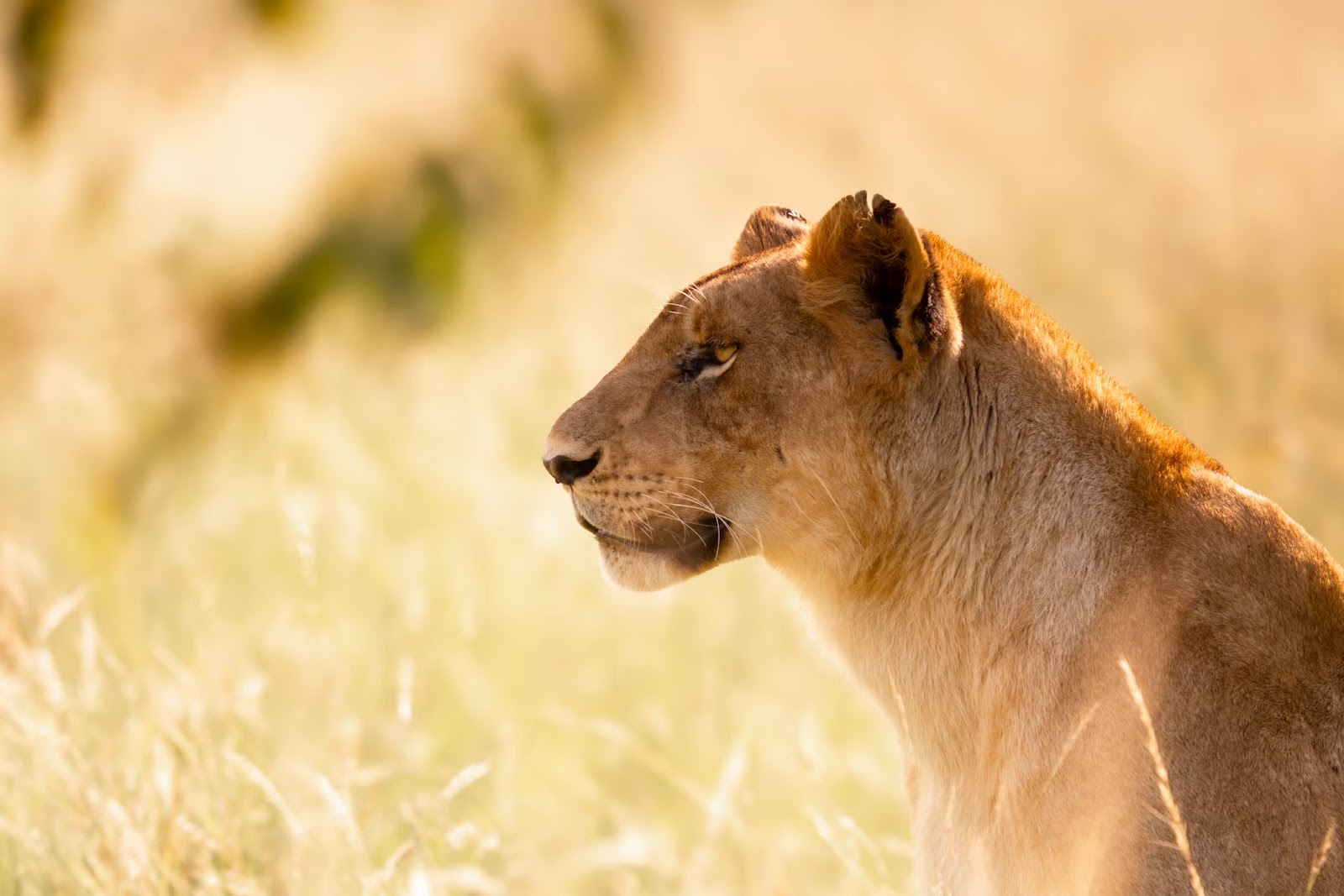
Lions are resident in the Mara all year, so there is no bad month for them. The dry season from roughly July to October is the most popular time, thanks to the migration and short grass that makes cats easier to see. January and February are also dry, quieter and excellent for big cats.
The long rains (around April and May) and short rains (around November) bring green grass, newborn animals and lower rates. Long grass can hide resting lions, but sightings are often more private. Early morning and late afternoon drives are best in every season.
Reserve or Conservancy: Where to Stay for Lions
The national reserve offers huge open plains, the Mara River and the famous Musiara and Talek prides. It can be busy at popular sightings in peak season, but it gives you access to migration crossings.
The conservancies on the reserve’s northern and eastern borders limit vehicle numbers and usually allow night drives, guided walks and off-road driving to sightings. Lion densities in several conservancies are very high, and sightings are typically quieter. Many travellers split their stay between the two. Compare options in our Masai Mara safari packages.
Etiquette at a lion sighting
- Stay seated and keep arms and heads inside the vehicle.
- Speak quietly and avoid sudden movements.
- Never ask your guide to drive closer to provoke a reaction or to cut off a hunting lion.
- Let other vehicles have their turn at busy sightings.
- Follow reserve rules on off-road driving; they protect the grassland and the cats.
Photographing Masai Mara Lions
Lions are wonderful subjects because they are often relaxed and close. A zoom lens of roughly 100–400mm covers most situations, while a wider lens captures lions in their landscape. Use a bean bag on the window frame and ask your driver to switch off the engine to avoid vibration.
Aim for eye level where you can, focus on the eyes, and be patient: a yawn, a stretch or a cub climbing on an adult can transform a picture. The golden light just after sunrise and before sunset is ideal. Serious photographers can join our Big Cats Photographic Safari – Masai Mara (6 Days).
Lion Conservation in the Mara
Despite the Mara’s healthy lion population, lions across Africa face serious threats: habitat loss, conflict with livestock owners that leads to retaliatory killing, disease, and shrinking prey outside protected areas. Lions are listed as Vulnerable on the IUCN Red List.
Masai Mara lions benefit from the income tourism generates for the Maasai landowners in the conservancies. This makes lions valuable to the communities who share the landscape with them, and less likely to be targeted when livestock is lost. Your safari stay helps fund that equation directly.
The Mara Predator Conservation Programme carries out long-term monitoring of the ecosystem’s big cats, tracking individuals and recording population trends, territorial changes and threats. Many Mara guides follow its work closely and share its findings with guests.
What a Masai Mara Lion Safari Costs
Prices depend on the number of nights, the season, whether you drive or fly, and whether you stay in the reserve or a conservancy. Road safaris in a shared vehicle are the most affordable, while fly-in conservancy safaris cost more but save travel time and give more exclusive sightings.
Our Masai Mara safari packages start from USD 590 per person, and the popular 3 Day Masai Mara Safari Package is a good first option. For your own vehicle and guide, see our private Kenya safari options; for top camps and fly-in access, explore our luxury Kenya safari page.
Masai Mara Lions: Frequently Asked Questions
How many lions are there in the Masai Mara?
The greater Mara ecosystem, including the national reserve and the surrounding conservancies, holds several hundred lions, one of the highest densities in Africa. Numbers change with prey, disease and conflict, so researchers monitor the population continually. On a typical three-day safari, most visitors see lions on almost every drive.
Are lions guaranteed in the Masai Mara?
No wildlife sighting can be guaranteed, but lions are among the most reliable animals in the Mara. With two or three full days of game drives and an experienced guide, the vast majority of visitors see several prides. Staying in a conservancy can improve the quality of sightings.
What is the Marsh Pride?
The Marsh Pride is the Masai Mara’s most famous lion family, based around the Musiara Marsh in the north of the reserve. It became well known worldwide through the BBC’s Big Cat Diary. Its members and males have changed many times, but the pride’s territory remains one of the best lion areas in the Mara.
When is the best time to see lions hunting in the Mara?
Hunts are most likely at dawn, at dusk and at night, when it is cooler. The migration months, roughly July to October, bring huge numbers of prey and more hunting opportunities. Patience matters: guides often wait with a pride for an hour or more as the lions watch passing herds.
Is it safe to see lions from a safari vehicle?
Yes, when you follow your guide’s instructions. Lions generally see the vehicle as a single large object and ignore the people inside. Stay seated, keep arms and heads inside, speak quietly and never stand up or get out near lions. Our guide to whether lions attack safari vehicles explains why.
How many days do I need to see Masai Mara lions?
Two full days in the Mara usually brings several lion sightings. Three or four nights give you time to follow a pride, see different behaviour and look for other big cats such as leopards and cheetahs. Longer stays also let you combine the reserve with a quieter conservancy.
Ready to meet the lions of the Masai Mara? Our team will design an itinerary that puts you in the right place at the right time — conservancy or reserve, migration season or green season, photography focus or broad wildlife immersion. For official travel and wildlife information, see Magical Kenya, the national tourism board.
🏑 Ready to Book Your Kenya Safari?
Sense of Adventure — Kenya-based experts with real local knowledge. Transparent pricing. Personalised itineraries. Guests who return year after year.
💬 Plan My Safari on WhatsAppCall or WhatsApp: +254 799 160 081