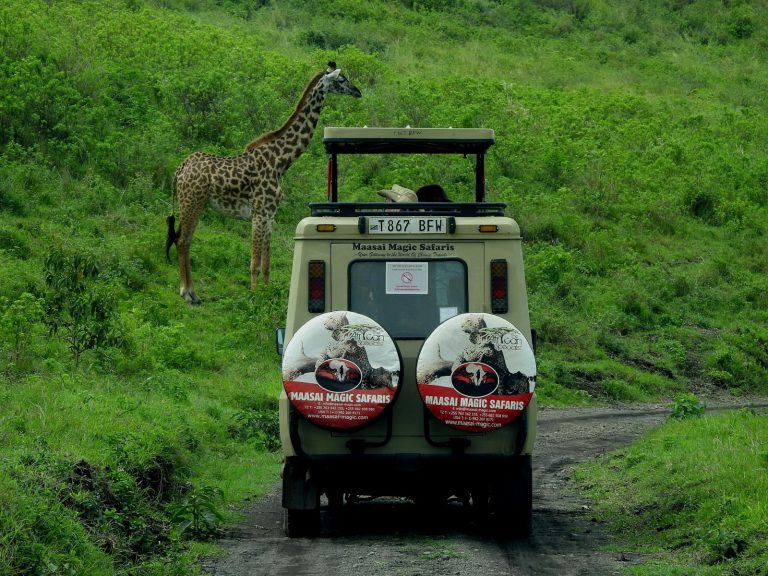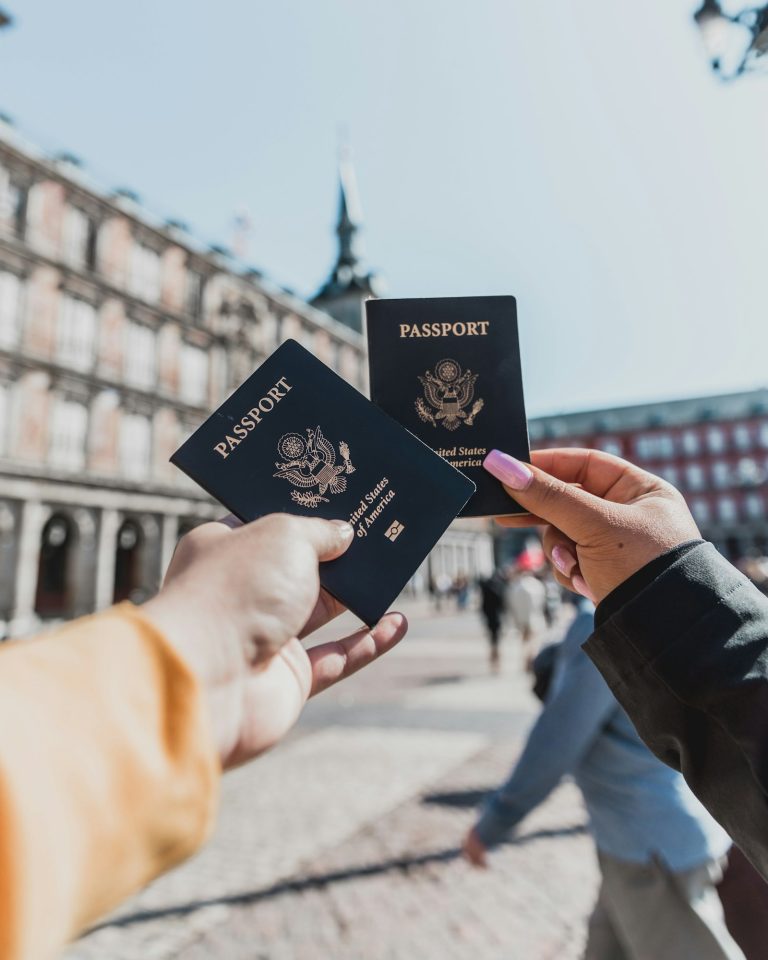

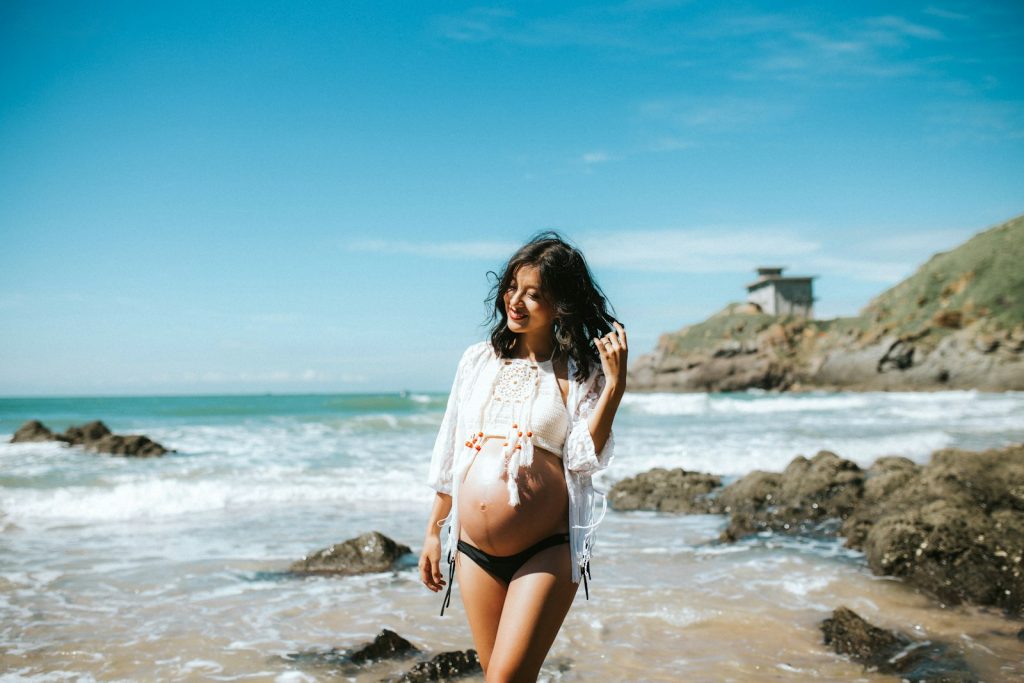
A safari while pregnant is possible, but Kenya is not a low-risk choice. Most safari areas have malaria, and Kenya is classed as having a risk of Zika virus, so health bodies such as the NHS advise pregnant women to postpone non-essential travel there. If you still plan to go, decide with your doctor, travel mid-pregnancy and plan carefully.
Sense of Adventure is a licensed safari operator based in Nairobi (TRA licence TRA1/47/C01/77087). We would rather give you an honest answer than a booking you later regret. This guide explains the real health risks of a safari while pregnant, what doctors and airlines say, the best timing, how to lower the risks if you do travel, and the alternatives many parents-to-be choose instead.
Table of Contents
✅ Safari While Pregnant: The Quick Answer
- Official advice: the NHS fitfortravel service advises pregnant women to postpone non-essential travel to Kenya, mainly because of Zika and malaria.
- Malaria: it is more severe in pregnancy and raises the risk of miscarriage, premature birth and stillbirth; most Kenyan safari parks are malaria areas.
- Zika: Kenya is classed as having a Zika risk; Zika can cause serious birth defects, and there is no vaccine.
- Airlines: Kenya Airways does not accept single pregnancies from 36 weeks and requires its own medical clearance after 28 weeks.
- Best timing if you go: mid-pregnancy is usually most comfortable, but only with your doctor’s approval.
- Alternatives: postpone the safari, or choose a destination with lower malaria and Zika risk for a babymoon.
🌎 Pregnant and Thinking About a Safari?
Talk to us before you book. We will give you honest advice and, if it is better to wait, help you plan a family safari for later. 💬 WhatsApp Us Now or call +254 799 160 081
Is It Safe to Go on a Safari While Pregnant?
A safari while pregnant is not risk-free in Kenya, and the main concerns are infections spread by mosquitoes rather than the safari itself.
On a safari while pregnant, game drives are mostly seated and gentle, and good camps are comfortable. The problem is the setting. Much of Kenya, including the Masai Mara, Amboseli, Samburu, Tsavo and the coast, has malaria risk all year. Kenya is also classed by health services as having a risk of Zika virus. Both are much more serious in pregnancy.
For that reason, the NHS fitfortravel Kenya page advises that pregnant women should postpone non-essential travel to Kenya, and the CDC guidance for pregnant travellers says pregnant women should avoid areas with malaria or Zika risk. We share this advice openly, because your health and your baby’s health come first.
When a safari while pregnant may still be considered
Some travellers have essential reasons to be in Kenya, such as family, work or a long-planned trip that cannot move. If so, the decision should be made with your obstetrician or midwife and a travel health specialist, who can weigh your personal risks, stage of pregnancy and medical history.
Malaria and a Safari While Pregnant
Malaria is the biggest health concern for a safari while pregnant, because it is more severe in pregnant women and can harm the baby.
According to the CDC, malaria in pregnancy increases the risk of miscarriage, premature birth and stillbirth. Pregnant women are also more likely to become seriously ill. Malaria risk in Kenya is high in most areas below about 2,500 metres, while Nairobi and the high central highlands are described as low risk, though valleys within the highlands can still carry risk.
- Tablets: some antimalarials are not suitable in pregnancy, and the choice is limited, so only a doctor who knows you can advise.
- Bite prevention: even with tablets, prevent bites with repellent, long sleeves at dusk, treated nets and screened rooms.
- Fever: any fever during or after the trip needs urgent medical attention, and you should mention your travel.
Our Kenya safari malaria guide explains where risk is highest by area and season.
Zika Virus and Kenya
Zika is a key reason doctors advise against a safari while pregnant, because infection in pregnancy can cause severe birth defects.
Zika is spread mainly by day-biting mosquitoes, which are common in towns and cities, and it can also be passed on sexually. There is no vaccine. The NHS fitfortravel service lists Kenya as having a risk of Zika transmission, and the World Health Organization explains the effects of infection in pregnancy.
Zika advice also affects couples planning a pregnancy. The NHS advises using contraception and condoms during travel and for a period afterwards: two months for women and three months for men. If your partner travels to Kenya without you, condoms are advised for the rest of the pregnancy, according to the CDC.
Vaccines, Medicines and Yellow Fever
Vaccines and medicines need extra care on a safari while pregnant, so book a travel health appointment at least six to eight weeks before you travel.
| Item | General position in pregnancy | What to do |
|---|---|---|
| Yellow fever vaccine | A live vaccine, usually avoided in pregnancy unless travel is unavoidable and risk is high | Ask your doctor about the risk and whether an exemption letter is suitable |
| Yellow fever certificate | Kenya requires one if you arrive from a country with yellow fever risk | Check your route; see our Kenya vaccination guide |
| Antimalarial tablets | Some are unsuitable in pregnancy; options are limited | Only take tablets prescribed for you by a doctor |
| Routine medicines | Some travel remedies are not suitable in pregnancy | Pack pregnancy-safe medicines approved by your midwife |
| Water purification | The CDC advises against iodine tablets in pregnancy | Drink bottled or filtered water provided by camps |
Expert tip from our Nairobi team: ask your clinic for a letter that lists your due date, any medicines and confirmation that you are fit to travel. Airlines, insurers and camps may all ask for it, and it is helpful for any doctor you see on the trip.
Flying While Pregnant: Airline Rules
Airline rules shape the timing of any safari while pregnant, and they include both international flights and small bush planes.
| Airline | Rule for an uncomplicated single pregnancy |
|---|---|
| Kenya Airways | Not accepted from 36 weeks; clearance by a Kenya Airways doctor is required after 28 weeks |
| Kenya Airways, multiple pregnancy | Not accepted from 32 weeks; clearance required after 28 weeks |
| Airkenya (bush flights) | No certificate up to 28 weeks; a doctor’s certificate is needed from 29 to 36 weeks, dated within ten days of the first flight |
Your return flight counts too when planning a safari while pregnant. If you travel at 26 weeks and return at 29 weeks, the return may need a certificate. Long flights also raise the risk of blood clots in pregnancy, so walk regularly, drink water and ask your doctor about compression stockings. Bush planes are small and can be bumpy in the afternoon heat; see our guide to safari luggage limits on small aircraft for other rules.
The Best Time for a Safari While Pregnant
If your doctor agrees that a safari while pregnant is reasonable for you, mid-pregnancy, roughly weeks 14 to 28, is usually the most comfortable time.
- First trimester: nausea and tiredness are common, and the risk of miscarriage is naturally highest, so many women prefer not to travel far.
- Second trimester: energy often returns and airline restrictions have not yet started.
- Third trimester: airline limits, discomfort on bumpy roads and the risk of early labour make long trips harder.
Season matters too for a safari while pregnant. Malaria risk is usually higher during and just after the rains, from about April to June and in November and December. The drier months of July to October and January to February have fewer mosquitoes, though risk is never zero. See our guide to Kenya weather by month for the seasons.
📅 Get a Free, No-Obligation Safari Quote
Send us your dates and we will give you honest advice, whether that means a careful plan now or a family safari later. ✉ Send Us Your Dates on WhatsApp
If You Go: How to Lower the Risks
If you and your doctor decide a safari while pregnant is right for you, these steps reduce the risks and make the trip more comfortable.
- Get specialist advice: see your obstetrician and a travel clinic early.
- Buy the right insurance: make sure it covers pregnancy complications, premature birth, care of a newborn and medical evacuation; read our Kenya travel insurance guide.
- Keep it short: fewer nights in high-risk areas lowers exposure to mosquitoes.
- Fly, do not drive: short flights replace long, bumpy road journeys, if your stage of pregnancy allows.
- Choose screened rooms: well-sealed tents or lodge rooms with nets and screens.
- Prevent bites all day: Zika mosquitoes bite in daytime, malaria mosquitoes at dusk and night.
- Stay near help: ask how far each camp is from a clinic or airstrip, and where the nearest hospital is.
- Book flexibly: ask about change and cancellation terms in case your doctor advises you not to travel.
Our article on safari cancellation policies explains how deposits and refunds typically work.
Comfort on game drives
On a safari while pregnant, ask for a private vehicle so you can stop whenever you need a toilet break or a stretch, and keep drives short. Bring a cushion, drink plenty of water and avoid the hottest hours. Camps can usually prepare food to suit pregnancy, such as well-cooked meat and pasteurised dairy, with notice; see our safari food and dietary guide.
Medical Care Near Kenya’s Safari Parks
Distance from good medical care is an important point to weigh before a safari while pregnant, because the best hospitals are in Nairobi, not in the parks.
Nairobi has well-equipped private hospitals with maternity and neonatal care. In the parks, help is much more limited: many camps have first-aid trained staff and some areas have small clinics, but serious problems usually mean a flight to Nairobi. Air ambulance services, including AMREF Flying Doctors, can evacuate patients from bush airstrips, but flights depend on weather, daylight and airstrip access.
- Before you go: confirm your insurance covers air evacuation and hospital care for you and a newborn.
- At each camp: ask how long it takes to reach the nearest airstrip and clinic.
- Keep documents handy: carry your pregnancy notes, blood group and doctor’s letter in your day bag.
- Know the signs: bleeding, pain, contractions, severe headaches, swelling or vision changes need immediate care.
A quick checklist before booking a safari while pregnant
- Your obstetrician or midwife has approved the trip in writing.
- A travel clinic has advised on malaria, Zika and vaccines for your exact route.
- Your insurance covers pregnancy, premature birth, newborn care and evacuation.
- Every airline on your route accepts you at your stage of pregnancy, including the return.
- Your itinerary is short, uses screened rooms and keeps you within reach of help.
- Your booking terms allow changes if your doctor later advises against travel.
If you cannot tick every box, it is usually wiser to postpone a safari while pregnant and plan a family trip after the birth instead.
Activities to Avoid or Check
Most of a safari while pregnant is seated, but some activities are not suitable or need your doctor’s approval.
| Activity | Pregnancy advice |
|---|---|
| Game drives | Usually fine if short; bumpy roads can be uncomfortable |
| Hot air balloon | Commonly not allowed for pregnant passengers; check with the operator |
| Walking safaris | Uneven ground and heat; check with your doctor and guide |
| Horse or camel riding | Risk of falls; usually avoided in pregnancy |
| Gorilla trekking | Long, steep treks at altitude; not usually advised |
| Boat trips | Generally fine with care when boarding |
On a safari while pregnant, many expectant parents find that a relaxed lodge with good views and short drives is more enjoyable than a packed itinerary anyway.
Alternatives to a Kenya Safari While Pregnant
Many parents-to-be decide that postponing is the best choice, and a safari after the birth can be just as special.
Plan a family safari for later
Children can join many safaris from a young age, although some camps and activities set minimum ages. Our guides to safaris with toddlers and babies and the safari minimum age explain what is possible, and trips such as the Kenya Family Safari are designed for young families. Message us for a quote when you are ready.
Choose a lower-risk destination for a babymoon
If you want a trip now, ask your doctor about destinations with lower malaria and Zika risk. Some safari areas elsewhere in Africa, such as certain reserves in South Africa, are outside malaria zones, but you should always check current Zika and malaria status for any destination. Our Kenya vs South Africa safari guide compares the two countries. Our earlier article on safaris with babies, toddlers and pregnancy also covers family planning in Kenya.
Safari While Pregnant FAQs
Can you go on safari while pregnant?
You can, but Kenya carries real risks in pregnancy. Most safari areas have malaria, and Kenya is classed as having a Zika risk, so the NHS advises pregnant women to postpone non-essential travel. If you must go, decide with your doctor, travel mid-pregnancy, prevent mosquito bites and buy insurance that covers pregnancy.
Is malaria dangerous in pregnancy?
Yes. Malaria is more severe in pregnant women and increases the risk of miscarriage, premature birth and stillbirth, according to the CDC. Some antimalarial tablets are not suitable in pregnancy, so only take medicine prescribed by a doctor who knows you are pregnant. Prevent bites carefully and treat any fever as urgent.
Is there Zika in Kenya?
Health services such as the NHS classify Kenya as having a risk of Zika transmission. Zika is spread mainly by day-biting mosquitoes and can also be passed on sexually. Infection in pregnancy can cause severe birth defects, and there is no vaccine, which is a main reason pregnant travellers are advised to postpone trips.
Can I get the yellow fever vaccine while pregnant?
Yellow fever vaccine is a live vaccine and is usually avoided in pregnancy unless travel is unavoidable and the risk of infection is high. Kenya requires a certificate only if you arrive from a country with yellow fever risk. Ask your doctor whether you need the vaccine or a medical exemption letter instead.
How late in pregnancy can I fly to Kenya?
It depends on the airline. Kenya Airways does not accept single pregnancies from 36 weeks, or multiple pregnancies from 32 weeks, and requires clearance by its own doctor after 28 weeks. Bush airlines such as Airkenya ask for a doctor’s certificate from 29 weeks. Your return flight must also meet the rules.
Can pregnant women do a hot air balloon safari?
Usually not. Balloon flights involve climbing into a high basket and a landing that can be bumpy, and operators commonly exclude pregnant passengers for safety. Always check with the balloon company before booking. A sunrise game drive is a gentle alternative that still gives beautiful early light and wildlife.
What is the best trimester for a safari while pregnant?
If your doctor approves travel, the second trimester, roughly weeks 14 to 28, is usually the most comfortable. Morning sickness has often eased and airline limits have not yet started. Even then, the malaria and Zika risks in Kenya remain, so the decision should be made with your doctor.
🏕 Plan Your Safari With Sense of Adventure
Kenya-based experts. Real local knowledge. Transparent pricing. We will give you honest advice about a safari while pregnant, and help you plan the right trip at the right time for your family. 💬 WhatsApp Us — Start Planning Today
Call or WhatsApp: +254 799 160 081
Related Safari Guides
- ›Kenya Safari Malaria Guide
- ›Kenya Vaccination Requirements
- ›Safari With Babies, Toddlers and While Pregnant
- ›Kenya Travel Insurance Guide
- ›Safari Minimum Age for Children
Official travel & park resource: Kenya Wildlife Service ↗ · Magical Kenya ↗