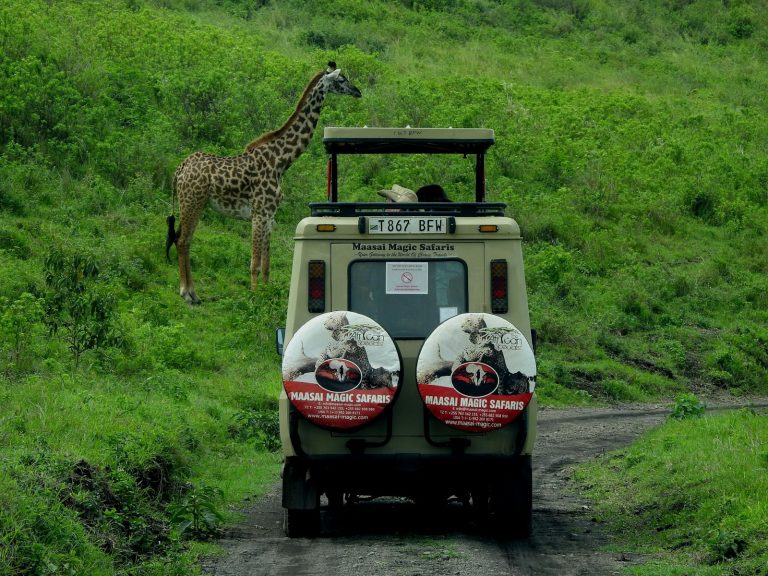

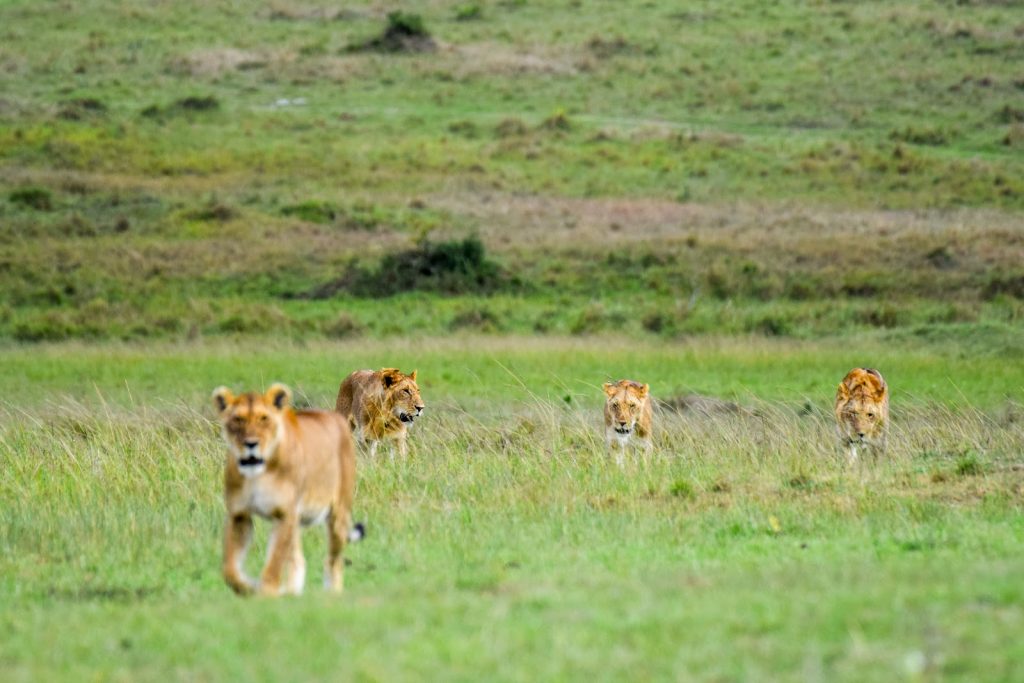
Do lions attack safari vehicles is the question almost every first-time guest asks quietly on the first game drive, usually while a pride dozes twenty feet from an open-sided Land Cruiser. The honest answer is reassuring and genuinely counterintuitive: recorded attacks on occupied safari vehicles are extraordinarily rare, not because lions are tame or trained, but because of exactly how a lion perceives the vehicle in the first place. Understanding the real mechanism behind that safety, rather than just trusting it blindly, changes how confidently you sit through a close encounter. Sense of Adventure briefs every guest on this before the first drive, because knowing why it works matters as much as knowing that it does.
Get Close to Lions, Safely
Message us to plan a safari with guides who explain exactly why this safety actually works.
The Real Mechanism Behind Vehicle Safety
A lion does not see a safari vehicle as a large predator-proof box; it sees a single, unfamiliar, oversized shape that moves slowly, predictably and without the frantic energy of prey trying to escape. Critically, the animal does not separate the humans inside from the metal around them. The entire vehicle, engine, roof, seated passengers included, registers as one large silhouette, too big and too strange to be worth the risk of attacking. This is not domestication or trust; it is a straightforward perceptual quirk that has held up across decades of game drives precisely because guides understand it and guests generally follow the rules that protect it.

A lioness walked directly past our open vehicle door close enough to touch, and I froze completely, certain something had gone wrong. Our guide just quietly explained she genuinely did not register us as separate from the car, and as long as nobody moved suddenly or stood up, she would keep walking exactly like she did. She did.
— Sense of Adventure guest, Masai Mara game drive
7 Truths About Vehicle Safety on Safari
1. The Vehicle and Passengers Register as One Shape
Lions do not perceive individual humans separately from the car around them, treating the whole silhouette as a single, unfamiliar object rather than a group of potential prey.
2. Slow, Predictable Movement Reads as Non-Threatening
A vehicle moving in a controlled, steady manner does not trigger a predator’s chase instinct, unlike fast or erratic movement that signals fleeing prey.
3. Habituation Plays a Genuine Role Too
Prides in well-visited areas like the Masai Mara have encountered vehicles their entire lives, reinforcing that this particular shape simply is not worth reacting to.
4. Standing Up Breaks the Silhouette Instantly
The moment a passenger stands, leans out, or separates their own shape from the vehicle outline, the entire perceptual safety mechanism stops applying to that individual.
5. This Applies to Vehicles, Not to People on Foot
Once outside the vehicle, a human reads as an entirely different, much smaller and far more vulnerable shape, which is exactly why exiting a vehicle near predators is genuinely dangerous.
6. Exiting Is Only Ever Permitted at Guide-Approved Stops
Designated picnic spots, viewpoints and walking safari zones are chosen specifically because they are checked and clear, not because the general rule has quietly relaxed.
7. Even Docile-Looking Animals Deserve the Same Caution
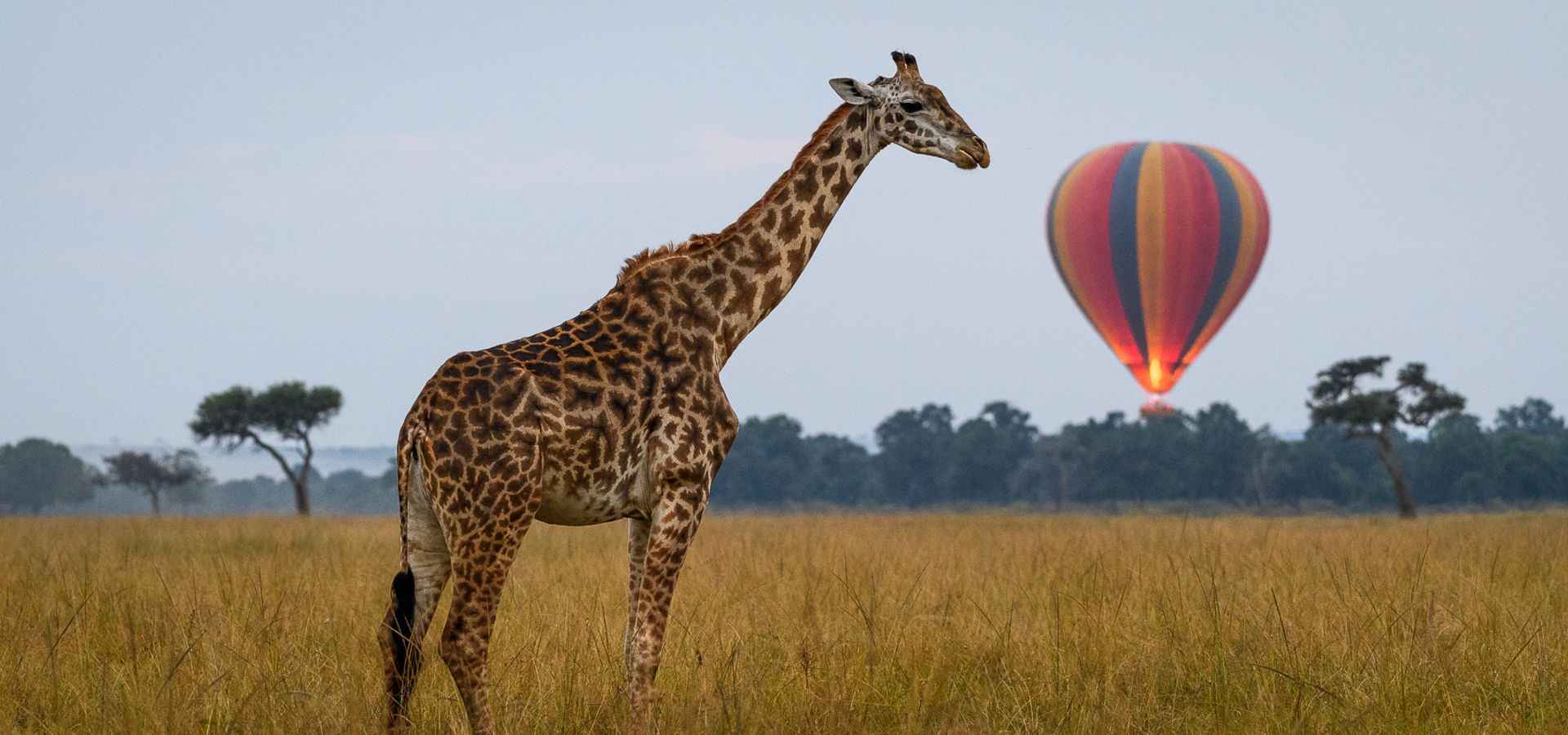
Buffalo, elephants, and even zebra or giraffe can turn aggressive if startled or cornered, so the same seated, calm approach applies to every species, not just the obvious predators.
Travel With Guides Who Explain the Why
Understanding the science behind safari safety makes every close encounter more thrilling, not more frightening.
Vehicle Safety on Safari: Quick Reference
- Core mechanism: the vehicle and its occupants register as one large, unfamiliar shape.
- What breaks it: standing, leaning out, or separating your silhouette from the vehicle.
- Attack frequency: extremely rare on occupied, stationary vehicles that follow the rules.
- Where exiting is allowed: only at guide-approved picnic spots, viewpoints or walking safaris.
- Applies to: all wildlife, not just predators, since even docile species can react if startled.
- Your one job: stay seated, stay calm, and trust your guide’s timing.
Building Good Safari Habits Before You Go
Vehicle safety is one part of a broader set of habits that make a safari both safer and more rewarding. Our Kenya Safari Etiquette guide and Kenya Safari Mistakes to Avoid guide cover the wider set of unwritten rules worth knowing before your first game drive.
Trust the Science, Enjoy the Encounter
Message us today and we will plan a Kenya safari with guides who make every close encounter feel safe.
Frequently Asked Questions
Do lions actually attack safari vehicles?
Recorded attacks on occupied, stationary safari vehicles are extremely rare. Lions perceive the vehicle and its seated passengers as one large, unfamiliar shape rather than as separate prey, which is why they generally ignore it entirely.
Why don’t lions see humans inside a safari vehicle as prey?
Lions do not distinguish individual humans from the vehicle around them. The combined silhouette of car and passengers appears too large and unfamiliar to register as a viable target, unlike a lion’s typical, much smaller prey.
Is it dangerous to stand up in a safari vehicle?
Yes, standing, leaning out or otherwise breaking the vehicle’s silhouette can cause an animal to suddenly perceive an individual human shape separately, which removes the safety effect the combined outline normally provides.
Can I get out of the vehicle on a Kenya safari?
Only at specific guide-approved locations such as designated picnic spots, viewpoints, or during a walking safari with an armed ranger. Exiting anywhere else is not permitted and genuinely increases risk.
Are docile animals like zebra and giraffe ever dangerous on safari?
Yes, even generally calm species like zebra, giraffe and buffalo can become aggressive if they feel startled or cornered, which is why the same seated, calm vehicle approach applies to every animal, not only predators.