
Tsavo West attractions read like a geology textbook come to life: a black lava flow barely a few centuries old, a perfectly cindered volcanic crater you can walk to the rim of, a fenced sanctuary rebuilding Kenya’s black rhino population one calf at a time, and a border lake where hippos share the water with a view clear across into Tanzania. Where Tsavo East spreads wide and flat under an endless red-dust horizon, Tsavo West folds itself into hills, gorges, kopjes and volcanic cones — a more visually dramatic, more geologically active landscape that rewards travellers willing to add an extra day beyond the standard game drive. This is the half of greater Tsavo that turns a wildlife trip into a genuine landscape expedition, and Sense of Adventure builds real time into every Tsavo West itinerary for exactly that reason.
See Kenya’s Most Dramatic Landscape
Lava flows, crater walks and a rhino sanctuary in one park — ask us to build a proper Tsavo West day into your safari.
Why Tsavo West Looks Nothing Like Tsavo East
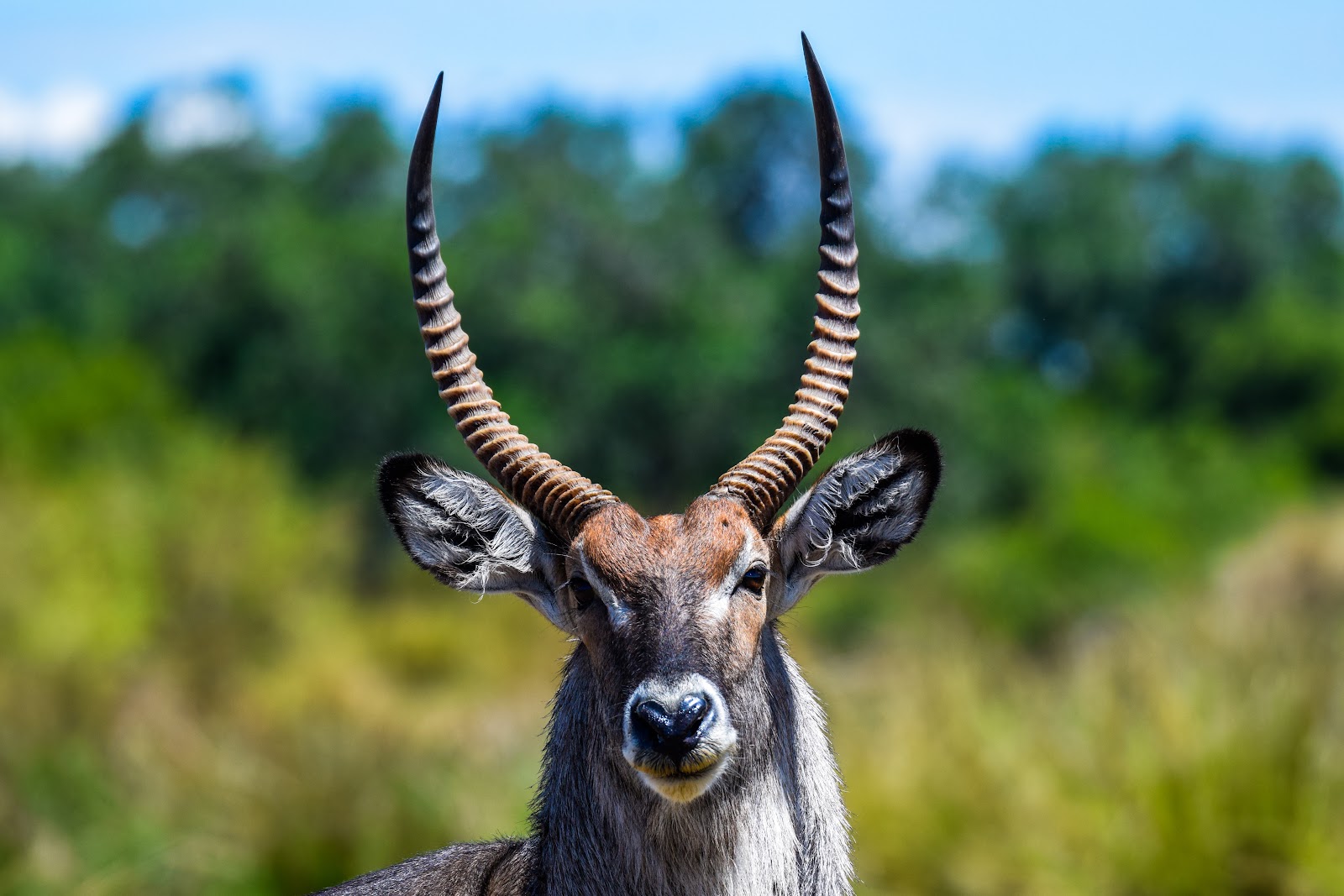
Tsavo West’s terrain was shaped by relatively recent volcanic activity across the surrounding Chyulu Hills and Kilimanjaro’s foothills, leaving behind a landscape of cinder cones, lava flows and permanent springs unlike anywhere else on the Kenyan safari circuit. The most dramatic evidence is the Shetani lava flow — Swahili for “devil,” named by local communities who witnessed its eruption in local oral history and found the jagged, near-lifeless black rock genuinely unsettling — which sits barely vegetated even centuries later, a stark contrast to the greenery surrounding it. Nearby, Chaimu crater offers a short, steep climb to a rim view across the whole Rombo plain, while the park’s permanent water — Mzima Springs’ crystal pools and the Tanzania-border Lake Jipe — creates concentrated wildlife viewing that the drier eastern half of Tsavo cannot always match. Layered onto this geology is a genuine conservation success story at Ngulia, where a fenced sanctuary has rebuilt a fragile black rhino population from near-collapse. The park’s hillier terrain also means game-drive circuits feel more varied over a single day than the long, flat stretches typical of Tsavo East — rounding a bend can reveal a lava field one minute and a green, spring-fed valley thick with waterbuck and impala the next, a rhythm of contrast that keeps a Tsavo West day feeling genuinely different hour to hour rather than a single repeated landscape.
We climbed Chaimu crater at sunset — twenty sweaty minutes for a view that made every step worth it, black lava fields stretching to the horizon on one side, green plains on the other. Our guide said most visitors never leave their vehicle in Tsavo, and I understood why they should the moment we reached the top.
— Sense of Adventure guest, Tsavo West safari
The 7 Essential Tsavo West Attractions
Shetani Lava Flow — a landscape barely settled since eruption
This roughly eight-kilometre black lava field, believed to have erupted within the last few hundred years, remains so sparsely colonised by vegetation that walking its jagged surface (via a marked, ranger-monitored trail) feels closer to visiting another planet than an African savannah. Local oral tradition gave it its ominous name, and standing on cooled lava barely older than some European cathedrals puts Tsavo’s geological youth into vivid perspective.
Chaimu Crater Climb — Tsavo West’s best view for the least effort
A short, steep scramble up this cindered volcanic cone — one of the very few sanctioned walks inside the park — delivers a genuinely rewarding panorama over the surrounding plains and neighbouring lava fields in well under an hour round trip. Sunset and sunrise light turn the loose black cinder underfoot a deep red-brown, adding real drama to the climb itself.
Mzima Springs — the oasis at the park’s heart
Crystal-clear pools fed by Chyulu Hills rainwater filtered through decades of volcanic rock support hippos, crocodiles and an underwater viewing chamber unique in Kenyan safari — easily Tsavo West’s single most beloved single-site attraction, and one deserving its own dedicated visit rather than a rushed drive-by stop.
Ngulia Rhino Sanctuary — a fenced hope for Kenya’s black rhino
A dedicated, intensively protected sanctuary within Tsavo West shelters a growing population of black rhino, rebuilt carefully from the devastation of 1970s-80s poaching — sightings here are considerably more reliable than the open-range search required in unfenced ecosystems like the Masai Mara, making Ngulia one of Kenya’s best realistic rhino-viewing destinations outside Nakuru.
Lake Jipe — hippos, birds and a view into Tanzania
This shallow, papyrus-fringed lake straddling the Kenya-Tanzania border sits in Tsavo West’s quieter southwestern corner, rewarding the longer drive with resident hippo pods, excellent waterbird viewing and, on clear days, views toward Mount Kilimanjaro across the water — one of the park’s least-visited yet most rewarding detours.
Poachers Lookout — panoramic views over the Rhino Sanctuary
A rocky viewpoint overlooking the Ngulia rhino sanctuary and surrounding plains, Poachers Lookout takes its evocative name from its historic use monitoring the area during Tsavo’s toughest anti-poaching years, and remains one of the best places in the park for a sundowner stop with a view stretching for uninterrupted kilometres.
Ngulia Hills & the Bird Migration Bottleneck — a globally significant stopover
The Ngulia Hills sit directly beneath a major Palearctic bird migration route, and on certain misty nights each November thousands of migrating birds are grounded by low cloud around Ngulia Safari Lodge — a phenomenon so scientifically significant that ringing studies here have run for decades, making this corner of Tsavo West a genuine hotspot on the international ornithological map.
Add a Full Tsavo West Day
Lava fields, a crater climb and the rhino sanctuary deserve more than a drive-through. Ask us to plan it properly.
Tsavo West Facts
- Scale: Tsavo West covers 9,065 km², smaller and hillier than its sister park Tsavo East.
- Volcanic history: the Shetani lava flow and Chaimu crater are both relatively recent volcanic features, geologically young by African standards.
- Mzima Springs: pumps an estimated 250 million litres of lava-filtered water daily, supporting hippos, crocodiles and an underwater viewing hide.
- Rhino recovery: the fenced Ngulia Sanctuary protects one of Kenya’s more secure black rhino populations, rebuilt after severe 1970s-80s poaching losses.
- Border lake: Lake Jipe straddles the Kenya-Tanzania border and offers hippo and bird viewing away from the main tourist circuits.
- Bird migration: Ngulia is internationally recognised for a mass Palearctic bird “fallout” phenomenon on misty November nights.
- Access: Mtito Andei and Chyulu gates connect Tsavo West directly to the Nairobi-Mombasa highway, roughly 4-5 hours from Nairobi.
Combining Tsavo West With the Rest of Your Safari
Tsavo West pairs naturally with its eastern sister park on our 3-day Tsavo East & West safari — see our Tsavo East attractions guide for the other half of the story and Tsavo East vs Tsavo West if deciding which to prioritise. For the rhino story in more depth, read our dedicated Ngulia Rhino Sanctuary guide.
Kenya’s Most Underrated Landscape Is Waiting
Lava, craters and rhinos most itineraries skip entirely. Message us to add Tsavo West properly to your trip.
Frequently Asked Questions
What is the Shetani lava flow in Tsavo West?
The Shetani lava flow is a roughly eight-kilometre field of black volcanic rock in Tsavo West National Park, believed to have erupted within the last few centuries and named “devil” in Swahili by local communities. It remains starkly barren of vegetation and can be explored on a marked walking trail.
Can you climb Chaimu crater in Tsavo West?
Yes — Chaimu crater offers one of Tsavo West’s few sanctioned walking trails, a short, steep climb of well under an hour that rewards visitors with a panoramic view over the surrounding plains and neighbouring lava fields, especially striking at sunrise or sunset.
What is the Ngulia Rhino Sanctuary?
The Ngulia Rhino Sanctuary is a fenced, intensively protected section of Tsavo West dedicated to rebuilding Kenya’s black rhino population after devastating 1970s-80s poaching losses, offering more reliable rhino sightings than unfenced ecosystems where the species ranges freely and is far harder to locate.
Is Lake Jipe worth visiting in Tsavo West?
Yes, for travellers with time to spare — Lake Jipe, straddling the Kenya-Tanzania border in Tsavo West’s quieter southwest, offers resident hippo pods, strong birdlife and views toward Kilimanjaro, rewarding the longer drive with a peaceful, lightly visited alternative to the busier central circuits.
How many days do you need for Tsavo West?
A minimum of one full day covers Tsavo West’s core sites — Mzima Springs, the Shetani lava flow and a game drive — but two days allow an unhurried Chaimu crater climb, the Ngulia rhino sanctuary and a detour to Lake Jipe without rushing between attractions.