
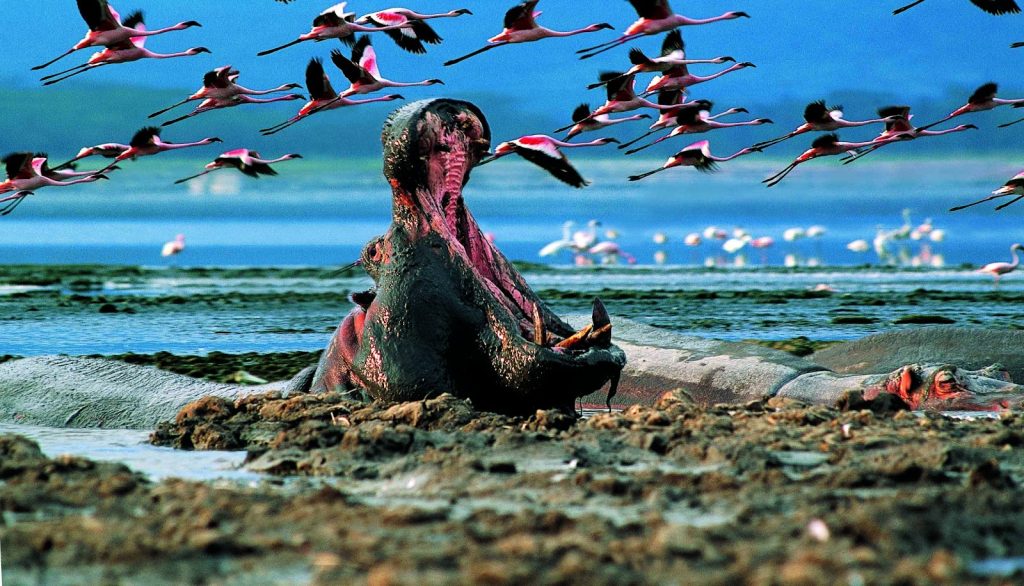
Flamingos in Lake Nakuru are not where decades-old photographs suggest they will be, and understanding why matters more than ever for anyone planning a visit around them specifically. The famous “millions of flamingos” image that made this lake globally iconic reflected a particular ecological moment that has genuinely shifted: since the lake rose and freshened significantly after 2013, the shallow, highly alkaline conditions Lesser flamingos depend on for algae feeding have become less reliable, while the taller, more adaptable Greater flamingo has become relatively more dominant among whatever pink numbers remain. The birds have not vanished from the region — they move between Rift Valley soda lakes as conditions shift, with Lake Bogoria frequently absorbing flocks that used to concentrate at Nakuru. Sense of Adventure gives every guest the honest current picture rather than the outdated postcard version, then routes accordingly.
Get the Honest 2026 Flamingo Picture
We’ll tell you straight whether Nakuru or Bogoria is the better bet on your travel dates.
Why Lake Nakuru’s Flamingo Numbers Actually Changed
Lesser flamingos feed almost exclusively on blue-green algae that thrives in shallow, highly alkaline water — precisely the conditions Lake Nakuru offered for decades before heavy rainfall from around 2013 onward raised the lake’s water level substantially and diluted its alkalinity, reducing the algae bloom the birds depend on. Numbers did not so much collapse as redistribute: flamingos are highly mobile and simply relocate to whichever Rift Valley soda lake currently offers the best feeding conditions, with Lake Bogoria frequently becoming the primary refuge in years when Nakuru’s chemistry is unfavourable. A further, more recent twist has emerged in the park’s northern sector, where freshwater conditions near the town’s storm drains have begun favouring diatoms rather than the algae flamingos need — bad news for pink numbers specifically, but a genuine boon for Great White Pelicans, which have surged in the resulting fish-rich conditions. The net result for a 2026 visitor: expect a park that has evolved into an even richer, more diverse birding destination than its flamingo-only reputation suggests, but do not build an entire visit around a guaranteed pink shoreline.

We’d seen the classic pink-lake photos and were honestly a little disappointed at first that the numbers weren’t like that — until our guide explained what’s actually happening and pointed out the pelican fleet instead, which turned out to be even more entertaining to watch hunt. Different show, still a great one.
— Sense of Adventure guest, Lake Nakuru safari
The 8 Things to Understand About Nakuru’s Flamingos in 2026
The Lesser Flamingo Decline — the species most people picture
Lesser flamingos, the smaller, more numerous species behind the historic “pink carpet” image, have declined most noticeably at Nakuru specifically because their algae food source depends on shallow, highly alkaline water that the lake’s post-2013 rise has diluted — this is a habitat shift, not a population collapse across the wider region.
The Greater Flamingo’s Relative Rise — a taller, more adaptable cousin
Greater flamingos, larger and more dietarily flexible than their Lesser cousins, have become relatively more prominent among whatever flamingo numbers remain at Nakuru — a species-composition shift as significant as the raw population change itself.
Where the Birds Actually Went — Lake Bogoria’s growing role
Flamingos are highly mobile and relocate between Rift Valley soda lakes as algae conditions shift, sometimes within days or weeks — Lake Bogoria has become a particularly important refuge in years when Nakuru’s water chemistry favours other species over the algae flamingos need.
The Pelican Surge — the unexpected trade-off
Freshwater conditions and diatom growth that disadvantage flamingos have simultaneously benefited fish populations, drawing dramatically increased numbers of Great White Pelicans to Nakuru — genuinely spectacular coordinated fishing displays that now rival the historic flamingo spectacle in their own right.
What This Means for Your Visit — setting realistic expectations
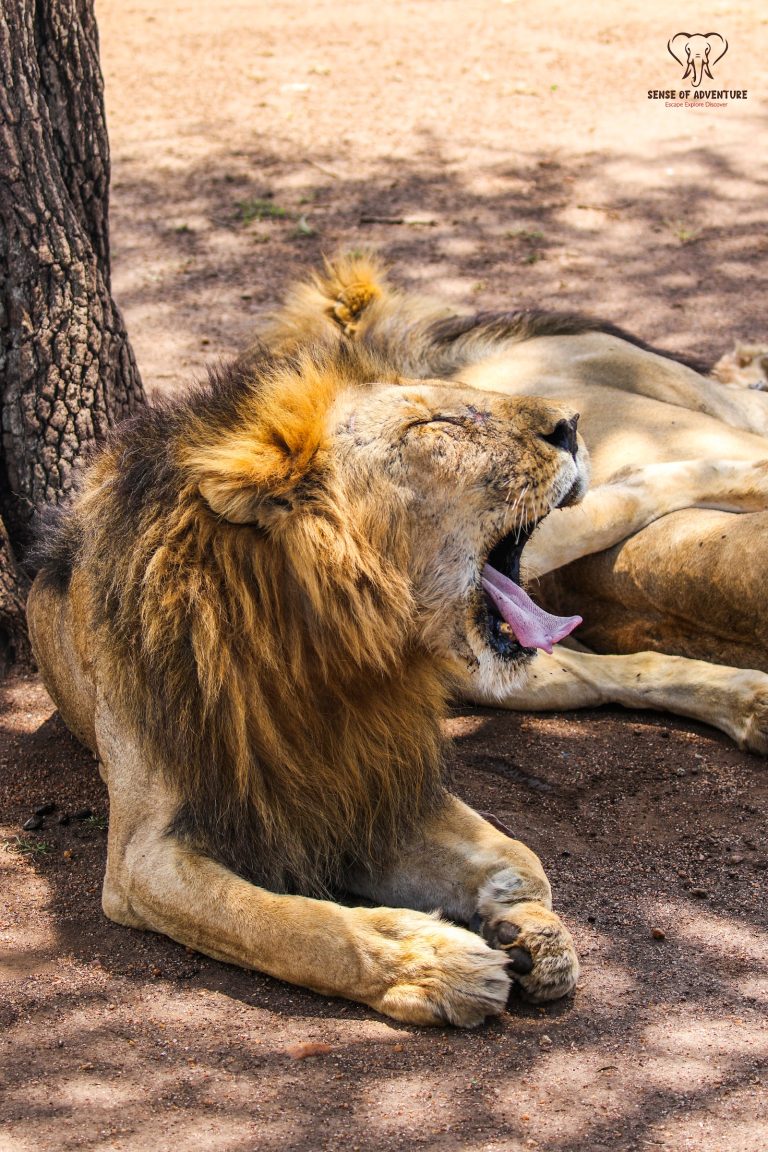
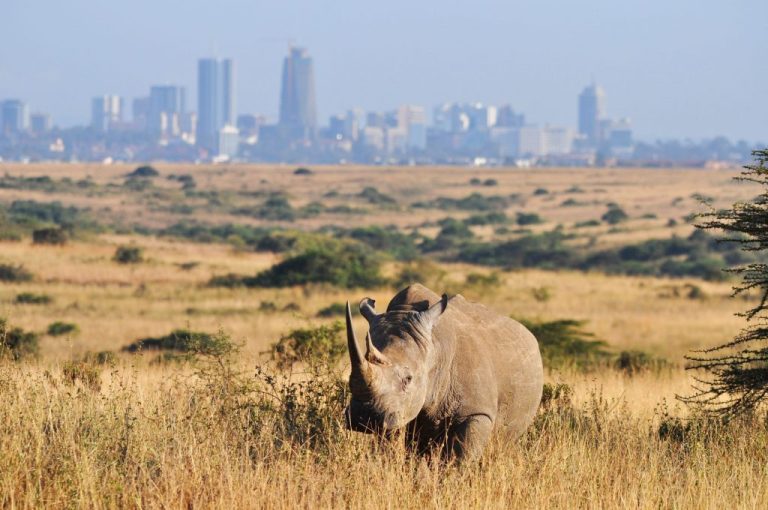
A 2026 Lake Nakuru visit should be planned around the park’s full ecosystem — rhinos, tree-climbing lions, diverse birdlife including pelicans — rather than a guaranteed flamingo photograph, since numbers genuinely vary by season and year in ways no operator can promise in advance.
Checking Current Conditions Before You Go — why timing advice needs to stay current
Because flamingo distribution shifts with rainfall and algae conditions that change year to year, the most reliable approach is checking current on-the-ground reports close to your travel dates rather than relying on older guidebooks or outdated photographs — we monitor this actively for our guests.
A Richer Park, Differently Framed — the honest upside of the change
Ecologically, Nakuru has arguably become more interesting since the shift — supporting some of the highest wildlife densities in the Rift Valley across rhinos, tree-climbing lions and now a booming pelican population — even as its single most famous historic image has become less reliably guaranteed.
How Researchers Track the Changes — ongoing monitoring, not guesswork
Kenya Wildlife Service and independent researchers continue monitoring water chemistry, algae blooms and bird numbers across the Rift Valley soda lakes, which is precisely how the Greater-versus-Lesser flamingo shift and the pelican surge became understood in the first place rather than remaining anecdotal impressions from occasional visitors.
We Track Current Conditions, Not Old Photographs
Ask us for the real, current flamingo (and pelican) situation before you book your Nakuru dates.

Lake Nakuru Flamingo Facts (2026)
- The shift: heavy rainfall from around 2013 raised Lake Nakuru’s water level and diluted the alkalinity Lesser flamingos depend on.
- Species change: Greater flamingos have become relatively more prominent as Lesser flamingo numbers favouring the old conditions have declined.
- Where they go: flamingos relocate between Rift Valley soda lakes, with Lake Bogoria a key alternative when Nakuru’s conditions are unfavourable.
- The trade-off: freshwater diatom growth has fuelled a surge in Great White Pelicans, now a major Nakuru spectacle in their own right.
- Not guaranteed: no operator can promise flamingo numbers on any given date — conditions shift with rainfall and season.
- Still a top birding park: Nakuru’s overall bird diversity and density remain among the Rift Valley’s best despite the flamingo shift.
- Best approach: check current conditions close to your travel dates rather than relying on older photographs or guidebooks.
Planning Around the Current Flamingo Picture
For the park’s full birding picture, see our Lake Nakuru birds guide, and pair flamingo-chasing with our Lake Bogoria guide for the current alternative refuge. The wider Lake Nakuru safari guide and Lake Nakuru rhinos guide cover the rest of what makes the park worth visiting regardless of flamingo numbers.
The Real Picture, Not the Old Postcard
Flamingos, pelicans, or both — message us for the current situation before you plan your Nakuru dates.
Frequently Asked Questions
Are there still flamingos at Lake Nakuru in 2026?
Yes, but in reduced and more variable numbers than the historic “millions” image suggests — heavy rainfall since around 2013 diluted the lake’s alkalinity, reducing the algae Lesser flamingos depend on, though Greater flamingos and periodic flocks still appear depending on current conditions.
Why did the flamingos leave Lake Nakuru?
Flamingos did not disappear entirely — they relocated. Rising water levels and reduced alkalinity at Lake Nakuru since around 2013 reduced the algae bloom Lesser flamingos feed on, pushing many birds to alternative Rift Valley soda lakes, particularly Lake Bogoria, where conditions remain more favourable.
Is Lake Bogoria better than Lake Nakuru for flamingos now?
In many recent years, yes — Lake Bogoria has become a key refuge for flamingos when Lake Nakuru’s water chemistry is unfavourable, though the exact balance shifts with rainfall and season, so current conditions should always be checked before planning a flamingo-focused trip.
What replaced the flamingos at Lake Nakuru?
Great White Pelicans have surged dramatically at Lake Nakuru, benefiting from the same freshwater and diatom conditions that disadvantaged flamingos — their coordinated fishing displays have become a major spectacle in their own right.
Should I still visit Lake Nakuru if I want to see flamingos?
Lake Nakuru remains worth visiting for its rhinos, tree-climbing lions and overall bird diversity even without guaranteed flamingo numbers — but if flamingos are your specific priority, checking current conditions and considering Lake Bogoria as an alternative is the honest approach.
What is the difference between Lesser and Greater flamingos at Nakuru?
Lesser flamingos are smaller, more numerous historically, and feed on algae requiring shallow, highly alkaline water; Greater flamingos are taller, more dietarily flexible, and have become relatively more prominent at Lake Nakuru as conditions have shifted away from favouring the Lesser species.
When is the best time of year to see flamingos at Lake Nakuru?
There is no longer a single reliable season guaranteeing flamingo numbers at Lake Nakuru, since distribution now depends heavily on current rainfall and algae conditions rather than a fixed calendar pattern — checking recent, current reports before travel is more useful than relying on a traditional “best month” rule.