
Yes, Masai Mara crowds can be real: at big-cat sightings and river crossings in the main reserve from July to October, you may share the scene with 20 or more vehicles. Most of the time, though, the Mara is not crowded. The right area, month, timing and guide make a huge difference.
Sense of Adventure is a licensed safari operator based in Nairobi (TRA licence TRA1/47/C01/77087), and we plan Mara safaris in every season. This guide explains honestly where and when Masai Mara crowds build up, why it happens, how the reserve, the Mara Triangle and the private conservancies compare, and nine practical ways to enjoy a quieter safari.
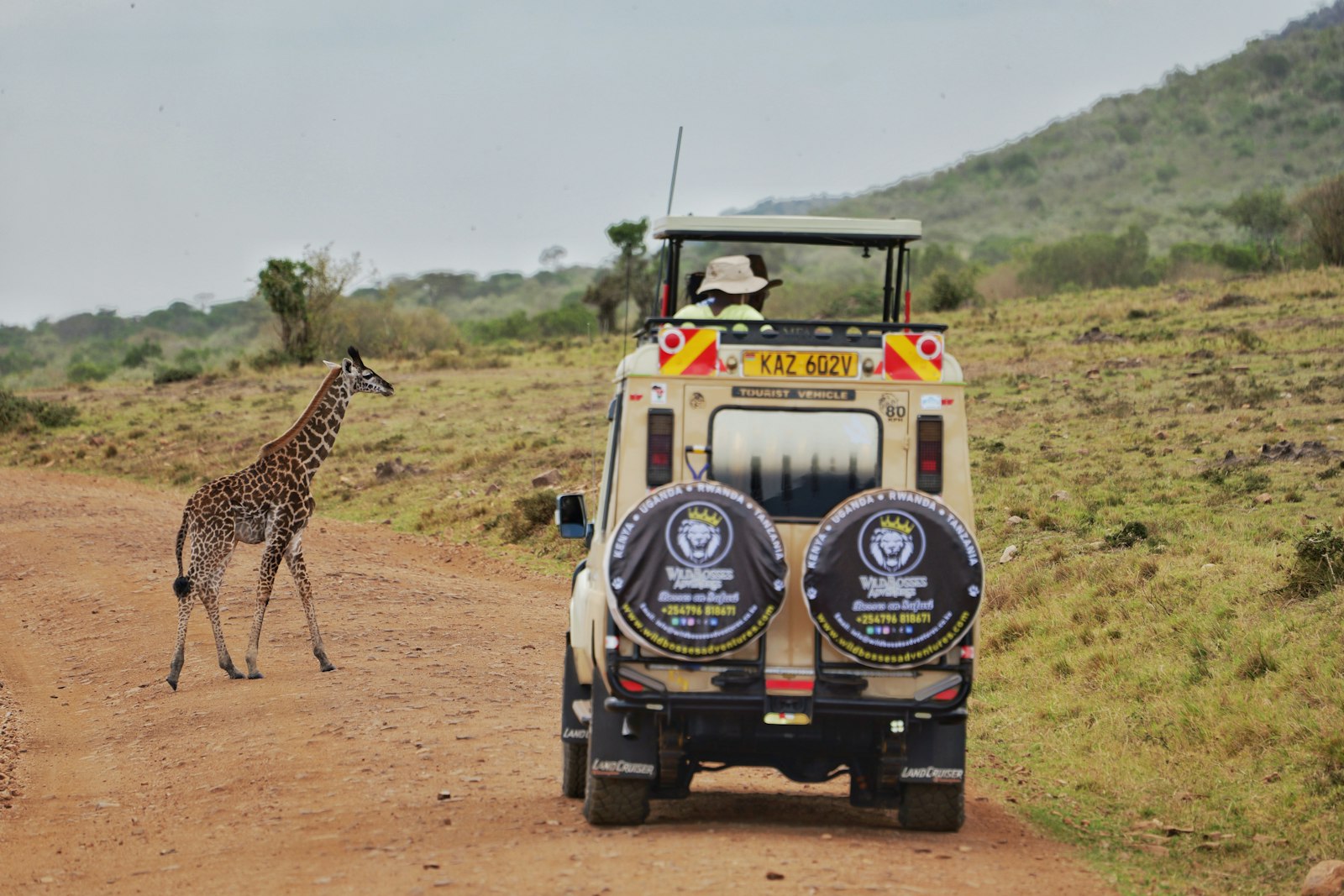
✅ Masai Mara Crowds: The Quick Answer
- Where: crowds gather at river crossings and well-known big-cat sightings in the main reserve, especially around Talek, the central plains and the Mara River.
- When: July to October and the Christmas fortnight are busiest; April, May and November are quietest.
- Quietest option: private conservancies such as Mara North, Naboisho and Olare Motorogi limit beds and vehicles at sightings.
- Timing: early mornings, full-day drives and lunchtime sightings are far quieter than mid-morning and late afternoon.
- Your guide matters: a guide who reads the radio but also knows when to drive away gives you better, calmer sightings.
🌎 Want a Quieter Mara Safari?
Tell us your dates and we will suggest the camps, areas and timings that keep you away from Masai Mara crowds. 💬 WhatsApp Us Now or call +254 799 160 081
Is the Masai Mara Crowded? The Honest Answer
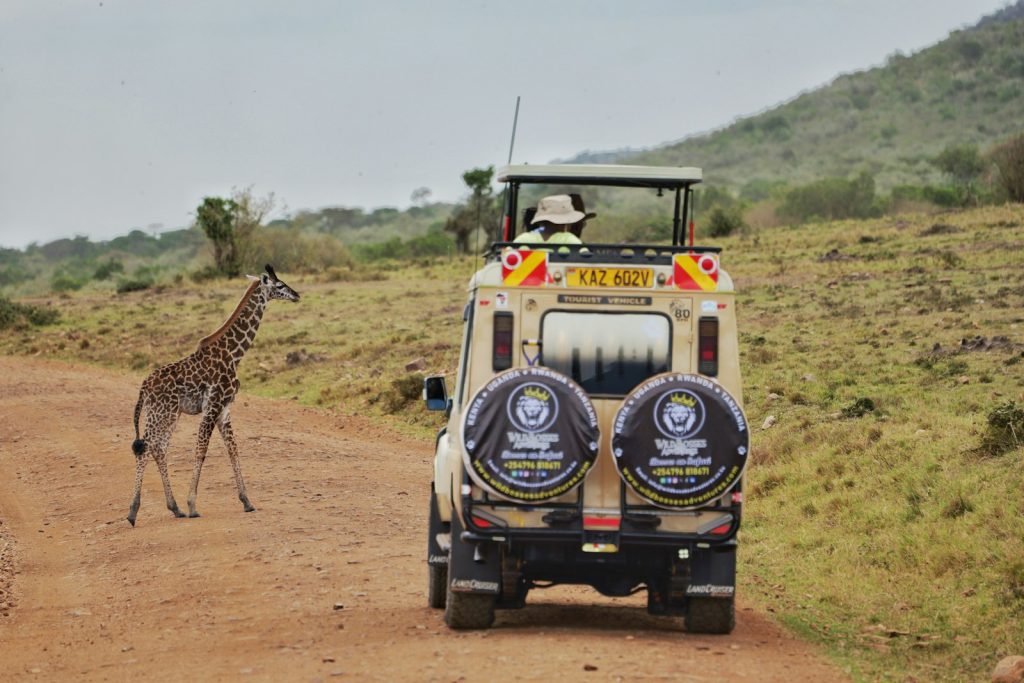
The Masai Mara is busy in places and at certain times, but Masai Mara crowds are concentrated rather than everywhere. On a typical game drive you will spend long stretches with no other vehicle in sight, then arrive at a lion kill or a leopard in a tree and find several vehicles already there.
The Masai Mara National Reserve covers about 1,510 square kilometres, and the wider ecosystem, including the conservancies to the north and east, is larger still. That is plenty of space. The pressure comes from three things: a growing number of camps, guides sharing sightings by radio, and the fact that most visitors want the same few animals at the same times of day.
So the honest answer is this. If you visit the main reserve in August, drive out at 9am and follow the radio to every cat, you will meet Masai Mara crowds. If you choose your area, month and timing carefully, you can have a remarkably peaceful safari, even in peak season.
Where Masai Mara Crowds Build Up
Masai Mara crowds build up in predictable places: river crossing points, famous big-cat territories and areas close to gates and clusters of camps. Knowing them helps you plan around them.
Mara River crossing points
When the wildebeest gather on the riverbank, vehicles gather too. At popular crossing points, dozens of vehicles can wait for hours, and the moment the herd jumps, many drivers move closer at once. This is the most crowded scene in the Mara and the one that attracts the most criticism. Our Great Migration river crossing guide explains how crossings work.
Big-cat territories in the central reserve
Well-known lion prides, cheetahs and leopards near Talek, the central plains and the Musiara area are watched daily. Guides share news by radio, so a cheetah hunt can draw Masai Mara crowds within minutes. A sighting of a cheetah with cubs is one of the most crowded situations you will see.
Near gates and camp clusters
Areas within an hour of the busiest gates, such as Sekenani and Talek, see more vehicles, including day visitors and minibuses on short road safaris. Further from the gates, Masai Mara crowds thin quickly. Our guide to where to stay in the Masai Mara by region shows how location shapes your drives.
When Masai Mara Crowds Are Worst: Month by Month
Masai Mara crowds peak in August and September, when the Great Migration and the northern summer holidays overlap, and are lowest in April, May and November. This table shows the typical pattern in the main reserve.
| Period | Crowd level (main reserve) | Why | Our view |
|---|---|---|---|
| January to March | Low to moderate | Dry season, fewer holidaymakers | Great balance of game and space |
| April and May | Lowest | Long rains; some camps close | Quiet and cheap, but wetter |
| June | Low to moderate | Dry, before peak holidays | One of the best-value quiet months |
| July | High | Herds usually arrive; holidays start | Busy at crossings, fine elsewhere |
| August | Highest | Peak migration and peak holidays | Plan carefully or use a conservancy |
| September | High | Migration continues | Slightly calmer than August |
| October | Moderate to high | Herds often begin to leave | Crowds ease as the month goes on |
| November | Low | Short rains, migration gone | Peaceful and green |
| Mid to late December | High | Christmas and New Year holidays | Book early; busy around camps |
For the wildlife side of each month, see our guide to Kenya weather by month, and for the honest truth about migration timing, read is the Great Migration guaranteed? If price matters as much as space, our guide to the cheapest time for a Kenya safari shows how quieter months also save money.
Why the Masai Mara Gets Busy
The Mara gets busy because it is Kenya’s most famous reserve, it is easy to reach and accommodation around it has grown fast. Understanding the causes explains why Masai Mara crowds are uneven.
- Camp growth: a report published in 2026, covering 2006 to 2025, counted around 183 tourist camps in the Maasai Mara, a sharp rise over that period and a key driver of Masai Mara crowds.
- Easy access: the Mara is about five to six hours by road from Nairobi or around 45 minutes by light aircraft, so short trips are popular.
- Radio sharing: guides help each other find animals, which means good sightings attract many vehicles.
- Same timetable: most camps run game drives at the same hours, so traffic peaks in the same windows.
- Bucket-list demand: nearly everyone wants a river crossing, a big cat and a sundowner, often in the same week.
Kenyan authorities and conservation groups are aware of the pressure, and rules on vehicle behaviour, off-road driving and new camps are tightening. Expect these rules to keep changing, and follow updates from Magical Kenya and the Kenya Wildlife Service.
Reserve vs Conservancies: The Biggest Crowd Fix
Staying in a private conservancy is the single most effective way to avoid Masai Mara crowds, because conservancies limit the number of beds and the number of vehicles allowed at a sighting. Only guests staying in that conservancy’s camps can drive there.
| Feature | Main reserve (Narok side) | Mara Triangle | Private conservancies |
|---|---|---|---|
| Who can drive there | Anyone with a reserve ticket | Anyone with a Triangle ticket | Guests of member camps only |
| Vehicles at sightings | Can be many in peak season | Viewing time limited when more than five vehicles wait | Strict limits on vehicles per sighting |
| Off-road driving | Not allowed | Not allowed | Often allowed for sightings, under rules |
| Night drives and walks | Not allowed | Not allowed | Usually offered |
| River crossings | Yes, main crossing points | Yes, western bank crossings | Not usually; day trips into the reserve possible |
| Price | Widest range, from budget | Mid-range to luxury | Mostly mid-range to luxury |
Conservancies are not completely free of Masai Mara crowds when they visit the reserve, but within their own boundaries they stay calm. The trade-off is price, and the fact that the main migration river crossings are inside the reserve. Many travellers split their stay: two nights in a conservancy for calm, exclusive sightings and two in or near the reserve for the river. Our Masai Mara reserve vs conservancies guide covers the rules, and Mara North vs Naboisho vs Olare Motorogi compares three of the best conservancies.
Expert tip from our Nairobi team: if you can only afford one conservancy night, put it at the start of your trip. Seeing a lion pride with just one or two vehicles nearby sets your expectations, and you will judge busier reserve sightings more kindly afterwards.
The Mara Triangle: A Calmer Side of the Reserve
The Mara Triangle, the western part of the reserve beyond the Mara River, is generally calmer than the eastern side because it has fewer camps and is managed separately by a not-for-profit company. It still has excellent game and its own river crossing points.
The Triangle publishes its own park rules. When more than five vehicles are waiting at a sighting, viewing time is limited to ten minutes, and waiting vehicles must stay 100 metres back. Rules like these help spread Masai Mara crowds out and protect animals. Access is mainly from camps on the western side or by air to the Kichwa Tembo and Serena airstrips, so you need to plan your camp choice early.
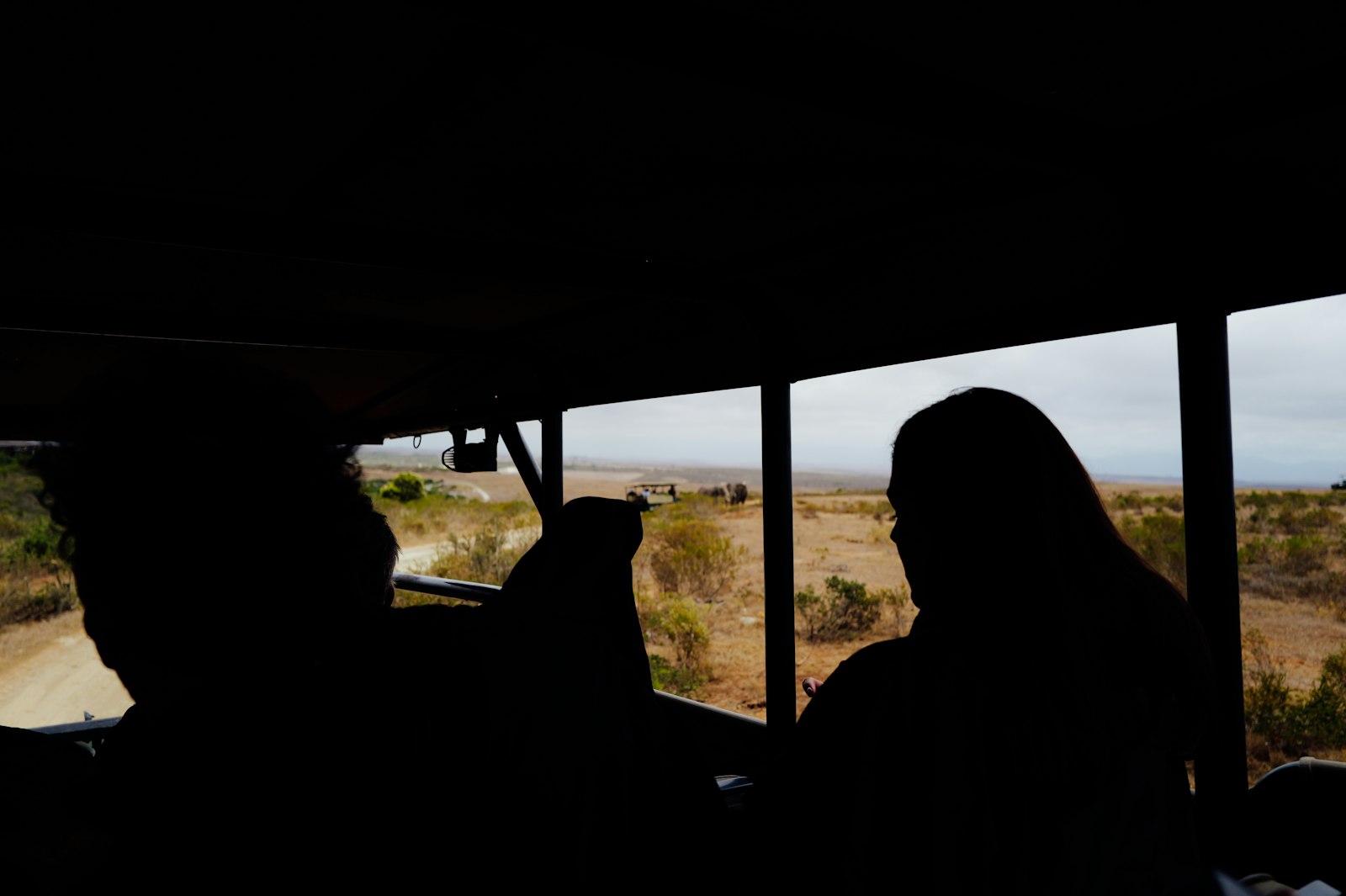
9 Ways to Avoid Masai Mara Crowds
You can avoid most Masai Mara crowds by changing where you stay, when you drive and how you travel. These are the nine steps we use most often for guests who want a quieter safari.
- Stay in a conservancy: even one or two nights in Mara North, Naboisho, Olare Motorogi or another conservancy transforms the experience.
- Choose your month: June, late October, November and January to March are quieter than July to September.
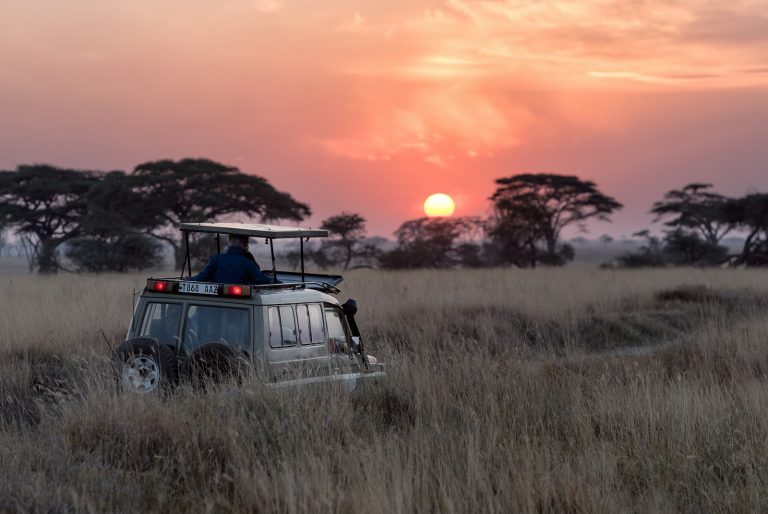
- Leave at first light: gates and most camps start game drives around 6am to 6.30am. Being among the first vehicles out gives you sightings before the traffic builds.
- Take a full-day drive: with a packed lunch you can reach distant areas while most vehicles return to camp between about 10am and 4pm.
- Book a private vehicle: you decide when to leave a sighting and when to explore an empty corner. Our private vs group safari guide compares the options.
- Stay three nights or more: with more time you do not have to chase every radio call, so you can wait patiently at quieter sightings.
- Pick a camp away from the busiest gates: a camp deep in the reserve, in the Triangle or in a conservancy puts you in quieter areas from the first minute.
- Fly in: a light-aircraft transfer saves a long road journey, giving you an extra afternoon drive. See our fly-in vs road safari guide.
- Tell your guide what you want: say clearly that you prefer fewer, calmer sightings over ticking off every animal. A good guide will adapt.
📅 Get a Free, No-Obligation Safari Quote
Send us your dates and how important a quiet safari is to you, and we will price a reserve, conservancy or split itinerary side by side. ✉ Send Us Your Dates on WhatsApp
River Crossings Without the Scrum
You can watch a river crossing without the worst of the Masai Mara crowds if you are patient, positioned well and willing to wait away from the herd until it commits to crossing.
How Masai Mara crowds form at the river
Masai Mara crowds at the river follow the herd. Wildebeest gather on the bank, sometimes for hours, and can turn back at any moment. Vehicles wait at a distance, then rush forward when the first animals jump. Pressing too close can make herds hesitate or change their crossing point, so the best guides hold back and let the crossing happen naturally.
How to watch a crossing more calmly
- Spend a full day by the river with a picnic lunch, rather than racing in for an hour.
- Watch from the opposite bank or a less famous crossing point when your guide thinks it is possible.
- Accept that some days nothing crosses. That patience is what makes the good days special.
- Keep voices low and stay seated. Noise and movement in vehicles can unsettle a nervous herd.
Expert tip from our Nairobi team: lunchtime is often the quietest hour at the river, because many vehicles return to camp. Herds cross at any time of day, so a picnic on the bank can give you a front-row view with far fewer vehicles around you.
What a Good Guide Does at a Busy Sighting
A good guide protects the animal first and your experience second, and that is exactly what makes Masai Mara crowds bearable. Here is what responsible guiding looks like, so you know what to expect and what to ask for.
- Keeps distance: never blocks an animal’s path, surrounds a cheetah on the hunt or cuts between a mother and cubs.
- Stays on tracks in the reserve: off-road driving is not allowed in the main reserve or the Triangle.
- Takes turns: gives other vehicles their view and moves on after a fair time.
- Switches the engine off: a quiet vehicle is better for animals and photography.
- Knows when to leave: sometimes the best decision is to drive away and find your own sighting.
You can help by never asking your guide to break rules for a closer photo. Our Kenya safari etiquette guide explains good behaviour in the bush, and is safari tourism ethical? looks at vehicles and wildlife stress in more depth.
Are Masai Mara Crowds a Reason Not to Go?
No. Masai Mara crowds are a reason to plan carefully, not a reason to skip one of the finest wildlife areas on earth. Lion, leopard, cheetah, elephant and huge herds of plains game are present all year, and most visitors leave amazed.
If you strongly dislike sharing sightings, consider pairing the Mara with quieter parks. Samburu in the north, Laikipia’s private ranches and Amboseli outside peak weeks all feel less busy, and each adds different species and scenery. Our how many days for a Kenya safari guide helps you fit more than one area into your trip. Before travelling, check your government’s advice, such as the UK Foreign Office Kenya page or US State Department Kenya page.
Mara Safaris Planned to Avoid the Crowds
Any of our Mara packages can be adjusted to avoid Masai Mara crowds with a conservancy camp, a private vehicle or quieter dates. Message us for a quote, because rates depend on season and camp.
- Celebration Safari: Masai Mara Conservancy (5 days): a private conservancy, balloon flight and bush dinner.
- Fly-in Masai Mara Luxury Safari (4 days): skip the road and gain extra drive time.
- Great Migration Safari: Masai Mara: built around full days by the river in migration season.
- 3 Day Masai Mara Safari Package: a short trip that works best in quieter months.
Masai Mara Crowds FAQs
Is the Masai Mara crowded?
Parts of it can be. Masai Mara crowds gather at river crossings and big-cat sightings in the main reserve, mostly from July to October and over Christmas. Away from those hotspots, and in conservancies or quieter months, you often have sightings to yourself. Area, timing and your guide make the biggest difference.
When is the Masai Mara least crowded?
April, May and November are the quietest months, followed by June and January to March. April and May bring the long rains and some camp closures, while June and the early months of the year are dry and still calm. Prices are also lower in these months than in peak migration season.
How many vehicles are at a Masai Mara sighting?
It varies widely. In quiet months or conservancies you may see one to three vehicles at a sighting. At a famous cheetah or a river crossing in August, there can be 20 or more. Conservancies cap vehicles per sighting, and the Mara Triangle limits viewing time when more than five vehicles wait.
Are the Masai Mara conservancies less crowded?
Yes. Conservancies limit the number of beds and the number of vehicles at each sighting, and only guests of member camps can drive there. Most also allow off-road driving for sightings, night drives and guided walks, which are not allowed in the main reserve. The trade-off is a higher price.
Is the Mara Triangle quieter than the main reserve?
Usually, yes. The Mara Triangle, west of the Mara River, has fewer camps and its own rules, including a ten-minute viewing limit when more than five vehicles are waiting at a sighting. It still has excellent wildlife and river crossings, so it suits travellers who want the reserve with fewer vehicles.
What time of day is the Masai Mara least busy?
The first hour after sunrise and the middle of the day are the quietest. Many vehicles return to camp between mid-morning and late afternoon, so a full-day game drive with a packed lunch lets you explore distant areas and riverbanks while most other visitors are resting.
Do Masai Mara crowds harm the wildlife?
Badly managed crowds can. Vehicles that block hunting cheetahs, surround animals or press too close at river crossings cause stress and can change animal behaviour. Rules on distance, viewing time and off-road driving help, and choosing a responsible operator and guide makes a real difference.
Is the Masai Mara still worth visiting if it is busy?
Yes. The Mara has some of the best year-round predator viewing in Africa, plus the Great Migration in most years. With good planning, such as a conservancy stay, quieter months and early starts, Masai Mara crowds rarely spoil the trip. Most visitors find it one of the highlights of their lives.
🏕 Plan Your Safari With Sense of Adventure
Kenya-based experts. Real local knowledge. Transparent pricing. We plan Mara safaris that avoid Masai Mara crowds, with quiet areas, smart timing and guides who put wildlife first. 💬 WhatsApp Us — Start Planning Today
Call or WhatsApp: +254 799 160 081
Related Safari Guides
- ›Masai Mara Reserve vs Conservancies
- ›Is the Great Migration Guaranteed?
- ›How Much Does a Masai Mara Safari Cost?
- ›A Typical Day on Safari in Kenya
- ›Safari Vehicles in Kenya
Official travel & park resource: Kenya Wildlife Service ↗