

Kenya safari etiquette is rarely written down anywhere a first-time guest actually reads before their first game drive, which is exactly why so many small missteps happen in the first ten minutes — standing up too soon, a phone flash at a resting lion, calling out to point at an elephant everyone can already see. None of it comes from bad intentions; it comes from nobody explaining the unwritten rules in advance. Imagine instead knowing exactly when it’s fine to speak, when to stay silent, and why your guide asks you to sit back down before you’ve even noticed you stood up. Sense of Adventure briefs every guest on precisely this before their first drive, so nobody spends their first game drive guessing at rules that could easily have been explained in five minutes over breakfast.
We’ll Brief You Before Your First Drive
Every Sense of Adventure guest gets a proper etiquette briefing — message us to start planning yours.
Why Safari Etiquette Actually Matters
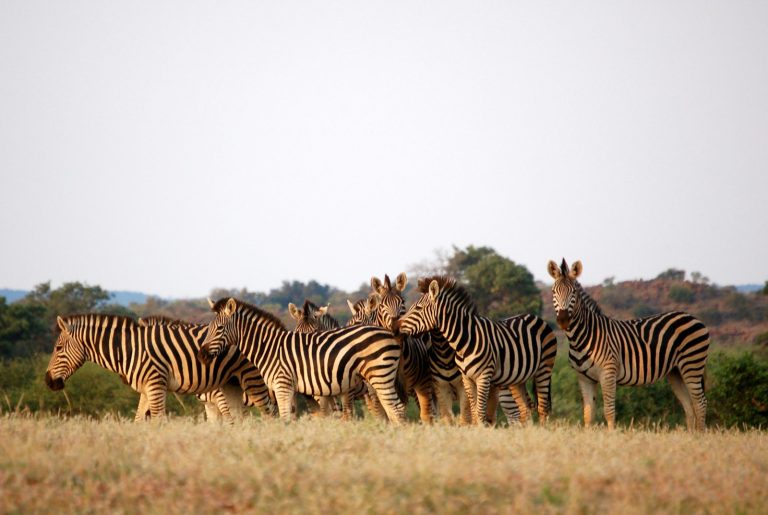
Wildlife etiquette exists for a genuinely practical reason: animals under observation behave more naturally, and stay closer for longer, when vehicles and guests are calm and predictable. A quiet, still vehicle gets a lion pride settling back to sleep within a few metres; a noisy one with people standing and pointing gets that same pride moving off into cover within a minute. Beyond the wildlife, cultural etiquette around Maasai communities and fellow guests matters just as much to a trip actually feeling good, not just looking good in photos afterward. Most of these rules are unwritten precisely because they rarely appear on a park sign or a pre-trip email — they live in what an experienced guide quietly models on the first drive, which is exactly why a short verbal briefing before you leave camp saves everyone an awkward moment later.

Our guide explained the “stay seated unless told otherwise” rule before we’d even left camp, and twenty minutes later I understood exactly why — a leopard we’d have spooked in seconds if half the vehicle had stood up to get a photo instead stayed put for almost ten minutes. Small rule, completely different outcome.
— Sense of Adventure guest, Masai Mara safari
The 6 Safari Etiquette Rules That Matter Most
Stay Seated Unless Told Otherwise — the single most important vehicle rule
Only exit the vehicle when your guide explicitly says it is safe — typically at designated picnic spots, viewpoints or during a ranger-led walking safari. Standing up unannounced, even just for a better photo angle, is both a safety risk and the fastest way to end a sighting early.
Keep Your Voice Down — quiet observation beats excited narration
Loud voices and sudden noise travel further than most guests expect and can move animals on faster than the vehicle itself. A quiet, patient vehicle consistently gets longer, closer sightings than an excited, chatty one.
No Flash Photography at Night — protecting nocturnal wildlife’s eyes and behaviour
Flash photography, especially during night drives, can startle animals and disrupt natural behaviour. Most guides carry or recommend red-filtered spotlights specifically because they cause far less disturbance than a camera flash.
Never Feed or Call Out to Animals — for their safety as much as yours
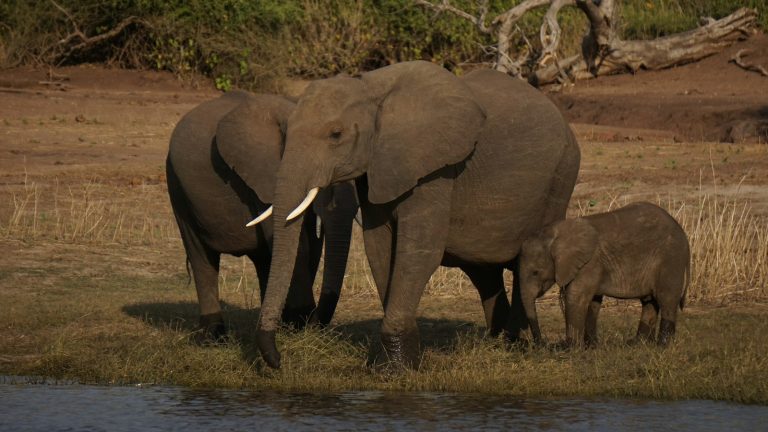
Feeding wildlife, throwing anything from the vehicle, or calling out to get an animal’s attention all interfere with natural behaviour and can create dangerous habituation over time. Let the animals set the terms of the encounter, not the vehicle.
Ask Before Photographing People — the cultural rule guests forget most
Always ask permission before photographing Maasai community members or anyone else you meet outside the vehicle, and avoid handing out sweets, money or pens to children, however well-intentioned — it encourages begging rather than helping. Our common mistakes guide covers this same theme in more detail.
Leave Nothing Behind — litter rules are strictly enforced
Never throw anything from the vehicle — not tissues, wrappers or food scraps — and expect to leave the park by dusk, since night driving inside national parks is prohibited. Both rules protect the wildlife and the landscape for the next vehicle that passes through.
Respect Fellow Guests in the Vehicle — shared sightings need shared courtesy
In a shared vehicle, rotate positions so everyone gets a turn at the best window, avoid monopolising your guide’s attention with constant questions during a sighting, and keep phone calls or video chats for camp rather than mid-game-drive — small courtesies that make a shared vehicle feel as good as a private one.
Trust Your Guide’s Judgment — they read animal behaviour better than any guest can
If a guide says it is time to move on from a sighting, ends a stop earlier than you’d like, or declines to approach closer to an animal, there is almost always a behavioural or safety reason behind it even if it is not immediately obvious to a guest — deferring to that judgment rather than pushing back is part of good safari etiquette too.
A Calm Vehicle Sees More Wildlife
Book a guide who briefs you properly before the first drive — message us to plan your trip.

Kenya Safari Etiquette Facts
- Vehicle exits: only permitted at designated spots when your guide explicitly confirms it is safe.
- Photography: no flash at night near wildlife; always ask permission before photographing people.
- Noise: quiet, patient vehicles consistently get longer and closer wildlife sightings.
- Feeding wildlife: strictly avoided — it disrupts natural behaviour and creates unsafe habituation.
- Park hours: vehicles must be out of the park or back at camp by dusk; night driving is not permitted.
- Cultural visits: avoid handing out sweets, money or pens to children, however well-meaning the gesture.
Etiquette as Part of a Bigger Trip
Read this alongside our Kenya safari mistakes to avoid guide for the planning side of the same theme, and our self-drive vs guided safari comparison if you’re still deciding how you’ll experience your game drives. Our first-time visitor guide ties all of this into one complete planning sequence, and cultural village visits covered in our destination guides follow the same underlying principle: ask before assuming, and let your guide set the pace of any interaction with wildlife or local communities.
Know Before You Go
A short briefing beats an awkward mistake in front of a lion pride. Message us to plan your safari.
Frequently Asked Questions
What is Kenya safari etiquette?
Kenya safari etiquette covers the unwritten rules guests should follow on game drives — staying seated unless told otherwise, keeping voices down, avoiding flash photography at night, never feeding wildlife, and asking permission before photographing local people.
Can you get out of the vehicle on a Kenya safari?
Only when your guide explicitly confirms it is safe, typically at designated picnic spots, viewpoints or during a ranger-led walking safari. Exiting the vehicle unannounced elsewhere is both a safety risk and against national park rules.
Is flash photography allowed on a Kenya safari?
Flash photography is discouraged, especially during night game drives, since it can startle wildlife and disrupt natural behaviour. Guides typically use red-filtered spotlights instead, which cause far less disturbance to nocturnal animals.
Is it okay to photograph Maasai people on safari?
Always ask permission first. Most Maasai community members are happy to be photographed when asked respectfully, but photographing people without asking is considered poor etiquette on any Kenya safari or cultural village visit.
What time do you have to leave a Kenya national park?
National park rules require vehicles to be out of the park or back at camp by dusk — night driving inside Kenyan national parks and reserves is not permitted, both for guest safety and to protect nocturnal wildlife.