
Is safari tourism ethical is a question more travelers are asking honestly rather than assuming the answer, and the honest response has real nuance: research does show that close proximity and vehicle congestion around species like elephants and cheetahs can cause genuine psychological stress, potentially disrupting breeding and social behaviour over time. That is a real cost, not a myth to wave away. The other half of the truth is equally real: well-managed tourism directly funds conservation, ranger salaries and anti-poaching patrols that would not otherwise exist, meaning the wildlife itself is often safer overall because visitors keep coming, not despite it. Sense of Adventure operates with the specific practices, vehicle limits, distance rules, no baiting, that separate the harmful version of this industry from the genuinely beneficial one.
Travel With an Operator Who Takes This Seriously
Message us about our vehicle limits and distance practices before you book.
The Real Two-Sided Truth
Safari tourism genuinely funds conservation at a scale few other industries can match: park entrance fees pay ranger salaries and anti-poaching patrols directly, and community conservancy models around places like the Masai Mara have turned wildlife into a source of local income that makes protecting it more valuable than converting land to farming. At the same time, documented overtourism incidents are real and increasingly reported, including a 2025 case where more than 150 vehicles swarmed a single Mara River crossing point, blocking migration routes and creating genuine safety risk for both animals and people. Both facts are true simultaneously, which is exactly why the operator you choose, not the industry as a whole, determines which version of safari tourism you are actually funding.
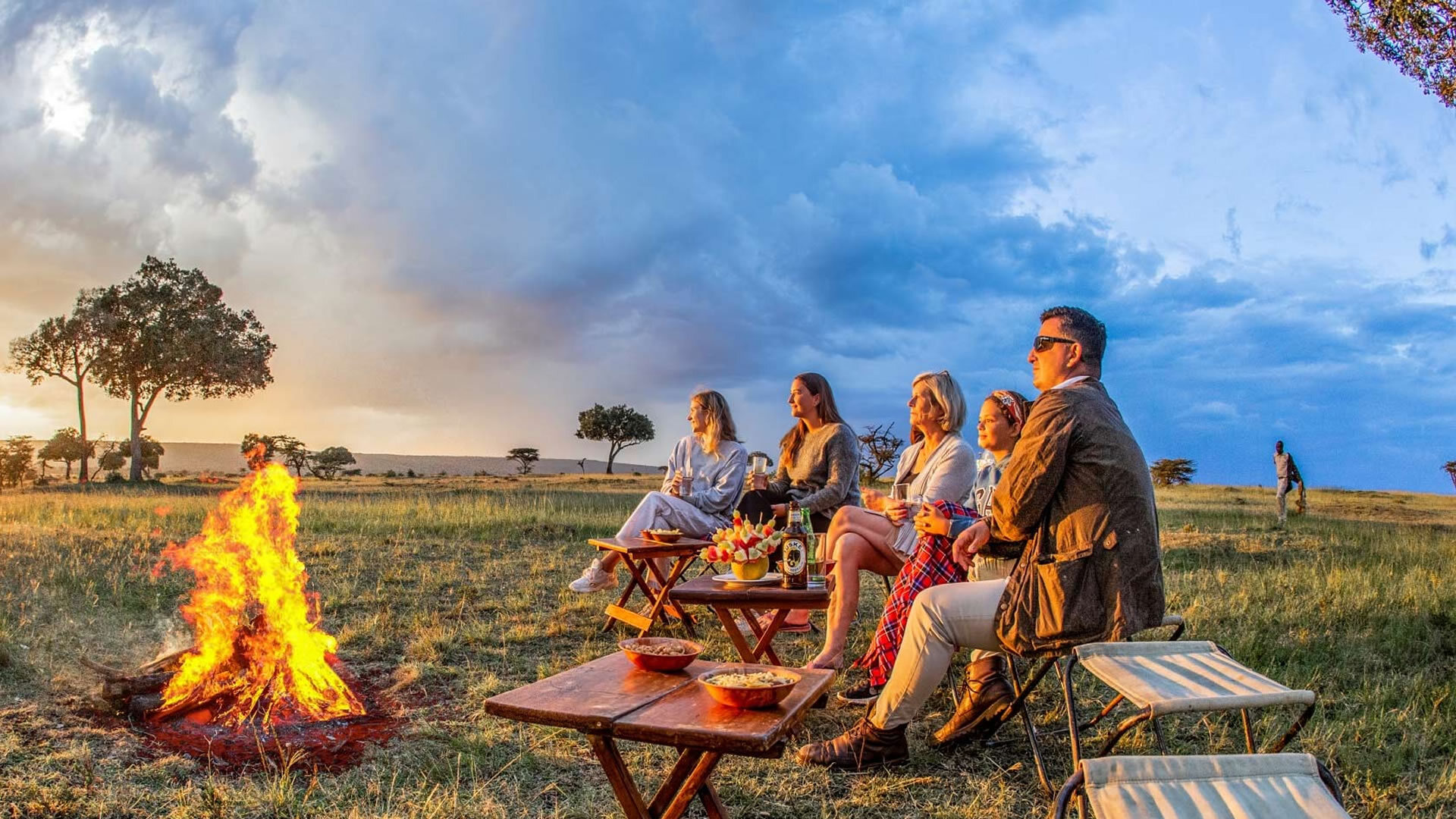
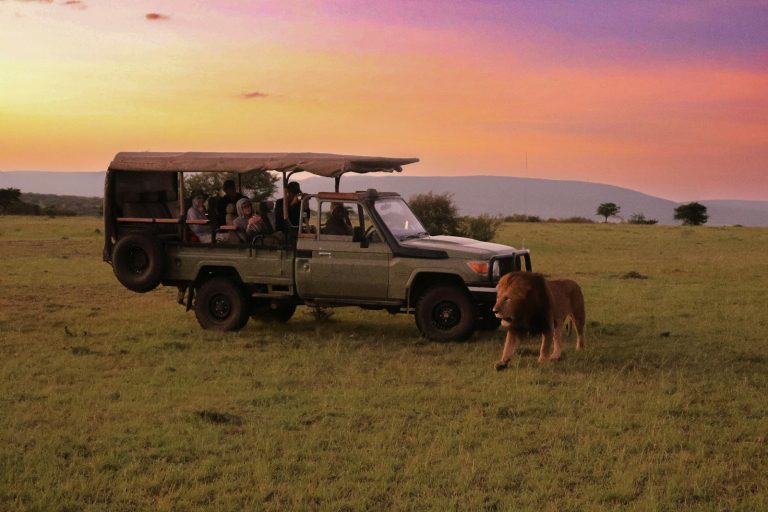
We arrived at a cheetah sighting and our guide chose to hold back and wait rather than push closer alongside three other vehicles already crowding it. It meant a slightly less perfect photo angle, but watching him prioritise the animal genuine comfort over our shot made me trust the whole operation a lot more than any brochure claim could have.
— Sense of Adventure guest, Masai Mara photographic safari
7 Marks of a Genuinely Ethical Safari
1. Respectful Distance, Always
Genuinely ethical guides keep vehicles at a distance that avoids stressing the animal, even when it means a less dramatic photo angle.
2. Vehicle Limits at Any Single Sighting
Fewer vehicles crowding a predator or kill site reduces stress and behavioural disruption, an industry standard genuinely ethical operators actually follow rather than just claim.
3. Zero Baiting or Feeding
Ethical operators never lure wildlife closer with food or bait for a better photograph, a practice that alters natural behaviour and creates dangerous dependency.
4. Off-Road Driving Only Under Strict Control
Where off-road positioning is permitted at all, it should happen rarely and only under tightly controlled conservancy rules, not as a routine shortcut to a better angle.
5. Fees That Genuinely Fund Conservation
Park and conservancy fees directly support ranger salaries, anti-poaching patrols and habitat maintenance, meaning your visit itself funds the wildlife protection you came to see.
6. Community Conservancies Over Pure Extraction
Models that share tourism revenue directly with local communities give wildlife genuine economic value on the ground, making conservation the profitable choice rather than an imposed restriction.
7. Willingness to Walk Away From a Crowded Sighting
A guide who chooses to leave a sighting already surrounded by too many vehicles, rather than adding one more, is demonstrating the priority that actually defines ethical practice.
Book a Safari That Actually Practices This
We are happy to discuss our exact vehicle and distance practices before you commit.
Why the Operator You Choose Actually Matters
The uncomfortable truth is that the same species, the same parks, and even the same week of travel can produce a genuinely low-impact experience or a genuinely harmful one, entirely depending on the specific operator’s practices rather than anything inherent to safari tourism itself. Asking direct questions before booking, how many vehicles do you allow at one sighting, do you ever bait wildlife, what percentage of fees goes to conservation, tells you more about the real ethics of a trip than any marketing language ever will. A traveler who asks these questions and chooses accordingly is not just protecting their own conscience; they are materially shifting demand toward the operators actually doing this responsibly.
Ethical Safari Practices: Quick Reference
- Real risk: vehicle congestion can genuinely stress wildlife and disrupt behaviour.
- Real benefit: tourism fees directly fund ranger salaries and anti-poaching work.
- Red flags: baiting, feeding, or unlimited vehicles at one sighting.
- Good signs: vehicle limits, respectful distance, willingness to leave a crowded sighting.
- Best model: community conservancies that share tourism revenue locally.
- Your role: ask direct questions about practices before booking any operator.
Choosing the Right Operator
Ethics on safari comes down almost entirely to the operator, not the destination. Our Wildlife Conservation in Kenya guide and How to Choose a Safari Operator guide cover exactly what to look for and ask before you book.
Travel With a Clear Conscience
Message us today and ask us anything about how we actually operate in the field.
Frequently Asked Questions
Is safari tourism actually ethical?
It depends heavily on the operator. Research shows vehicle congestion can genuinely stress wildlife, but well-managed tourism also directly funds conservation, ranger salaries and anti-poaching patrols, meaning ethics come down to specific practices rather than the industry as a whole.
Does tourism actually stress wildlife on safari?
Yes, studies have found that close proximity and high vehicle congestion around species like elephants and cheetahs can cause genuine psychological stress and potentially disrupt breeding and social behaviour over time.
How can I tell if a safari operator is ethical?
Ask direct questions before booking: how many vehicles are allowed at one sighting, whether the operator ever baits or feeds wildlife, and what percentage of fees supports conservation, since these practices reveal more than any marketing claim.
Do park fees actually help conservation?
Yes, park and conservancy entrance fees directly fund ranger salaries, anti-poaching patrols and habitat maintenance, making responsible tourism a genuine, measurable contributor to wildlife protection.
What is overtourism at wildlife sightings?
Overtourism occurs when too many vehicles crowd a single sighting, such as a documented 2025 incident where over 150 vehicles surrounded one Mara River crossing point, creating genuine stress and safety risk for both animals and people.