
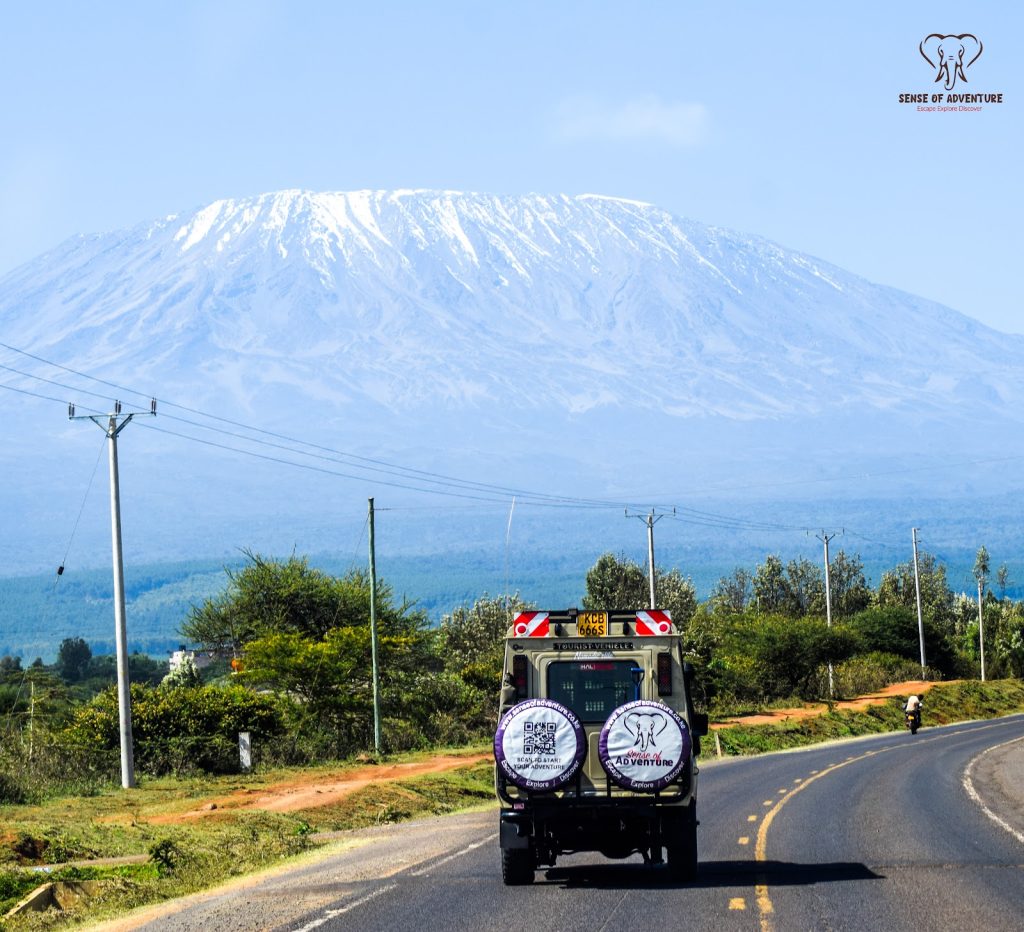
Self-drive vs guided safari in Kenya is a genuine choice, not a question with one obviously correct answer — both styles deliver a real Kenyan safari, just with different trade-offs in cost, control and how many predators you actually see. A self-drive trip hands you total freedom over pace and stops; a guided one hands you a driver plugged into a live network of fellow guides radioing fresh sightings across the park in real time. Picture either version: navigating your own route at your own rhythm, or trusting a guide who already knows exactly which circuit had a lion sighting twenty minutes ago. Sense of Adventure runs both, and this guide lays out honestly which suits which traveller, rather than pushing whichever option happens to be more profitable to sell.
Not Sure Which Style Fits You?
Tell us your experience level and priorities on WhatsApp and we’ll recommend honestly.
The Core Trade-Off Between the Two Styles
Self-drive suits confident, independent travellers comfortable with 4×4 driving on rough, occasionally corrugated roads, willing to trade some predator sightings for total control over pace and cost. Guided safaris cost more but plug you into a live radio network of driver-guides sharing fresh sightings park-wide — the single biggest factor in finding lions, leopards or rhino on any given morning. Critically, the choice is not always yours to make everywhere: independent vehicles are generally not permitted for game drives inside the Masai Mara reserve itself, while Amboseli’s compact 392 km² of well-marked circuits makes it one of the more genuinely self-drive-friendly parks in Kenya. Many travellers land somewhere in between, self-driving the easier parks and booking a guide for the reserves where independent driving is restricted or simply less rewarding — there is no rule that an entire trip has to be one style or the other.
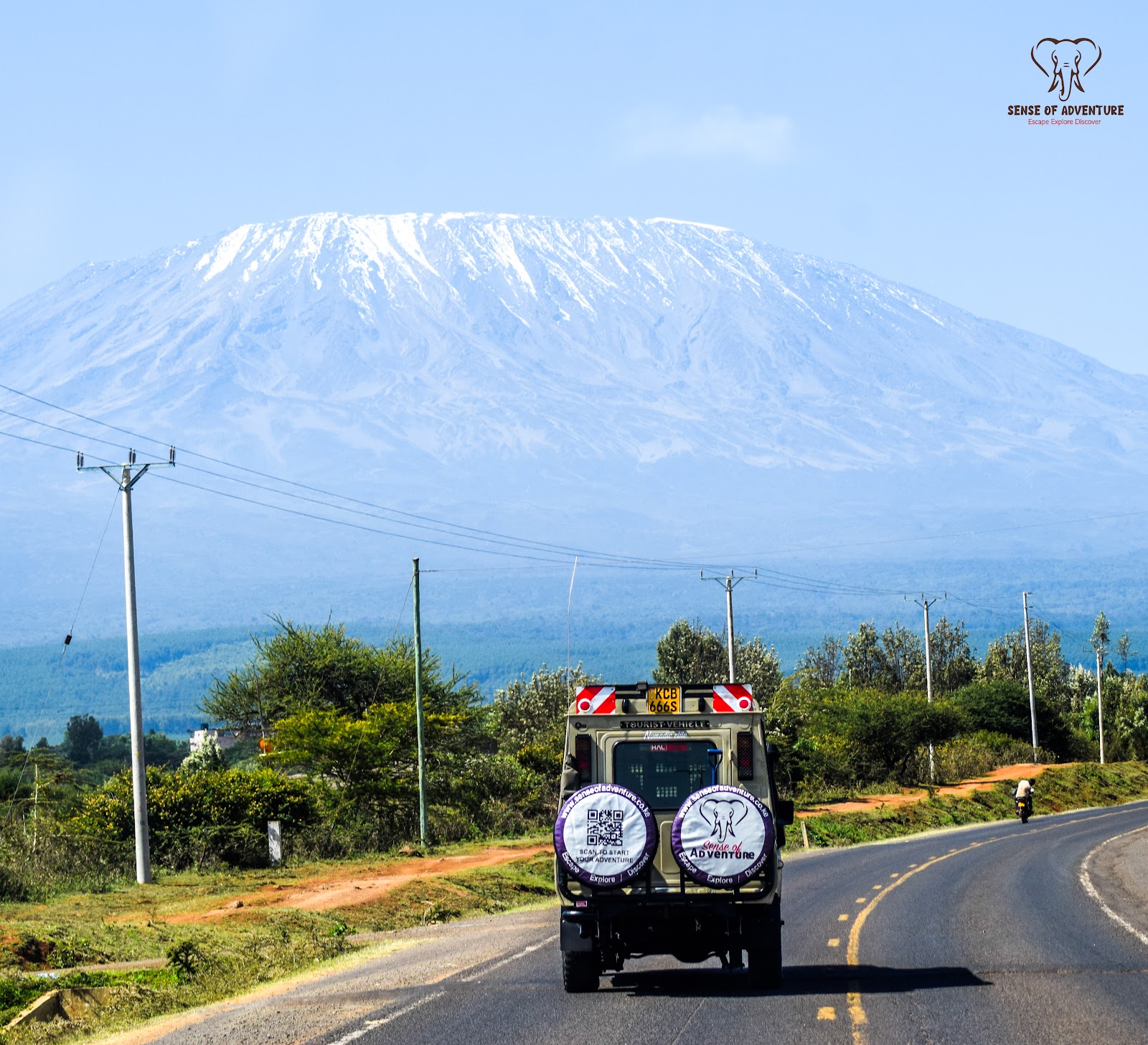
We self-drove Amboseli and loved the freedom, then switched to a guided vehicle for the Mara since we’d read self-drive isn’t really an option there. The contrast was fascinating — Amboseli’s flat, marked circuits made self-driving genuinely easy, while the Mara guide found us a leopard within twenty minutes using nothing but his radio.
— Sense of Adventure guest, combined self-drive and guided trip
The 6 Factors That Decide Self-Drive vs Guided
Which Parks Actually Allow It — the rule that decides for you, sometimes
Self-drive is straightforward in Amboseli, whose compact size and clearly marked circuits make navigation genuinely easy without a guide. Independent private vehicles are generally not permitted for game drives inside the Masai Mara reserve itself, and its adjacent private conservancies are exclusively guided — check the specific park’s rules before assuming the choice is entirely yours.
Cost Comparison — 4×4 rental plus fuel vs a guided package rate
A self-drive 4×4 rental runs roughly USD 80-200 per day, plus fuel around USD 50-100 per day depending on distance driven, on top of park fees (around USD 80 per adult per day at the Masai Mara, USD 40-70 at Amboseli). A guided safari bundles vehicle, driver, fuel and often park fees into one package rate — compare the true totals, not just the headline day-rate.
Predator-Finding Odds — the single biggest guided advantage
Professional guides share fresh sightings across the park by radio in real time — the single largest factor in finding predators specifically. Self-drive wildlife encounters are genuinely more hit-or-miss without this network, even for an experienced independent traveller.
Comfort and Group Privacy — why some travellers prefer to self-drive anyway
A self-drive vehicle belongs entirely to your own group — no shared seating with strangers, no fixed schedule dictated by a wider tour itinerary, and the freedom to stop for as long as you like at any sighting or photo opportunity without deferring to anyone else.
Driving Conditions and Experience Needed — road realities self-drivers must accept
Kenya’s park roads range from well-maintained to genuinely rough, particularly during the rainy season, and self-driving safely requires real 4×4 experience and comfort navigating without paved roads or reliable signage in more remote stretches.
Who Each Style Actually Suits — an honest recommendation, not a sales pitch
For most first-time visitors to Kenya, a guided safari is the smarter choice — see our first-time visitor guide for why. Self-drive rewards travellers with prior safari experience, genuine 4×4 confidence, and a preference for independent travel over maximising predator sightings.
Insurance and Breakdown Cover, Self-Drive Specific — a detail rental counters don’t always volunteer
Confirm your rental agreement’s excess/deductible on collision damage and whether roadside breakdown assistance is included, since a puncture or mechanical issue in a remote self-drive circuit is a very different problem from the same issue on a guided trip, where the operator handles it directly. Ask specifically rather than assuming standard cover applies.
Navigation and Offline Maps — signal drops fast once you’re inside a park
Download offline maps of your route and each park’s circuit before you lose signal, and pick up the physical park map available at the gate as a reliable backup — mobile data inside most Kenyan reserves is patchy at best, and a self-drive itinerary that depends entirely on live GPS is a fragile one.
We Run Both Styles — Ask Us Honestly
Tell us your experience and priorities and we will recommend self-drive or guided without a sales pitch.
Self-Drive vs Guided Safari Facts
- 4×4 rental: roughly USD 80-200 per day, typically Toyota Land Cruisers or Land Rovers suited to Kenya’s park roads.
- Fuel cost: around USD 50-100 per day for self-drive, depending on distance covered.
- Park fee example: roughly USD 80 per adult per day at the Masai Mara, USD 40-70 at Amboseli.
- Masai Mara rule: independent private vehicles are generally not permitted for game drives inside the reserve itself.
- Amboseli rule: self-drive is straightforward given the park’s compact 392 km² size and clearly marked circuits.
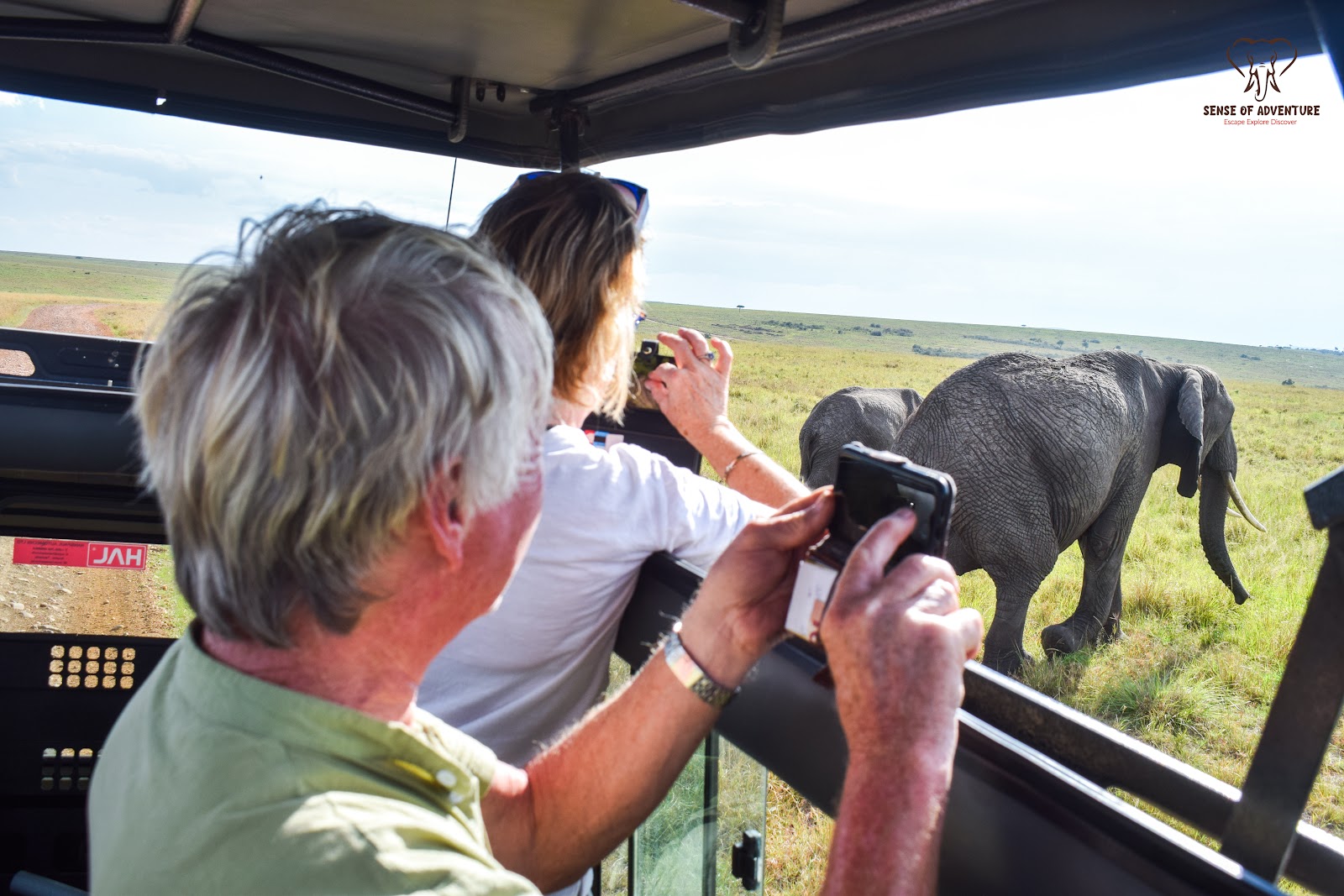
- Guided advantage: driver-guide radio networks sharing live sightings significantly improve the odds of finding predators.
Deciding Your Safari Style as Part of Bigger Planning
Read this alongside our safari etiquette guide for what to expect once you’re in the vehicle, and our common mistakes guide, which covers self-drive-specific pitfalls in more depth. Our complete first-time visitor guide ties this decision into the wider trip-planning sequence, and our how-many-days guide is worth reading first if you have not yet settled on which parks and how many days you’re working with.
Whichever Style You Choose, We’ll Set It Up Right
Message us to book a self-drive rental or a fully guided Kenya safari.
Frequently Asked Questions
Is self-drive safari allowed in Kenya?
Yes, in several parks — Amboseli in particular is well-suited to self-drive thanks to its compact size and clearly marked circuits. However, independent private vehicles are generally not permitted for game drives inside the Masai Mara reserve itself.
Is a guided safari better than self-drive in Kenya?
For most first-time visitors, yes — guided safaris tap into a live driver-guide radio network sharing fresh sightings park-wide, significantly improving the odds of finding predators compared to navigating and spotting wildlife independently.
How much does a self-drive safari cost in Kenya?
A self-drive 4×4 rental costs roughly USD 80-200 per day, plus fuel around USD 50-100 per day and park entry fees, which run about USD 80 per adult per day at the Masai Mara and USD 40-70 at Amboseli.
Which Kenyan parks are best for self-drive safaris?
Amboseli is widely considered one of the most self-drive-friendly Kenyan parks, thanks to its compact 392 km² size and clearly marked circuits with wildlife concentrated around accessible swamp areas.
Can you self-drive in the Masai Mara?
Generally no — independent private vehicles are not permitted for game drives inside the Masai Mara reserve itself, and its adjacent private conservancies are exclusively guided, requiring a booked camp stay with guided activities included.