

Every October, Kenya’s bird population is joined by millions of visitors from an entire other continent — Palearctic migrants that breed across Europe and Asia and travel thousands of kilometres south to escape the northern winter, arriving between October and March with peak numbers typically settling in from November through the following April. European bee-eaters, unmistakable with their turquoise-and-gold plumage, become common from September through November and remain in Kenya until March. White storks, some of the most visible of all Palearctic migrants, pass through en route to southern Africa in huge numbers during the northern winter months. Picture standing in the same spot on two different visits eight months apart and seeing an almost entirely different set of bird species. Sense of Adventure times birdwatching-focused trips around exactly this migration window.
Time Your Trip for the Bird Migration
Message us to plan a birdwatching-focused Kenya safari around the Palearctic season.
A Second Migration Most Visitors Never Hear About
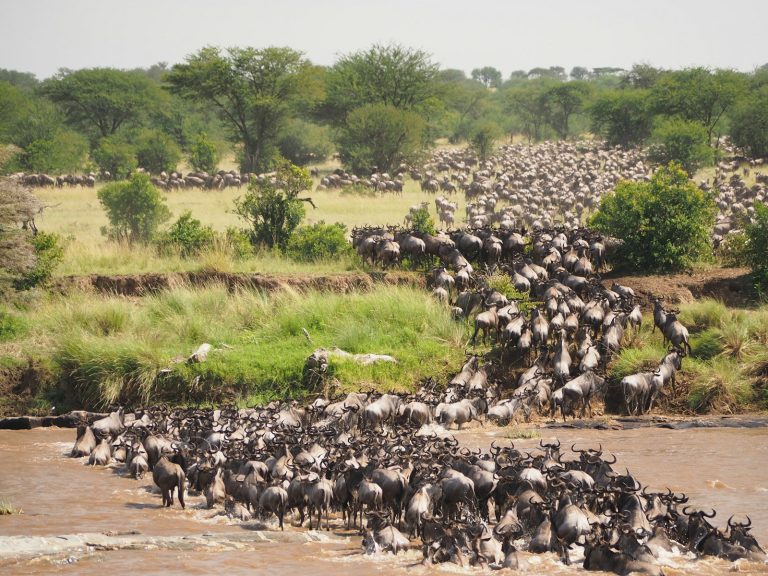
While the Great Wildebeest Migration dominates Kenya safari marketing, an entirely separate migration happens overhead every year: Palearctic bird species that breed across Europe and Asia travel south starting around October to escape the northern winter, with the best viewing window generally running from November through April before the return journey begins. European bee-eaters, among the most visually striking of these arrivals, become common in Kenya from September through November and remain in the country as non-breeding residents until March. White storks are among the most visible large migrants, passing through Kenya in substantial numbers during the northern winter en route to destinations further south in Africa, alongside numerous warbler species that are far less conspicuous but equally part of the same seasonal wave. Around March and April, favourable wind patterns and shifting climate conditions trigger the return journey north, and the migrant species that filled Kenya’s skies for months gradually disappear until the following October.
We’d planned our trip around the wildebeest migration and hadn’t even thought about birds, then our guide pointed out we were also in peak bee-eater season — turquoise flashes everywhere once we knew to look. It felt like a second, quieter migration happening at the same time as the famous one.
— Sense of Adventure guest, October safari
Kenya’s Key Palearctic Migrant Species
European Bee-eater — Turquoise and Gold, September to March — common from September-November, present until March
One of the most visually striking Palearctic migrants, easily spotted perched on wires or hunting insects in open country across much of Kenya during its extended non-breeding season here.
White Stork — A Highly Visible Winter Migrant — passes through Kenya en route further south
Among the largest and most conspicuous Palearctic migrants moving through Kenya during the northern winter, often seen in substantial numbers in open grassland and wetland areas.
Warblers and Smaller Migrants — Quieter but Numerous — less visible, but part of the same seasonal wave
Dozens of smaller warbler and songbird species arrive alongside the more visible migrants, adding genuine depth to Kenya’s birdlife for anyone visiting specifically to birdwatch during migration season.
Combine Wildlife and Bird Migration in One Trip
Message us to time a Kenya safari for both the wildebeest and Palearctic bird migrations.
Kenya Bird Migration Facts
- Main migration season: Palearctic birds arrive from around October, with peak presence November through April.
- European bee-eater window: common from September to November, remaining as a non-breeding resident until March.
- White stork: passes through Kenya in large numbers during the northern winter, en route further south in Africa.
- Return journey: Palearctic migrants begin heading back north around March-April.
- Origin: these species breed across Europe and Asia and travel thousands of kilometres to escape the northern winter.
- Best pairing: the October-February window overlaps with strong Kenya wildlife viewing conditions, making a combined trip practical.
Planning a Bird Migration Trip to Kenya
Read our resident-species guides — Birds of the Masai Mara, Tsavo Birds and Amboseli Birds & Wetlands — for what’s present year-round alongside the seasonal Palearctic arrivals.
Time Your Safari for Peak Bird Migration
Message us to plan a Kenya trip around the October-April Palearctic season.
Frequently Asked Questions
When do migratory birds arrive in Kenya?
Palearctic migratory birds begin arriving in Kenya around October, with the strongest overall presence from November through April, before the return journey north begins around March-April.
Where do Kenya’s migratory birds come from?
Kenya’s seasonal migrant birds are Palearctic species that breed across Europe and Asia and travel thousands of kilometres south each year to escape the northern winter.
When can you see European bee-eaters in Kenya?
European bee-eaters become common in Kenya from September through November and remain present as non-breeding residents until around March.
Are white storks common in Kenya?
Yes — white storks are among the most visible Palearctic migrants passing through Kenya in large numbers during the northern winter months, en route to destinations further south in Africa.
Can you combine the wildebeest migration and bird migration on one Kenya trip?
Yes — the Palearctic bird migration season (roughly October through April) overlaps substantially with strong Great Migration viewing conditions in the Masai Mara, making it practical to plan a single trip around both.