
Masai Mara or Serengeti? It depends mainly on the month you travel. From July to October, both are excellent and the Mara is easier to reach from Nairobi. From December to March, the Serengeti wins for the calving season. In April and May, both are wet and quiet, and in June and November the choice is closer than most people think.
Sense of Adventure is a licensed safari operator based in Nairobi (TRA licence TRA1/47/C01/77087), and we plan trips to both sides of the border every year. This guide takes the question month by month. For each month it shows where the wildebeest herds usually are, what the weather is like, how busy it gets and which park we would honestly choose, plus prices, travel times and the trips that combine both.
✅ Masai Mara or Serengeti: The Quick Answer
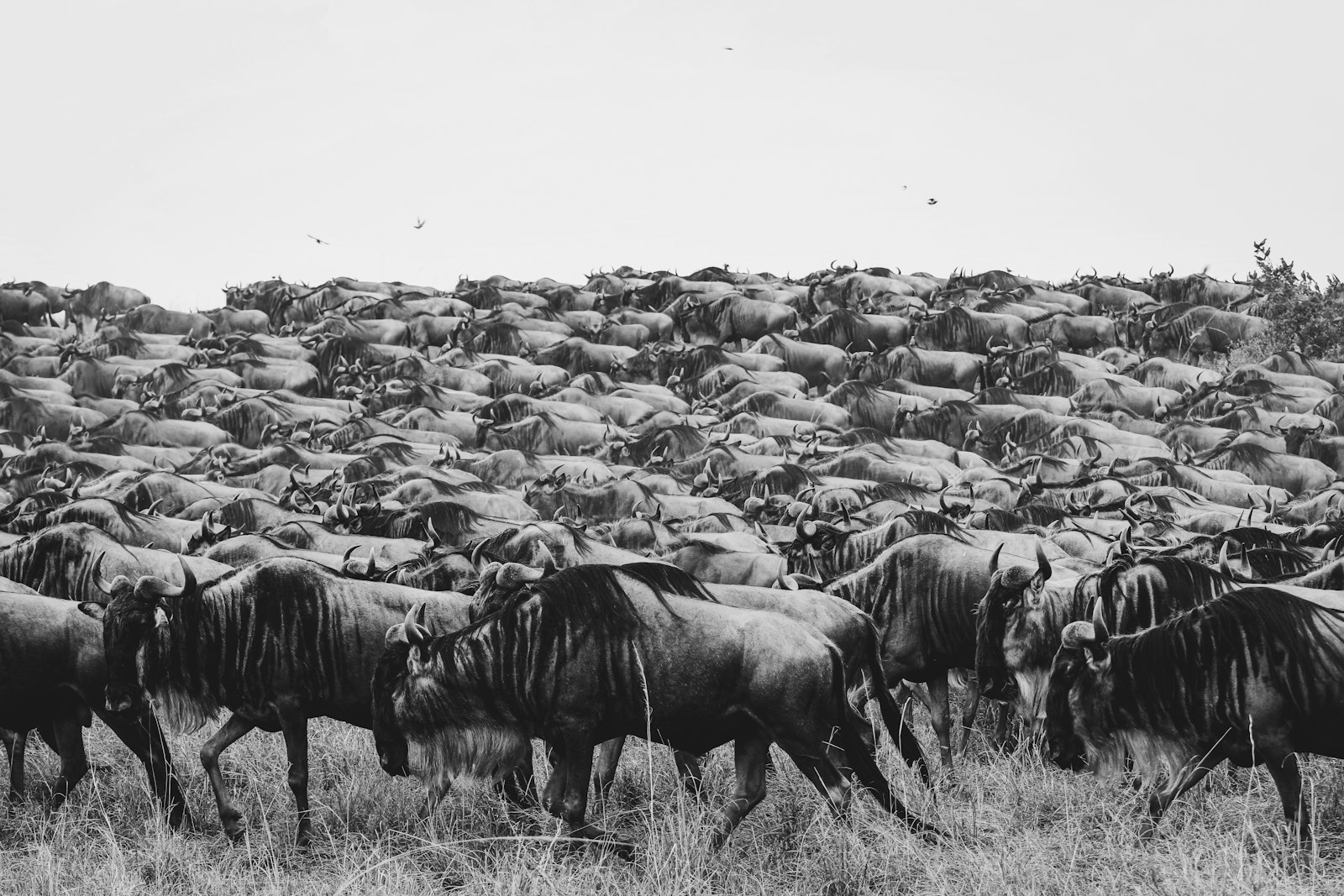
- December to March: choose the Serengeti. The herds gather on the southern short-grass plains around Ndutu, and most calves are born in about late January and February.
- April and May: the long rains. Both parks are green, quiet and cheaper; the Mara keeps its resident predators, while the herds are spread across the central Serengeti.
- June: usually the Serengeti, where the herds move through the Western Corridor and the Grumeti River.
- July to October: both are superb. River crossings happen on the Mara River in Kenya and in the northern Serengeti; the Mara is quicker and usually cheaper to reach from Nairobi.
- November: a close call. The herds head south through the northern and central Serengeti, while the Mara offers excellent big cats with lower prices.
🌎 Not Sure Which Park Fits Your Dates?
Send us your travel month and we will tell you honestly whether the Masai Mara or Serengeti makes more sense for your trip. 💬 WhatsApp Us Now or call +254 799 160 081
Masai Mara or Serengeti: Why the Month Matters Most
The month matters most when choosing the Masai Mara or Serengeti because the two parks are one ecosystem, and the famous herds move between them on a yearly loop. The parks themselves are different in size and style, but the biggest difference for your trip is where the wildebeest are when you arrive.
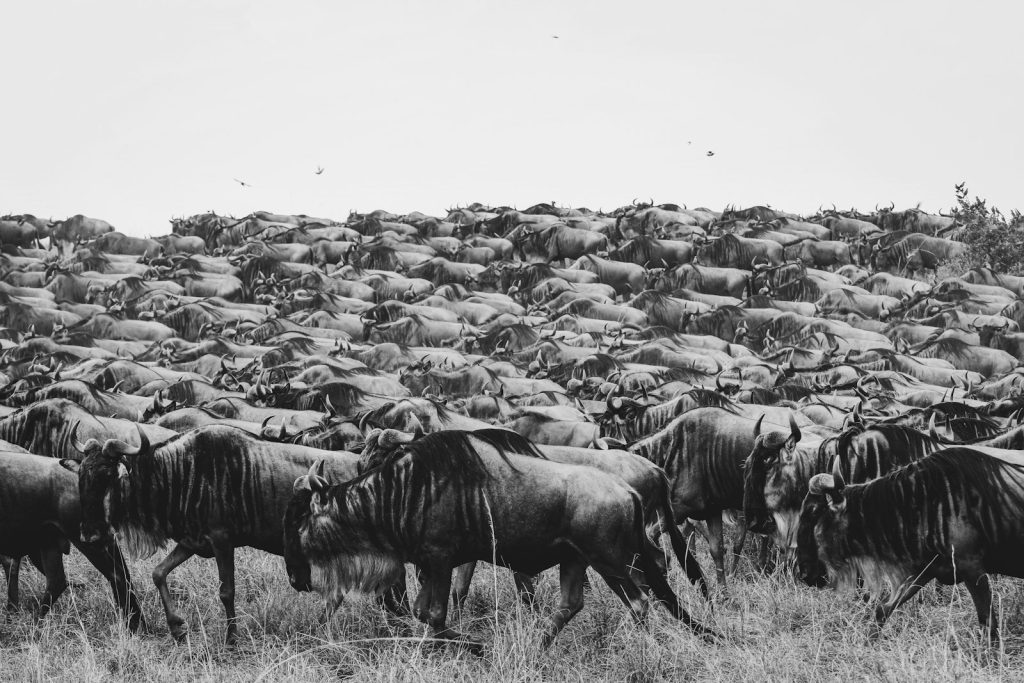
Around 1.5 million wildebeest, with hundreds of thousands of zebras and gazelles, follow the rains and fresh grass in a circuit of roughly 800 kilometres. They spend most of the year in Tanzania. The Serengeti covers about 14,750 square kilometres, while the Masai Mara National Reserve covers about 1,510 square kilometres, with community conservancies adding more land around it. In a typical year, the herds are in Kenya for only three or four months.
That is why “Masai Mara or Serengeti?” has no single answer. If you ask in January, the answer is almost always the Serengeti. If you ask about August, both are right, and other factors decide it. For the full park-versus-park comparison of wildlife, landscapes and logistics, see our Masai Mara vs Serengeti guide. This article focuses on timing.
One honest warning before the calendar: the herds follow the rain, not dates on a page. A late or early rainy season can shift them by several weeks. Our article on whether the Great Migration is guaranteed explains why no operator can promise a crossing.
Masai Mara or Serengeti by Month: The Calendar at a Glance
This table summarises where the herds usually are each month and whether we would normally recommend the Masai Mara or Serengeti. Use it as a starting point, then read the month-by-month detail below.
| Month | Where the herds usually are | Weather | Our usual pick |
|---|---|---|---|
| January | Southern Serengeti, Ndutu | Mostly dry, short showers | Serengeti |
| February | Southern Serengeti, calving peak | Mostly dry, warm | Serengeti |
| March | Southern Serengeti, starting to move | Rains begin | Serengeti |
| April | Central Serengeti, Moru, Seronera | Long rains | Either (low season) |
| May | Central and Western Serengeti | Long rains ease | Either (low season) |
| June | Western Corridor, Grumeti River | Dry season starts | Serengeti |
| July | Northern Serengeti, first herds into the Mara | Dry, cool mornings | Both |
| August | Masai Mara and northern Serengeti | Dry | Both (Mara easier from Nairobi) |
| September | Masai Mara and northern Serengeti | Dry | Both |
| October | Mara, then moving south | Dry, short rains may start | Both |
| November | Northern and central Serengeti, heading south | Short rains | Close call |
| December | Southern Serengeti arriving | Showers, green | Serengeti |
December to March: Why the Serengeti Wins
If you are choosing between the Masai Mara or Serengeti from December to March, the Serengeti is the clear choice, because the herds are on the southern plains for the calving season, while the Mara has no large migration herds.
The short rains of November and December bring fresh, mineral-rich grass to the plains of the southern Serengeti and the Ndutu area of the Ngorongoro Conservation Area. Most wildebeest calves are born in a few weeks around late January and February. That brings intense predator action, with lions, cheetahs and hyenas hunting on open ground. Our Serengeti calving season guide covers this period in depth.
Is the Mara worth it in these months?
Yes, for different reasons. The Mara has big resident populations of lions, cheetahs, elephants, buffalo, giraffes and plains game all year. January to March is warm and fairly dry in Kenya, park fees are at the lower rate and the reserve is quiet. If your trip is Kenya-only, or you are combining a safari with the Kenyan coast, the Mara in February is still a very good safari. You simply will not see the huge herds, so for herds the Masai Mara or Serengeti question has only one answer in February.
April and May: Green Season in Both Parks
In April and May both parks are in the long rains, so the choice between the Masai Mara or Serengeti comes down to price, access and which camps stay open.
The herds usually move from the south into the central Serengeti and around Moru Kopjes and Seronera. Rain often falls as heavy afternoon storms rather than all day, but some roads become muddy and a few seasonal camps close. In Kenya, the Mara is lush and very quiet, with the lowest camp rates of the year and the lower reserve fee. See our guide to Kenya weather by month for typical rainfall. Whether you pick the Masai Mara or Serengeti in April, pack a light rain jacket.
Expert tip from our Nairobi team: in the long rains, ask whether your camp has an all-weather airstrip nearby and whether the camp is open. A fly-in trip avoids most of the muddy road sections and makes a green-season safari far more relaxed.
June: The Western Corridor Months
Asked to pick the Masai Mara or Serengeti in June, we usually suggest the Serengeti, because the herds tend to gather in the Western Corridor before crossing the Grumeti River.
The Grumeti crossings are smaller and less predictable than those on the Mara River, but the rut, when male wildebeest compete noisily for females, often happens around this time. The dry season begins, the grass shortens and game viewing improves in both countries. In the Mara, June is a good-value shoulder month: the herds have not usually arrived, but the weather is dry and the lower reserve fee still applies until 30 June.
Masai Mara or Serengeti in June for a first safari?
If seeing the herds matters most, pick the Serengeti. If you want a shorter, cheaper trip from Nairobi with dry weather and big cats, the Mara in late June is excellent value. Travellers who can wait a few weeks often do best by booking the Mara in July.
July to October: Masai Mara or Serengeti for River Crossings?
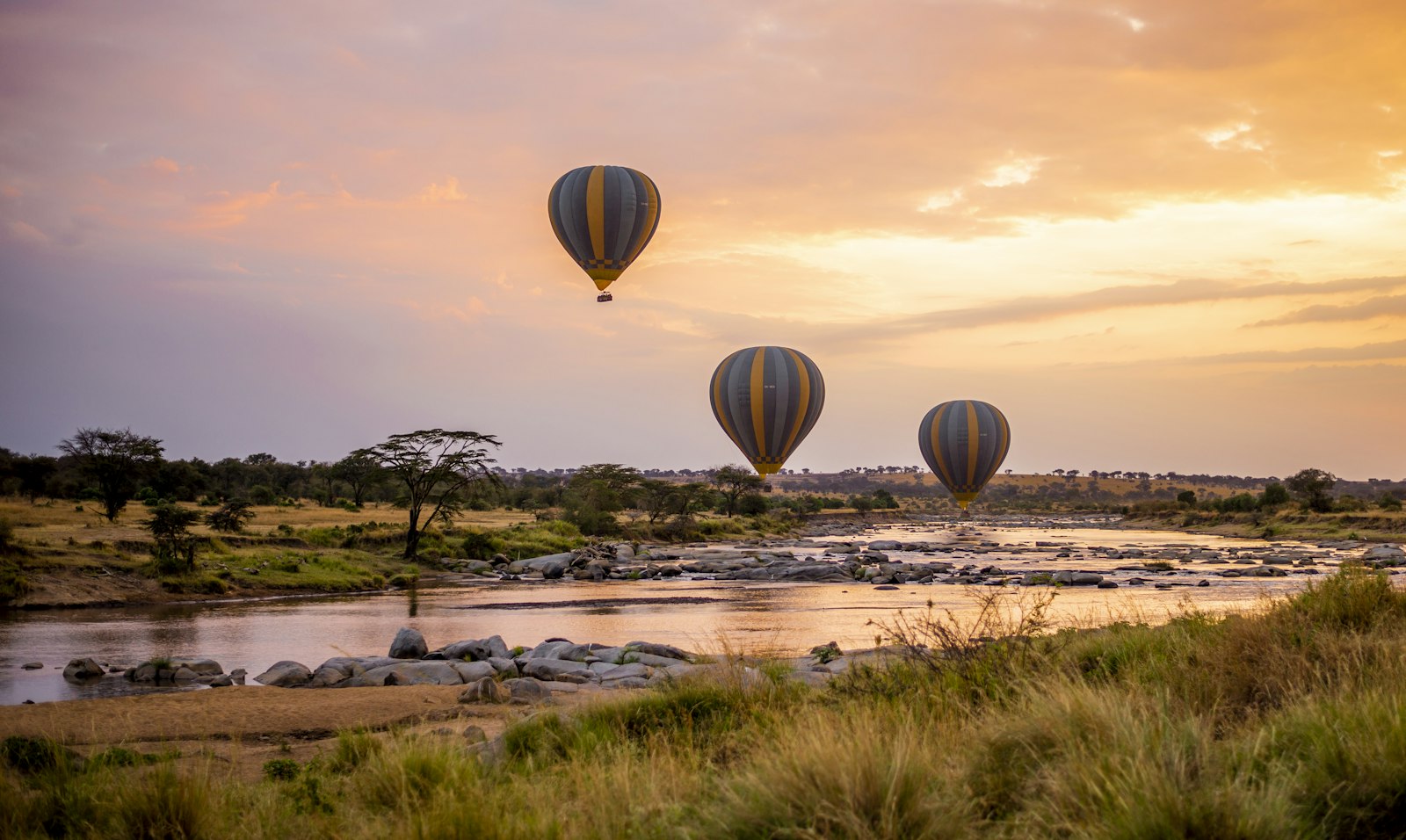
From July to October both parks offer river crossings, so choosing the Masai Mara or Serengeti depends on your route, budget, crowd tolerance and how much time you have.
The herds usually reach the northern Serengeti around Kogatende and Lamai in July, and many cross into Kenya’s Masai Mara from about late July or August. Through August and September they move back and forth across the Mara River, sometimes several times, in both countries. By October many start drifting south again. Crossings can happen in Kenya or Tanzania on the same day, and no one can predict exactly where.
Reasons to choose the Masai Mara in peak season
- Easy access: about 5.5 to 6 hours by road from Nairobi, or roughly an hour by light aircraft.
- Shorter trips work: three or four days can include good crossing chances.
- Conservancies: private conservancies around the reserve limit vehicle numbers and allow night drives and walks.
- Kenya extras: easy to combine with Amboseli, Lake Nakuru or the coast.
Reasons to choose the northern Serengeti in peak season
- Space: a huge, remote area with fewer roads and fewer camps per square kilometre.
- Part of a bigger trip: easy to pair with the Ngorongoro Crater, Tarangire and Zanzibar.
- Longer stays: best with a week or more, usually flying from Arusha to Kogatende.
Whether you pick the Masai Mara or Serengeti, peak season also means more vehicles at crossing points, especially in the main reserve. Our guide to Masai Mara crowds explains how to avoid the worst of them, and our comparison of the Masai Mara reserve vs conservancies shows where it is quieter.
Expert tip from our Nairobi team: if a river crossing is your main goal, spend at least three full days near the river, rather than splitting a short trip between two areas. Crossings reward patience, and guides do best when they can watch the herds build up over several days.
📅 Get a Free, No-Obligation Safari Quote
Tell us your dates and budget and we will compare a Masai Mara or Serengeti itinerary side by side for you. ✉ Send Us Your Dates on WhatsApp
November: The Closest Call of the Year
November is the hardest month to choose between the Masai Mara or Serengeti, because the herds are on the move south through Tanzania while the Mara offers strong resident wildlife at lower prices.
The short rains usually start in late October or November. In the Serengeti, the herds pass through the Lobo area and central plains towards the south, so sightings are possible but spread out. In Kenya, the Mara is green, quiet and good for big cats, and some camps offer lower rates before the Christmas peak. If you want the herds, pick the Serengeti and be flexible. If you want a calm, good-value safari, the Mara is often the better buy in November.
Masai Mara or Serengeti: Which Is Cheaper Each Season?
When you compare the cost of the Masai Mara or Serengeti, the Mara usually costs less overall for travellers starting in Nairobi, because it is closer and road transfers are possible, while the Serengeti usually needs flights or long drives from Arusha.
In 2026, the Masai Mara National Reserve charges non-resident adults USD 100 per day from January to June and USD 200 per day from July to December, with children aged 9 to 17 paying USD 50 and children 8 and under entering free. Serengeti National Park charges non-resident adults about USD 83 per 24 hours including VAT, plus a concession fee of roughly USD 60 to 71 per person per night if you stay inside the park. Fees change, so always check the official sites of Tanzania National Parks and Kenyan park authorities before you budget.
Park fees are only one part of the bill. Camp rates, flights, vehicle costs and the number of nights matter more. Our Masai Mara safari cost guide breaks down a typical Mara trip, and the cheapest time for a Kenya safari shows the best-value months.
Can You Visit Both in One Trip?
Yes. You do not have to choose between the Masai Mara or Serengeti, but you cannot simply drive across the border inside the parks, so a combined trip needs careful routing.
There is no open tourist crossing between the Mara and the northern Serengeti. Most combined trips either drive via the Isebania–Sirari border post, which takes a long day, or fly between Kenya and Tanzania via Nairobi and Kilimanjaro or Arusha. You need a Kenya eTA, available on the official eTA Kenya portal, and a separate Tanzania visa. Our guide to the Masai Mara to Serengeti border crossing explains the options, and combining a Kenya and Tanzania safari covers longer routes.
Combining both makes the most sense in July, August and early October, or when you have ten days or more. With a week or less, choosing the Masai Mara or Serengeti and staying put usually gives you more game viewing for your money.
How to Decide: A Simple Checklist
If you are still unsure between the Masai Mara or Serengeti, these five questions usually settle it.
- Which month are you travelling? December to March or June points to the Serengeti; July to October works for both.
- How many nights do you have? Under a week favours the Mara for its easy access from Nairobi.
- Where do you fly into? Nairobi favours the Mara; Kilimanjaro or Arusha favours the Serengeti.
- What else is on your list? Amboseli and the Kenyan coast suit the Mara; the Ngorongoro Crater and Zanzibar suit the Serengeti, though Zanzibar is easy from Nairobi too.
- How do you feel about other vehicles? If crowds bother you, choose a Mara conservancy or a remote Serengeti area.
For travel advice and health information before either trip, check the UK government’s Kenya travel advice and the CDC’s Kenya traveller page.
Safaris We Recommend for Each Season
These trips match the calendar above, whichever of the Masai Mara or Serengeti you choose. Message us for a quote, as prices depend on dates, camps and transport.
- Great Migration Safari, Masai Mara: for July to October in Kenya.
- Great Migration Safari Kenya and Tanzania (12 days): river crossings on both sides plus the Ngorongoro Crater.
- Kenya and Tanzania Classic Safari (10 days): the Mara and the Serengeti in one journey.
- 7 Days Classic Tanzania Safari: a good fit for the December to March calving months.
- Masai Mara safari packages: road, fly-in and luxury options for every month.
Masai Mara or Serengeti FAQs
Is the Masai Mara or Serengeti better for the Great Migration?
Both are excellent, but at different times. The Serengeti hosts the herds for most of the year, including the calving season from December to March. The Masai Mara usually hosts them from about July or August to October, when river crossings happen in both parks. Your travel month decides which is better.
Which month is best to see the migration in the Masai Mara?
August and September are usually the most reliable months for the herds and river crossings in the Masai Mara, with late July and early October also good. The timing changes each year with the rains, so stay at least three full days near the Mara River to improve your chances of a crossing.
Where is the Great Migration in January and February?
In January and February the herds are usually on the short-grass plains of the southern Serengeti and the Ndutu area. Most calves are born in a few weeks around late January and February, which attracts lions, cheetahs and hyenas. This is the best time to choose the Serengeti over the Mara.
Is the Masai Mara or Serengeti cheaper?
For travellers starting in Nairobi, the Masai Mara is usually cheaper overall because it is reachable by road in about six hours or by a short flight. The Serengeti usually needs flights or long drives from Arusha. Mara fees are higher from July to December, so compare full quotes, not just park fees.
Can you drive from the Masai Mara to the Serengeti?
Not directly inside the parks, as there is no open tourist border crossing between them. You can drive via the Isebania and Sirari border post, which takes a long day, or fly between Nairobi and Kilimanjaro or Arusha. You need a Kenya eTA and a separate Tanzania visa for a combined trip.
Is the Masai Mara worth visiting outside migration season?
Yes. The Mara has resident lions, cheetahs, leopards, elephants, buffalo, giraffes and plains game all year. Outside July to October it is quieter, greener and often cheaper, with the lower reserve fee from January to June. You will not see the huge herds, but game viewing is still excellent.
How many days do you need in the Masai Mara or Serengeti?
Plan at least three nights in the Masai Mara, or four to five in the Serengeti because of its size and travel times. For river crossings, stay three full days near the river. If you want both parks in one trip, allow ten days or more, including the border crossing or flights.
🏕 Plan Your Safari With Sense of Adventure
Kenya-based experts. Real local knowledge. Transparent pricing. Whether you choose the Masai Mara or Serengeti, or both, we will match your dates to the right park and camps. 💬 WhatsApp Us — Start Planning Today
Call or WhatsApp: +254 799 160 081
Related Safari Guides
- ›Masai Mara vs Serengeti: Full Comparison
- ›Is the Great Migration Guaranteed?
- ›Is 2 Days in the Masai Mara Enough?
- ›Inside or Outside the Masai Mara?
- ›How Far in Advance to Book a Kenya Safari
Official travel & park resource: Kenya Wildlife Service ↗ ·