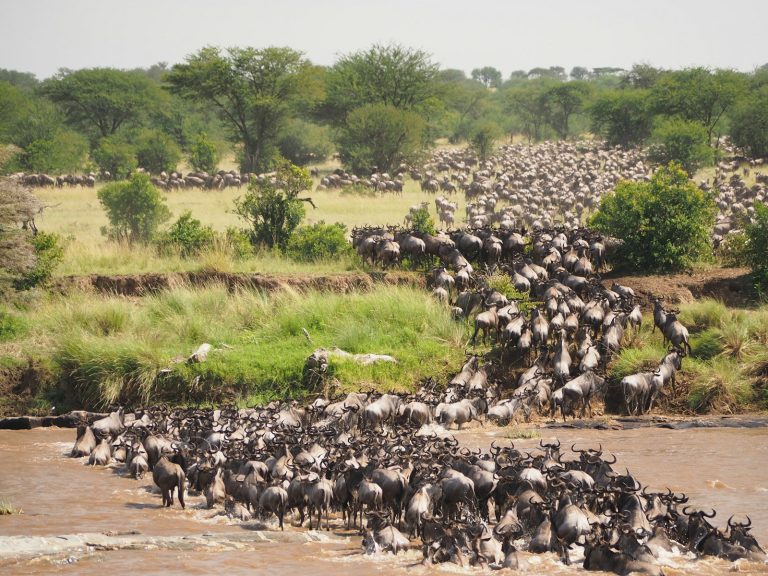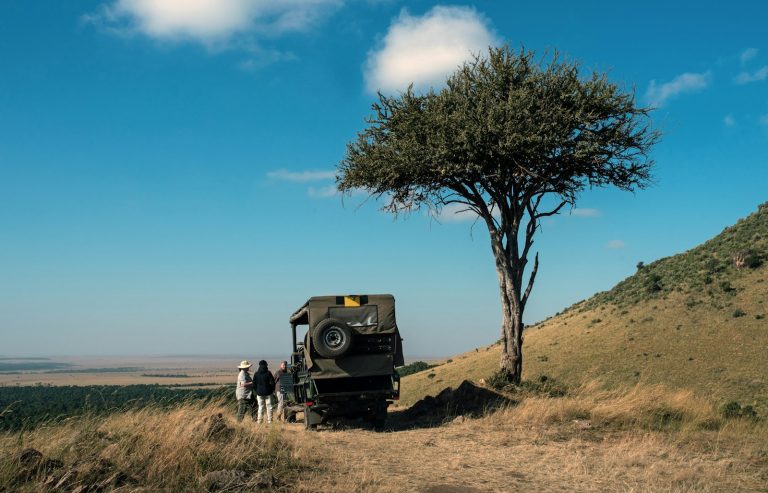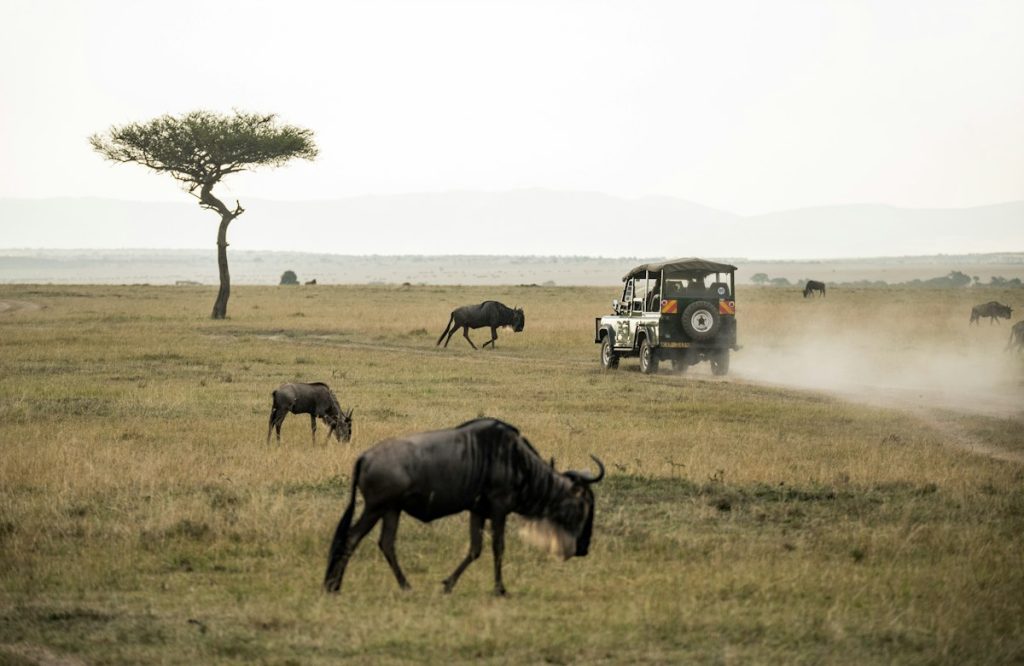
A Kenya and Tanzania safari is the ultimate East African adventure for a group. In one trip you can watch the Great Migration in the Masai Mara, cross into the endless plains of the Serengeti, descend into the Ngorongoro Crater and see Tarangire’s giant baobabs and elephant herds. The two countries share one great ecosystem, and combining them shows your group the whole story.
We are a Nairobi-based safari company running cross-border safaris for groups from the UK and Europe. This guide explains how a Kenya and Tanzania safari works: routes, border crossings, visas, the best time to go, costs and our recommended itineraries.

✅ Kenya and Tanzania Safari: The Quick Answer
- Ideal length: 10–14 days to enjoy both countries without rushing.
- Classic route: Masai Mara, Serengeti, Ngorongoro Crater and Tarangire.
- Getting across: by road through a land border, or by flight between Nairobi and Kilimanjaro or Arusha.
- Visas: a Kenya eTA plus a separate Tanzania visa, usually applied for online.
- Cost: our 10-day Kenya and Tanzania Classic starts from about USD $3,500 per adult.
🌍 Planning a Two-Country Group Safari?
Tell us your dates, group size and budget, and we will reply on WhatsApp with a cross-border plan and live availability.💬 WhatsApp Us Nowor call +254 799 160 081
Why Combine Kenya and Tanzania?
The Masai Mara and the Serengeti are two halves of the same ecosystem. The wildebeest herds move between them year-round, so a Kenya and Tanzania safari lets your group see the migration at more than one stage. Each country also adds something unique: Kenya brings private conservancies, Amboseli’s Kilimanjaro views and easy beach links, while Tanzania offers the vast Serengeti, the Ngorongoro Crater and Zanzibar. For an honest comparison, read our best African safari country guide.
Best Time for a Kenya and Tanzania Safari
| Months | Where the herds usually are | Group tip |
|---|---|---|
| December–March | Southern Serengeti, calving season | Spend longer in Tanzania |
| April–May | Central Serengeti, long rains | Best value, some camps close |
| June–July | Western and northern Serengeti, Grumeti crossings | Split time evenly |
| Late July–October | Masai Mara and northern Serengeti, Mara River crossings | Spend longer in Kenya |
| November | Herds head south through the Serengeti | Quieter parks, good rates |
Timing varies each year with the rains, so treat these as patterns rather than promises. Read is the Great Migration guaranteed?, our guide to why wildebeest migrate and our East Africa wildlife calendar.
How to Cross Between Kenya and Tanzania
By road
Groups usually cross at a land border, completing immigration on both sides. Safari vehicles generally can’t operate across the border, so your group switches to Tanzanian vehicles and guides at the crossing. We coordinate the handover so it runs smoothly.
By air
Regional flights connect Nairobi with Kilimanjaro and Arusha, and light aircraft link the Mara and the Serengeti on some routes. Flying saves long road days, which suits shorter trips and older travellers. See our fly-in vs road safari guide and our luggage weight limits guide.

Visas and Paperwork
- Kenya: every traveller needs an eTA from the official Kenya eTA portal. If you leave Kenya and return, check whether your eTA covers re-entry. See our Kenya entry requirements guide.
- Tanzania: most European travellers need a Tanzania visa, usually applied for online as an eVisa before travel. Check current rules on Tanzania’s official immigration website.
- East Africa Tourist Visa: this covers Kenya, Uganda and Rwanda, but not Tanzania.
- Health: ask your doctor about yellow fever, as proof of vaccination may be requested when crossing borders.
📅 Get a Free Two-Country Proposal
Send us your dates, group size and budget, and we will design a Kenya and Tanzania safari that follows the herds. No obligation, no pressure.✉ Send Us Your Group Details on WhatsApp
Kenya and Tanzania Safari Itineraries
- Kenya and Tanzania Classic (10 days): the Masai Mara, Serengeti, Ngorongoro Crater and Tarangire, from USD $3,500 per adult.
- Gorillas and Savannah (11 days): gorilla trekking plus the Masai Mara, from USD $5,500, for groups wanting a different two-country combination.
- Add Zanzibar: finish with a few days on the island’s beaches, a short flight from Tanzania’s safari circuit.
Compare more options in our Kenya group safari packages guide. Interested in gorillas? Read our gorilla permit cost guide.
How Much Does a Kenya and Tanzania Safari Cost?
Our 10-day Kenya and Tanzania Classic starts from about USD $3,500 per adult as a private group safari. Prices rise with luxury camps, internal flights and peak-season dates. Park fees in both countries are a large part of the cost; see our Kenya park fees guide. Flights from Europe often cost €400–€1,000 return. Larger groups share vehicles and guides, so the price per person usually falls.
10 Tips for a Group Kenya and Tanzania Safari
- Follow the herds when choosing where to spend more time.
- Allow at least 10 days to avoid rushing.
- Arrange both visas well before departure.
- Carry your yellow fever certificate if you have one.
- Use one operator to coordinate both countries.
- Fly one way if long road days don’t suit your group.
- Pack in soft bags for light aircraft.
- Bring US dollars, accepted in both countries.
- Book 9–12 months ahead for July–October.
- End with a beach stay in Zanzibar or Diani.
For more about Kenya, visit Magical Kenya, the official tourism website.
Kenya and Tanzania Safari FAQs
Can you do Kenya and Tanzania in one trip?
Yes. A 10–14 day safari comfortably combines the Masai Mara with the Serengeti and Ngorongoro Crater.
Do I need two visas for Kenya and Tanzania?
Yes. You need a Kenya eTA and a separate Tanzania visa. The East Africa Tourist Visa does not cover Tanzania.
Is the Masai Mara or Serengeti better?
Both are excellent. The Mara is compact with high predator densities; the Serengeti is vast and wilder. Combining them gives you the best of both.
When is the best time for a Kenya and Tanzania safari?
June to October for river crossings, or January to March for the calving season in the southern Serengeti.
Do we change vehicles at the border?
Usually, yes. Your group switches to Tanzanian vehicles and guides at the border, which we arrange in advance.
🏕 Book Your Kenya and Tanzania Safari With Sense of Adventure
Kenya-based experts. Real local knowledge. Transparent pricing. Two countries, one seamless trip for your whole group.💬 WhatsApp Us — Plan Your Two-Country Safari
Call or WhatsApp: +254 799 160 081
Related Safari Guides
- ›Best African Safari Country Compared
- ›Great Migration Kenya Guide
- ›Why Do Wildebeest Migrate?
- ›Kenya Group Safari Packages Compared
- ›Gorilla Trekking Permit Cost 2026
Official travel & park resource: Kenya Wildlife Service ↗