

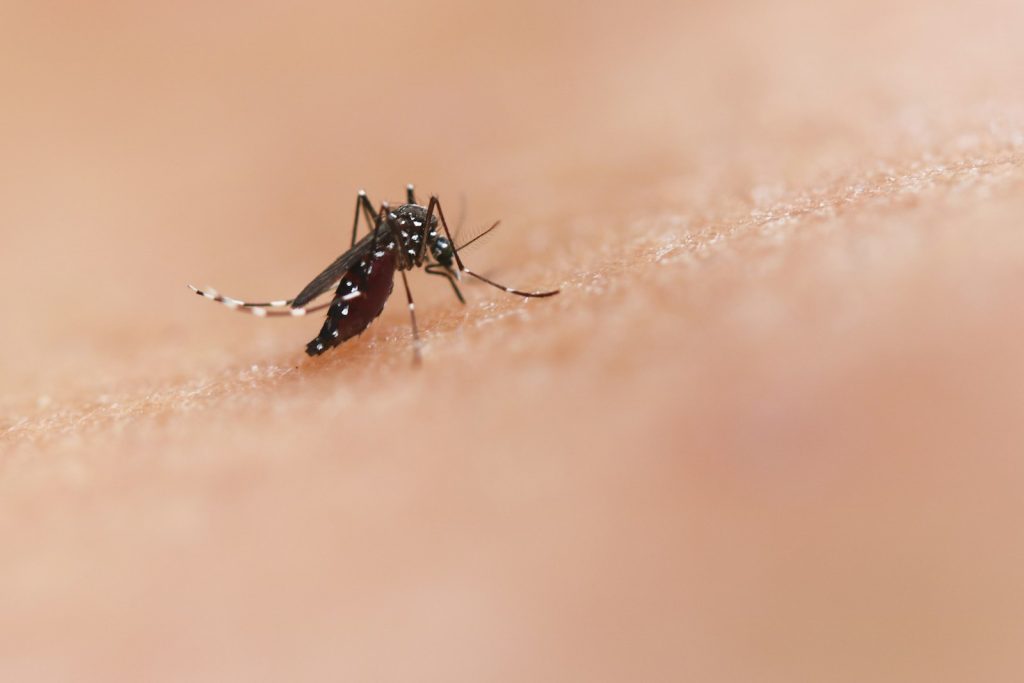
Insects on safari are usually far less of a problem than people expect. You will meet mosquitoes at dusk, flies in woodland and ants after rain, but most are a nuisance rather than a danger. Mosquitoes matter most because some carry malaria, so a strong repellent, long sleeves in the evening and a net handle the real risk.
Sense of Adventure is a licensed safari operator based in Nairobi (TRA licence TRA1/47/C01/77087). Our guides spend their working lives in the bush, so we know which bugs matter and which do not. This guide covers the insects on safari you are likely to meet in Kenya, when and where they are worst, which repellents work, what to wear, how camps keep tents bug-free and what to do if you are bitten or stung.
Table of Contents
✅ Insects on Safari: The Quick Answer
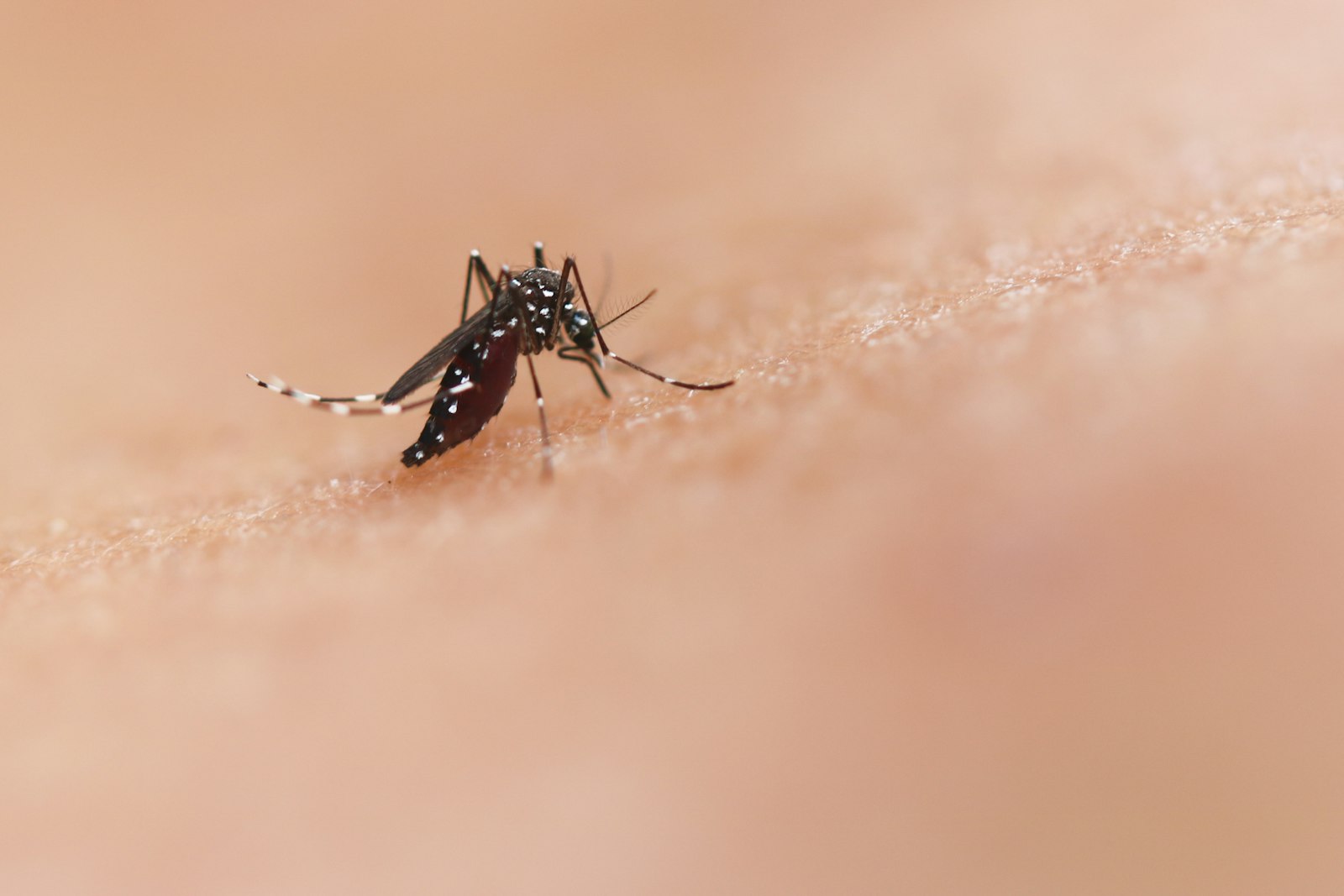
- Mosquitoes: the most important bug; malaria mosquitoes bite mainly in the evening and at night.
- Tsetse flies: painful daytime bites in some wooded areas; they are drawn to dark blue and black.
- Nairobi fly: a small beetle that does not bite, but crushing it on your skin causes a burn-like blister.
- Best repellent: UK health advice puts 50% DEET first, with 20% icaridin or lemon eucalyptus oil as alternatives.
- Worst times: the rainy months, around April to May and November, and wooded or swampy areas near water.
- In camp: good tents are fully zipped and meshed, with nets or screens, so insects on safari rarely disturb your nights.
🌎 Not Sure When the Bugs Are Fewest?
Tell us your travel dates and we will suggest the parks and camps that suit the season. 💬 WhatsApp Us Now or call +254 799 160 081
Are Insects on Safari a Big Problem?
For most visitors, insects on safari are a small part of the trip, and many guests are surprised by how few they notice.
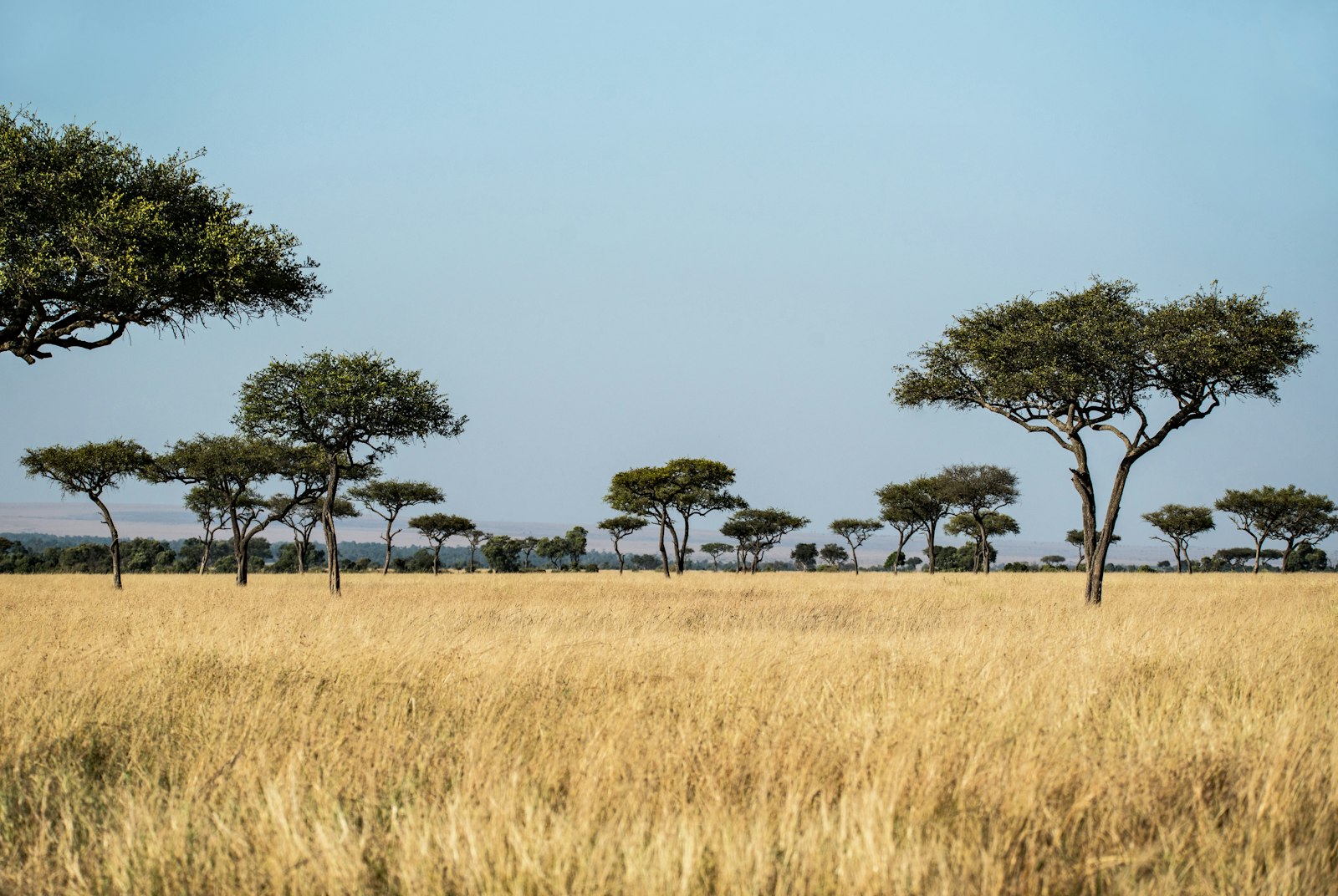
Much of Kenya’s safari country is high, dry grassland. The Masai Mara sits at roughly 1,500 to 2,100 metres, and Nairobi is around 1,700 metres. Cool nights and breezy plains keep insect numbers lower than many people imagine when they picture Africa. The busiest bug spots are rivers, swamps, forest edges and the coast, especially after rain.
That said, insects on safari still deserve respect. A handful of species carry disease, and a few bites or stings can be painful. The good news is that the same simple habits protect you from almost all of them.
The Insects on Safari You Are Most Likely to Meet
Six groups of insects on safari account for nearly every bite, sting or itch that travellers mention.
| Insect | When and where | Risk | Best protection |
|---|---|---|---|
| Malaria mosquitoes | Evening and night, below about 2,500 m | Malaria | Repellent, long sleeves, nets, antimalarials |
| Day-biting mosquitoes | Daytime and dusk, towns and coast | Dengue, chikungunya, Zika | Repellent during the day |
| Tsetse flies | Daytime, woodland and thick bush | Painful bites; sleeping sickness very rare for visitors | Neutral colours, long sleeves, closed windows |
| Nairobi fly | Rainy season, attracted to lights | Blistering skin burn if crushed | Brush it off, never squash it |
| Safari ants | After rain, on paths and in grass | Painful nips | Closed shoes, trousers tucked into socks |
| Ticks | Long grass on walks | Tick bite fever | Check skin after walks, repellent on legs |
Mosquitoes
Mosquitoes are the insects on safari that matter most. According to the UK government’s bite-avoidance advice, malaria mosquitoes bite mainly in the evening and at night, while the mosquitoes that spread dengue, chikungunya and Zika bite mainly during the day and at dusk. Most Kenyan parks below about 2,500 metres carry malaria risk.
Tsetse flies
Of all the insects on safari, tsetse flies cause the most complaints. They look like large house flies and give a sharp bite through thin clothing. They live in wooded and bushy country rather than open plains, and they are attracted to dark blue and black. Sleeping sickness is extremely rare in visitors to Kenya; our guide to tsetse flies and sleeping sickness explains the facts.
The Nairobi fly
Despite the name, the Nairobi fly is a small red and black beetle. It does not bite or sting. The problem comes when it is crushed against the skin, because its body fluid causes a painful, blistering rash a day later. Numbers rise during the rains, and the beetles are drawn to lights at night. If one of these insects on safari lands on you, blow or brush it off gently.
Safari ants, ticks and others
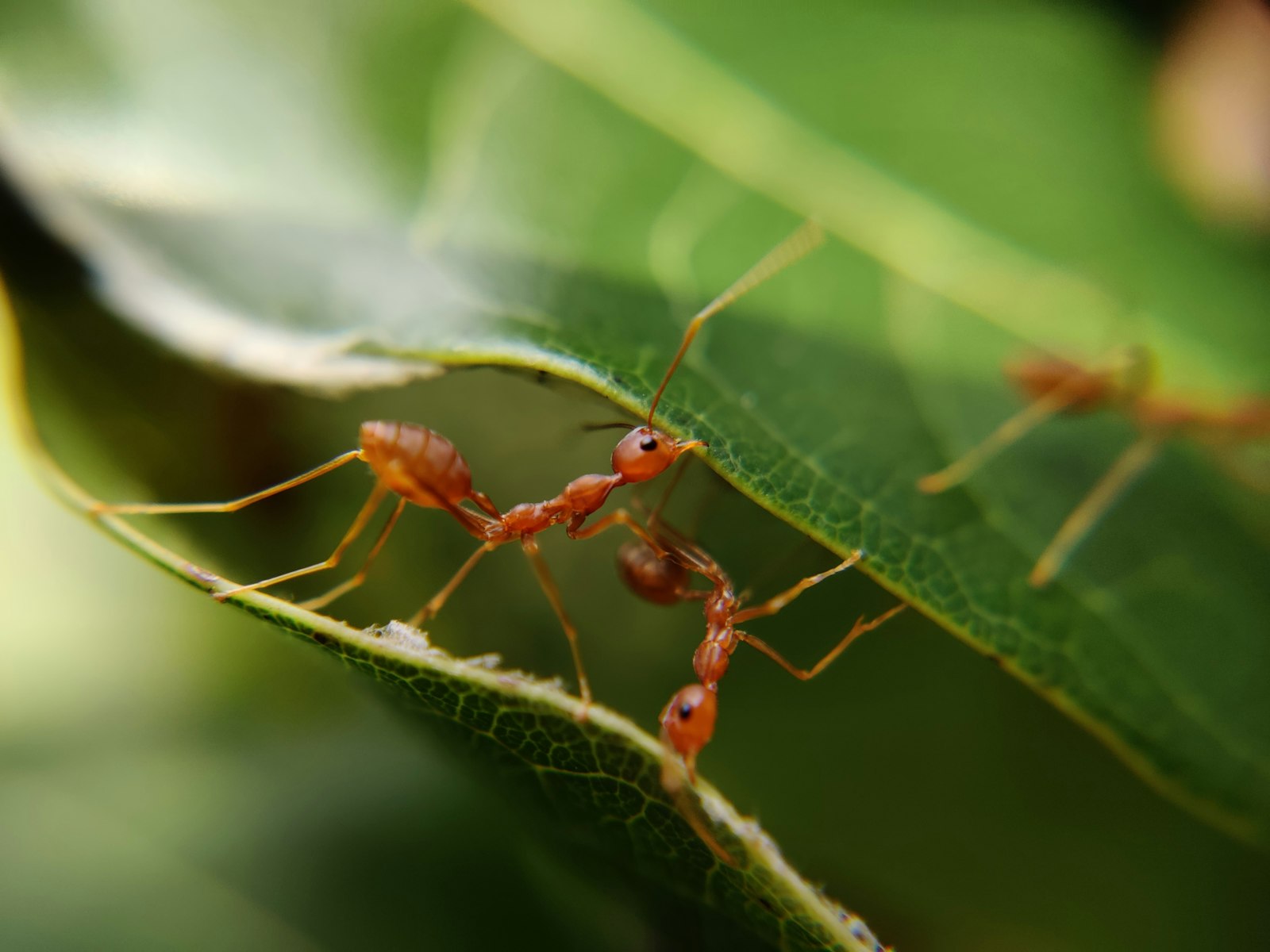
Columns of biting ants, often called siafu or safari ants, are the insects on safari you meet on paths after rain. Step over them and keep moving. Ticks wait in long grass, so check your legs after a bush walk. You may also see harmless crickets, moths, dung beetles and termites, which many guests come to enjoy as part of the experience.
When and Where Are Insects on Safari Worst?
Insects on safari are most active in the rainy seasons and near water, and least active on open plains in the dry months.
Kenya has two main rainy seasons: the long rains from about March to May and the short rains from about late October to December. Standing water after the rains lets mosquitoes breed, and grass grows tall, which suits ticks. The drier months, roughly June to October and January to February, usually have fewer bugs. See our guide to Kenya weather by month for detail.
| Area | Typical insect level | Notes |
|---|---|---|
| Masai Mara plains | Low to moderate | More mosquitoes near rivers and after rain; tsetse in some wooded areas |
| Amboseli | Moderate near swamps | Dry, open ground; mosquitoes around the swamps at dusk |
| Samburu | Low in dry months | Hot and dry; more insects along the river |
| Tsavo | Moderate | Bushy country where tsetse can be present |
| Lake Naivasha and Nakuru | Moderate | Lakeshore midges and mosquitoes in the evening |
| Laikipia | Low | High, dry plateau with cool nights |
| Kenyan coast | Higher | Warm and humid all year; day and night biters |
Expert tip from our Nairobi team: if you would like fewer insects on safari, combine dry-season dates with higher, open areas such as Laikipia and the Mara plains, and keep coastal stays for the end of your trip. Our Kenya Highlights Safari includes Laikipia and the Mara; message us for a quote.
Which Insect Repellent Works Best on Safari?
A repellent containing 50% DEET is the first choice in UK health advice, with icaridin and lemon eucalyptus oil as alternatives for people who prefer not to use DEET.
The UK government’s mosquito bite avoidance advice recommends 50% DEET and lists 20% icaridin and eucalyptus citriodora oil as alternatives. It says 50% DEET is considered safe in pregnancy, when breastfeeding and for babies over two months.
| Repellent | Strength | Good to know |
|---|---|---|
| DEET | 50% | Most widely recommended; can damage some plastics and camera straps |
| Icaridin (picaridin) | 20% | Odourless and gentle on gear; a popular alternative |
| Lemon eucalyptus oil (PMD) | Highest available | Plant-based option; reapply more often |
| Permethrin | For clothing, not skin | Treats clothes and nets for extra protection |
How to apply repellent against insects on safari
- Put on sun cream first, let it dry, then add repellent on top. UK advice suggests SPF 30 to 50, as DEET can reduce sunscreen’s effect.
- Cover all exposed skin, including ankles, neck and the backs of your hands.
- Reapply often in heat, after sweating and after swimming.
- Use it day and night, indoors and outdoors, in malaria areas.
Buy your preferred repellent against insects on safari before you travel. Camps often provide a spray in the tent, but you may not like the brand or strength.
What to Wear to Keep Insects Away
Loose, long, light-coloured clothing is the simplest protection against insects on safari, and it also keeps the sun off.
- Long sleeves and trousers for sunrise and evening, when mosquitoes are most active.
- Neutral colours such as khaki, beige, olive and grey; avoid dark blue and black, which attract tsetse flies.
- Closely woven fabric: tsetse flies can bite through very thin cloth.
- Socks and closed shoes on walks, with trousers tucked in against ants and ticks.
- Permethrin-treated clothes for extra protection, which the UK guidance mentions.
Our African safari packing list covers clothing and luggage limits in detail.
Insects in Your Tent or Lodge Room
Good safari tents keep insects out very well, because they are fully zipped, meshed and often fitted with nets.
Modern safari tents have sewn-in groundsheets, mesh windows and zipped doors. Many camps add mosquito nets over the bed and spray rooms in the evening while you are at dinner. The UK advice recommends insecticide-treated nets if your room is not air-conditioned. Our guide to what a safari tent is like inside shows the set-up.
- Keep doors and windows zipped at all times, especially after dark.
- Switch lights off before opening the tent, as light draws insects in.
- Tuck the net under the mattress and check it for holes.
- Shake out shoes and clothes in the morning, as insects on safari like dark, quiet corners.
Expert tip from our Nairobi team: when you return to your tent at night, turn off your torch before you unzip the door, step in quickly and close it behind you. It is the easiest way to keep moths, beetles and mosquitoes outside.
📅 Get a Free, No-Obligation Safari Quote
Send us your dates and we will recommend well-run camps and the right season for your comfort. ✉ Send Us Your Dates on WhatsApp
Diseases Spread by Insects on Safari
Only a few insects on safari spread disease, and malaria is the one every visitor to Kenya should plan for.
- Malaria: spread by night-biting mosquitoes. Ask a travel clinic about antimalarial tablets; our Kenya safari malaria guide explains the options.
- Dengue and chikungunya: spread by day-biting mosquitoes, more common at the coast and in towns.
- Zika: health services list Kenya as having a Zika risk, which matters most in pregnancy; see our guide to a safari while pregnant.
- African tick bite fever: a usually mild illness from tick bites, causing fever and a dark scab at the bite.
- Sleeping sickness: spread by tsetse flies but extremely rare in visitors to Kenya.
Check the CDC’s Kenya travel health page and see a travel clinic six to eight weeks before you go. Yellow fever is also spread by mosquitoes; check the current certificate rules for your route.
What to Do If You Are Bitten or Stung
Most bites from insects on safari only itch for a day or two, and simple first aid is enough.
- Itchy bites: wash, apply antihistamine cream or take a tablet, and try not to scratch.
- Nairobi fly contact: wash the area gently with soap and water straight away; if a rash appears, keep it clean and see a doctor if it spreads or nears your eyes.
- Ticks: remove with fine tweezers close to the skin, then clean the area.
- Bee or wasp stings: scrape out the sting and use a cold compress.
- Allergy: if you have a known severe allergy, carry two adrenaline pens and tell your guide.
- Fever: any fever after travel in a malaria area needs a malaria test the same day.
Our guide to getting sick on safari explains clinics, evacuation and insurance if something more serious happens.
Spiders, Scorpions and Other Creepy-Crawlies
Spiders and scorpions live in the bush, but they are shy, mostly nocturnal and rarely a problem for safari guests.
You may spot a large spider web glinting at sunrise or a scorpion on a night walk with a guide. In camp, they usually stay out of sight. Shake out boots and clothes left on the floor, use a torch on paths at night and never put your hands under rocks or logs. These insects on safari, and their eight-legged cousins, are part of a healthy ecosystem, and many guides love to show them off.
For a sense of real risk, our article on the most dangerous animals in Africa shows why the humble mosquito tops the list.
Insects on Safari With Children
Children can enjoy a safari without trouble from insects on safari, as long as parents follow the same habits with child-friendly products.
UK advice says 50% DEET is considered safe for babies over two months, and you should get specialist advice for younger babies. Dress children in long, light layers at dusk, keep nails short so bites are not scratched open, and check them for ticks after any time in long grass. Ask your travel clinic about antimalarial doses by weight, and pack children’s antihistamine.
Family rooms with nets over every bed make bedtime easier, and a mid-day rest keeps everyone indoors during the hottest hours. Our Kenya Family Safari is built around short drives and family-friendly camps; message us for a quote.
Your Insects on Safari Checklist
This short checklist covers everything you need to manage insects on safari comfortably.
- 50% DEET or 20% icaridin repellent, enough for the whole trip
- Antimalarial tablets if prescribed, taken exactly as directed
- Long-sleeved shirts and trousers in neutral colours
- Socks and closed shoes for walks
- Antihistamine tablets and cream
- Fine tweezers for ticks
- A small torch or head torch for walking to and from your tent
- Adrenaline pens if you have a severe allergy
Everything on this list fits easily into a 15 kg soft bag for bush flights. If you are visiting in the short rains, read our Kenya safari in December guide for what the wetter months mean on the ground.
Insects on Safari FAQs
Are there a lot of mosquitoes on safari in Kenya?
Usually fewer than people expect. Many parks are high and breezy, and mosquitoes are most active at dusk and night, near water and after rain. Wear long sleeves in the evening, use a strong repellent and sleep under a net or in a sealed tent. Ask a travel clinic about malaria tablets.
What is the best insect repellent for an African safari?
UK government advice puts 50% DEET first, with 20% icaridin or lemon eucalyptus oil as alternatives. Apply it after sun cream, cover all exposed skin and reapply often in the heat. Permethrin-treated clothing adds extra protection. Bring your own supply, as camp sprays vary in strength.
What is a Nairobi fly and is it dangerous?
The Nairobi fly is a small red and black beetle, not a fly. It does not bite or sting, but if you crush it on your skin its body fluid causes a painful, blistering rash. Brush or blow it off gently, wash the area with soap and water, and see a doctor if the rash spreads.
Do tsetse flies carry disease in Kenya?
Tsetse flies can carry sleeping sickness, but cases in visitors to Kenya are extremely rare. Their main impact on safari is a sharp, itchy bite in wooded areas during the day. They are attracted to dark blue and black, so wear neutral colours and closely woven long sleeves.
When are insects worst on a Kenya safari?
Insects are most active in the rainy seasons, roughly March to May and late October to December, and near rivers, swamps and lakes. The drier months, June to October and January to February, usually have fewer bugs, especially on open, higher plains such as the Masai Mara and Laikipia.
Do safari tents keep insects out?
Yes, well-run safari tents have sewn-in groundsheets, mesh windows and zipped doors, and many camps add mosquito nets and spray rooms in the evening. Keep everything zipped, switch off lights before opening the door and tuck the net under the mattress for a bite-free night.
What colours should I avoid wearing on safari because of insects?
Avoid dark blue and black, which attract tsetse flies. Neutral colours such as khaki, beige, olive and grey are best, and they also blend in with the landscape. Choose loose, closely woven long sleeves and trousers for early mornings and evenings, when biting insects are most active.
🏕 Plan Your Safari With Sense of Adventure
Kenya-based experts. Real local knowledge. Transparent pricing. We will match your dates to the right parks and comfortable, well-sealed camps, so insects on safari stay a small detail. 💬 WhatsApp Us — Start Planning Today
Call or WhatsApp: +254 799 160 081
Related Safari Guides
- ›Kenya Safari Malaria Guide
- ›The Truth About Tsetse Flies and Sleeping Sickness
- ›Getting Sick on Safari
- ›What Is a Safari Tent Like Inside?
- ›Kenya Weather by Month
Official travel & park resource: Kenya Wildlife Service ↗ · NHS fitfortravel: Kenya ↗