


Walking safari safety in Kenya is very good when you walk with a qualified guide, an armed ranger where required, and follow their rules. Serious incidents are rare. Guides read wind, tracks and animal behaviour, keep big game at a respectful distance and avoid risky situations long before you notice them.
Sense of Adventure is a licensed safari operator based in Nairobi (TRA licence TRA1/47/C01/77087). We arrange guided walks in conservancies and parks across Kenya, so we know what keeps walkers safe. This guide answers the questions people ask before booking: how risky walking really is, who leads the walk, the rules you follow, which animals guides watch most closely, where walks are allowed, age and fitness limits, insurance and how to choose a good operator. For an overview of the experience itself, see our walking safari Kenya guide.
Table of Contents
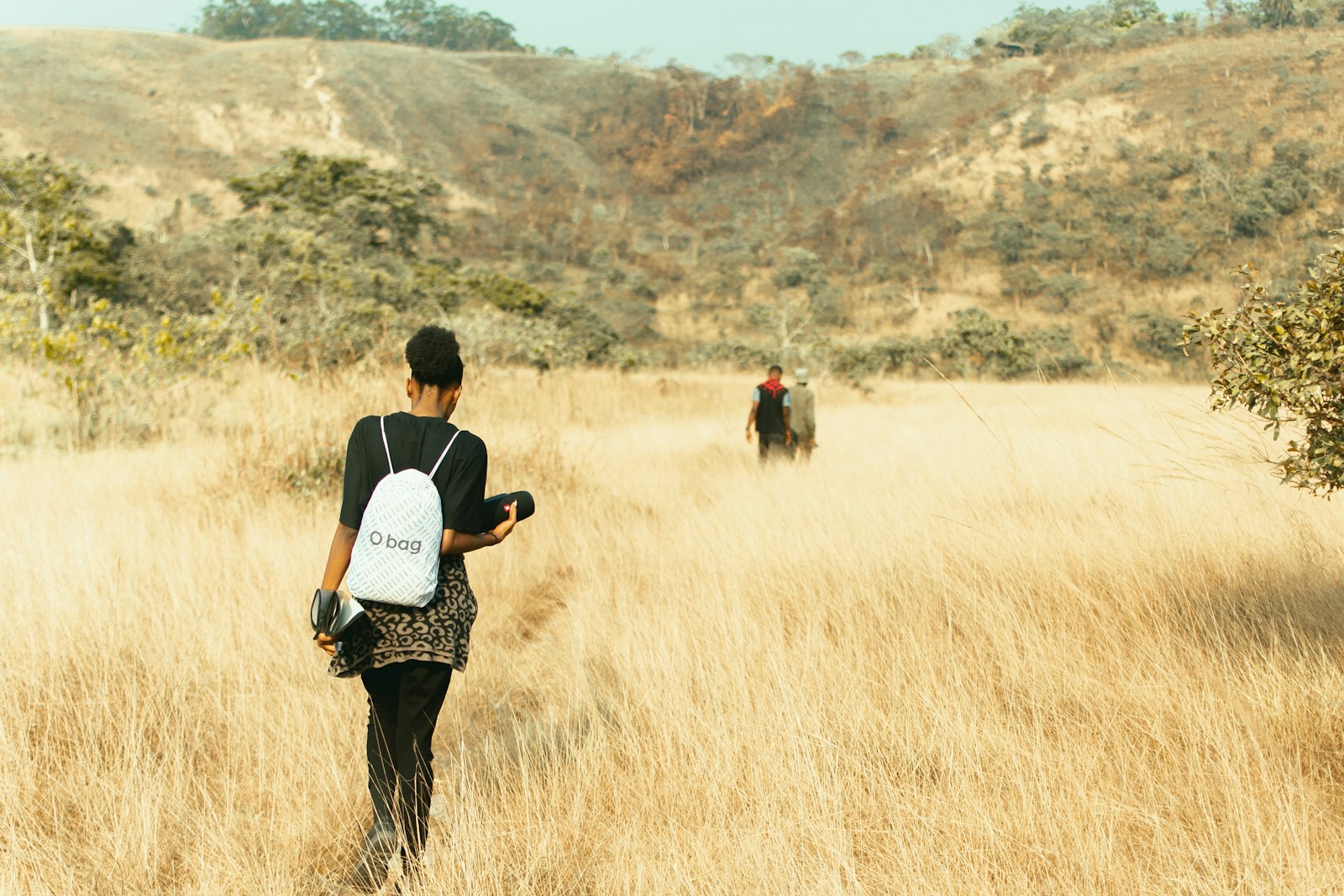
✅ Walking Safari Safety: The Quick Answer
- Is it safe? Yes, with a qualified guide and clear rules; incidents involving guided guests are rare.
- Who leads: a trained walking guide, often with an armed ranger or scout in areas with big game.
- Key rules: single file, quiet voices, never run, and follow every hand signal.
- Animals guides watch most: buffalo, elephant, hippo and lion.
- Where: mainly private conservancies, Laikipia ranches and a few parks such as Hell’s Gate, not most national reserves.
- Age: camps usually set a minimum age, often in the early to mid teens for big-game walks.
🌎 Thinking About Exploring on Foot?
Tell us your fitness, ages and dates and we will suggest the right walk and guide. 💬 WhatsApp Us Now or call +254 799 160 081
Is a Walking Safari Safe? The Honest Answer
A guided walking safari is safe for most healthy adults, because walking safari safety depends on skill and discipline rather than luck.
Walking is different from a game drive. In a vehicle, animals see a large, harmless shape. On foot, you are a person, and animals react to you as such. Most wildlife simply moves away. The skill of a walking guide lies in seeing animals early, approaching from downwind and leaving each one a clear escape route.
Walking safari safety is not about getting close. Good walks focus on tracks, plants, birds, insects and the small details missed from a vehicle. When you do see big game, it is usually from a respectful distance, and that is exactly what makes it thrilling and safe.
Why walking safari safety incidents are rare
Most walking safari safety problems come from surprise: walking into a sleeping buffalo in thick bush, or between a hippo and water. Experienced guides avoid thick cover, check the wind, move slowly and stop often to listen. They also turn back when conditions feel wrong. That caution is the core of walking safari safety.
Who Leads the Walk: Guides, Rangers and Scouts
The person leading your walk matters more than anything else for walking safari safety, so it is worth asking who they are.
| Role | What they do | What to ask |
|---|---|---|
| Walking guide | Leads the walk, reads the bush, briefs and manages the group | Their experience and guiding qualification |
| Armed ranger or scout | Provides protection in areas with dangerous game; often a park or conservancy employee | Whether one is required and will join |
| Local tracker | Often from the local community; reads tracks and signs | Their role in the group |
| Back-up vehicle | Waits nearby or meets the group at the end | Where it will be and how it is called |
In Kenya, many professional guides are certified by the Kenya Professional Safari Guides Association, which has Bronze, Silver and Gold levels, with Gold the most demanding. A guide’s years of walking experience in that specific area also count for a great deal.
Expert tip from our Nairobi team: ask how long your walking guide has worked in that area, not just their certificate level. Local knowledge of where buffalo rest and where elephants move is one of the strongest walking safari safety factors.
The Walking Safari Safety Rules You Will Follow
Every walk starts with a safety briefing, and these walking safari safety rules apply almost everywhere in Kenya.
- Walk in single file behind the guide, keeping close together so the group looks like one large shape.
- Keep quiet and use hand signals; talking scares animals and hides important sounds.
- Never run. Running can trigger a chase response in predators.
- Follow every instruction at once, without questions until the guide says it is safe to talk.
- Stay behind the guide; never walk ahead or wander off to take photos.
- Wear muted colours such as khaki, olive and brown, and avoid white and bright colours.
- Switch phones to silent and secure loose items that rattle.
What happens if an animal charges?
Charges on guided walks are uncommon, and most are mock charges meant to warn. Good walking safari safety means you rarely get close enough for one. Your guide will tell you exactly what to do for each animal in the briefing. The universal rule is to stay together behind the guide, do not run and do exactly what you are told. Guides position themselves between the group and any animal.
Which Animals Matter Most for Walking Safari Safety?
Guides watch four animals most closely on foot: buffalo, elephant, hippo and lion. Each one is managed in a different way.
| Animal | Why guides are careful | How guides manage it |
|---|---|---|
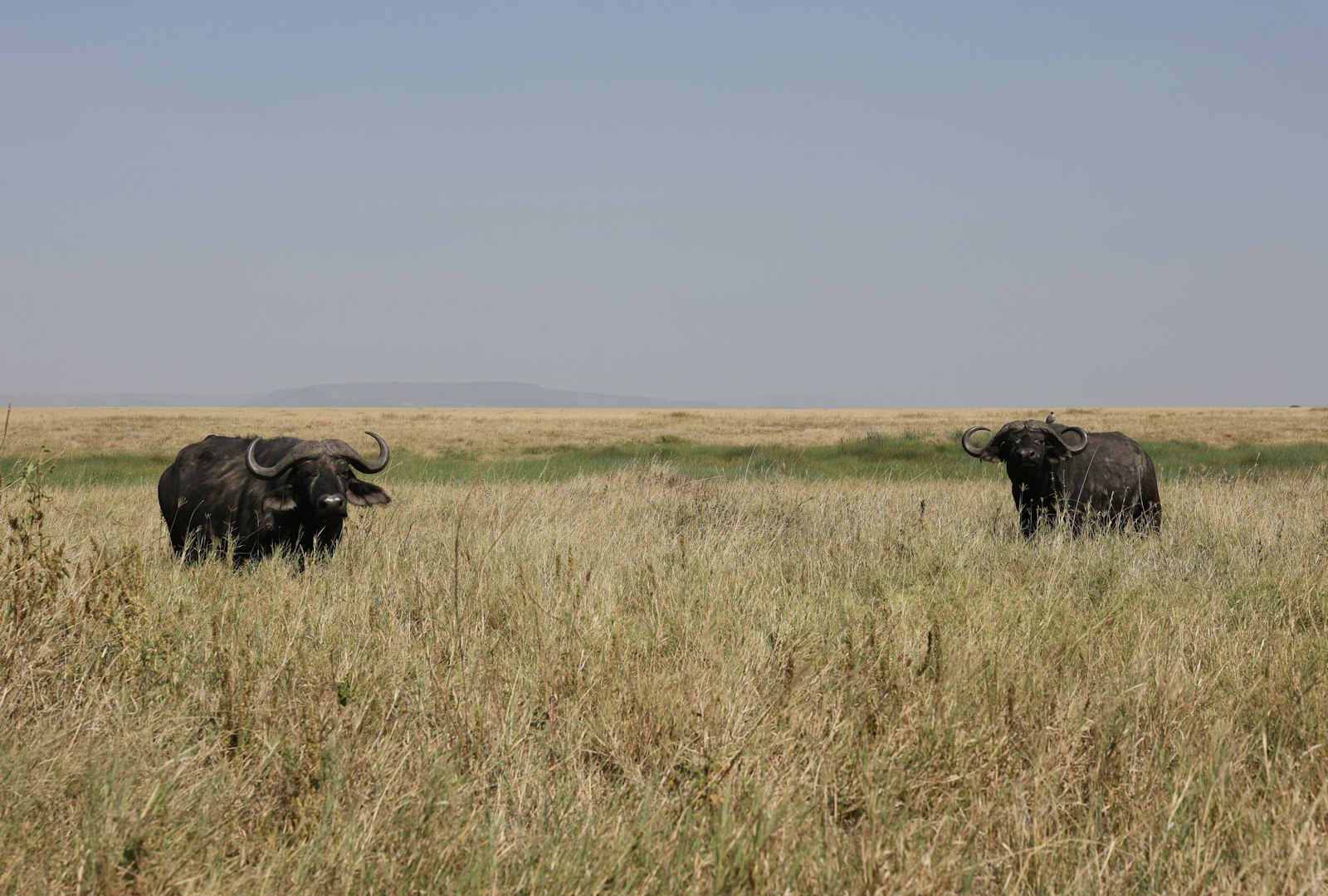
| Buffalo | Old bulls rest in thick cover and can be startled at close range | Avoid dense bush, scan carefully, keep a wide berth |
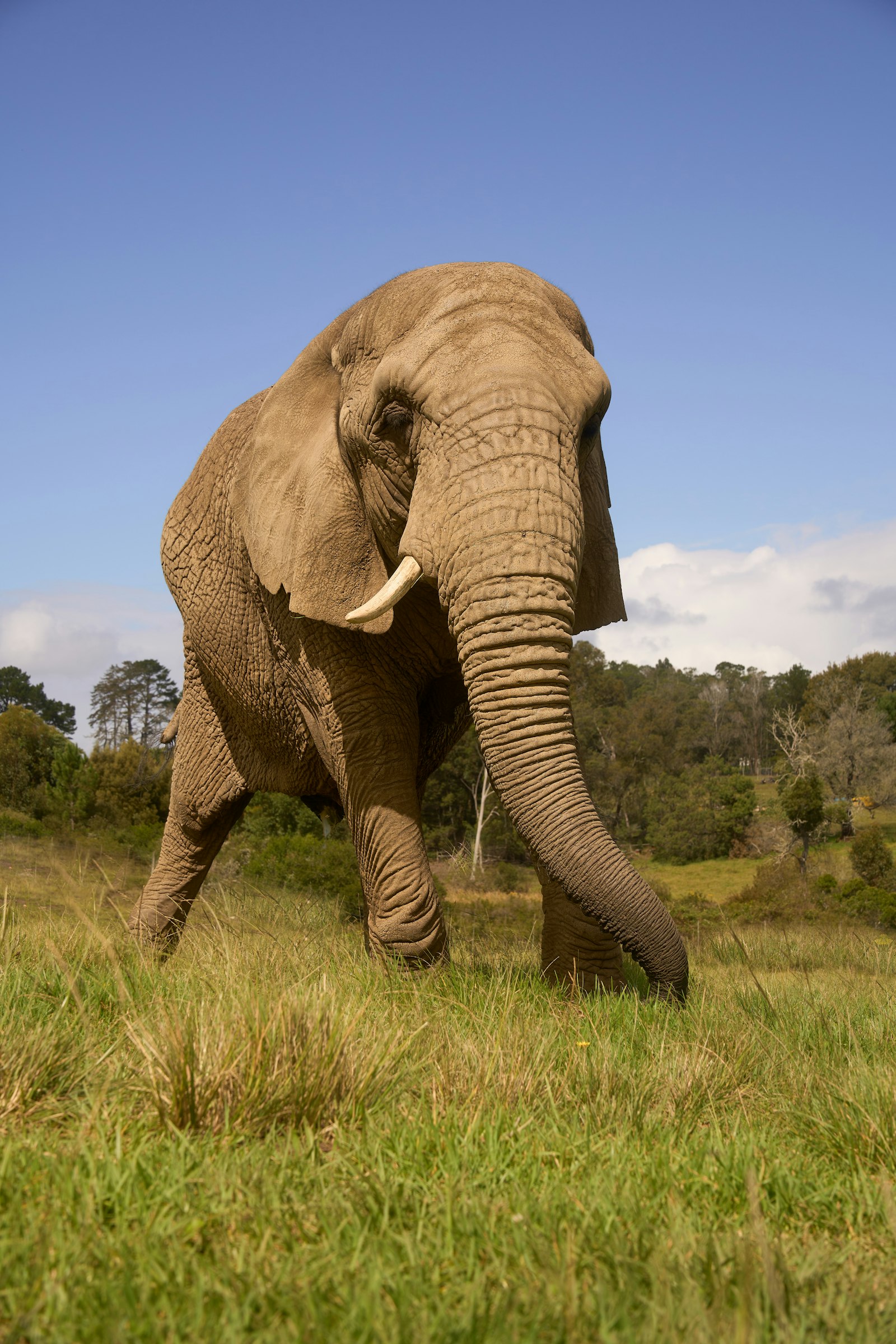
| Elephant | Mothers with calves can be protective | Stay downwind and well back, read ear and trunk signals |
| Hippo | Dangerous out of the water, especially near rivers at dawn and dusk | Never get between a hippo and water; avoid riverbanks at those times |
| Lion | Usually move away, but can be surprised at close quarters | Spot early, keep distance, stand firm as a group |
| Snakes | Rarely seen; most flee from footsteps | Walk where the guide walks, watch your footing |
Buffalo deserve special mention. They are calm around vehicles but can be unpredictable on foot. Our guide to Masai Mara buffalo explains why experienced guides treat them with such respect.
Where Can You Do a Walking Safari in Kenya?
Walking safaris in Kenya happen mainly in private conservancies, on Laikipia ranches and in a small number of parks, because most national reserves keep visitors in vehicles.
- Masai Mara conservancies: many camps offer guided walks with Maasai guides on conservancy land, outside the main reserve.
- Laikipia: large private ranches and conservancies with excellent walking, often combined with camel or horse rides.
- Hell’s Gate National Park: one of the few parks where visitors can walk and cycle, with no big predators commonly seen.
- Crescent Island, Lake Naivasha: a private sanctuary where you walk among giraffe, zebra and antelope without large predators.
Rules and walking safari safety standards change by area, so always confirm what is allowed. Our guide to the best parks for walking safaris in Kenya compares the options, and the Kenya Wildlife Service manages activities in national parks.
Gentle walks for first-timers
If you are new to walking, start where walking safari safety is simplest. Our Crescent Island and Hell’s Gate day trip lets you walk among plains game without big predators. For a full experience with big game, the Laikipia and Masai Mara Walking Safari uses conservancies and experienced guides. Message us for a quote.
📅 Get a Free, No-Obligation Safari Quote
Send us your dates and we will match you with the right walking area and guide for your experience level. ✉ Send Us Your Dates on WhatsApp
Age, Fitness and Health Limits
Walking safaris have age and fitness limits because walking safari safety depends on everyone moving calmly and following instructions.
- Age: camps set their own minimum ages; for walks in big-game areas, limits in the early to mid teens are common, while predator-free areas may accept younger children.
- Fitness: most walks last one to three hours at a slow pace, often on uneven ground in heat.
- Health: tell your guide about heart conditions, asthma, allergies or recent injuries.
- Pregnancy and mobility: check with your doctor and the camp before booking.
Our guides to safari fitness and the safari minimum age for children explain the limits in more detail.
What to Wear and Carry on a Walking Safari
The right clothing and kit support walking safari safety by keeping you comfortable, quiet and hard to spot.
- Clothes: neutral colours, long trousers and long sleeves against sun, thorns and insects.
- Shoes: closed, broken-in walking shoes or light boots with good grip.
- Head and skin: a wide-brimmed hat, sun cream and insect repellent.
- Water: at least one litre, carried in a quiet bottle.
- Extras: binoculars, a small camera, and any personal medicine such as an inhaler or allergy pen.
Tsetse flies and ticks can be present on walks, so read our guide to insects on safari before you pack.
Insurance and Emergency Plans
Good walking safari safety includes a plan for the unlikely event that something goes wrong, whether a twisted ankle or a medical problem.
Check that your travel insurance covers guided walking safaris and medical evacuation; some policies exclude certain activities. Ask your operator whether guides carry a radio or phone, a first aid kit and how the back-up vehicle is reached. Our guides to Kenya travel insurance and getting sick on safari explain cover and evacuation.
For general security, read the UK government’s Kenya safety and security advice, which lists areas where travel is advised against. Kenya’s main walking areas in Laikipia, the Mara conservancies and Naivasha are generally outside them, but always check the latest version.
How to Choose an Operator for Walking Safari Safety
Choosing the right operator and camp is the most important walking safari safety decision you make before you travel.
- Who will lead the walk, and how long have they guided on foot in that area?
- Will an armed ranger or scout join, and is that required there?
- What is the maximum group size? Small groups of around six or fewer are easier to manage.
- Is there a full safety briefing before every walk?
- What are the minimum age and health requirements?
- Is the company licensed by the Tourism Regulatory Authority?
Expert tip from our Nairobi team: book walks for early morning. It is cooler, animals are active but settling, visibility improves as the sun rises, and most guides prefer this time for the best walking safari safety and sightings.
Common Walking Safari Safety Mistakes to Avoid
Most walking safari safety mistakes are small habits that are easy to avoid once you know them.
- Stopping to take photos while the group moves on. Gaps in the line break the group’s single shape. Ask the guide for a photo stop instead.
- Whispering questions during a sighting. Save questions for when the guide signals that it is safe to talk.
- Wearing new boots. Blisters slow the group and distract you from the guide’s signals.
- Hiding a health problem. Guides plan the route around the slowest walker, so honesty helps everyone.
- Booking the cheapest walk without asking who leads it. The guide’s experience is the core of walking safari safety.
Walking in the middle of the day is another common mistake. Heat tires you quickly, animals rest in shade where they are harder to see, and visibility in thick cover drops. Early mornings and late afternoons are better for comfort, sightings and walking safari safety.
Finally, remember that a walk is a team effort. The guide, the ranger and every walker each play a part. When everyone follows the briefing, a walk becomes one of the most relaxed and rewarding ways to experience the bush, and walking safari safety takes care of itself.
What a Typical Guided Walk Looks Like
Knowing the shape of a walk helps first-timers relax, and calm walkers make walking safari safety easier for everyone.
- Early start: tea or coffee at camp, then a short drive to the starting point.
- Briefing: the guide explains signals, the order of walking and what to do around each animal.
- The walk: one to three hours at a gentle pace, stopping often to read tracks, dung, plants and birds.
- Wildlife moments: sightings of giraffe, zebra, antelope and sometimes elephants or buffalo at a safe distance.
- Finish: the vehicle meets the group, often with a bush breakfast.
After a walk, nights in a tented camp complete the experience; our guide to safari tent safety explains camp rules.
Walking Safari Safety FAQs
Are walking safaris safe?
Yes, guided walking safaris are safe for most healthy adults when led by a qualified guide and, where required, an armed ranger. Serious incidents are rare. Guides read the wind and animal behaviour, avoid thick cover and keep a respectful distance. Your part is to walk in single file, stay quiet and follow instructions.
Can you do a walking safari in the Masai Mara?
Walking is generally not allowed for visitors in the main Masai Mara National Reserve, but many camps in the surrounding conservancies offer guided walks, often with Maasai guides. Rules differ between conservancies, so confirm what each camp allows before booking. Laikipia and Hell’s Gate are other popular walking areas in Kenya.
What happens if an animal charges on a walking safari?
Charges are uncommon and most are mock charges meant as a warning. Your guide explains what to do for each animal during the briefing. The universal rules are to stay together behind the guide, never run and follow instructions immediately. Guides place themselves between the group and the animal.
What is the minimum age for a walking safari in Kenya?
Each camp or conservancy sets its own minimum age. For walks in areas with big game, limits in the early to mid teens are common. Predator-free areas such as Crescent Island may accept younger children with adults. Always confirm the age policy for the specific camp and walk before booking.
How fit do you need to be for a walking safari?
Most walks last one to three hours at a slow, stop-start pace, so a reasonable level of everyday fitness is enough. You should be comfortable walking on uneven ground in warm weather. Tell your guide about any heart, breathing or joint problems, and wear broken-in shoes with good grip.
Do walking safari guides carry guns?
In areas with dangerous game, walks are often accompanied by an armed ranger or scout, depending on park and conservancy rules. In predator-free areas, guides may walk unarmed. Firearms are a last resort; good guides rely on reading the bush and avoiding risky situations long before any danger develops.
What should I wear on a walking safari?
Wear neutral colours such as khaki, olive or brown, with long trousers and long sleeves to protect against sun, thorns and insects. Choose closed, broken-in walking shoes, a wide-brimmed hat and sunglasses. Avoid white and bright colours, which stand out to animals, and secure anything that rattles.
🏕 Plan Your Safari With Sense of Adventure
Kenya-based experts. Real local knowledge. Transparent pricing. We match you with experienced walking guides and conservancies where walking safari safety comes first. 💬 WhatsApp Us — Start Planning Today
Call or WhatsApp: +254 799 160 081
Related Safari Guides
- ›Walking Safari Kenya Guide
- ›Best Parks for Walking Safaris in Kenya
- ›How Fit Do You Need to Be for a Safari?
- ›Is It Safe to Sleep in a Tent on Safari?
- ›Masai Mara Buffalo
Official travel & park resource: Kenya Wildlife Service ↗ · Magical Kenya ↗