
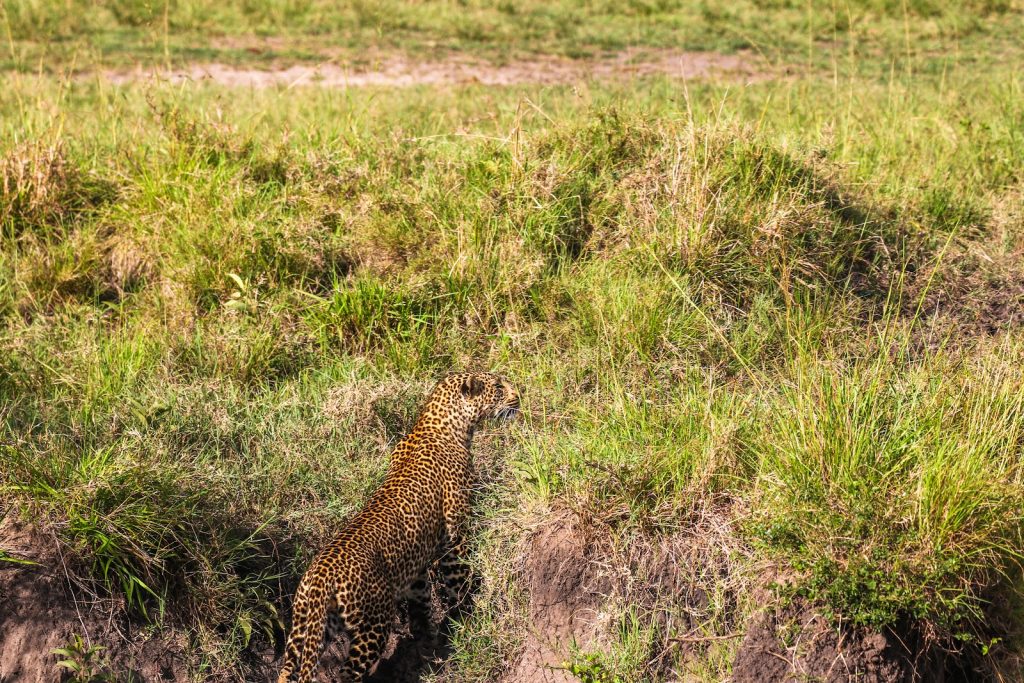
The best national parks for leopards in Kenya reward a different kind of patience than lion or elephant viewing — leopards are naturally solitary and nocturnal, and the parks where they show up best are not always the ones with the biggest overall wildlife reputation. Samburu, with genuinely lower visitor numbers than the Mara, sees leopards active in daylight far more often simply because they face less disturbance. Lake Nakuru has quietly built a real reputation for leopard sightings alongside its famous rhinos, and the Masai Mara still delivers the classic tree-kill sighting more reliably than almost anywhere else in Africa. Picture a leopard descending a fever tree at dusk with an impala kill, spotted by a guide who already knew exactly which tree to check. Sense of Adventure ranks these parks on real sighting patterns, not just overall fame.
A Sighting That Takes Real Patience
Tell us leopards are your priority and we’ll pick the park and timing that actually delivers.
Why Leopard Sightings Depend on Disturbance as Much as Density
Leopards are naturally shy and nocturnal, retreating into cover during high-traffic daylight hours in busier parks — which is exactly why Samburu, with meaningfully fewer vehicles than the Mara, has built a genuine reputation as one of Kenya’s best leopard destinations: lower disturbance means leopards stay active and visible well into daylight hours rather than only at dawn and dusk. Lake Nakuru has separately gained recognition for leopard sightings in recent years, on top of its established rhino and tree-climbing lion fame, while the Masai Mara remains the classic choice for the genuinely iconic tree-kill sighting, aided by decades of guide experience knowing exactly which trees and riverine forest patches leopards favour.
We’d almost given up hope of a proper leopard sighting after two quiet days, then our Samburu guide found one resting in broad daylight on a low branch, completely unbothered by our vehicle. He explained it’s exactly because so few other vehicles come through this part of the reserve.
— Sense of Adventure guest, Samburu safari
The 3 Best Parks for Leopards in Kenya
Samburu National Reserve — Daylight Sightings — lower traffic means more active, visible leopards
Samburu’s comparatively low visitor numbers mean leopards face less disturbance and are more likely to remain active during daylight hours than in busier reserves — genuinely one of Kenya’s best leopard destinations precisely because it is quieter.
Masai Mara National Reserve — The Classic Tree-Kill — decades of guide knowledge on favoured trees
The Mara remains the classic choice for the iconic leopard-in-a-tree sighting, its riverine forest patches and fever trees along the Mara and Talek rivers well known to experienced guides who track specific individuals across territories.
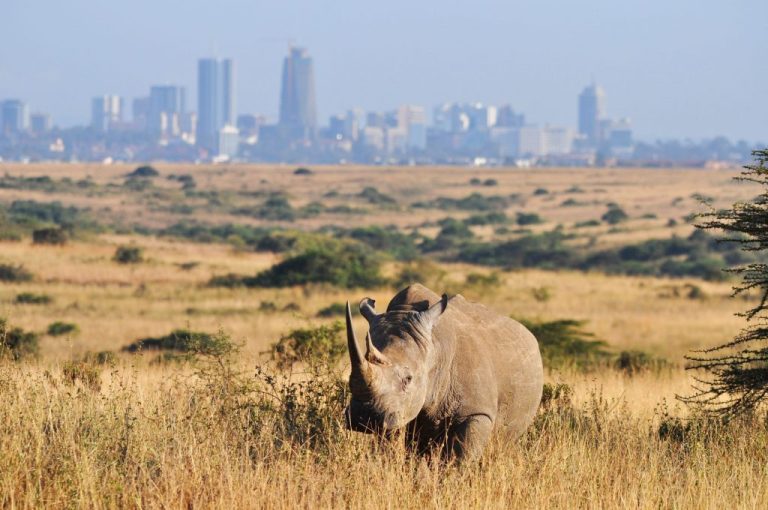
Lake Nakuru National Park — A Rising Leopard Reputation — alongside its rhinos and tree-climbing lions
Nakuru has quietly built genuine leopard-viewing credentials in recent years, adding to its established fame for rhino conservation and unusual tree-climbing lions — a compact park where multiple predator species concentrate in a relatively small, easily covered area.
Pick the Park That Actually Delivers Leopards
Message us your dates and we’ll route you toward the reserve with the best current leopard activity.
Kenya Leopard-Viewing Facts
- Samburu advantage: lower visitor traffic than the Mara means leopards stay active later into daylight hours.
- Masai Mara specialty: the classic tree-kill sighting, aided by decades of guide knowledge of favoured trees.
- Lake Nakuru: an emerging leopard destination alongside its established rhino and tree-climbing lion fame.
- Behaviour: leopards are naturally solitary and largely nocturnal, making sightings inherently less predictable than lions.
- Best odds: quieter reserves and conservancies with fewer vehicles generally produce more daylight activity.
- Realistic expectation: leopard sightings reward patience and guide experience more than any other Big Five species.
Building a Leopard-Focused Kenya Safari
Our Masai Mara leopard sightings guide covers specific areas and tracking tips in more depth. Combine Samburu and the Mara in one trip via a Kenya Luxury Big Five Safari for the best of both leopard-viewing styles.
Patience Pays Off With Leopards
Message us to plan a leopard-focused route through Samburu, the Mara or Nakuru.
Frequently Asked Questions
Which Kenyan park has the best leopard sightings?
Samburu National Reserve is often considered Kenya’s best leopard destination because its lower visitor traffic means leopards face less disturbance and stay active well into daylight hours, though the Masai Mara remains the classic choice for tree-kill sightings.
Why are leopards easier to see in Samburu than the Masai Mara?
Samburu has meaningfully fewer visitor vehicles than the Masai Mara, and this lower disturbance level means leopards there are more likely to remain active and visible during daylight hours rather than retreating into cover.
Is Lake Nakuru good for leopard sightings?
Yes — Lake Nakuru National Park has built a genuine reputation for leopard sightings in recent years, adding to its established fame for rhino conservation and its unusual tree-climbing lion population.
Why is the Masai Mara known for tree-kill leopard sightings?
The Masai Mara’s riverine forest patches along the Mara and Talek rivers are well known to experienced guides who track individual leopards across their territories, making the classic leopard-with-a-kill-in-a-tree sighting more reliably found here than in most other parks.
What is the best time of day to see leopards in Kenya?
Leopards are naturally most active at dawn, dusk and at night, though in lower-traffic reserves like Samburu they are more often seen active during full daylight hours as well, due to reduced disturbance from vehicles.