
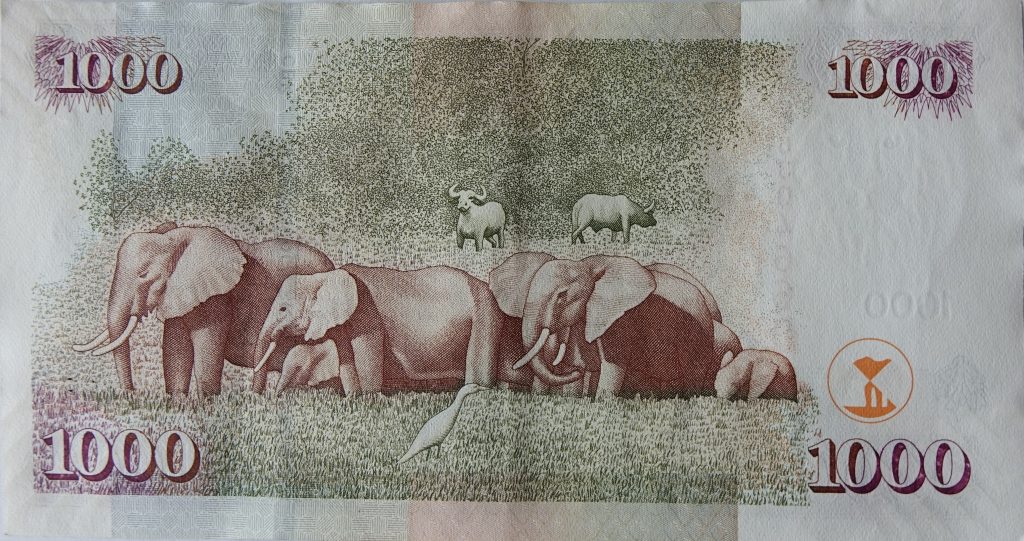
Kenya runs on a genuinely dual-currency system for travellers, and knowing which currency to use where saves both money and hassle. The official currency is the Kenyan Shilling (KES), but US dollars are widely accepted at safari lodges, park entrance gates, airports and other tourist-facing businesses — while local restaurants, matatus, boda-bodas and supermarkets take shillings only. ATMs are available in every town via major banks (Equity, KCB, Absa, Standard Chartered), and Kenya’s mobile money system, M-Pesa, is genuinely useful even for short-term visitors for smaller transactions. Picture arriving with a mix of both currencies already sorted rather than hunting for an exchange counter on your first jet-lagged morning. Sense of Adventure gives every guest this breakdown before departure.
One Less Logistics Headache
Message us and we’ll include a full money and currency briefing with your safari.
Shillings for Local, Dollars for Tourist-Facing Businesses
The Kenyan Shilling is the official currency, but a meaningful share of tourist-facing spending — safari lodges, park entrance fees, airport purchases — accepts US dollars directly, making it worth carrying both. Local spending (restaurants outside tourist areas, matatus, boda-bodas, everyday supermarkets) generally requires shillings, so having some local cash on hand from day one avoids awkward gaps. ATMs are widely available in Kenyan towns through major banks, typically allowing daily withdrawals in the 40,000-100,000 KES range — when withdrawing, always choose to be charged in the local currency (KES) rather than your home currency, since accepting “Dynamic Currency Conversion” at the ATM almost always gives a worse rate than your own bank’s conversion. Most major lodges accept Visa and Mastercard without issue. Kenya’s mobile money system, M-Pesa, is worth registering for immediately on arrival at the airport (a Safaricom counter handles SIM cards and M-Pesa registration) — it works best for transactions under roughly 10,000 KES and is used constantly by Kenyans for everyday payments.
Our guide told us to register for M-Pesa literally at the airport before we’d even left, and it turned out to be genuinely useful for small purchases the whole trip — meanwhile keeping a mix of dollars and shillings meant we never once got stuck without the right currency at a lodge or a roadside stop.
— Sense of Adventure guest, Kenya safari
Managing Money on a Kenya Safari
US Dollars — For Lodges, Gates and Airports — widely accepted at tourist-facing businesses
Bring some cash in USD for park fees, lodge extras and airport purchases — most tourist-facing businesses accept dollars directly without issue.
Kenyan Shillings — For Everything Local — restaurants, matatus, boda-bodas, supermarkets
Withdraw shillings from an ATM soon after arrival for day-to-day spending outside the safari circuit itself — always select “local currency” at the ATM to avoid a poor Dynamic Currency Conversion rate.
M-Pesa — Kenya’s Mobile Money System — register at the airport, useful for smaller transactions
A Safaricom SIM and M-Pesa registration, done right at the airport, gives you access to Kenya’s dominant everyday payment method — best for transactions under roughly 10,000 KES.
Cards — Fine at Major Lodges — Visa and Mastercard widely accepted at bigger properties
Most major safari lodges accept card payment without issue, though carrying some cash remains sensible for smaller properties, tips and local purchases.
Arrive With Your Money Sorted
Message us for a full pre-departure briefing including currency and payment guidance.
Kenya Money Facts
- Official currency: the Kenyan Shilling (KES).
- Where USD works: safari lodges, park entrance gates, airports and most tourist-facing businesses.
- Where only KES works: local restaurants, matatus, boda-bodas and everyday supermarkets.
- ATM tip: always choose to be charged in local currency (KES), not your home currency, to avoid a poor Dynamic Currency Conversion rate.
- M-Pesa: Kenya’s mobile money system, best registered for at the airport on arrival, useful for transactions under roughly 10,000 KES.
- Card acceptance: Visa and Mastercard are widely accepted at major lodges, though cash remains useful for tips and smaller purchases.
Planning Your Kenya Trip Logistics
Read our Kenya safari checklist and tipping guide for the full pre-departure picture alongside currency planning.
Every Practical Detail, Handled
Message us to plan a Kenya safari with a full money and logistics briefing included.
Frequently Asked Questions
Can I use US dollars in Kenya?
Yes — US dollars are widely accepted at safari lodges, park entrance gates, airports and most tourist-facing businesses, though local restaurants, matatus, boda-bodas and everyday supermarkets generally require Kenyan Shillings.
Should I use ATMs in Kenya?
Yes — ATMs from major banks (Equity, KCB, Absa, Standard Chartered) are available in most towns, but always choose to be charged in local currency (KES) rather than your home currency to get a better exchange rate.
What is M-Pesa and should I use it?
M-Pesa is Kenya’s widely used mobile money system — registering for it right at the airport on arrival is worth doing, as it works well for everyday transactions under roughly 10,000 KES.
Do Kenyan safari lodges accept credit cards?
Most major safari lodges accept Visa and Mastercard without issue, though it’s still sensible to carry some cash for tips, smaller properties and local purchases.
How much Kenyan currency should I carry?
Enough Kenyan Shillings for day-to-day local spending (restaurants, transport, small purchases) is sensible, since most larger safari-related costs (lodges, park fees) can typically be covered in USD or by card.