
Accessible safari travel in Kenya is genuinely possible with the right planning — specialised vehicles, accessible lodges and experienced guides all exist, but nearly everything depends on how far in advance you communicate your specific needs. A safari built around mobility requirements looks different from a standard booking mainly in the planning timeline, not in what’s ultimately achievable.
Tell Us Your Needs, We’ll Plan Around Them
Message us on WhatsApp with your mobility requirements — the earlier, the better.
What Accessible Safari Planning Actually Involves
The single biggest factor in a successful accessible safari is lead time — wheelchair-accessible suites are limited, especially in peak season (July to October), so booking six to nine months ahead is strongly recommended. Clear, specific communication matters just as much: telling your operator your degree of mobility, the type of wheelchair or mobility aid you use, and any equipment needs like a roll-in shower or commode lets them arrange the right vehicle, room and support staff in advance rather than improvising on arrival.
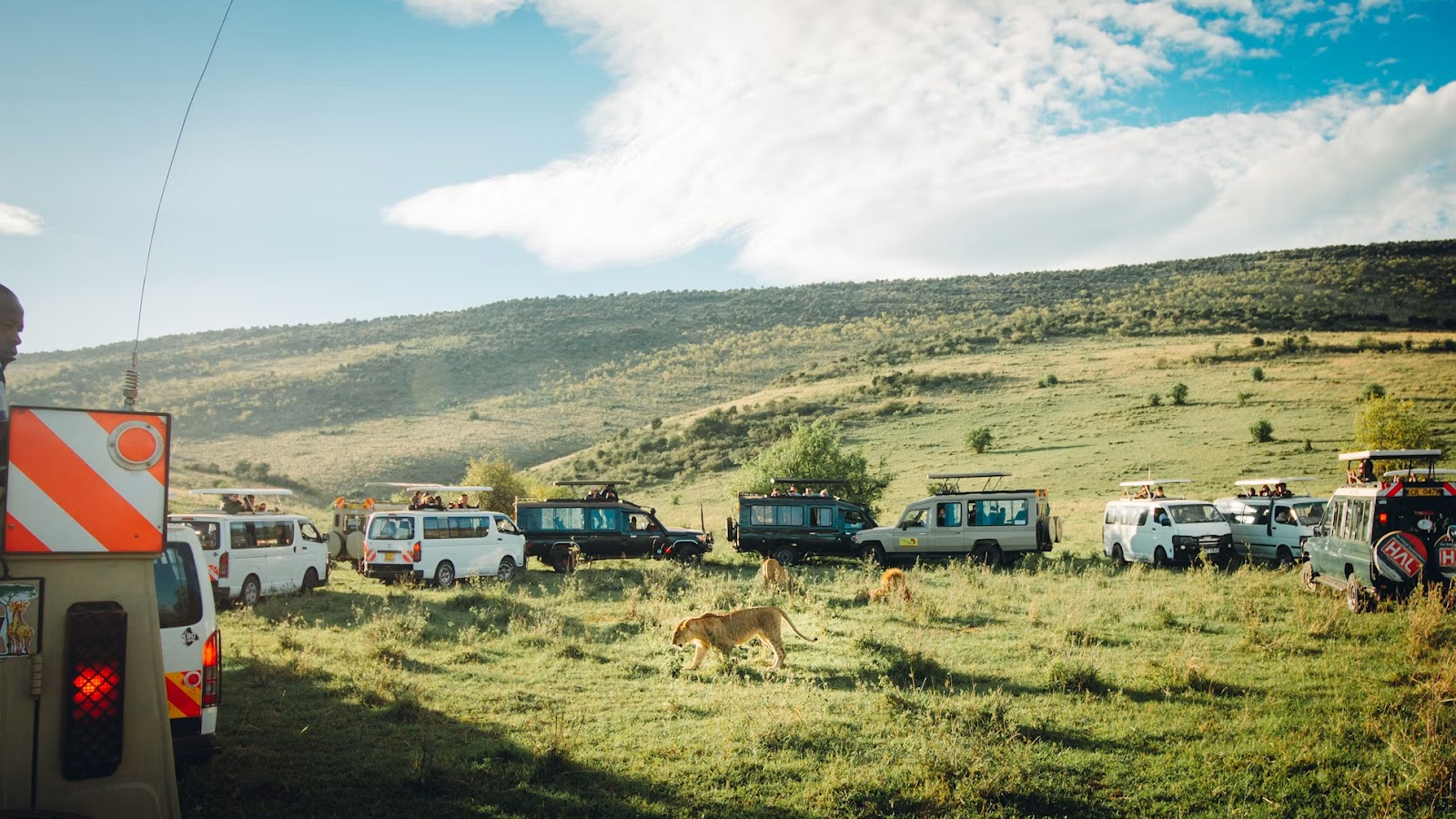
We were upfront about my husband’s wheelchair from the first message, and every camp we stayed at had already prepared — ramps, ground-floor rooms, a guide who knew exactly how to help without making it a production. Planning ahead made all the difference.
— Sense of Adventure guest, accessible Kenya safari
What to Plan For on an Accessible Kenya Safari
Book Early, Especially in Peak Season — 6-9 months ahead is the realistic window
Accessible suites and specially-equipped vehicles are limited in number, and peak season (July-October) books them out fastest. Early booking secures the right camps rather than whatever’s left.
Communicate Specifics, Not Generalities — your operator can only plan for what you tell them
Share your degree of mobility, wheelchair type, and any equipment needs (roll-in shower, commode, an interconnecting room for a helper) clearly and early — there’s no need to be shy about the details.
Choose Road Transfers Over Light Aircraft — small planes rarely suit limited mobility
Light aircraft between camps are seldom well-suited to travellers with limited mobility; a road-based itinerary is generally the more practical and comfortable choice.
Ask About the Vehicle Itself — ramps, anchoring, seating
Specialised safari vehicles can include access ramps, secure anchoring systems and adjustable seating, often with preferential seating up front next to the driver-guide — confirm this is arranged before you travel.
Check Camp Terrain, Not Just the Room — pathways matter as much as the suite
Ask about the terrain and surface of walkways between your room and communal areas, and what toilet facilities are like out on game drives, since these details vary a lot camp to camp.
Travel in the Dry Season if Possible — June to October
Rain and mud can meaningfully affect how easy it is to move around camp and between vehicles and buildings, making the dry season the more predictable window.
We’ll Confirm Every Detail Before You Book
Message us your specific mobility needs and travel window — we’ll check every camp before recommending it.
Accessible Safari Planning at a Glance
- Lead time: book accessible accommodation 6-9 months ahead, especially for July-October travel.
- Vehicles: specialised safari vehicles can include ramps, secure anchoring and adjustable seating, often with front-seat priority.
- Transfers: road transfers are generally recommended over light aircraft, which rarely suit limited mobility.
- Camps: some Kenya lodges are specifically set up with ground-level rooms, wide doorways, roll-in showers and step-free pathways.
- Guides: many Kenyan safari guides are trained to assist travellers with mobility needs, alongside porters and lodge staff.
- Best season: the dry season (June-October) avoids rain and mud that can affect terrain around camp.
Plan an Accessible Safari With Us
Every one of our Kenya safari packages can be adapted once we know your specific needs — message us early, and see our booking guide for what the full planning process looks like from enquiry to departure.
Every Detail Confirmed Before You Fly
Message us on WhatsApp — the more specific you are now, the smoother your safari will be.
Frequently Asked Questions
Can you go on safari in Kenya in a wheelchair?
Yes — with enough advance planning. Specialised vehicles, accessible camps and trained guides all exist in Kenya, though accessible accommodation is limited and should be booked 6-9 months ahead.
Should I fly or drive between parks on an accessible safari?
Road transfers are generally recommended — light aircraft between camps are seldom well-suited to travellers with limited mobility.
What should I tell my safari operator about my mobility needs?
Be specific — your degree of mobility, the type of wheelchair or aid you use, and any equipment needs like a roll-in shower, commode or interconnecting room for a helper.
What time of year is best for an accessible Kenya safari?
The dry season, June to October, is generally recommended since rain and mud can affect terrain and pathways around camp.
Do safari vehicles in Kenya accommodate wheelchairs?
Specialised vehicles can include access ramps, secure anchoring systems and adjustable seating, often with preferential front-seat placement next to the driver-guide — confirm this with your operator in advance.