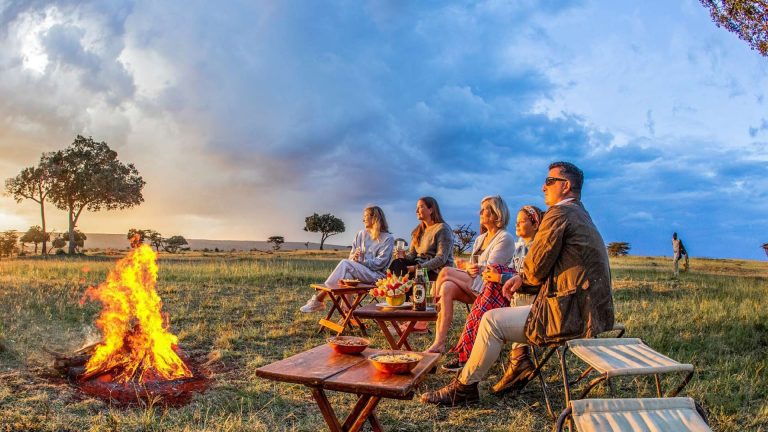

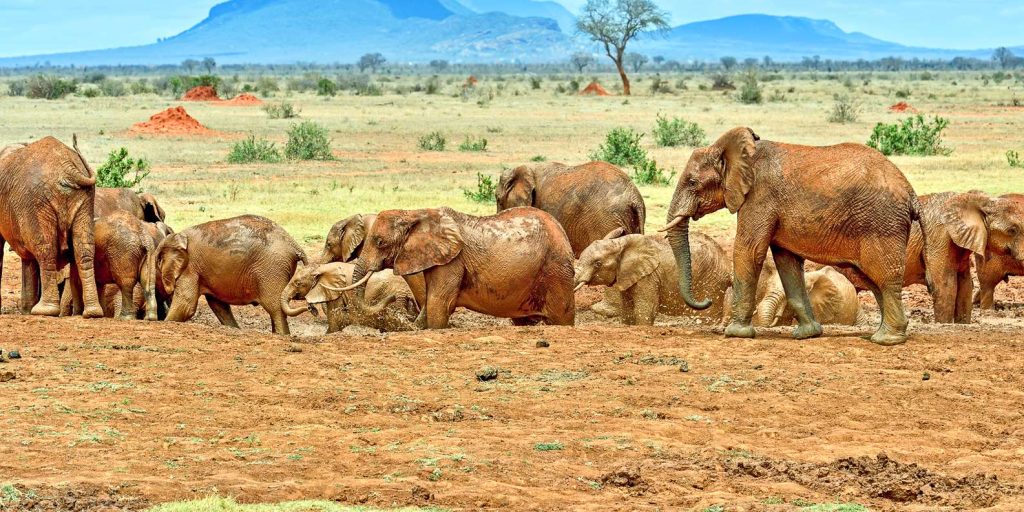
The Tsavo wilderness experience is defined by one fact before any other: scale. At over 20,800 km² combined, Tsavo East and West are nearly ten times the size of the Masai Mara — red volcanic earth, semi-arid scrubland and riverine forest stretching further than a single trip can properly cover, with wildlife spread thin enough that finding it feels like a genuine discovery rather than a queue.
Come Feel Kenya’s Biggest Wilderness
Message us on WhatsApp and we’ll build a Tsavo itinerary with real time to take in the scale of it.
What Vastness Actually Changes
The Masai Mara compresses drama into a small, predictable stage; Tsavo does the opposite. The Great Migration does not pass through here, so Tsavo’s wildlife is resident year-round rather than seasonal, which means every month is broadly comparable rather than built around one migration peak. That same scale means animals are more spread out and genuinely harder to spot than in a compact reserve — the trade-off is a wilder, quieter, more solitary kind of safari, with semi-arid scrubland and red volcanic soil replacing the classic green savannah most people picture when they imagine an African safari.
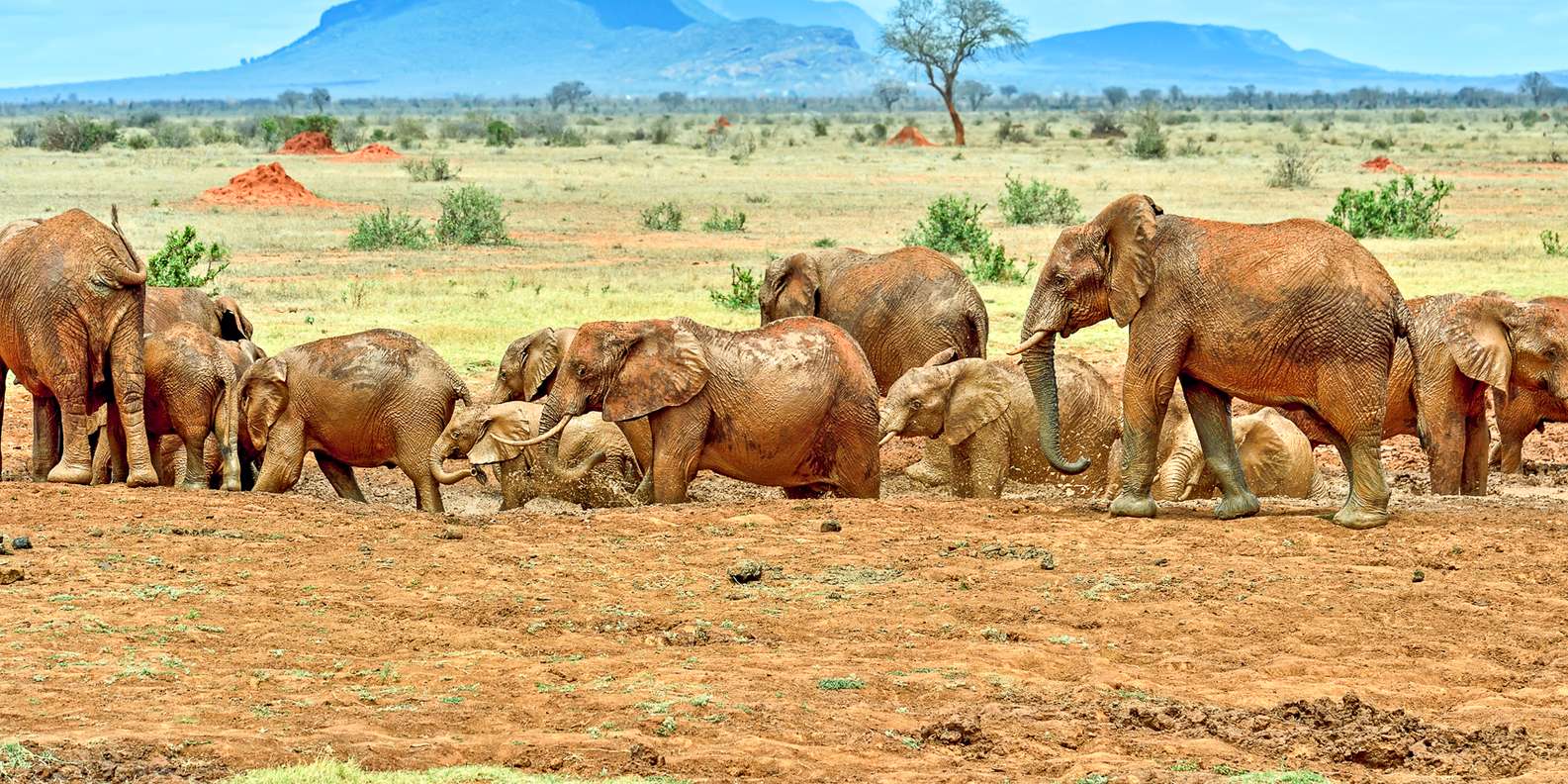
We went from the Mara straight to Tsavo and it felt like a different country. Fewer vehicles, more space between sightings, and when we did find a herd of red elephants it felt like we’d actually found something, not just joined a queue.
— Sense of Adventure guest, Tsavo safari
What Makes Tsavo Feel Different
Scale You Can Feel — 20,800 km² and counting
Nearly ten times the Masai Mara’s area, Tsavo’s size is not an abstract statistic — it shows up as long, empty drives between sightings and a genuine sense of remoteness few Kenyan parks still offer.
Resident Wildlife, No Single Peak Season — every month is broadly comparable
Without a migration passing through, Tsavo’s animals stay put year-round rather than following seasonal herds — there is no single must-visit month the way the Mara has July to October.
Red Earth Everywhere — the landscape’s signature detail
Volcanic soil rich in iron oxide colours everything — elephants dust themselves rust-red, roads run red, and even after rain the rivers can run the same colour.
Fewer Vehicles, More Patience Required — a genuine trade-off, not a downside dressed up
Sightings take longer to find and are shared with far fewer other vehicles — an honest trade against the Mara’s higher predator density, and one many repeat visitors specifically choose Tsavo for.
A Landscape, Not Just a Wildlife List — scrubland, lava fields and river forest in one park
Semi-arid commiphora scrub, ancient lava flows and Galana River riverine forest sit inside the same park boundary — Tsavo rewards travellers who want landscape variety as much as animal sightings.
Build In Time to Actually Feel the Scale
Message us and we’ll pace your Tsavo itinerary so the drives themselves are part of the experience.
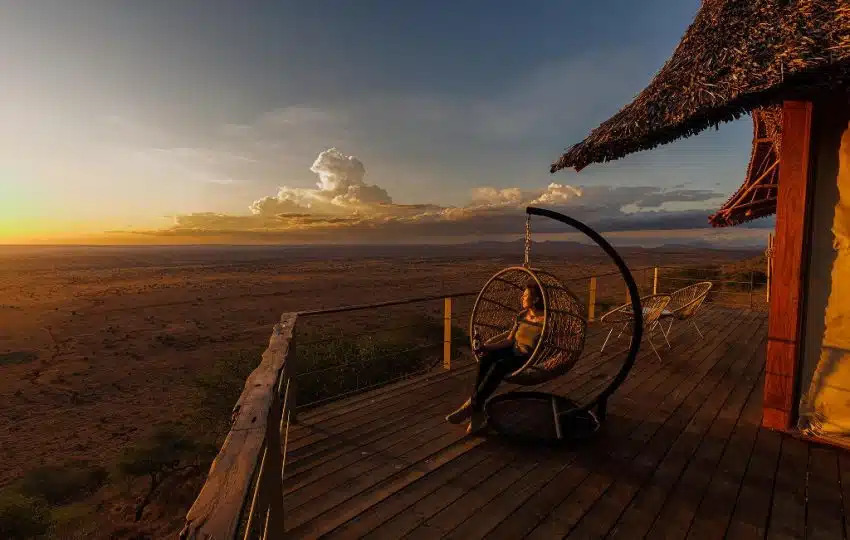
The Tsavo Wilderness at a Glance
- Combined size: Tsavo East and West together cover over 20,800 km², roughly 10x the Masai Mara.
- Migration: Tsavo is not on the Great Migration route — wildlife is resident year-round, not seasonal.
- Landscape: semi-arid scrubland, red volcanic soil, ancient lava flows and riverine forest, all within one park.
- Crowds: significantly fewer vehicles per sighting than the Mara, a direct result of the park’s scale.
- Best fit: travellers who prioritise space, solitude and landscape variety over guaranteed high-density predator sightings.
Plan the Full Tsavo Trip
Pair this with our Tsavo safari guide for logistics, and our Tsavo East vs West comparison to decide which half suits your priorities.
Ready to Feel How Big Tsavo Really Is?
Message us on WhatsApp and let’s plan a Tsavo safari built around space and solitude.
Frequently Asked Questions
How big is Tsavo National Park compared to the Masai Mara?
Tsavo East and West together cover roughly 20,800 km², nearly ten times the Masai Mara’s approximately 1,510 km².
Does the Great Migration pass through Tsavo?
No — Tsavo’s wildlife is resident year-round rather than migratory, so there is no single must-visit month the way the Mara has its migration season.
Is Tsavo less crowded than the Masai Mara?
Yes, generally — Tsavo’s much larger area spreads both wildlife and visitors more thinly, resulting in significantly fewer vehicles at any given sighting.
Why is the soil in Tsavo red?
Tsavo’s volcanic soil is rich in iron oxide, which colours the earth, roads and even the elephants that dust themselves in it a distinctive rust-red.
Is Tsavo harder to see wildlife in than other Kenyan parks?
Sightings generally take more patience since animals are spread across a much larger area, but this trade-off is exactly why many travellers choose Tsavo for its sense of genuine wilderness.