Camping in Kenya is one of the most rewarding ways to experience the country’s national parks, and it runs through Kenya Wildlife Service (KWS) on a two-tier system most first-time visitors have never heard of: public campsites with basic shared facilities, and special campsites that give one group exclusive, unserviced ground for an advance-booked stay. Both cost a fraction of a lodge or luxury tented camp, but they trade comfort for genuine bush camping: you bring or hire your own tent, cook your own food and sleep with nothing between you and the park but canvas.
Picture waking to hyena calls a few metres from your tent rather than in a heated lodge room. Sense of Adventure arranges fully serviced camping safaris for travellers who want this experience without organising the logistics themselves.
✅ Camping in Kenya: Quick Answer
- Who runs it: KWS manages campsites in Kenya’s national parks; book in advance, never just turn up.
- Two choices: public campsites with shared water and toilets, or special campsites reserved for your group alone with no facilities.
- Fees: a nightly camping fee is charged on top of park entry; KWS revised its tariff in October 2025, so check current rates.
- Easiest parks for camping in Kenya: Hell’s Gate and Mount Longonot near Nairobi; Tsavo, Amboseli, Meru and the Aberdares for wilder nights.
- Masai Mara: run by Narok County, not KWS, so its campsites work differently.
- Easy option: our Masai Mara and Lake Nakuru Camping Safari starts from USD 750 per adult sharing.
Love the idea of sleeping under canvas but not the kit list? We bring the tents, cook and guide.
How Camping in Kenya’s National Parks Works
Kenya Wildlife Service manages the country’s national parks and marine parks, and with them the official campsites inside park boundaries. Camping in Kenya inside a KWS park means paying two things: the normal park entry (conservation) fee, which is charged per person per 24 hours, and a separate nightly camping fee for the site itself. The camping fee only buys you the right to pitch; it does not include tents, food, firewood or a guide.
Campsites must be booked in advance through KWS, and fees are paid cashless, in line with the eCitizen system KWS uses for park entry. Gates in most KWS parks open from 06:00 to 18:00, so plan to arrive at your site with daylight to spare. Once inside, you must stay on marked tracks and camp only at the site you booked.
One point surprises many visitors: the Masai Mara is a national reserve run by Narok County, not a KWS park. Its campsites, mostly outside the reserve boundary, are privately run, and Mara entry is charged separately at USD 100 per adult per day from January to June and USD 200 from July to December.
Public vs Special Campsites: Which Should You Choose?
This is the main decision for anyone planning camping in Kenya on their own. The two types suit very different travellers, so think about your group size, your gear and how much privacy you want.
Public campsites for camping in Kenya on a budget
Public campsites provide standard shared amenities, usually water, a toilet or shower block and a basic cooking area. Several groups may share the same site, and they are the lowest-cost way to stay overnight inside a park. They suit backpackers, overlanders and self-drive travellers who want a simple base and do not mind company, and they are the classic first step into camping in Kenya.
Special campsites for private bush nights
Special campsites are the opposite trade-off: no shared facilities and no other groups, just exclusive, unserviced ground reserved for your party, often in a scenic spot by a river or under big trees. They cost more per night and carry an extra reservation charge, and you must bring everything, including water in some parks. They suit private groups, photographers and anyone using a mobile camp crew, and they offer the wildest form of camping in Kenya.
| Feature | Public campsite | Special campsite |
|---|---|---|
| Facilities | Shared water, toilets, cooking area | None: bring everything |
| Privacy | Shared with other groups | Your group only |
| Cost | Lowest nightly KWS camping fee | Higher nightly fee plus a reservation charge |
| Booking | Advance booking with KWS | Advance booking with KWS, often weeks ahead |
| Best for | Budget and self-drive travellers | Private groups and serviced mobile camps |
Public Site or Your Own Patch of Bush?
Tell us how many of you are travelling, whether you have your own gear and which parks interest you. We will suggest the right campsite type and handle the KWS booking.
Where You Can Go Camping in Kenya: 6 Park Areas Compared
Camping in Kenya is possible in many KWS parks. These are the areas we suggest most often, from easy weekend trips to remote wilderness.
Tsavo East & West — Kenya’s classic camping parks
Tsavo’s vast, red-earth wilderness is one of the most established camping destinations in the KWS system, with public and special sites across both parks. Our Tsavo East & West Safari can be adapted to include camping nights.
Amboseli & Lake Nakuru — the premium parks
These two parks sit in the KWS premium category, so entry costs more, but a tent pitched under Kilimanjaro or near Nakuru’s rhino sanctuary is a very different experience from a lodge room. See our Lake Nakuru safari page.
Hell’s Gate — camping where you can walk and cycle
Hell’s Gate allows camping alongside its unusual walking and cycling access, as the park has no elephants and few large predators, making it one of the most independent, low-key camping experiences in the KWS system. Read our Hell’s Gate National Park guide.
Aberdare & Meru — camping in genuinely remote terrain
Both parks offer official campsites in landscapes that see far fewer visitors than Kenya’s headline reserves. Meru’s special campsites include Island Camp, Golo, Fisi, Ndovu and Mamba; see our Meru National Park lodges guide and the Aberdare Big Five guide.
Mount Longonot — a crater hike and a night out
Longonot is a small park built around one of Kenya’s best day hikes. Camping near the gate lets you start the crater rim walk early, before the heat. See our Mount Longonot National Park guide.
Masai Mara — camping outside a county-run reserve
The Mara is not a KWS park, so most budget travellers stay at permanent tented campsites on the reserve edge. Our Masai Mara & Lake Nakuru Camping Safari uses this style, with beds and a camp cook.
Camping in Kenya Compared: KWS Campsite, Camping Safari or Lodge
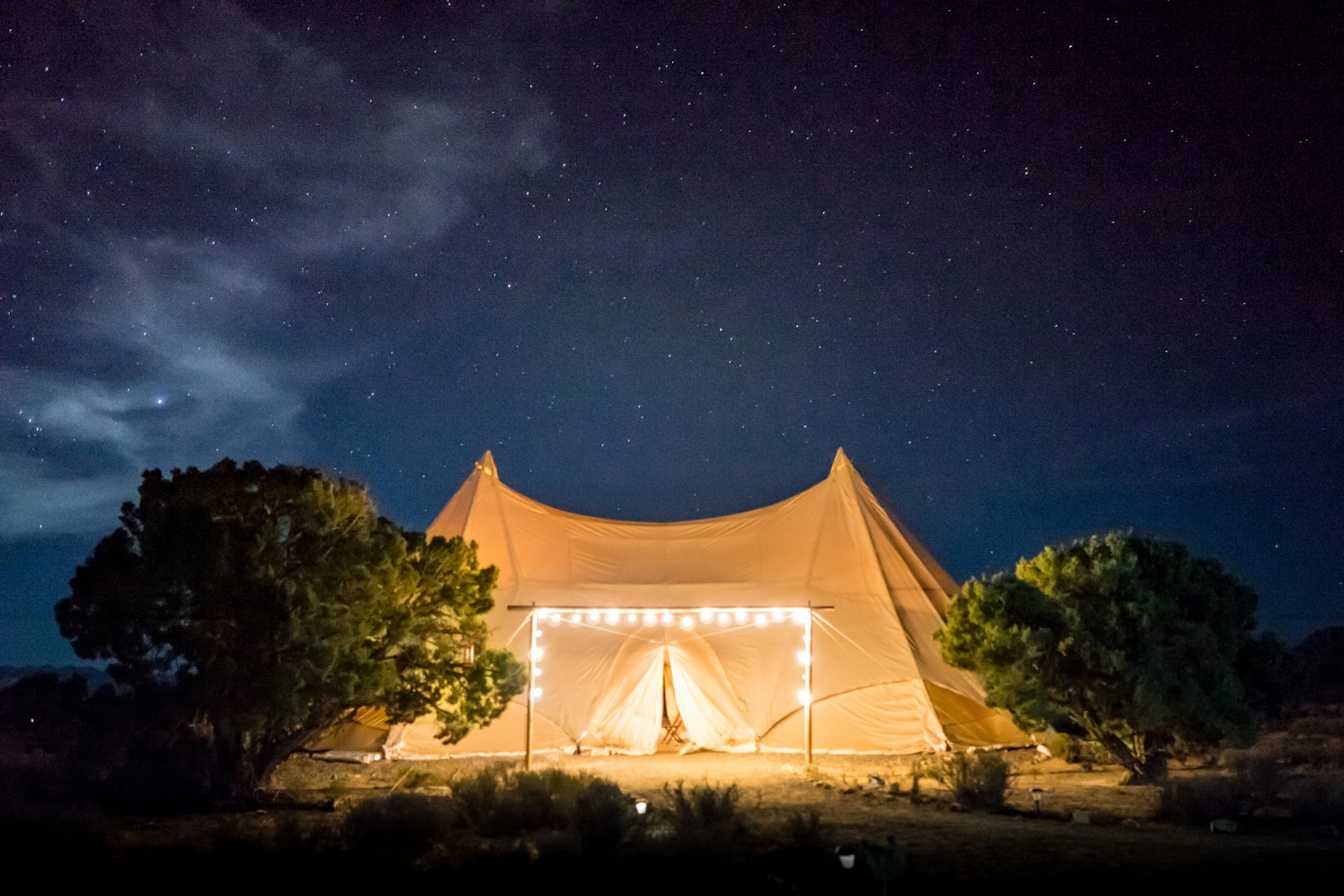
Many travellers weigh do-it-yourself camping against a serviced camping safari or a lodge. This table shows the honest trade-offs of each style of camping in Kenya.
| Style | What you get | Effort | Best for |
|---|---|---|---|
| DIY KWS campsite | A pitch, plus water and toilets at public sites | High: own vehicle, gear and food | Experienced overlanders |
| Serviced camping safari | Tents, beds, cook, guide and vehicle | Low | Budget travellers and groups |
| Private mobile camp | A crew sets up your own camp on a special site | Low | Families, photographers, celebrations |
| Lodge or tented camp | En-suite rooms, meals, pool | None | Comfort seekers |
If you want canvas without the effort, read our guide to the mobile camping safari in Kenya, or compare permanent camps in what a safari tent is like inside.
What Camping in Kenya Costs in 2026
The cost of camping in Kenya has three parts: the park entry fee, the KWS camping fee and everything you bring or hire. Park entry is the largest line. Under the KWS tariff in force since 1 October 2025, non-resident adults pay about USD 90 per 24 hours at Amboseli and Lake Nakuru, USD 80 at Tsavo East, Tsavo West and Nairobi, USD 70 at Meru and the Aberdares, and USD 50 at Hell’s Gate and Mount Longonot.
Camping fees are charged per person per night on top of that, and special campsites cost more than public ones and carry a reservation charge. KWS revised its fees in 2025, so older figures you may find online can be out of date. Always check the current tariff on the Kenya Wildlife Service website before you budget.
If you would rather pay one price, our trips include park fees as listed: the Masai Mara and Lake Nakuru Camping Safari from USD 750 per adult sharing, the Tsavo East & West Safari (3 days) from USD 600, and the Aberdare Ranges Trek (3 days) from USD 650. Final prices depend on season and group size.
Special Sites Go to One Group at a Time
Because each special campsite takes a single booking, popular sites fill early in July to October and over holidays. Send your dates and we will check the sites and send a written quote with park and camping fees itemised.
Best Time to Go Camping in Kenya
The weather matters more under canvas than in a lodge, so timing is worth planning before camping in Kenya.
- June to October: the long dry season, with cool nights, clear skies and the best game viewing. It is also the busiest time, so book special sites early.
- January to February: a short, hot dry spell with good wildlife and fewer visitors.
- March to May: the long rains. Tracks get muddy, some campsites become hard to reach and tents need good groundsheets.
- November to early December: the short rains, usually brief afternoon showers with green scenery.
Highland parks such as the Aberdares and Mount Longonot get cold at night all year, while Tsavo and Meru stay warm. For a park-by-park example, see our best time to visit Tsavo guide.
Getting There and Getting Around
Camping in Kenya usually means driving yourself or travelling with a guide. Most KWS parks with campsites need a vehicle with good ground clearance, and a 4×4 is essential in the rains and in remote parks such as Meru and Tsavo. You cannot walk between campsites and game areas in most parks, so self-drive campers need a reliable car, spare tyres and enough fuel, as there are few fuel stops inside parks.
Hell’s Gate and Mount Longonot are around two hours from Nairobi by road, which makes them the easiest first try at camping in Kenya. Lake Nakuru and the Aberdares take about three hours, Amboseli and Tsavo West four to five hours, and Meru six hours or more. If you would rather not drive, a guided trip with a driver-guide removes the stress; see our Kenya safari from Nairobi options.
Safety Rules for Camping in Kenya
Camping in Kenya’s parks is safe when you respect a few firm rules. Most KWS campsites are unfenced, so wild animals can and do walk through at night.
- Never leave food in your tent; store it in a locked vehicle or sealed box.
- Zip your tent fully at night and do not wander outside after dark without a torch and company.
- Keep a safe distance from hippos near rivers and lakes, especially in the evening.
- Light fires only where allowed and never leave them unattended.
- Follow any instructions from KWS rangers, and hire an armed ranger escort where the park requires one.
- Tell someone your route and expected return time, as phone signal can be patchy.
For more reassurance, read is it safe to sleep in a tent on safari and check the latest GOV.UK travel advice for Kenya.
Kenya National Park Camping Facts
- Public campsites: shared water, toilets and a cooking area; the lowest-cost KWS overnight option.
- Special campsites: exclusive, unserviced ground for one group, with a higher nightly fee and a reservation charge.
- Booking: both types must be booked in advance through KWS.
- Parks with campsites in this guide: Amboseli, Lake Nakuru, Tsavo East, Tsavo West, Aberdare, Meru, Kora, Hell’s Gate and Mount Longonot.
- Fees are separate: camping fees apply on top of park entry fees, not instead of them.
- Masai Mara note: the Mara is run by Narok County rather than KWS, so most overnight stays there are at private camps rather than KWS campsites.
What to Pack for Camping in Kenya
- A sturdy tent with a good groundsheet, or ask us to supply one.
- A warm sleeping bag: nights can drop close to freezing in the Aberdares.
- A head torch with spare batteries.
- Enough drinking water, plus extra for cooking at special sites.
- A gas stove, cookware and food in sealed containers.
- Insect repellent, long sleeves and any malaria tablets your doctor advises.
- Rubbish bags: carry out everything you bring in.

Planning a Camping Safari in Kenya
Camping in Kenya works best combined with a KWS-run park like Tsavo, Amboseli or the Aberdares. Our Tsavo East & West Safari and Aberdare Ranges Trek can both be adapted to a camping itinerary on request, and the Masai Mara camping safari is ready to book as it is.
For a fully tailored trip with your own vehicle, guide and camp crew, see our private Kenya safari options, or compare lodge-based Masai Mara safari packages if camping is only part of your plan. Before you travel, apply for your entry authorisation on the official Kenya eTA portal.
Fall Asleep to the Sounds of the Bush
From a simple public site at Hell’s Gate to a private special campsite in Meru, we make camping in Kenya easy: we handle the KWS bookings, tents, meals and guiding so you can enjoy the night.
Frequently Asked Questions
How much does camping in Kenya’s national parks cost?
You pay the KWS park entry fee per 24 hours plus a nightly camping fee per person. Non-resident park entry ranges from about USD 50 at Hell’s Gate to USD 90 at Amboseli. Camping fees were revised in October 2025, so check the current KWS tariff, or ask us for an all-in quote.
What is the difference between a public and special campsite in Kenya?
Public campsites offer shared basic facilities, usually water, toilets and a cooking area, and several groups may use them at once. Special campsites give one group exclusive, unserviced ground reserved through an advance KWS booking. They cost more and you must bring everything, but the privacy is complete.
Which Kenyan national parks allow camping?
KWS campsites exist in many parks, including Amboseli, Lake Nakuru, Tsavo East, Tsavo West, the Aberdares, Meru, Kora, Hell’s Gate and Mount Longonot. The Masai Mara is county-run rather than KWS-run, so most overnight stays there are at private tented camps or campsites outside the reserve.
Do I need my own tent to go camping in Kenya?
Not necessarily. You can bring your own tent and gear, hire equipment in Nairobi, or book a serviced camping safari where the operator supplies tents, beds, cooking and guiding. The KWS camping fee only covers the right to pitch on the site, not any equipment.
Is camping in Kenya safe?
Yes, when you book properly and follow park rules. Most campsites are unfenced, so animals can pass through at night. Keep food out of tents, stay zipped in after dark and listen to rangers. A licensed operator or experienced guide is strongly recommended if you are new to bush camping.
Can I camp in the Masai Mara?
Yes, but not at KWS campsites, because the Mara is run by Narok County. Budget travellers usually stay at permanent tented campsites on the reserve edge, with beds and meals. Mara entry costs USD 100 per adult per day from January to June and USD 200 from July to December.
When is the best time for camping in Kenya?
The dry months from June to October and January to February are best, with clear skies, firm tracks and good game viewing. The long rains from March to May make some campsites hard to reach. Book special campsites well ahead for July to October and holiday periods.