


You walk the last few metres to the water on a path of black lava, a ranger a step ahead of you. Palms lean over a pool so clear it looks like glass. Fish drift in the current, and then a grey shape slides past below the surface: a hippo, walking along the bottom of the spring. You go down the steps into the underwater viewing chamber and watch it from the side, light rippling over its back. Outside, the bush is dry and red. In here, everything is green and quiet.
Tsavo West National Park is a vast volcanic wilderness in south-east Kenya, about 240 km from Nairobi and 250 km from Mombasa. It is known for Mzima Springs, the Shetani lava flow, the Ngulia Rhino Sanctuary and big views to Kilimanjaro. Non-resident adults pay USD 80 per day, and the park is open all year.
Sense of Adventure is a Nairobi-based safari company, licensed by Kenya’s Tourism Regulatory Authority (TRA1/47/C01/77087), and Tsavo West National Park is one of the parks we use most for safaris between Nairobi, Amboseli and the coast. This guide covers its landscape and history, the communities and rangers who protect it, 2026 fees, gates and routes, the best months, honest wildlife odds, rules, how long to stay and a sample itinerary.

✅ Tsavo West National Park: The Quick Answer
- Where: South-east Kenya, west of the Nairobi–Mombasa highway, reaching the Tanzania border at Lake Jipe.
- Best for: Volcanic scenery, springs and lava flows, black rhino in a sanctuary, birding and quiet game drives.
- Best time: June to October and January to February for dry weather and easier game viewing.
- Entry fee: Non-resident adults USD 80, children USD 40; East African citizens KES 1,000 per day.
- How long to stay: Two nights, or three if you combine it with Tsavo East.
- Getting there: About 4–5 hours by road from Nairobi to Mtito Andei gate, or by SGR train to Mtito Andei.
🌍 Planning a Safari to Tsavo West National Park?
Tell us whether you are starting in Nairobi or on the coast, and we will plan the easiest route through Tsavo. 💬 WhatsApp Us Now or call +254 799 160 081
What Is Tsavo West National Park?
Tsavo West National Park is the hilly, volcanic half of the Tsavo wilderness, separated from flatter Tsavo East by the Nairobi–Mombasa road and railway.
Kenya Wildlife Service lists Tsavo West National Park at 7,065 km², making it the country’s second-largest protected area after its eastern neighbour. Where Tsavo East is open plain, Tsavo West is all texture: lava fields, cinder cones, rocky ridges and river valleys lined with doum palms and fig trees. More than 1,000 plant species grow here, from baobabs to dense commiphora bush.
The park’s story is bound up with the railway. In 1898, two lions killed workers building the Kenya-Uganda Railway near the Tsavo River, the episode that made the “man-eaters of Tsavo” famous. The area was also a front line in the East African campaign of the First World War. Today the park is a place of space and silence, as the KWS Tsavo West park page puts it: lava, springs, man-eaters and magical sunsets.
Mzima Springs, Shetani and the volcanic landscape
Mzima Springs is the park’s jewel. Rain falling on the Chyulu Hills soaks through porous volcanic rock and emerges here as crystal-clear pools, home to hippos, crocodiles and fish. A short walking trail leads to the water and an underwater viewing chamber. Further west, the Shetani lava flow is a black river of rock that poured out around 200 years ago. “Shetani” means devil in Swahili, a name that comes from local stories about the eruption.
The People Around Tsavo: Communities, Rangers and Conservation
Tsavo West National Park is protected by KWS rangers and partners, and surrounded by Kamba, Taita and Maasai communities who share its edges with elephants, lions and buffalo.
Kamba farming families live near Mtito Andei and the main highway, the Taita people farm the hills and ranches to the south, and Maasai herders live towards the Chyulu Hills and Amboseli. For them, living beside a national park brings both opportunity and real cost, from jobs in lodges to elephants raiding crops. Community ranches and sanctuaries between Tsavo and the Taita Hills, such as the Lumo Community Wildlife Sanctuary, give local landowners a share in wildlife tourism.
Inside the park, KWS rangers patrol a huge area against poaching. Conservation partners such as the Tsavo Trust work alongside KWS on aerial monitoring of elephants, including Tsavo’s rare big tuskers. Your park fees are paid straight to KWS and help fund this work across the Tsavo Conservation Area.
Expert tip from our Nairobi team: At Mzima and other walking points, take the KWS ranger escort seriously and walk quietly. Hippos and crocodiles use the same water you are admiring, and the calmest visitors usually see the most.
Tsavo West Entry Fees and Park Charges for 2026
In 2026, a non-resident adult pays USD 80 per day to enter Tsavo West National Park, which KWS classes as a Wilderness Park.
These conservation fees have applied since October 2025, as set out in the KWS conservation fee schedule. Payment is cashless through eCitizen, by M-Pesa or card. Children aged 5 and under enter free.
| Visitor category | Adult (per day) | Child (per day) |
|---|---|---|
| Non-resident | USD 80 | USD 40 |
| African citizen (non-EAC) | USD 40 | USD 20 |
| Kenya resident | KES 1,350 | KES 675 |
| East African citizen | KES 1,000 | KES 500 |
| Safari vehicle under 6 seats | KES 600 | per vehicle |
| KWS guide, up to 4 hours | KES 2,000 | per guide |
Tsavo East and Tsavo West National Park are ticketed separately, so crossing from one to the other means paying for both. Our Tsavo National Park entrance fees guide explains the details, and our overview of Kenya national park entrance fees for 2026 covers every other park. Every quote we send already includes all fees.
How to Get to Tsavo West National Park
Most visitors reach Tsavo West National Park by road from Nairobi or Mombasa, entering at Mtito Andei or Tsavo gate, with the SGR train and light aircraft as alternatives.
By road from Nairobi or Mombasa
KWS puts Mtito Andei gate about 240 km from Nairobi and 250 km from Mombasa, both along the main Nairobi–Mombasa highway. Allow around 4 to 5 hours from either city, depending on traffic and trucks. From Mombasa you can also enter at Tsavo gate near Manyani. From Amboseli, the route runs east to Chyulu gate, and from the Taita side, Maktau, Ziwani and Lake Jipe gates serve the southern sector.
By SGR train or air
The Madaraka Express (SGR) train stops at Mtito Andei, a few minutes from the gate, so you can ride the train and meet your guide and vehicle at the station. Our guide to Nairobi to Mombasa by train, flight or road explains the options. For air arrivals, the park has several airstrips, including Kilaguni, Kamboyo and Finch Hatton’s, used by charter flights.
Best Time to Visit Tsavo West National Park
The best time to visit Tsavo West National Park is the dry season from June to October, with January and February also excellent, although the park is open and rewarding all year.
KWS records daytime temperatures of roughly 20 to 30°C. The long rains usually fall from March to April and the short rains from November to December. In the dry months, animals gather at water and the bush thins out, which makes wildlife much easier to spot.
| Month | Weather | Game viewing | Notes |
|---|---|---|---|
| January–February | Hot, mostly dry | Good; animals near water | Clear skies, green after short rains |
| March–May | Long rains | Thick bush, harder to spot game | Quietest and best value; some roads muddy |
| June–August | Cooler and dry | Very good | Popular with families and coast visitors |
| September–October | Hot, very dry | Excellent at springs and waterholes | Dusty but rewarding |
| November–December | Short rains | Fair; landscape turns green | Peak of the bird migration season |
If you are planning a coast holiday as well, our guide to combining a safari with a beach holiday helps with the timing.
📅 Get a Free, No-Obligation Safari Quote
Send us your dates and starting point, and we will build a Tsavo plan with fees, vehicle and lodge all included. ✉ Send Us Your Dates on WhatsApp
Wildlife in Tsavo West National Park: Honest Sighting Odds
Tsavo West National Park has the Big Five, but the bush is thick, so expect fewer sightings than in the Masai Mara and more sense of discovery.
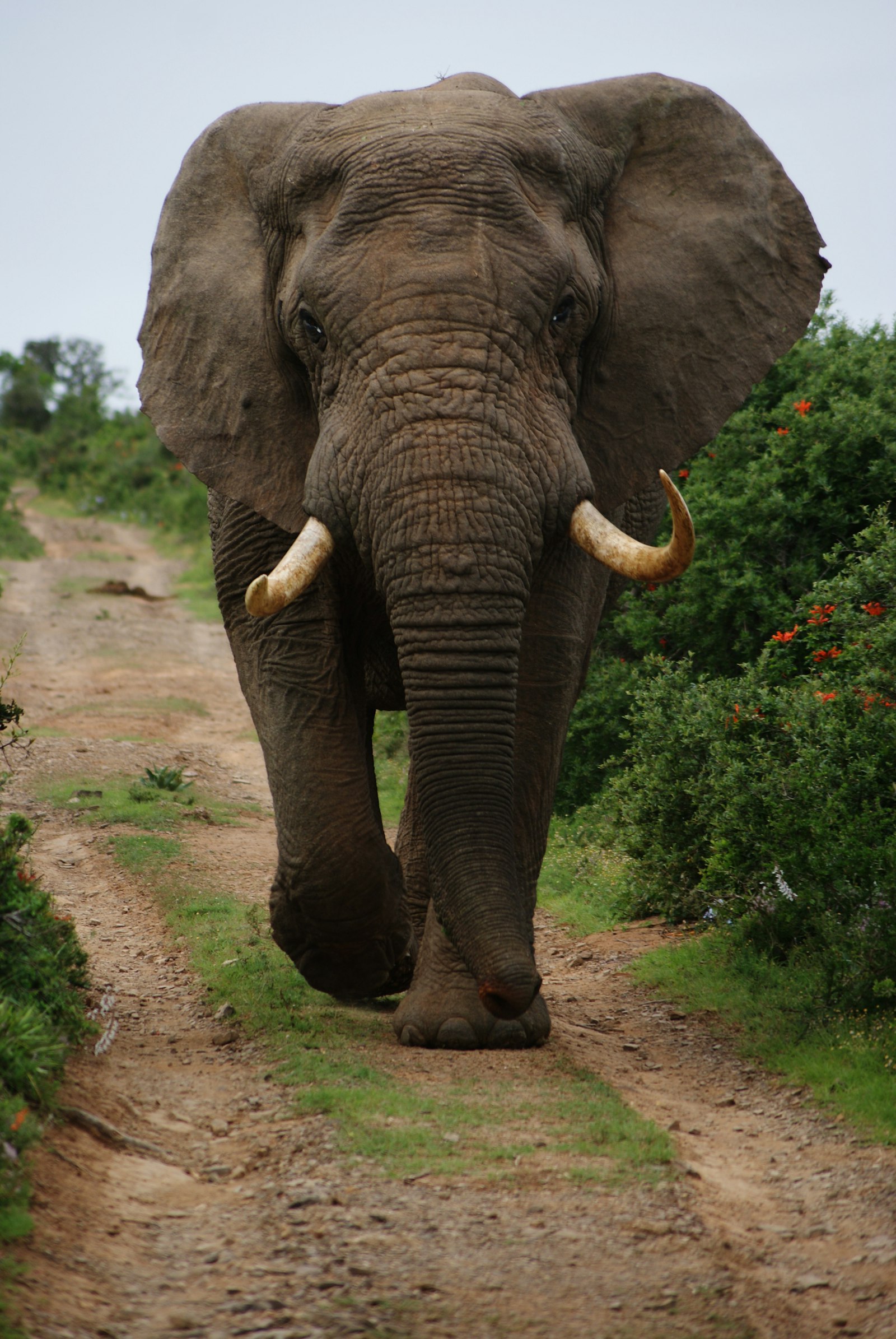
- Elephant: very likely, often dusted red from the volcanic soil.
- Buffalo, zebra, giraffe and impala: very likely.
- Hippo and crocodile: almost certain at Mzima.
- Lion: fair; Tsavo lions are often short-maned and hard to find in dense bush.
- Leopard and cheetah: fair to low.
- Black rhino: low to fair, and only inside the fenced Ngulia Rhino Sanctuary; sightings are never guaranteed.
- Specialists: lesser kudu, fringe-eared oryx, gerenuk, klipspringer and dik-dik reward patient guides.
Birding is outstanding, with about 600 species recorded in Tsavo West National Park according to KWS. Hornbills, starlings, weavers and raptors are everywhere, and Lake Jipe adds waterbirds. Ngulia is also known to ornithologists for its long-running bird ringing studies of Palearctic migrants that pass through on misty nights late in the year.
Things to Do in Tsavo West National Park
The best things to do in Tsavo West National Park are game drives, the Mzima walk, exploring the Shetani lava and caves, visiting the rhino sanctuary and enjoying the viewpoints.
Game drives and viewpoints
Drives here are about landscape as much as animals. Climb to Poacher’s Lookout and the Roaring Rocks for huge views across the plains, and on a clear morning you may see Kilimanjaro to the west. Chaimu Hill, a lone volcanic cone, and the Five Sisters hills make striking backdrops for photographs.
Ngulia Rhino Sanctuary
This fenced sanctuary below the Ngulia Hills protects a growing population of endangered black rhinos. Drive the sanctuary roads slowly in the early morning or late afternoon, look at waterholes and scan the bush edges. Rhinos are shy here, so treat any sighting as a gift.
Lake Jipe and the south
Lake Jipe straddles the Kenya–Tanzania border in the far south of Tsavo West National Park. It is remote and quiet, with good birding and wide views to the Pare Mountains in Tanzania. It suits travellers with extra time who want to feel truly off the beaten track.
Tsavo West National Park Rules and Safety
In Tsavo West National Park, stay in the vehicle except at marked sites, keep to the roads, respect gate times and follow your ranger at Mzima and Shetani.
- Stay on the roads: off-road driving damages fragile volcanic soils and is not permitted.
- Get out only at designated sites such as Mzima, Shetani caves, Poacher’s Lookout and picnic areas.
- Gate times: plan to be at your lodge or out of the park by dusk; follow your guide’s timings.
- Keep your distance from elephants and buffalo, and never feed animals.
- No drones without authorisation; read our guide to drone rules in Kenya’s national parks.
- Bring water and sun protection; it is hot, and distances between facilities are long.
The park is safe for visitors on a guided safari. Check current advice on the UK government’s Kenya travel advice page before you go, and make sure your travel insurance covers medical evacuation.
Expert tip from our Nairobi team: Tsavo is big, and the best areas are spread out. Agree a plan with your guide each evening, so you reach Mzima or the rhino sanctuary at the right time of day instead of crossing the park in the midday heat.
How Many Days Do You Need in Tsavo West?
Two nights in Tsavo West National Park is ideal for most travellers, and three to four nights lets you add Tsavo East or Amboseli.
One night works on a route between Nairobi and the coast, but you will only see the highlights near Kilaguni and Mzima. Two nights gives a full day for the springs, the Shetani lava and the rhino sanctuary. Our guide to how many days you need in Tsavo covers both parks together.
Where to Stay and What to Pack
Accommodation in Tsavo West National Park ranges from classic lodges overlooking waterholes to tented camps and simple KWS bandas and campsites.
Lodges and camps listed by KWS include Kilaguni Serena Safari Lodge, Ngulia Safari Lodge, Finch Hatton’s, Severin Safari Camp and Voyager Safari Camp, plus KWS self-catering bandas and public campsites at Kamboyo and Chyulu. Kilaguni’s waterhole is a favourite for watching elephants from the terrace. Choosing between styles? Read our tented camp vs lodge guide. A full guide to the best Tsavo West lodges is coming soon in our luxury lodges series.
What to pack for Tsavo West National Park
- Sturdy closed shoes for the lava paths at Shetani and Mzima
- Light, neutral clothing, a wide-brimmed hat and strong sunscreen
- A torch for the Shetani caves
- Binoculars for birds and rhinos in the bush
- Insect repellent and any malaria medication your doctor advises
- A reusable water bottle; single-use plastic bags are banned in Kenya
Combining Tsavo West with other parks
Tsavo West National Park combines well with Tsavo East, Amboseli and the Taita Hills, and is the natural safari stop between Nairobi and the beach. Read our new Amboseli National Park guide, our Tsavo vs Amboseli comparison and our guide to the Taita Hills and Salt Lick.
Sample 3-Day Tsavo West National Park Itinerary
This road itinerary from Nairobi is a good first visit to Tsavo West National Park and can easily end at the coast instead.
- Day 1, Nairobi to Tsavo West: leave Nairobi early on the Mombasa road, enter at Mtito Andei gate, lunch at your lodge and drive to Poacher’s Lookout or a waterhole in the afternoon.
- Day 2, springs, lava and rhinos: morning walk at Mzima and the underwater hippo chamber, then the Shetani lava and caves; afternoon drive in the Ngulia sanctuary.
- Day 3, onward or home: an early game drive, then continue to Tsavo East or the coast, or return to Nairobi.
Book it as part of our Tsavo East and West Safari, our Tsavo and Amboseli safari from Mombasa or our family safari and beach holiday. All our Tsavo safari options are private; prices depend on season, lodge and group size, so message us for a quote.

Tsavo West National Park FAQs
How much is the Tsavo West entry fee in 2026?
Since October 2025, KWS charges non-resident adults USD 80 and children USD 40 per day for Tsavo West. East African citizens pay KES 1,000 per adult and Kenya residents KES 1,350. Children aged 5 and under enter free, and fees are paid online through eCitizen rather than in cash.
What is Tsavo West National Park famous for?
Tsavo West is famous for the springs at Mzima, where you can watch hippos and fish from an underwater chamber, the Shetani lava and caves, and the Ngulia sanctuary for black rhino. It is also known for the 1898 man-eating lions of Tsavo and dramatic volcanic scenery.
What is the difference between Tsavo East and Tsavo West?
The two parks are separated by the Nairobi to Mombasa road and railway. Tsavo West is hillier and volcanic, with springs, lava flows and a rhino sanctuary. Tsavo East is flatter and more open, known for red-dusted elephant herds, Lugard Falls and Mudanda Rock. Each park charges its own entry fee.
How far is Tsavo West from Nairobi?
Mtito Andei gate is about 240 km from Nairobi along the Mombasa highway, according to KWS, and usually takes 4 to 5 hours by road. You can also take the SGR Madaraka Express train to Mtito Andei station and meet your safari vehicle there, which many travellers find more relaxing.
Can you see rhinos in Tsavo West?
Yes, but only with luck. Black rhinos live in the fenced Ngulia sanctuary inside Tsavo West, where the population is growing. The bush is thick and rhinos are shy, so sightings are possible rather than likely. For more reliable rhino viewing, add Lake Nakuru or Ol Pejeta to your trip.
Is Tsavo West worth visiting?
Yes, if you enjoy scenery, space and fewer vehicles. Tsavo West offers volcanic landscapes, Mzima and good elephant viewing, and it sits conveniently between Nairobi, Amboseli and the coast. It is less about big-cat action than the Masai Mara, but many travellers love its wild, uncrowded feel.
How many days should I spend in Tsavo West?
Two nights is ideal, giving one full day for Mzima, the Shetani lava and the Ngulia sanctuary. One night suits a stop between Nairobi and the coast. Plan three or four nights if you want to combine Tsavo West with Tsavo East or Amboseli.
🏕 Plan Your Tsavo West Safari With Sense of Adventure
Kenya-based experts. Real local knowledge. Transparent pricing. Tell us your dates and we will plan your Tsavo West National Park days around the springs, the rhino sanctuary and the best light. 💬 WhatsApp Us — Start Planning Today
Call or WhatsApp: +254 799 160 081 · Email: info@senseofadventure.co.ke
Related Safari Guides
- › Amboseli National Park: The Complete Guide
- › Masai Mara National Reserve: The Complete Guide
- › Taita Hills and Salt Lick: Tsavo Gateway
- › Tsavo vs Meru: Two Underrated Big Five Parks
- › Complete List of Kenya National Parks and Reserves
Official travel & park resource: Kenya Wildlife Service ↗ · Tsavo West park page: KWS Tsavo West ↗