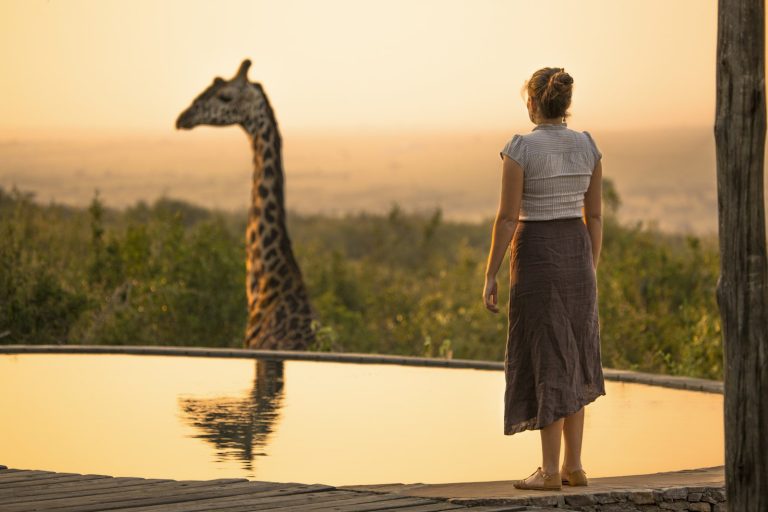

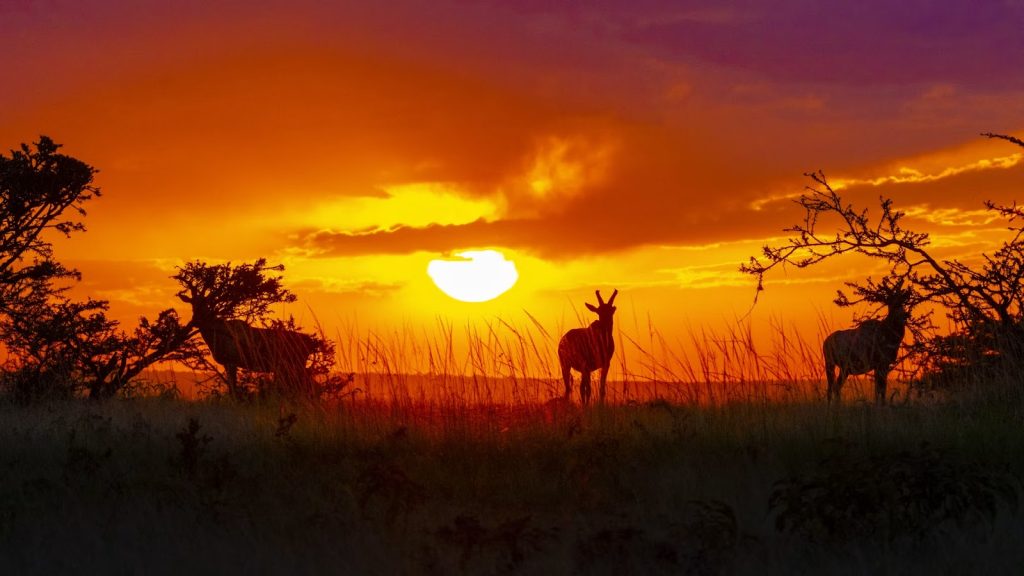
You wake before the light in a tent on the edge of a wooded valley. Somewhere close, a lion is calling, a deep, sawing grunt that rolls across the grass and then stops. Coffee arrives with a lantern. By six you are in an open vehicle, your Maasai spotter wrapped in a red shuka, scanning the ridges as the sky turns pink. There are no other vehicles in sight. Then he lifts a hand: two cheetahs on a termite mound, watching a line of topi in the first sun.
Ol Kinyei Conservancy is a Maasai-owned private conservancy of about 18,700 acres on the north-eastern edge of the Masai Mara, set up in 2005. It offers lions, cheetahs, leopards and the Loita wildebeest calving with very few vehicles, plus night drives and guided walks. Non-residents pay a conservancy fee of about USD 130 per day.
Sense of Adventure is a Nairobi-based safari company licensed by Kenya’s Tourism Regulatory Authority (TRA1/47/C01/77087), and we plan private safaris into the Mara conservancies every month. This guide covers Ol Kinyei Conservancy and its two lesser-known neighbours to the north, Lemek and Enonkishu: what makes each one different, the Maasai families who own the land, 2026 fees, getting there, the best months, honest wildlife odds, rules, how long to stay and a sample itinerary.
✅ Ol Kinyei, Lemek and Enonkishu: The Quick Answer
- Where: Narok County, on the north-eastern side of the Greater Mara, between the national reserve and the Loita Plains; Lemek and Enonkishu lie further north towards the Mara River.
- Best for: Big cats without crowds, off-road sightings, night drives, walking with Maasai guides and community-led conservation.
- Best time: January to March for the Loita calving, July to October for dry-season game; good all year outside the April–May rains.
- Entry fee: Ol Kinyei charges non-residents about USD 130 per person per day (KES 2,500 for residents), usually built into your camp rate.
- How long to stay: Three nights, or four if you add a day in the main reserve.
- Getting there: About 1 hour by light aircraft from Wilson Airport, or roughly 5–6 hours by road from Nairobi via Narok.
🌍 Planning a Safari to Ol Kinyei Conservancy?
Tell us your dates and how you like to travel, and we will check which camps in Ol Kinyei, Lemek or Enonkishu still have space. 💬 WhatsApp Us Now or call +254 799 160 081
What Is Ol Kinyei Conservancy?
Ol Kinyei Conservancy is a community-owned wildlife area in the Greater Mara, where Maasai families lease their land for tourism instead of fencing or farming it.
It was formed in 2005 through a partnership between local Maasai landowners and Gamewatchers Safaris, the company behind the Porini camps, and was one of the first conservancies in the Mara after the early Olchoro Oiroua trust. The Maasai Mara Wildlife Conservancies Association lists it at around 7,500 hectares, while the camp operator describes it as about 18,700 acres. Either way, it is a big, varied piece of country: open plains, rocky ridges, wooded valleys and seasonal streams.
Ol Kinyei sits between the Masai Mara National Reserve and the Loita Plains, and the land is a known corridor for elephants moving through the ecosystem. It borders Naboisho Conservancy, and guests can often drive across into Naboisho on game drives.
Why Ol Kinyei Conservancy is on the IUCN Green List
In 2018, Ol Kinyei Conservancy became one of the first sites in Kenya to join the IUCN Green List of protected and conserved areas, which recognises good governance, sound planning and effective management. That is a rare stamp for land owned by individual families rather than the state, and it is one reason we recommend it to travellers who care where their money goes.
Lemek and Enonkishu Conservancies: The Quiet North of the Mara
Lemek and Enonkishu are smaller, quieter conservancies north of Mara North, where wildlife shares the land with well-managed Maasai cattle.
Lemek Conservancy
Lemek Conservancy grew out of the Koiyaki Lemek Community Wildlife Trust, set up in 1995, and was registered as its own conservancy in 2009. The conservancies association lists it at about 7,000 hectares owned by around 350 Maasai landowners. Just north of Ol Kinyei Conservancy, it is known for good densities of plains game, elephants and big cats, and it feels wilder and less visited than the conservancies closer to the reserve. Accommodation is small and scattered, such as the three-tent Saruni Wild camp, which offers drives, walks and village visits.
Enonkishu Conservancy
Enonkishu Conservancy was started in 2009 by Tarquin and Lippa Wood with neighbouring landowners on a meander of the Mara River at the northern edge of the ecosystem. At roughly 6,000 acres it is small, but it is famous in conservation circles for showing that cattle and wildlife can thrive together.
Here, herders move livestock through planned grazing blocks and use mobile, predator-proof bomas so grass can recover. The Mara Training Centre, opened in 2016 and part of the Savory Global Network, teaches rangeland management to herders from across the region, and the Mara Beef enterprise buys cattle from local families. Visitors stay in a handful of small, family-friendly houses and camps, including House in the Wild on the riverbank.
Expert tip from our Nairobi team: If you love big cats, base yourself in Ol Kinyei. If you want walking, birding, river life and a close look at how Maasai herding and conservation work together, add two nights in Enonkishu or Lemek.
The People of Ol Kinyei: Maasai Landowners, Guides and Rangers
Ol Kinyei Conservancy belongs to Maasai families, and your visit pays them directly for keeping the land open to wildlife.
The Maasai have grazed these plains for centuries, and most landowners still keep cattle, goats and sheep beyond the conservancy core. Each family leases its plot to the conservancy. According to IUCN, landowners are paid for every leased acre and receive a further fee for every occupied bed-night, and around 90 per cent of camp staff come from the local community.
Day to day, Ol Kinyei is run by a conservancy management team and community rangers who patrol against poaching, monitor wildlife and help herders when predators take livestock. Many of the spotters and walking guides are young Maasai men who grew up on this land and read tracks, bird alarms and weather better than any field guide. Their knowledge is a big part of why sightings here feel so personal.
Across the wider Mara, the Maasai Mara Wildlife Conservancies Association supports more than 20 conservancies like Ol Kinyei, Lemek and Enonkishu. Our guide to Maasai culture in Kenya explains how to visit communities with respect.
Ol Kinyei Conservancy Fees for 2026
In 2026, the Ol Kinyei conservancy fee is about USD 130 per non-resident per day and KES 2,500 for Kenya residents, according to the published 2026 rates of the conservancy’s camp operator.
Conservancy fees are not paid at a gate. Your camp collects them and passes them to the landowners and management, so they are usually bundled into a package price or listed as a separate line on your invoice. Porini camps also add a Wildlife Habitat Trust payment of USD 5 per person per night. Lemek and Enonkishu do not publish standard public fees; each camp sets its own conservancy charge, so we confirm it in your quote.
| Fee | Who pays | 2026 rate | Notes |
|---|---|---|---|
| Ol Kinyei conservancy fee | Non-resident | USD 130 per person per day | Usually included in or added to the camp rate |
| Ol Kinyei conservancy fee | Kenya resident | KES 2,500 per person per day | Resident ID or permit required |
| Wildlife Habitat Trust | All Porini guests | USD 5 per person per night | Funds conservation projects |
| Lemek and Enonkishu fees | All guests | Set by each camp | Not published; confirmed in your quote |
| Masai Mara National Reserve | Non-resident adult | USD 100 (Jan–Jun), USD 200 (Jul–Dec) | Only if you visit the reserve |
Fees change, so treat these as a guide and check our full list of Kenya national park entrance fees for 2026. Every quote we send includes all conservancy and park fees, with nothing added on arrival.
How to Get to Ol Kinyei Conservancy
You can reach Ol Kinyei Conservancy by a one-hour flight from Nairobi’s Wilson Airport or by a full day’s drive via Narok.
By air
Scheduled light aircraft fly from Wilson Airport to the Ol Seki airstrip in neighbouring Naboisho in about an hour, and your camp team meets you on arrival. Flights often stop at several Mara airstrips, so allow a little longer. Soft bags and a weight limit of about 15 kg apply; read our guide to safari luggage weight limits on small aircraft.
By road
By road, the route runs from Nairobi down the Rift Valley escarpment to Narok, then on smaller roads into the conservancies. Allow around 5 to 6 hours with a stop, and longer after rain, when the last stretch can be muddy. Driving lets you combine the Mara with Lake Naivasha or Lake Nakuru; see our options for a Kenya safari from Nairobi.
Best Time to Visit Ol Kinyei Conservancy
The best time to visit Ol Kinyei Conservancy is January to March for the Loita wildebeest calving and July to October for dry, open game viewing.
Ol Kinyei is the northernmost calving ground of the Loita migration, a smaller herd that moves between the Loita Plains and the Mara. Herds can reach Ol Kinyei Conservancy from January, with calving in February and March, which draws lions, cheetahs and hyenas. From July to October the main Serengeti herds are usually in the national reserve, but resident game in the conservancies stays excellent and the crowds stay away.
| Month | Weather | Wildlife highlights | Our view |
|---|---|---|---|
| January–February | Warm and mostly dry | Loita herds arriving; predators active | Excellent and good value |
| March | Warm, first rains likely | Calving and young animals | Very good |
| April–May | Long rains | Lush grass; harder to see small cats | Some camps close; best rates |
| June | Cool and drying | Resident game; grass starting to shorten | Quiet and rewarding |
| July–October | Cool mornings, dry | Great Migration nearby in the reserve; top game viewing | Peak season; book early |
| November | Short rains | Green landscapes, migrant birds | Good value |
| December | Mostly dry, some showers | Resident game; festive season | Busy over Christmas |
For temperatures and rainfall across the country, see our best time to visit the Masai Mara guide.
📅 Get a Free, No-Obligation Safari Quote
Send us your travel month and group size, and we will reply with a clear plan for Ol Kinyei, with every fee and transfer included. ✉ Send Us Your Dates on WhatsApp
Wildlife in Ol Kinyei Conservancy: Honest Sighting Odds
Ol Kinyei Conservancy is one of the best places in Kenya for lions and cheetahs, with leopards seen regularly, but rhinos are not part of the picture here.
- Lion: very likely. The camp operator reports two resident prides, and IUCN has noted one of the highest lion densities in the region.
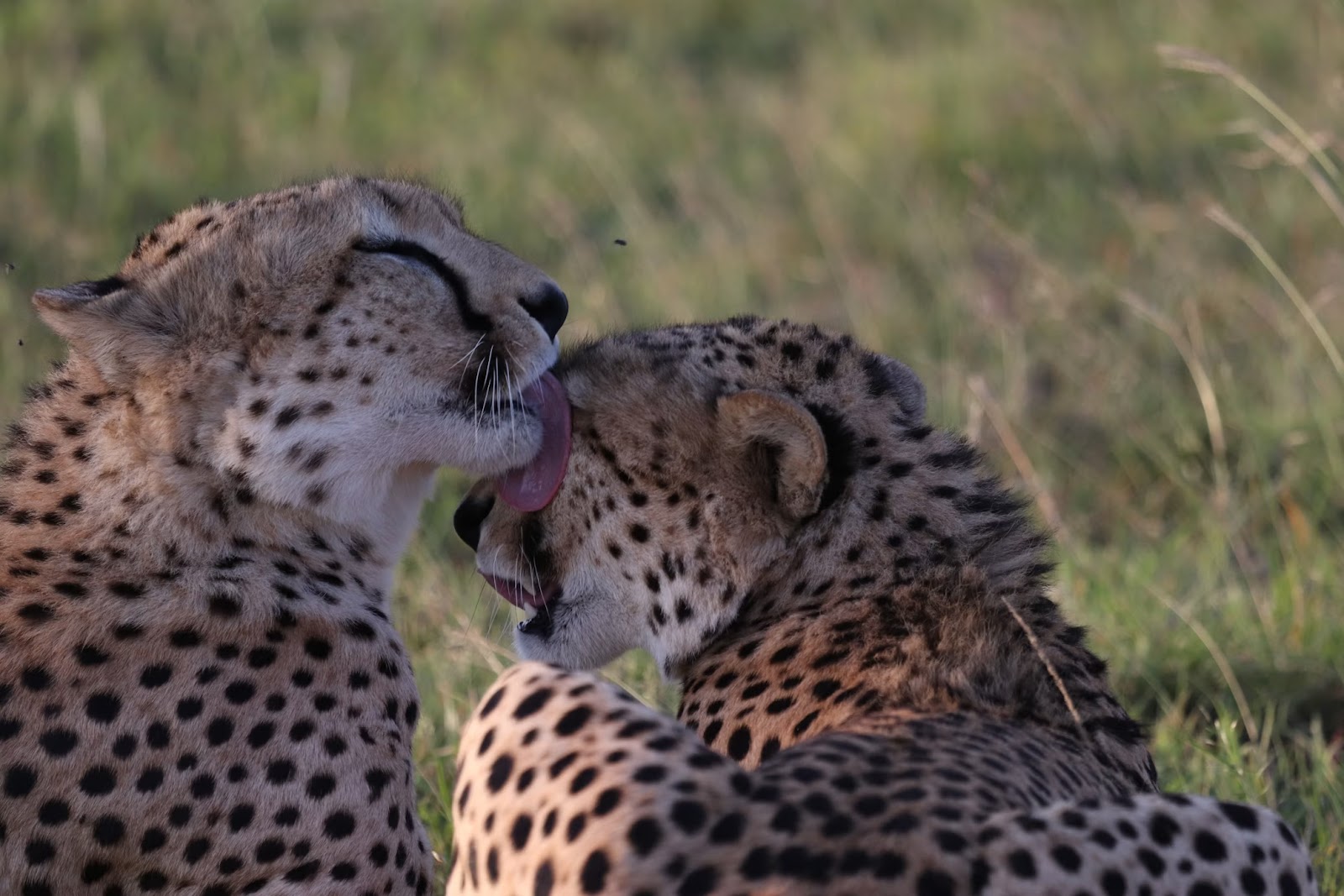
- Cheetah: good. Mothers with cubs use the open plains, and the Mara conservancies are a stronghold for the species.
- Leopard: fair to good, especially along wooded valleys and rocky ridges, and on night drives.
- Elephant and buffalo: likely; elephants move through on a known corridor.
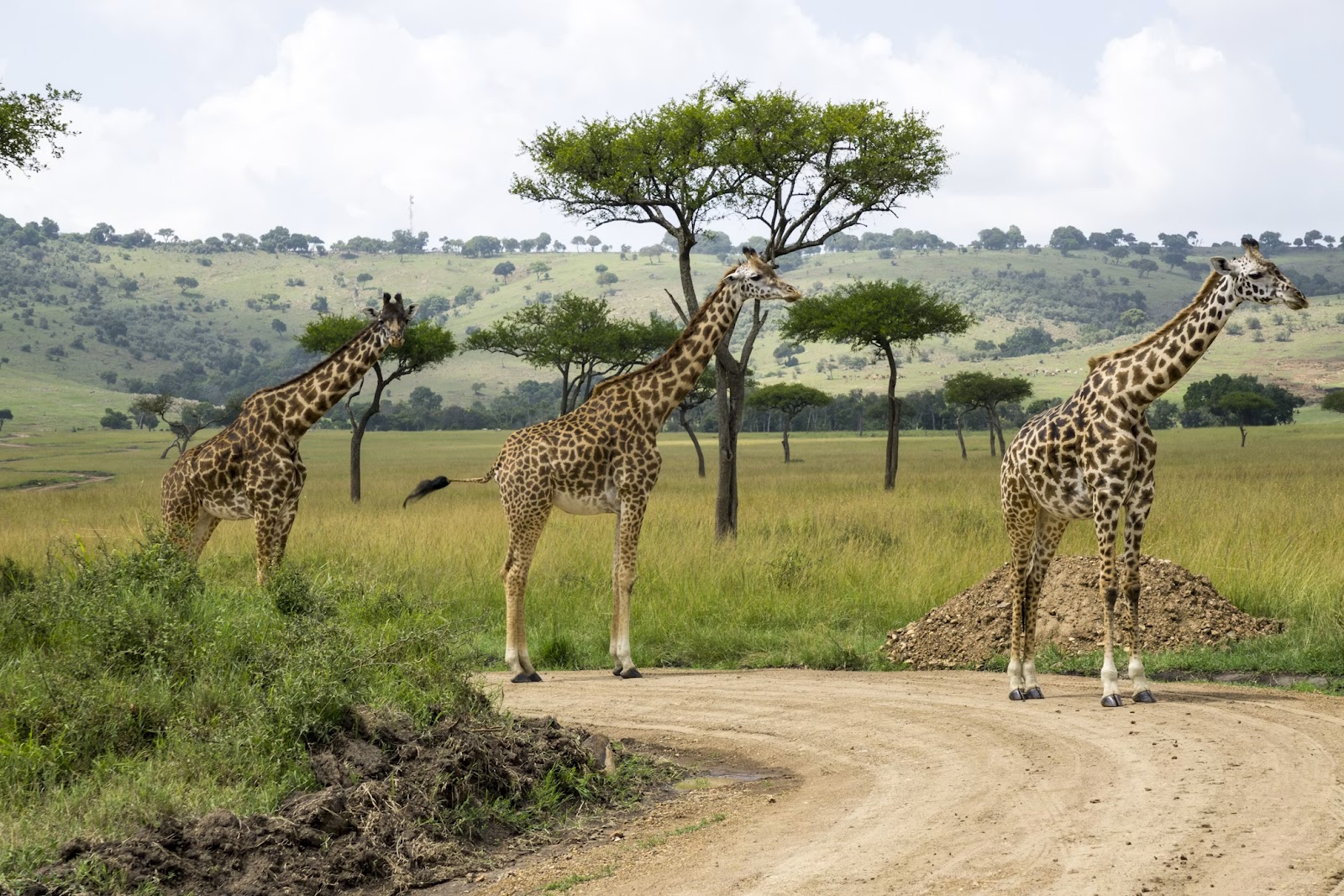
- Giraffe, zebra, topi, eland, impala and gazelles: almost certain.
- Wildebeest: seasonal; best from January to March with the Loita herds.
- Hippo and crocodile: likely on the Mara River at Enonkishu; not a feature of Ol Kinyei itself.
- Black rhino: very unlikely; plan Ol Pejeta or Lake Nakuru if rhino is a must.
After dark you may see spotted hyena, bat-eared fox, genet, white-tailed mongoose, bushbaby and, with real luck, aardvark or serval. More than 300 bird species have been recorded in Ol Kinyei, from secretary birds and ground hornbills to Rüppell’s vultures. For a wider view of cat country, read our guide to the best national parks for cheetahs in Kenya.
Things to Do in Ol Kinyei, Lemek and Enonkishu
The best things to do here are off-road game drives, night drives, guided bush walks, bush meals and visits to Maasai communities.
Game drives and night drives
In Ol Kinyei Conservancy, guides may leave the track for a sighting, and only a small number of vehicles operate at once, so you can sit with a cheetah family for an hour without anyone else arriving. Night drives use red-filtered spotlights to reduce disturbance. Our guide to night drives on safari explains what to expect.
Walking safaris with Maasai guides
Bush walks with an armed ranger or trained walking guide and a Maasai tracker are available in all three conservancies. You learn to read footprints, dung and plants, and you feel the land in a way no vehicle allows. Read our honest answer to is a walking safari safe? before you go.
Bush breakfasts, sundowners and community visits
In Ol Kinyei Conservancy, camps set up breakfasts in the bush and sundowners on the ridges, and can arrange visits to a nearby Maasai homestead or school. In Enonkishu, you can learn about planned grazing and the Mara Training Centre. Balloon flights are not based in these conservancies, but camps can arrange a flight over the reserve with an early transfer.
Ol Kinyei Conservancy Rules and Safety
Ol Kinyei Conservancy is safe for guided visitors, and its rules exist to protect both wildlife and the landowners who host you.
- Stay with your guide: walking is only allowed on organised walks with a ranger or walking guide.
- Respect vehicle limits: sightings are shared by radio between a small number of vehicles, and guides keep a respectful distance.
- Off-road with care: off-road driving is a privilege for sightings, not for chasing animals; guides avoid wet ground.
- Ask before photographing people: always ask Maasai hosts before taking a picture.
- No drones without permission: do not fly a drone unless your camp has confirmed it in writing; see our drone rules guide.
- Camps are unfenced: after dark, an askari will walk you to and from your tent.
Before a trip to Ol Kinyei Conservancy, check current advice on the UK government’s Kenya travel advice page, and take travel insurance that covers medical evacuation.
Expert tip from our Nairobi team: Pack layers. Mornings on an open vehicle in the Mara conservancies can be cold, especially from June to August, and night drives are colder still.
How Many Days Do You Need in the Mara Conservancies?
Three nights in Ol Kinyei Conservancy is ideal for most travellers, with a fourth night if you want a day in the main reserve.
Two nights gives you a taste, but conservancy days are slower and richer: a dawn drive, a walk, a long lunch, then an evening drive and a night drive. Three nights allows a full day with a cheetah family or a pride. Splitting four or five nights between Ol Kinyei and Enonkishu or Lemek shows you two very different sides of the Mara. Our guide to the Masai Mara reserve vs conservancies helps you weigh the trade-offs.
Where to Stay in Ol Kinyei, Lemek and Enonkishu
Accommodation in Ol Kinyei Conservancy is limited to a few small, eco-friendly camps, and the conservancy is reserved for their guests.
According to the operator, Ol Kinyei has three places to stay: Porini Mara Camp, Porini Cheetah Camp and the Porini Ol Kinyei Safari Cottages, with low guest density of roughly one tent for every 700 acres. In Lemek you will find small camps such as Saruni Wild, and in Enonkishu, family-friendly houses such as House in the Wild on the Mara River. None of these are large hotels, so space goes quickly in peak months.
For the most famous conservancies next door, see our guides to Naboisho Conservancy camps and Mara North Conservancy camps, and our comparison of Mara North vs Naboisho vs Olare Motorogi.
What to pack for Ol Kinyei Conservancy
- Warm fleece and a windproof jacket for early drives and night drives
- Neutral-coloured clothing and comfortable walking shoes for bush walks
- Binoculars, and a camera with a zoom lens
- A head torch for walking around camp after dark
- Sunscreen, a hat and insect repellent
- A soft duffel bag within the light-aircraft weight limit
Our full Kenya safari packing list covers everything else.
Combining the Mara Conservancies With Other Parks
Ol Kinyei Conservancy pairs well with the Masai Mara National Reserve, the Rift Valley lakes and Laikipia.
Add a full day in the reserve from July to October to look for river crossings; our Masai Mara National Reserve guide explains gates and fees. By road, Lake Naivasha and Lake Nakuru make a natural stop between Nairobi and the Mara. By air, Laikipia is a short hop away for rhinos and walking. See the full list of Kenya’s national parks and reserves for more ideas.
Sample 3-Day Ol Kinyei Conservancy Itinerary
This fly-in plan suits a first visit and can be extended with a reserve day or two nights in Enonkishu.
- Day 1, Nairobi to Ol Kinyei: morning flight from Wilson to Ol Seki, game drive to camp, lunch and rest, then an afternoon drive with sundowners and your first night drive.
- Day 2, on foot and on wheels: dawn walk with a Maasai guide, bush breakfast, a long midday break, then an afternoon drive looking for cheetahs and lions on the plains.
- Day 3, last sightings: early game drive, breakfast at camp and a short drive to the airstrip for your flight to Nairobi or on to the coast.
Our Celebration Safari in a Masai Mara conservancy, Fly-in Masai Mara Luxury Safari and Laikipia and Masai Mara Walking Safari can all be built around Ol Kinyei. Prices depend on season, camp and group size, so message us for a quote, or browse more Masai Mara safari packages.
Ol Kinyei Conservancy FAQs
Where is Ol Kinyei Conservancy?
Ol Kinyei is in Narok County on the north-eastern side of the Greater Mara, between the Masai Mara National Reserve and the Loita Plains. It borders Naboisho Conservancy. The nearest airstrip used by its camps is Ol Seki in Naboisho, about an hour by light aircraft from Wilson Airport in Nairobi.
How much is the Ol Kinyei conservancy fee?
According to the 2026 rates of its camp operator, the Ol Kinyei conservancy fee is USD 130 per non-resident per day and KES 2,500 per Kenya resident per day. It is collected by your camp, not at a gate, and is usually included in your package price or shown as a separate line.
Is Ol Kinyei better than the Masai Mara reserve?
It depends on what you want. Ol Kinyei offers far fewer vehicles, off-road sightings, night drives and walks, which the reserve does not allow. The reserve has the Mara River crossings from July to October. Many travellers stay in a conservancy and add one day in the reserve.
Can you do night drives in Ol Kinyei Conservancy?
Yes. Night drives are one of the main reasons to choose a conservancy. Guides use red-filtered spotlights to reduce disturbance, and you may see hyenas, bat-eared foxes, genets, bushbabies and sometimes leopards. Night drives are not permitted inside the Masai Mara National Reserve itself.
Does the Great Migration reach Ol Kinyei?
The main Serengeti herds usually stay in the national reserve from July to October. Ol Kinyei instead hosts the smaller Loita migration, and is its northernmost calving ground, with herds arriving from January and calving in February and March, which attracts lions, cheetahs and hyenas.
What is Enonkishu Conservancy known for?
Enonkishu is a small conservancy on the Mara River known for combining wildlife with well-managed Maasai cattle through planned grazing and mobile bomas. It hosts the Mara Training Centre, which teaches rangeland management, and suits travellers who enjoy walking, birding, river life and learning how community conservation works.
How many days should I spend in Ol Kinyei?
Three nights is ideal, giving time for morning and evening drives, a night drive and a guided walk. Add a fourth night for a day in the main reserve, or split four to five nights between Ol Kinyei and Enonkishu or Lemek for two different experiences of the Mara.
🏕 Plan Your Ol Kinyei Conservancy Safari With Sense of Adventure
Kenya-based experts. Real local knowledge. Transparent pricing. Tell us your dates and we will match you with the right camp in Ol Kinyei, Lemek or Enonkishu, with every fee and flight included. 💬 WhatsApp Us — Start Planning Today
Call or WhatsApp: +254 799 160 081 · Email: info@senseofadventure.co.ke
Related Safari Guides
- › Masai Mara National Reserve: The Complete Guide
- › Masai Mara Reserve vs Conservancies
- › Naboisho Conservancy Camps
- › Mara North vs Naboisho vs Olare Motorogi
- › Complete List of Kenya National Parks and Reserves
Official travel & park resource: Kenya Wildlife Service ↗ · Mara conservancies: Maasai Mara Wildlife Conservancies Association ↗ · Magical Kenya ↗