
Solo female safari safety in Kenya comes down to the same principle as solo travel anywhere: Kenya is generally safe for travellers who take standard precautions and book with a reputable operator, and its main safari regions have tourism infrastructure genuinely set up for independent guests. That doesn’t mean switching off good judgment — it means knowing which precautions actually matter here.
Solo? We’ll Make Sure You’re Never Really Alone Out There
Message us your dates — solo travellers get the same experienced guide, vehicle and camp network as any group.
Is Kenya Safe for Solo Female Travellers?
Generally, yes — with the same standard precautions that apply to solo travel anywhere in the world. Kenya’s safari tourism industry is well-regulated, and popular regions such as the Masai Mara and Amboseli have tourism professionals well-practised at hosting independent guests. A guided safari, rather than self-drive, is consistently recommended as the safer and more comfortable option for a solo traveller, since it removes navigation, logistics and unfamiliar-road decisions from your plate entirely. Camps and lodges in these areas are genuinely experienced with solo guests, and know how to create a welcoming atmosphere at shared mealtimes without any pressure to socialise.
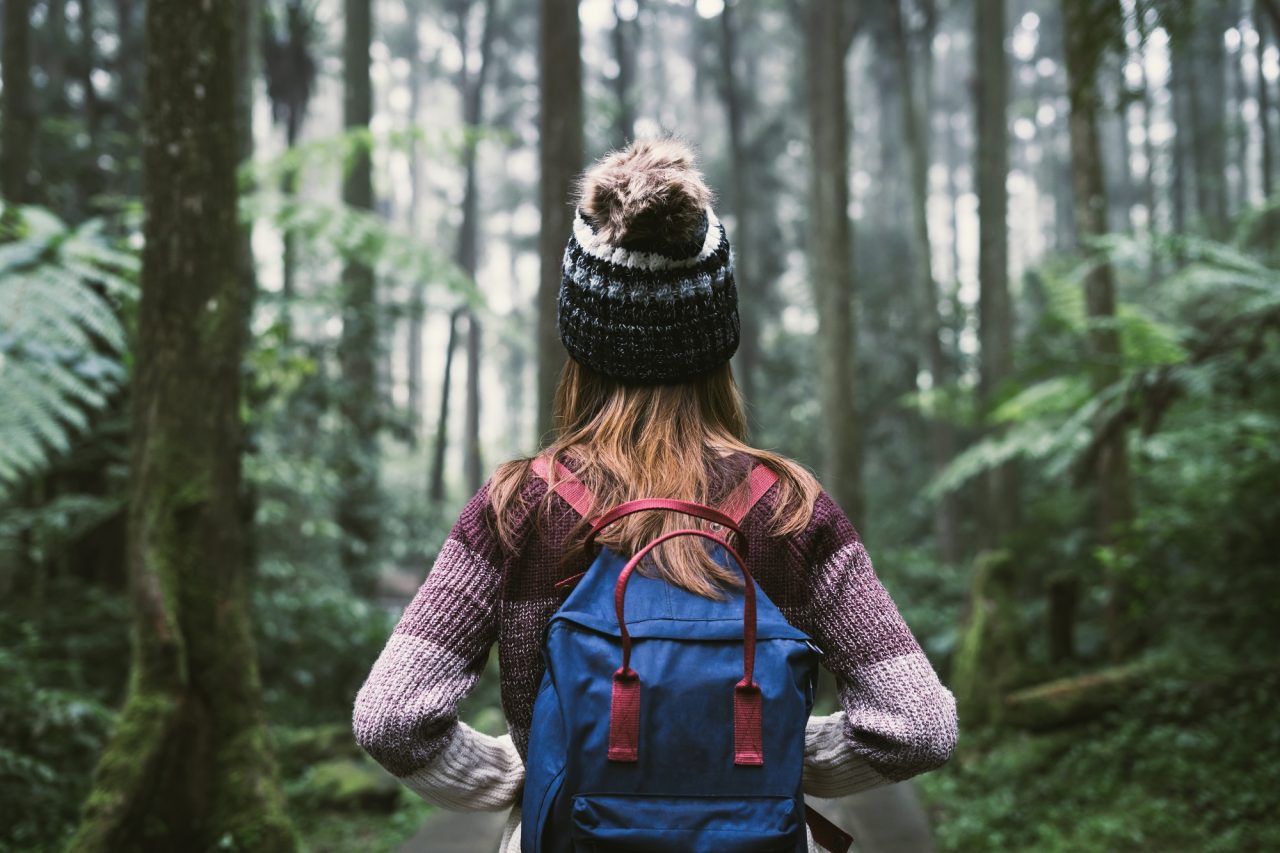
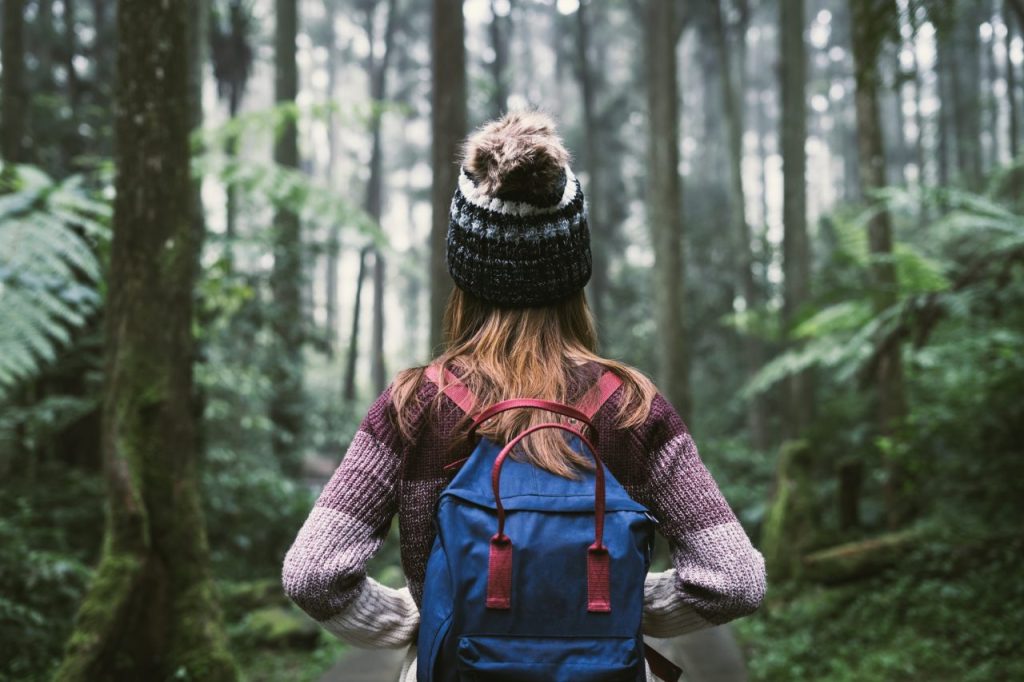
I almost didn’t book because I couldn’t find anyone to go with. Turned out I didn’t need to — our guide treated my questions exactly the same as he would a group’s, and dinner at camp meant chatting with three other solo travellers I’d never have met otherwise.
— Sense of Adventure guest, solo Kenya safari
6 Practical Safety Tips for a Solo Kenya Safari
Book a Guided Safari, Not Self-Drive — the single biggest safety upgrade available to a solo traveller
A professional guide handles navigation, park logistics and unexpected situations, and most camps are set up to welcome solo guests without the awkwardness of an empty second seat.
Stick to Well-Established Safari Regions — Masai Mara, Amboseli, Diani, Watamu and Nanyuki are the standout choices
These regions have mature tourism infrastructure and staff experienced with independent travellers, making them consistently the safest, most solo-friendly parts of the country.
Use Registered Transport in Cities — registered taxis or rideshare apps, never unmarked vehicles
This matters most in Nairobi on your arrival and departure days — avoid walking alone at night in downtown areas, the same precaution that applies in any large city.
Dress Modestly in Coastal & Community Areas — shoulders and knees covered shows respect
Particularly relevant in predominantly Muslim coastal towns and during Maasai or other community village visits, where modest dress is genuinely appreciated.
Choose Accommodation Used to Solo Guests — many camps are genuinely good at this
Well-run lodges and camps regularly host solo travellers and are skilled at creating a relaxed atmosphere at shared mealtimes, without pressuring anyone into socialising they don’t want.
Apply the Same Sense You Would Anywhere — standard precautions, not safari-specific paranoia
Avoid deserted beaches or walking alone after dark, keep valuables secured, and share your itinerary with someone at home — the same baseline habits that apply to solo travel anywhere in the world.
You Won’t Be the First Solo Guest We’ve Hosted
Tell us your dates on WhatsApp — we’ll match you with a trusted small-group or private itinerary built around solo travellers.
Solo Female Safari Safety at a Glance
- Overall: Kenya is generally safe for solo female travellers who take standard precautions and book with a reputable operator.
- Safest regions: Masai Mara, Amboseli, Diani, Watamu and Nanyuki are consistently cited as well-established, solo-friendly areas.
- Best safari style: a guided safari, rather than self-drive, is the recommended choice for solo travellers.
- Transport in towns: always use registered taxis or rideshare apps; avoid walking alone at night.
- Dress: modest coverage (shoulders and knees) is appreciated in coastal towns and during community village visits.
- Accommodation: established camps and lodges are experienced at hosting solo guests and creating a relaxed, low-pressure social atmosphere.
Plan Your Solo Kenya Safari
Our Kenya safari packages work well for solo travellers joining a small guided group, and if you’d rather have the vehicle and itinerary entirely to yourself, ask about a private safari instead. Either way, our booking guide covers exactly what to expect from first enquiry to departure.
Solo Doesn’t Mean Alone Out There
Message us on WhatsApp — we’ll handle every safety detail so you can just enjoy the trip.
Frequently Asked Questions
Is Kenya safe for solo female travellers?
Yes, generally — Kenya is considered safe for solo female travellers who take standard precautions and book with a reputable safari operator, particularly in well-established tourism regions.
Which parts of Kenya are safest for solo travellers?
The Masai Mara, Amboseli, Diani, Watamu and Nanyuki are consistently cited as the most solo-friendly, well-established areas.
Should a solo traveller self-drive or book a guided safari?
A guided safari is the recommended choice for solo travellers — it removes the navigation and logistics burden and puts you with an experienced guide rather than alone in an unfamiliar vehicle.
Will I feel awkward eating alone at camp as a solo traveller?
Not at well-run camps and lodges — most are experienced at hosting solo guests and create a relaxed atmosphere where it’s easy to meet other travellers without any pressure to socialise.
What should I wear as a solo female traveller in Kenya?
Standard safari clothing works fine in the parks; in coastal towns and during community village visits, modest dress covering shoulders and knees is appreciated.