Camping in Tsavo puts you inside Kenya’s largest protected wilderness for a fraction of the cost of a lodge stay. Tsavo East and Tsavo West are run by Kenya Wildlife Service (KWS), which manages two kinds of campsite in each park: public campsites with basic shared facilities, and special campsites reserved for one group at a time. The trade-off for the low cost is a more exposed, hands-on night in the bush than any tented camp offers.
Picture a kettle on the gas stove as the sun drops behind the Ngulia Hills, and a lion calling somewhere beyond the firelight. Sense of Adventure arranges serviced camping in Tsavo for travellers who want that night without organising every detail themselves, and this guide explains how it all works.
✅ Camping in Tsavo: Quick Answer
- Who runs it: KWS manages all official campsites in Tsavo East and Tsavo West; book in advance.
- Two choices: public campsites with shared water and toilets, or special campsites for your group alone with no facilities.
- Fees: a nightly KWS camping fee is charged on top of the USD 80 non-resident park entry fee; check current KWS campsite fees on eCitizen.
- Payment: cashless, through KWS on eCitizen; on our packages park fees are included.
- Safety: campsites are unfenced, so follow ranger advice and keep food out of your tent.
- Easy option: our 3-day Tsavo East & West Safari starts from USD 600 and can be adapted to include camping nights.
Want a night under canvas in Tsavo without packing a tent? We bring the camp and the cook.
Plan My Tsavo CampoutHow Camping in Tsavo Actually Works
Camping in Tsavo means paying two separate things. The first is the normal park entry fee, charged per person for each 24 hours. The second is a nightly camping fee for the site itself. The camping fee only buys you the right to pitch a tent; it does not include equipment, food, firewood or a guide.
Tsavo East and Tsavo West are two separate national parks, divided by the Nairobi to Mombasa highway and railway. Each is gated and ticketed on its own, so a route that crosses from one to the other pays the entry fee again at the second gate. Our Tsavo National Park entrance fees guide explains the full fee structure.
Campsites must be booked in advance with KWS, and payment is cashless, made through the KWS service on eCitizen. Once inside, you must stay on marked tracks, camp only at the site you booked and be at your campsite before dark. KWS gates generally open from 06:00 to 18:00.
Public vs Special Campsites in Tsavo
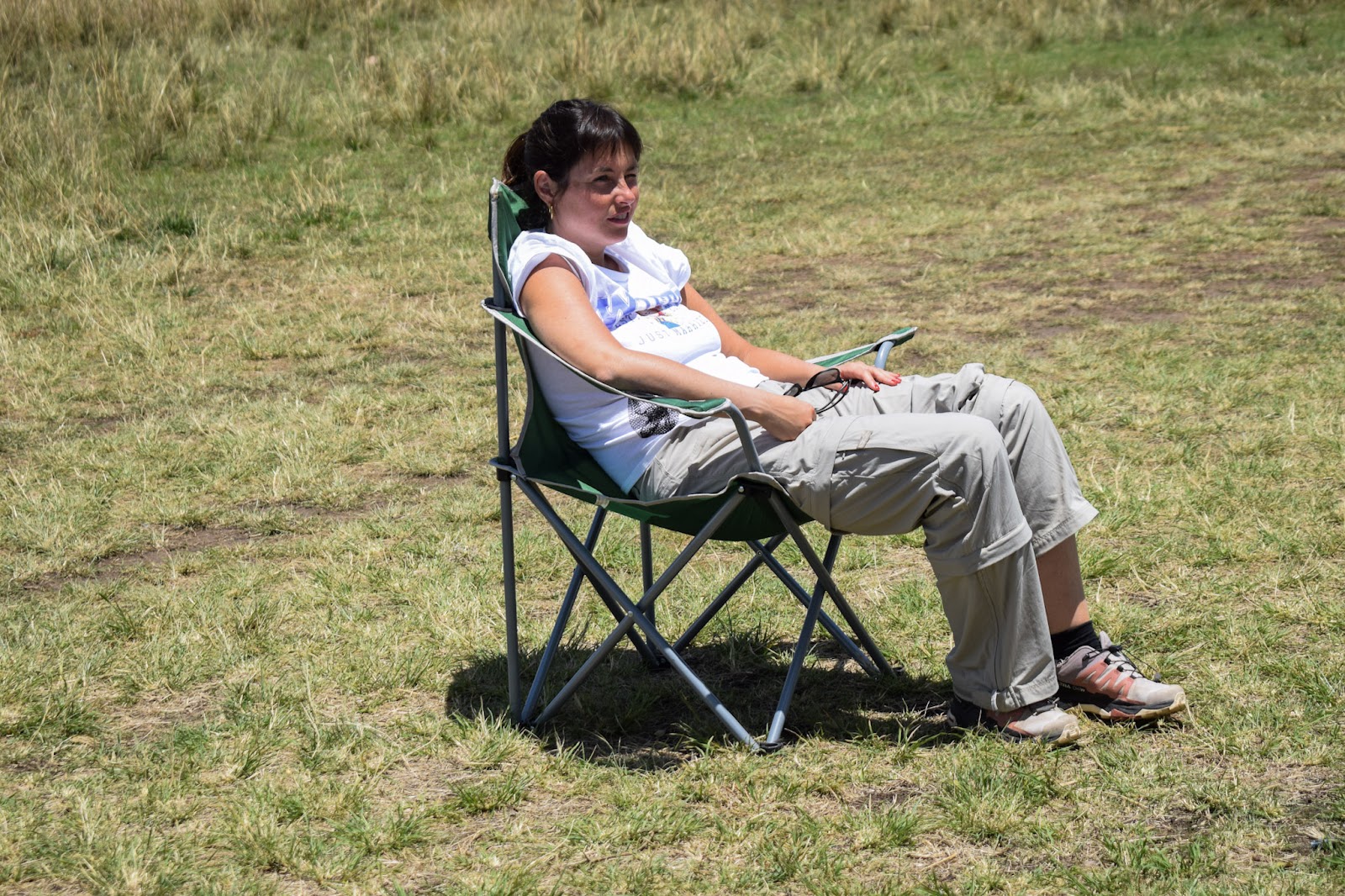
The main decision for camping in Tsavo is which type of KWS site to book. The two suit very different travellers, so think about group size, your gear and how much privacy you want.
Public campsites for camping in Tsavo on a budget
Public campsites provide basic shared amenities, usually water, a toilet or shower block and a cooking area. Several groups can share a site, and they are the lowest-cost way to stay overnight inside the parks. They suit self-drive travellers, overlanders and backpackers who are happy with company and want a simple base for early game drives.
Special campsites for private camping in Tsavo
Special campsites have no facilities and no other groups. You get exclusive, unserviced ground reserved for your party, often in a scenic spot by a river or under large trees. They cost more per night and usually carry a reservation charge, and you must bring everything, including water. They suit private groups, photographers and anyone travelling with a mobile camp crew.
| Feature | Public campsite | Special campsite |
|---|---|---|
| Facilities | Shared water, toilets, cooking area | None: bring everything |
| Privacy | Shared with other groups | Your group only |
| Cost | Lowest nightly KWS camping fee | Higher nightly fee plus a reservation charge |
| Booking | In advance with KWS | In advance, often weeks ahead in peak months |
| Best for camping in Tsavo as | Budget and self-drive travellers | Private groups and serviced mobile camps |
Shared Campsite or Your Own Patch of Tsavo?
Tell us your group size, whether you have your own gear and whether you prefer Tsavo East or West. We will suggest the right campsite type and handle the KWS booking.
Tsavo East or Tsavo West: Where to Camp
Both parks offer camping, but the experience differs. Choosing the right park shapes your whole trip, so it is worth deciding before you book a site.
Camping in Tsavo East
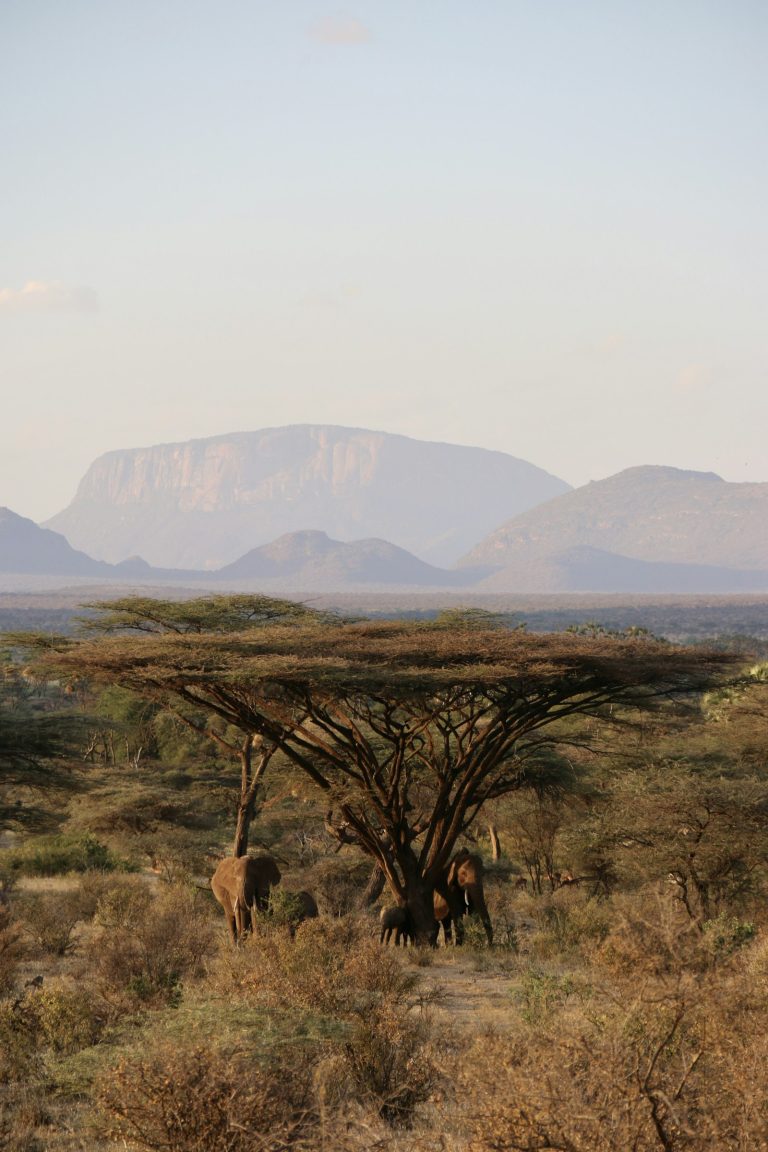
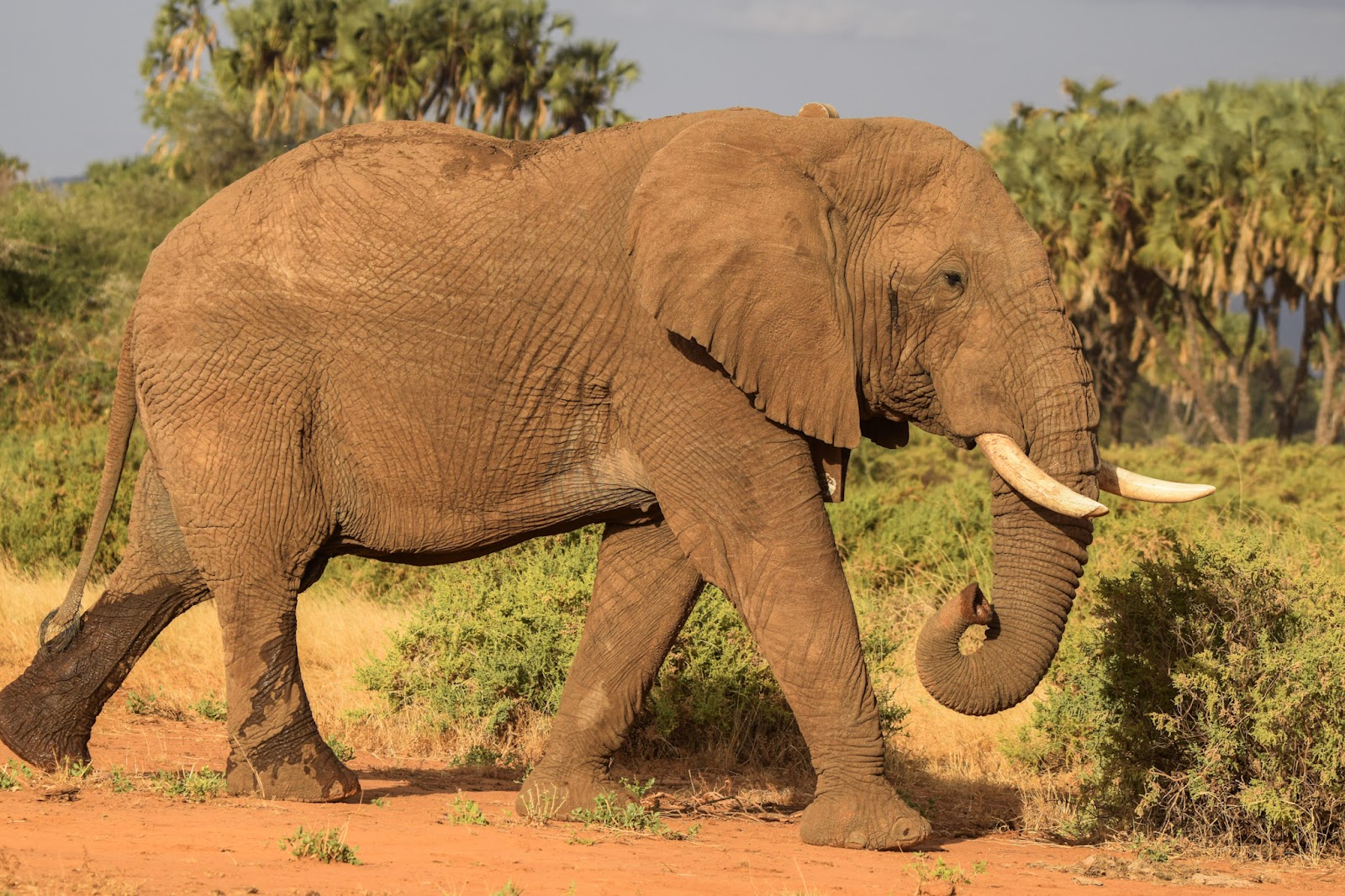
Tsavo East is flat, open and dry, with long views across red-earth plains and the palm-lined Galana River. It is known for its herds of red-dusted elephants, which are easy to spot against the open bush. The landscape suits travellers who want space and solitude, and the Voi side of the park is within reach of the coast.
Camping in Tsavo West
Tsavo West is hillier and greener, with volcanic cones, lava flows and the clear pools of Mzima Springs, where hippos can be watched from an underwater viewing chamber. It also holds the Ngulia Rhino Sanctuary. The scenery is more varied, and the park is a natural stop on a route between Nairobi and Amboseli. Our Tsavo West National Park guide covers its highlights in detail.
Many travellers combine the two. A simple plan is one night in each park, crossing at Mtito Andei, though remember the second entry fee.
Camping in Tsavo: Costs and Fees
The cost of camping in Tsavo has three parts: park entry, the KWS camping fee, and whatever you bring or hire. Park entry is the largest item. Non-resident adults pay USD 80 per 24 hours in either Tsavo East or Tsavo West, and non-resident children aged 3 to 17 pay USD 40. A standard safari vehicle adds a separate entry charge.
Camping fees are charged per person per night on top of park entry, and special campsites cost more than public ones. KWS revised its fees on 1 October 2025, and older figures found online are often out of date. Check current KWS campsite fees on eCitizen, or on the Kenya Wildlife Service website, before you budget.
Equipment is the third cost. You can bring your own tent and stove, hire kit in Nairobi or Mombasa, or book a serviced trip where an operator supplies tents, bedding, meals and a guide. Fuel is a real cost too, as distances inside Tsavo are long.
Get One Clear Price for Your Tsavo Camping Trip
Park entry, camping fees, vehicle and crew can add up in different currencies. Send your dates and we will reply with a written quote that lists every fee.
Request My Camping QuoteDIY Camping or a Serviced Camping Safari?
Camping in Tsavo can be fully independent or fully looked after. This table shows the honest trade-offs.
| Style | What you get | Effort | Best for |
|---|---|---|---|
| DIY KWS campsite | A pitch, plus water and toilets at public sites | High: own 4×4, gear and food | Experienced overlanders |
| Serviced camping safari | Tents, beds, cook, guide and vehicle | Low | First-time campers and groups |
| Private mobile camp | A crew sets up your camp on a special site | Low | Families, photographers, celebrations |
| Lodge or tented camp | En-suite rooms, meals, often a pool | None | Comfort seekers |
If you want canvas without the effort, read our guide to the mobile camping safari in Kenya. If camping turns out not to be for you, our Tsavo lodges and camps guide covers everything from budget tented camps to hilltop lodges.
Best Time for Camping in Tsavo
Weather matters far more under canvas than in a lodge room, so timing is worth planning before camping in Tsavo.
- June to October: the long dry season, with cooler nights, firm tracks and animals gathering near water. This is the most comfortable time for camping in Tsavo, and the busiest.
- January to February: a short, hot dry spell with good game viewing and fewer visitors.
- March to May: the long rains. Black-cotton soil turns to mud, some tracks close and tents need a good groundsheet.
- November to early December: the short rains, usually brief showers with green scenery and migrant birds.
Tsavo is low and warm, so daytime heat is the main challenge rather than cold nights. Pitch in shade where you can. See our best time to visit Tsavo guide for a month-by-month view.
Getting There and Getting Around
Tsavo sits between Nairobi and Mombasa, which makes camping in Tsavo easy to fit into a wider Kenya trip. Mtito Andei Gate, the main entrance to Tsavo West, lies on the main highway roughly halfway between the two cities. Voi, the gateway to Tsavo East, is a few hours by road from Mombasa and the south coast.
The Madaraka Express train between Nairobi and Mombasa stops at Voi and Mtito Andei, so a guide can meet you at the station. You cannot walk between campsites and game areas, so you need a vehicle with good ground clearance, and a 4×4 is essential in the rains. There are very few fuel stops inside the parks, so fill up before you enter. Our Tsavo National Park location guide covers drive times and gates.
Safety Rules for Camping in Tsavo
Camping in Tsavo is safe when you respect a few firm rules. The campsites are unfenced, and lions, elephants, hyenas and buffalo can walk through at night. Tsavo’s lions became famous in 1898 for attacks on railway workers, a story told in our Ghost and the Darkness guide; today, sensible campers are not at risk from them.
- Never keep food in your tent; store it in a locked vehicle or sealed box.
- Zip your tent fully at night and do not walk around after dark without a torch and company.
- Give elephants and buffalo a wide berth, and keep well away from hippos near rivers and springs.
- Light fires only where permitted, and never leave one unattended.
- Follow KWS rangers’ instructions, and hire an armed ranger escort wherever KWS requires one.
- Tell someone your route and return time, as phone signal is patchy.
For more reassurance, read is it safe to sleep in a tent on safari, and check the latest GOV.UK travel advice for Kenya.
What to Pack for Camping in Tsavo
Facilities are basic, and at special sites they do not exist at all. Use this list before camping in Tsavo:
- A sturdy tent with a groundsheet and good ventilation for warm nights.
- A light sleeping bag or sheet liner, plus a warmer layer for the early morning.
- At least 5 litres of drinking water per person per day, plus extra for cooking at special sites.
- A gas stove, cookware and food stored in sealed containers.
- A head torch with spare batteries and a power bank.
- Sun hat, sunscreen, insect repellent and long sleeves for the evening.
- A basic first-aid kit and any malaria tablets your doctor advises.
- Rubbish bags: carry out everything you bring in.
A Sample 3-Day Camping in Tsavo Plan
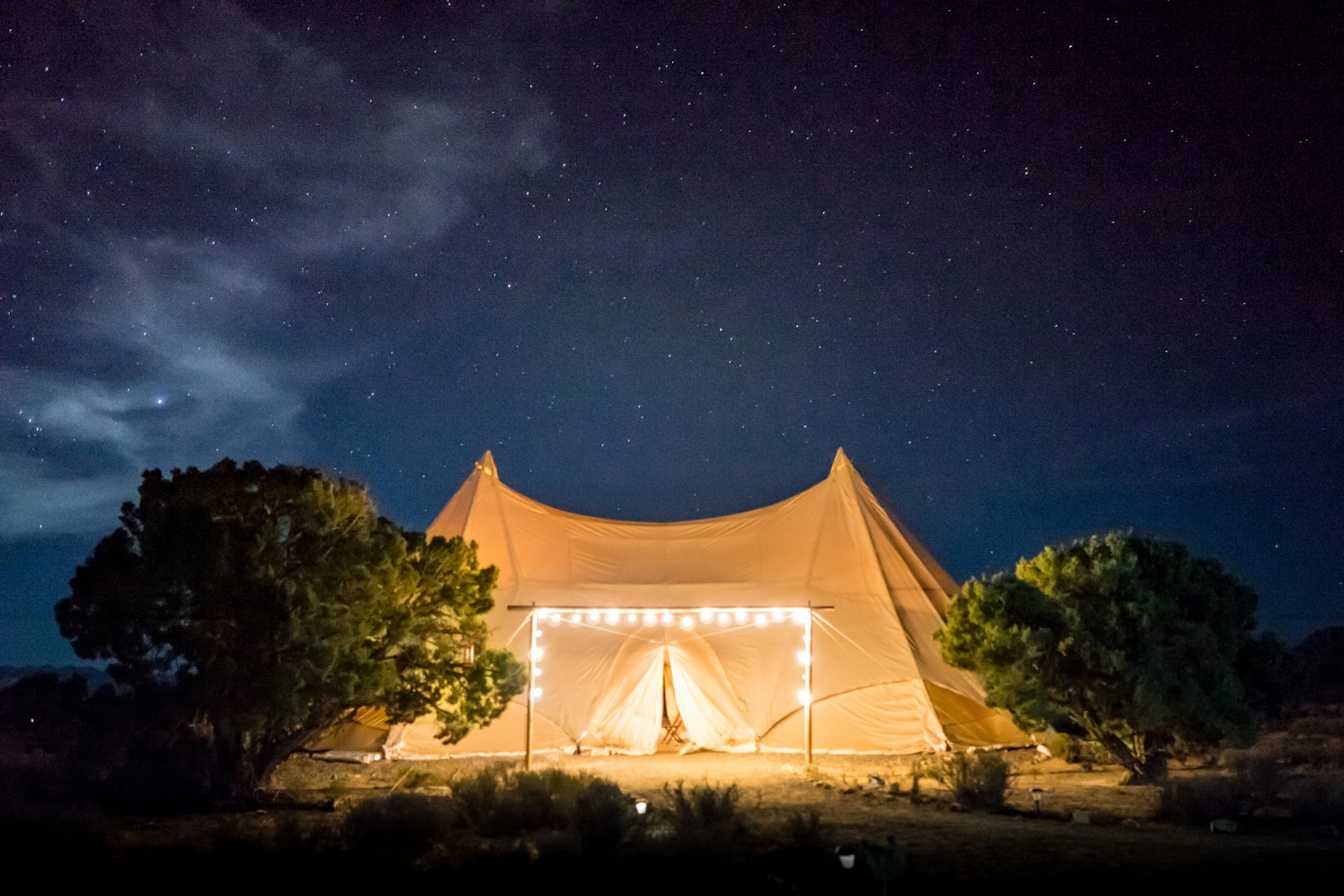
Here is how a short, serviced trip might run. It is a starting point, and we adapt it to your dates and pace.
- Day 1: drive or take the train to Mtito Andei, enter Tsavo West and visit Mzima Springs. Set up camp before dark, with dinner by the fire.
- Day 2: early game drive, then the Shetani lava flow and the Ngulia area. Cross to Tsavo East in the afternoon and camp near the Galana River.
- Day 3: sunrise drive among the red elephants of Tsavo East, then exit at Voi for the coast or the train back to Nairobi.
For a ready-made itinerary, our Tsavo East & West Safari starts from USD 600 and can be adapted to include camping nights. Our how many days in Tsavo guide helps you decide on trip length.
Peak-Season Special Sites Go to One Group at a Time
From July to October and over holidays, the most scenic special campsites are often booked early. Share your dates and we will check what is open before you commit.
Hold My Tsavo DatesCamping in Tsavo Responsibly
Tsavo’s wildlife has recovered from heavy poaching in past decades, and good behaviour by campers helps keep it that way. Leave no rubbish, use existing fire rings, keep noise down after dark and never feed animals, including baboons and monkeys that visit campsites.
Your park fees fund KWS rangers and conservation work across the parks. If you want to see conservation in action, the Sheldrick Wildlife Trust runs elephant reintegration units in Tsavo East, and more information on visiting Kenya’s parks is on Magical Kenya, the national tourism site.
Camping in Tsavo at a Glance
- Managed by: Kenya Wildlife Service, in both Tsavo East and Tsavo West.
- Campsite types: public (shared facilities) and special (one group, no facilities).
- Park entry: USD 80 per non-resident adult per 24 hours, per park.
- Camping fees: charged per person per night on top of entry; check current KWS campsite fees on eCitizen.
- Facilities: basic by design; bring water, cooking kit and full camping gear.
- Best months: June to October and January to February.
Planning Your Tsavo Camping Safari
Camping in Tsavo works well on its own or as part of a longer trip. Pair it with Amboseli on our Tsavo and Amboseli safari, or add a beach stay after a 2-day Tsavo safari from Mombasa.
For a tailored trip with your own vehicle, guide and camp crew, see our private Kenya safari options or a Kenya safari from Nairobi. For camping in other parks, read our guide to camping in Kenya’s national parks.
Fall Asleep to Tsavo’s Lions, Wake to Its Elephants
We handle the KWS bookings, the tents, the cooking and the guiding, so your camping in Tsavo is all firelight and wildlife, not logistics.
Frequently Asked Questions
How much does camping in Tsavo cost?
You pay the KWS park entry fee, USD 80 per non-resident adult per 24 hours in either park, plus a nightly camping fee per person. Special campsites cost more than public ones and carry a reservation charge. KWS revised fees in October 2025, so check current campsite fees on eCitizen before you budget.
Do you need a ranger for camping in Tsavo?
Not always. Public campsites are used without an escort, but KWS may require an armed ranger for some special campsites or activities. Requirements can change, so confirm with KWS when you book. On our serviced trips we arrange any ranger escort that is needed and include it in your quote.
Which is better for camping, Tsavo East or Tsavo West?
Tsavo East is flat and open, with red elephants and long views along the Galana River. Tsavo West is hillier and more varied, with Mzima Springs, lava flows and a rhino sanctuary. Many travellers camp one night in each, but remember that each park charges its own entry fee.
Are camping facilities in Tsavo basic?
Yes. Public campsites usually have water, toilets and a cooking area, while special campsites have no facilities at all. Bring your own tent, drinking water, cooking kit and food, or book a serviced camping safari where the crew supplies everything and sets up camp for you.
Is camping in Tsavo safe?
Yes, when you book properly and follow park rules. The campsites are unfenced, so animals can pass through at night. Keep food out of your tent, stay zipped in after dark and follow ranger advice. If you are new to bush camping, travelling with an experienced guide is strongly recommended.
When is the best time for camping in Tsavo?
The dry months from June to October and January to February are best, with firm tracks, cooler nights and wildlife close to water. The long rains from March to May turn some tracks to mud. Book special campsites early for July to October and holiday periods.
Can I pay camping fees in cash at the gate?
No. KWS parks, including Tsavo East and Tsavo West, are cashless. Park entry and camping fees are paid electronically through the KWS service on eCitizen, by card or mobile money, usually before you arrive. On our packages, park fees are included, so you do not need to pay them yourself.