Kenya weather by month follows a simple pattern: warm and mostly dry from January to March, long rains from late March to May, cool and dry from June to October, and short rains in November and early December. Safaris run all year; the weather mainly changes crowds, prices, road conditions and where the herds are.
Sense of Adventure is a licensed, Nairobi-based safari operator (TRA licence TRA1/47/C01/77087), and we plan trips in every season. This guide explains Kenya weather by month in plain language: what each month feels like on the ground, how it varies between the Masai Mara, Amboseli, Samburu and the coast, how rain affects game viewing, what to pack and how to choose the right month for you.
Table of Contents
✅ Kenya Weather by Month: The Quick Answer
- January–March: warm, sunny and mostly dry; a short dry season with excellent game viewing.
- April–May: the long rains; green, quiet and the lowest prices, with some camps closed.
- June–October: cool, dry and clear; peak season and the usual Great Migration months in the Masai Mara.
- November–early December: the short rains; mostly afternoon showers, fresh green plains and good value.
- Temperatures: altitude matters more than season; safari areas are warm by day and cool at night all year.
- Best month overall: there is no single answer; it depends on what you want to see and your budget.
🌎 Not Sure Which Month Suits Your Trip?
Tell us when you can travel and we will explain honestly what the weather and wildlife will be like. 💬 WhatsApp Us Now or call +254 729 837 481
Kenya Weather by Month at a Glance
The table below summarises Kenya weather by month for the main safari areas in the south and centre of the country, such as the Masai Mara, Amboseli, Lake Nakuru and Nairobi. Figures are typical ranges, not promises: every year is slightly different.
| Month | Rain | Daytime feel | Safari conditions |
|---|---|---|---|
| January | Low | Warm and sunny | Excellent; short dry season |
| February | Low | Warmest month in many areas | Excellent; good value |
| March | Rising late in the month | Warm, more humid | Good; rains often start late March |
| April | High | Mild, cloudy spells | Green and quiet; some roads muddy |
| May | Moderate to high | Mild, easing late month | Lowest prices; some camps closed |
| June | Low | Cool mornings, clear days | Very good; grass still long |
| July | Very low | Coolest month | Peak season; migration usually arrives |
| August | Very low | Cool and dry | Peak season; river crossings likely |
| September | Low | Warming, dry | Excellent; migration usually still present |
| October | Low, rising late | Warm and dry | Very good; herds often start leaving |
| November | Moderate | Warm with afternoon showers | Green, quiet, good value |
| December | Moderate early, lower later | Warm | Good; busy over Christmas |
Our older Kenya weather guide for safari gives a broader overview of the country’s climate zones. This article goes into Kenya weather by month in more detail, so you can match a specific month to your plans.
Understanding Kenya’s Seasons: Two Dry, Two Wet
Kenya sits on the equator, so Kenya weather by month has no real summer or winter; instead the year is shaped by two rainy seasons and two dry seasons. Understanding these four seasons makes Kenya weather by month easy to follow.
- Short dry season (January–March): warm and sunny, with occasional showers.
- Long rains (late March–May): the wettest period, with April usually the peak.
- Long dry season (June–October): cool, dry and dusty by the end.
- Short rains (November–early December): shorter, lighter and less predictable rains.
Altitude is the other big factor. Nairobi lies at about 1,795 metres and the Masai Mara at roughly 1,500 to 2,100 metres, so both are pleasantly warm by day and cool at night. The coast is at sea level and stays hot and humid all year. Northern parks such as Samburu are lower and drier, with hot days in every month.
Day length barely changes, which keeps Kenya weather by month simple to plan around. Sunrise is around 6:15 to 6:45 and sunset around 6:30 to 7:00 throughout the year, so game drive times stay the same whatever the season.
January to March: Warm, Sunny and Mostly Dry
In terms of Kenya weather by month, the first three months are one of the best periods of the year for a safari: warm, mostly dry and quieter than July and August.
January
January follows the short rains, so the plains are often still green while the weather is mostly sunny. Days in Nairobi and the Mara typically reach the mid to high 20s °C, with nights around 12–15 °C. It is a popular month for travellers from Europe and North America escaping winter.
February
February is usually the warmest and one of the driest months. Grass shortens, animals gather near water and visibility is excellent. Across the border in Tanzania’s southern Serengeti, February is the main wildebeest calving month, which is worth knowing if you are considering a Kenya and Tanzania safari.
March
Early March is often still dry and warm, but humidity builds and the long rains usually begin in the second half of the month. It is a good shoulder month: prices start to fall, yet game viewing remains strong.
Expert tip from our Nairobi team: if you want dry-season conditions without peak-season prices and crowds, look closely at late January and February. In many years this window gives the best balance in the whole of Kenya weather by month.
April and May: The Long Rains
In any calendar of Kenya weather by month, April and May bring the long rains, the country’s main wet season, and they are the quietest and best-value months for a safari.
April
April is usually the wettest month in Nairobi and the southern parks. Rain often falls as heavy afternoon or overnight downpours, but full days of rain also happen. Black cotton soil in parts of the Mara and Amboseli can make some tracks slippery, so guides sometimes take longer routes. Easter can bring a short burst of visitors.
May
May is still wet in the first half, then often eases. On the coast, May is typically the wettest month of the year. Some seasonal camps close for maintenance in April and May, while lodges and many camps stay open with their lowest rates. Our honest look at the green season safari in Kenya covers the trade-offs in detail.
Wildlife does not leave during this wettest stretch of Kenya weather by month. Lions, elephants, giraffes, zebras and many antelope are resident, birdlife is superb, and many animals have young. What changes is how easy they are to find in long grass.
June to October: Cool, Dry and Migration Season
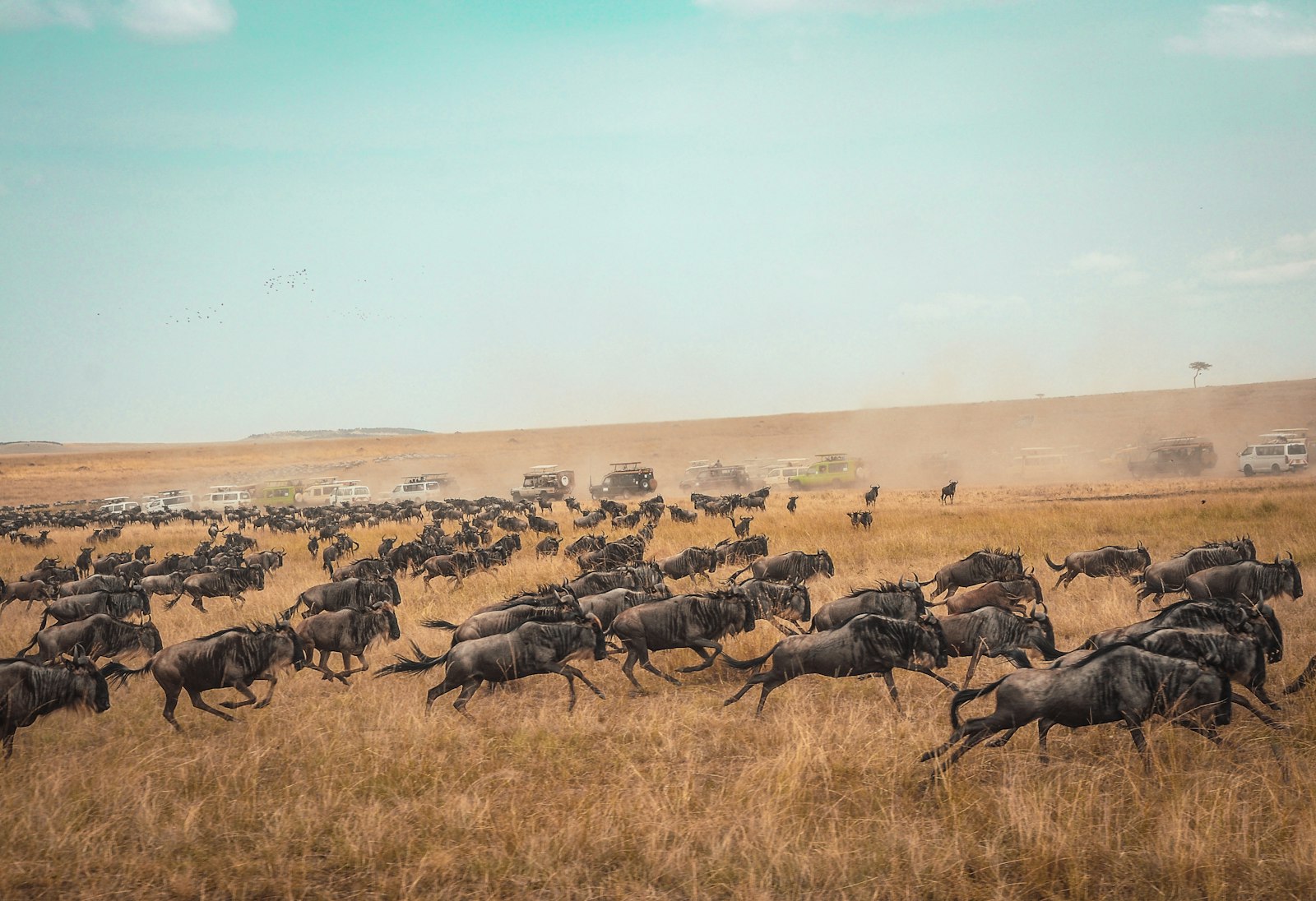
June to October is Kenya’s long dry season and the highlight of Kenya weather by month for most visitors, because dry weather, short grass and the Great Migration usually come together.
June
June is fresh and green after the rains, with cool mornings and clear days. Grass can still be long early in the month. In the Masai Mara, it is one of the last months on the lower January–June reserve fee, which in 2026 was USD 100 per non-resident adult per day.
July and August
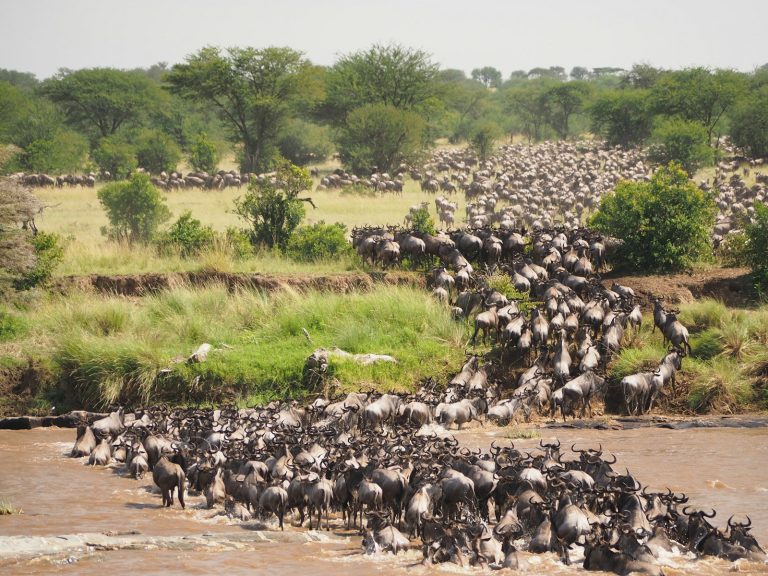
July is usually the coolest month. Nairobi can feel chilly in the early morning, with lows around 10–12 °C, and a game drive at dawn in an open vehicle is genuinely cold. Days are dry and bright. The migration herds usually reach the Masai Mara in July, and river crossings are most often seen from late July into September. The Mara fee rose to USD 200 per day from July in 2026.
September and October
September stays dry and warms up, one of the most reliable months in Kenya weather by month, and the migration is usually still in the Mara. October is warm and dusty, and in many years the herds begin moving back south towards Tanzania. Late October can bring the first showers of the short rains. Remember that the herds follow the grass, not a calendar; read is the Great Migration guaranteed? before fixing your dates.
November and December: The Short Rains
The short rains complete the cycle of Kenya weather by month. They usually run from late October or November into early December and bring lighter and shorter showers than the long rains, and the plains turn green again quickly.
November
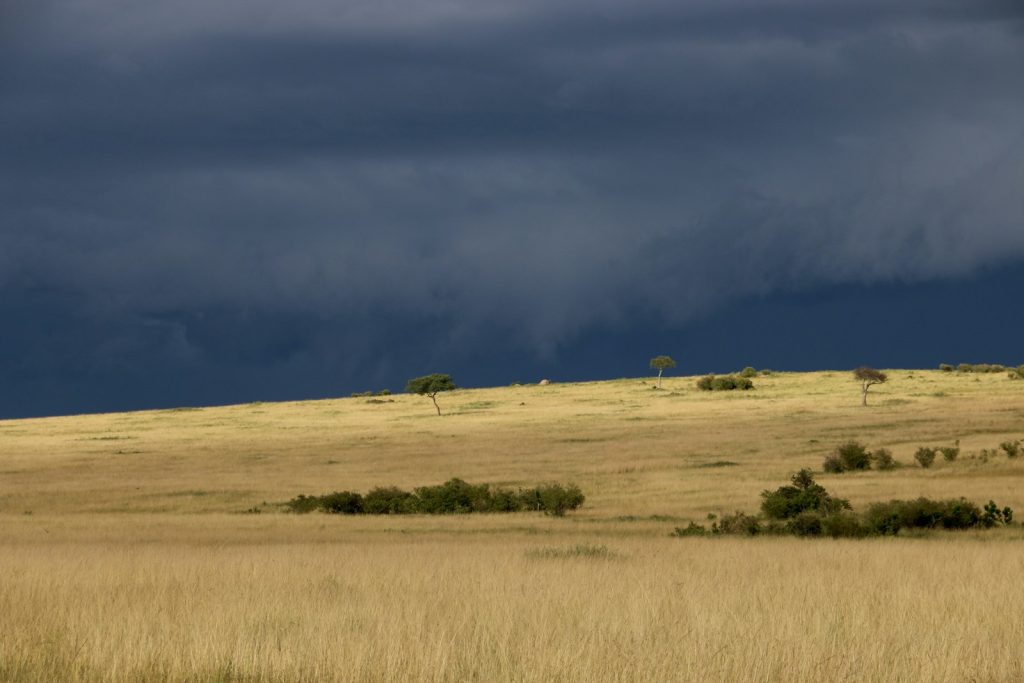
November typically brings afternoon thunderstorms with sunny mornings, which suits early game drives well. It is quiet and good value, and the landscape is fresh and photogenic. Some years are much wetter than others, so a flexible attitude helps.
December
Early December can still be showery, but rain usually eases as the month goes on. From around 20 December to early January, demand and prices jump for the festive season. Our Christmas and New Year safari runs over this period, and camps often set minimum stays.
Expert tip from our Nairobi team: in the rainy months, plan your longest game drives for the morning, when skies are most often clear, and keep the afternoon flexible. Kenya weather by month is a guide to probability, and a guide who adapts the day to the sky makes the biggest difference.
Kenya Weather by Month in Different Regions
Kenya is a large country, and Kenya weather by month varies between regions because of altitude and distance from the ocean. This table compares the areas most safari travellers visit.
| Region | Typical temperatures | Wettest months | Best weather |
|---|---|---|---|
| Nairobi (about 1,795 m) | Days 21–28 °C, nights 10–15 °C | April, November | January–February, June–October |
| Masai Mara (1,500–2,100 m) | Days mid to high 20s °C, cool nights | April–May, November | January–February, June–October |
| Amboseli (about 1,100–1,200 m) | Warm to hot days, mild nights | April, November | June–October, January–February |
| Samburu and the north | Hot days, often above 30 °C | April, November (short and light) | June–October, January–March |
| Mombasa, Diani and Watamu | Hot and humid, about 28–33 °C | May, with showers April–June | December–March, July–October |
Kenya weather by month in Amboseli: Kilimanjaro views
Amboseli is dry for much of the year and dusty by October. Kilimanjaro is most often visible at dawn and late afternoon on clear days, which are more common in the dry seasons. Clouds can hide the mountain in any month, so two nights give you a better chance than one; our 2-day Amboseli safari includes both a sunset and a sunrise drive.
The coast and the far north
On the coast, Kenya weather by month favours a beach extension from December to March and from July to October, when seas are calmer and skies clearer. Samburu stays hot and dry most of the year, and its rains are short, so it is a good option even in shoulder months. See our guide to combining a safari with a beach holiday for timing tips.
How the Weather Affects Game Viewing
Good game viewing is possible in every month, but Kenya weather by month changes how and where you see animals.
- Dry months: short grass and limited water push animals towards rivers and waterholes, so sightings are easier and more predictable.
- Wet months: animals spread out because water is everywhere, and long grass can hide cats, but the light, colours and baby animals are wonderful.
- Birdlife: best from November to April, when migrant birds from Europe and Asia arrive.
- Photography: dust-free air after rain gives crisp images and dramatic skies; dry-season dust adds golden haze.
- Crowds: the Mara is busiest in August; the quietest months are April, May and November.
For the wildlife side of the calendar, see our East Africa wildlife calendar and our guide to the best Masai Mara months by traveller type.
Rain on Safari: What It Really Means
Rain rarely ruins a safari in Kenya; whatever Kenya weather by month predicts, a wet spell usually means a shower that passes in an hour or two, followed by fresh air and good light.
- Vehicles: safari 4x4s with pop-up roofs keep you dry, and guides know which tracks to avoid after heavy rain. Read more about safari vehicles in Kenya.
- Roads and flights: long road transfers can take longer in April and May; light aircraft may be delayed by storms but usually fly the same day.
- Camps: well-run tented camps are built for rain, with raised floors and waterproof canvas. See tented camp vs lodge if you prefer solid walls in the wet season.
- Mosquitoes: they are more active after rain, so take malaria advice seriously; check CDC Travelers’ Health for Kenya and see a travel clinic.
- Insurance: make sure your policy covers weather-related delays; our Kenya travel insurance guide explains what to look for.
Very heavy rain years do happen. When roads flood, safety comes first and itineraries may change. Check the UK government’s Kenya travel advice or your own government’s advice for any weather warnings before you travel.
📅 Get a Free, No-Obligation Safari Quote
Send us your preferred month and we will match it to the right parks, camps and budget, with an honest note on what Kenya weather by month means for your dates. ✉ Send Us Your Dates on WhatsApp
What to Pack for Kenya’s Weather in Each Season
Pack in layers whatever Kenya weather by month brings, because early mornings are cool and middays are warm everywhere except the coast.
Packing checklist by season
- All year: a warm fleece or light down jacket, a hat, sunglasses, high-factor sun cream and neutral-coloured clothes.
- June to August: add a warm hat, gloves and a scarf for dawn drives; it really is cold in an open vehicle at 6:30.
- Rainy months: a lightweight waterproof jacket, quick-dry trousers, a dry bag for cameras and shoes with grip.
- Dry months: a buff or scarf against dust, lip balm and eye drops.
- Coast: light cotton or linen, swimwear, a reef-safe sun cream and modest cover-ups for towns.
Remember the soft-bag luggage limits on light aircraft, often 15 kg. Our full African safari packing list and guide to safari colours cover the details.
The 2026–2027 Outlook: How to Check the Forecast
Kenya weather by month describes the usual pattern, but each season is forecast separately, so check the official outlook a few weeks before you travel.
For October to December 2026, the Kenya Meteorological Department’s seasonal outlook, presented in late August 2026, projected above-average short rains over much of the country, with El Niño conditions strengthening. In practice, travellers in November and early December 2026 should expect more frequent showers than usual, allow extra time on road transfers and pack proper rain gear.
- Check the seasonal forecasts and daily updates at meteo.go.ke.
- Look at your government’s travel advice for any flooding notices.
- Ask your operator how recent rain has affected roads and camps.
- Keep one flexible half-day in longer itineraries for weather delays.
Which Month Is Best for Your Safari?
The best month depends on your priorities, so use this decision table alongside Kenya weather by month.
| If you want… | Best months | Good trip to start with |
|---|---|---|
| River crossings in the Mara | Late July–September | Great Migration Safari |
| Dry weather with fewer crowds | Late January–February | Amboseli and Masai Mara |
| The lowest prices | April–May, November | 3-Day Masai Mara Safari |
| A safari plus beach | January–March, July–October | Kenya Safari and Beach Holiday |
| Family school holidays | July–August, December | Kenya Family Safari |
| Northern Kenya’s special species | June–October, January–March | Kenya Highlights Safari |
Once you know your month, our guides to how far in advance to book a Kenya safari and how many days you need help with the next steps.
Common Myths About Kenya’s Weather
Several ideas about Kenya weather by month put travellers off good dates, so it helps to separate myth from reality.
- “Africa is always hot”: not in the highlands. July mornings in Nairobi and the Mara can be colder than many visitors expect.
- “It rains all day in the rainy season”: usually it does not; most rain falls in afternoon or overnight storms.
- “There is nothing to see outside migration season”: the Mara’s resident lions, elephants and cheetahs stay all year, and the migration is only one part of a Kenya safari.
- “Kenya weather by month is the same every year”: rains can start early, late or not at all, so always check the current forecast.
Kenya Weather by Month FAQs
What is the best month to visit Kenya for a safari?
Kenya weather by month suits different trips, so there is no single best month. July to October offers dry weather and usually the Great Migration in the Masai Mara, but it is the busiest and priciest period. January and February are also dry and warm with fewer visitors. April, May and November are wetter but quieter and cheaper.
What is the rainy season in Kenya?
Kenya weather by month includes two rainy seasons. The long rains usually run from late March to May, with April normally the wettest month. The short rains usually fall from late October or November into early December. Rain often comes as afternoon or overnight storms rather than all-day downpours, so safaris continue.
What is the coldest month in Kenya?
July is usually the coldest month in Nairobi and the highland safari areas. Early mornings can drop to around 10–12 °C, and open game vehicles feel even colder at dawn. Days are still pleasant and sunny. The coast stays warm all year, with temperatures rarely falling much below the mid 20s °C.
Is it worth going on safari in Kenya in April?
Yes, if you value low prices and quiet parks. April is usually the wettest month, so expect some heavy showers, muddy tracks and a few closed camps. In return you get green scenery, baby animals, excellent birdlife and very few vehicles at sightings. Allow extra time for road transfers.
When is the Great Migration in Kenya?
The Great Migration herds usually arrive in Kenya’s Masai Mara around July and stay until about October, with river crossings most often seen from late July to September. Timing changes each year with rainfall in Tanzania and Kenya, so allow at least three nights in the Mara to improve your chances.
Does it rain in Kenya in November?
Yes, November is part of the short rains. Expect afternoon thunderstorms on many days, often with sunny mornings that suit early game drives. Rainfall varies a lot from year to year; for late 2026, Kenya’s meteorological department forecast above-average short rains across much of the country, so pack good rain gear.
What should I wear on safari in July?
Layers are essential in July. Bring a warm fleece or light down jacket, a beanie and gloves for cold dawn drives, then strip down to a T-shirt by midday. Choose neutral colours such as khaki, olive or beige, and pack sun cream and sunglasses, as the sun is strong.
🏕 Plan Your Safari With Sense of Adventure
Kenya-based experts. Real local knowledge. Transparent pricing. We follow Kenya weather by month, and day by day, from Nairobi and will help you choose the month, parks and camps that fit your plans. 💬 WhatsApp Us — Start Planning Today
Call or WhatsApp: +254 729 837 481
Related Safari Guides
- ›Green Season Safari in Kenya: Pros and Cons
- ›How Far in Advance to Book a Kenya Safari
- ›Is the Great Migration Guaranteed?
- ›What Is Included in a Kenya Safari?
- ›How Much Does a Kenya Safari Cost?
Official travel & park resource: Kenya Wildlife Service ↗