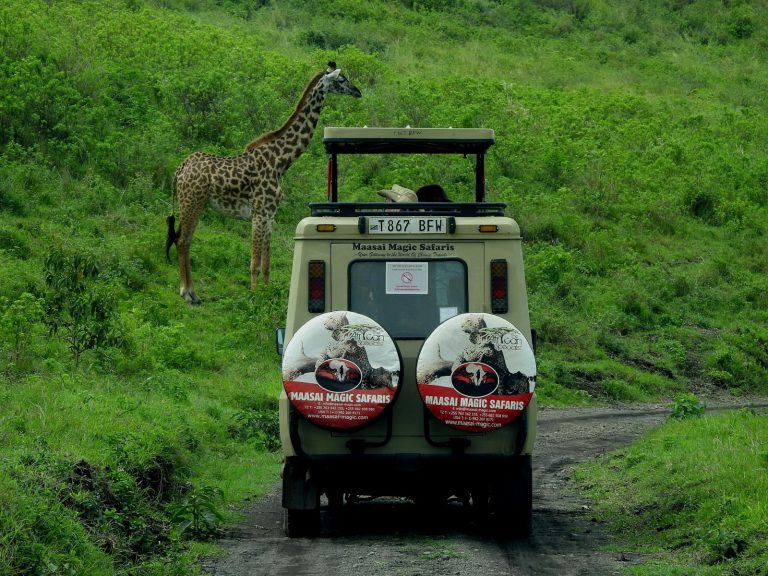

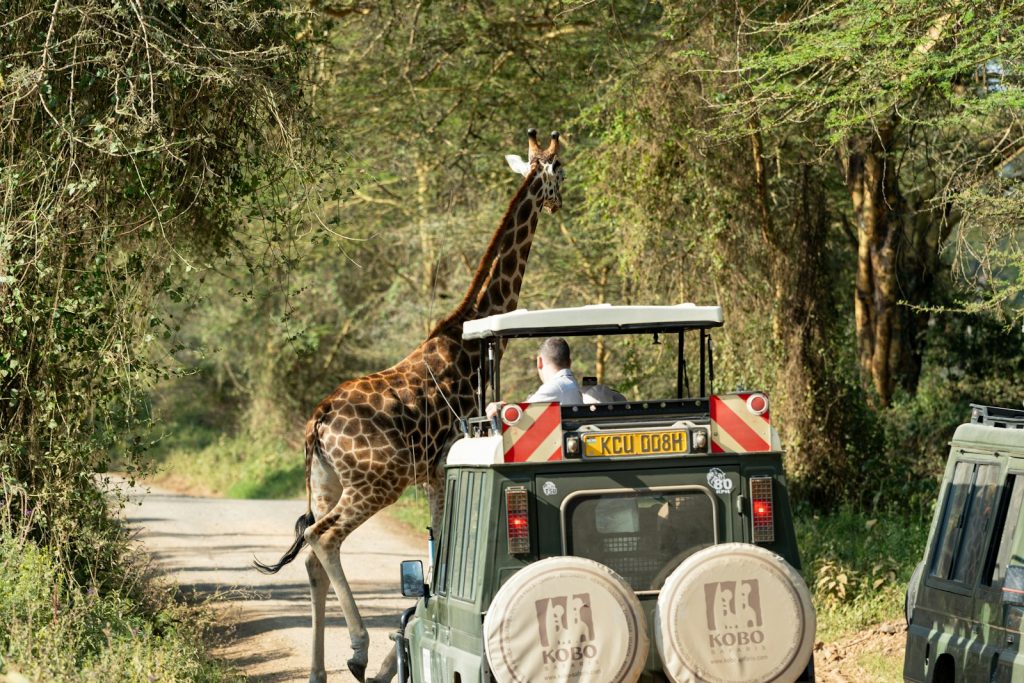
A safari in your 70s is very achievable, and many travellers in their 70s and 80s have the trip of a lifetime in Kenya every year. Most wildlife viewing happens from a vehicle seat, so fitness matters less than planning: shorter transfers, a private vehicle, comfortable camps with few steps, good travel insurance and a relaxed daily pace.
Sense of Adventure is a licensed safari operator based in Nairobi (TRA licence TRA1/47/C01/77087), and we regularly plan trips for older travellers, couples celebrating milestones and three-generation families. This guide covers how to plan a safari in your 70s or 80s, from health and insurance to flights, vehicles, camps, daily pace and sample routes.
✅ Safari in Your 70s: The Quick Answer
- Is it possible? Yes. Game drives need little walking, and most camps are used to older guests.
- Biggest challenges: long bumpy road transfers, steps into vehicles and planes, early starts and heat.
- Best solutions: short light-aircraft flights, a private vehicle, ground-floor rooms and fewer stops with more nights each.
- Health: see your doctor 6 to 8 weeks before travel, carry medication in hand luggage and take malaria advice.
- Insurance: essential; some policies set age limits or charge more for older travellers, so compare carefully and include evacuation cover.
- Best time: the dry months of June to October and January to February are easiest for comfort.
🌎 Planning a Safari for an Older Traveller?
Tell us about your pace, mobility and wish list, and we will suggest a gentle, comfortable route. 💬 WhatsApp Us Now or call +254 799 160 081
Is a Safari in Your 70s Realistic?
Yes, a safari in your 70s is realistic for most reasonably healthy travellers, because the core activity is sitting in a vehicle and watching wildlife.
On a typical day you ride in a 4×4 vehicle for two to four hours in the morning, rest at camp in the middle of the day and go out again in the late afternoon. You do not need to hike, carry bags or drive. Staff take care of luggage, meals and transfers. That is why safaris suit older travellers better than many city holidays, where you may walk for hours on hard pavements.
The physical demands come from other things: getting in and out of a high vehicle, bumpy roads, early starts, sun and heat, and sometimes steps at camps. A safari in your 70s or 80s simply needs to be planned around those points. Our guide to how fit you need to be for a safari explains the demands activity by activity.
Who should take extra care?
Before booking a safari in your 70s, travellers with heart or lung conditions, recent surgery, poorly controlled diabetes, severe joint problems or reduced immunity should talk to their doctor first. Many people with these conditions still travel safely, but they may need a slower route, closer access to medical care or specific insurance cover.
Health Planning for a Safari in Your 70s
Good health planning for a safari in your 70s starts six to eight weeks before you travel, with a doctor or travel clinic who knows your medical history.
- Travel clinic visit: discuss vaccinations, malaria tablets and any interactions with your regular medicines. The NHS fitfortravel Kenya page gives current advice.
- Yellow fever: vaccination is not always advised for older travellers, as the risk of side effects rises with age. Ask your doctor whether you need it or an exemption letter; our guide to Kenya vaccination requirements explains the rules.
- Malaria: much of Kenya, including the main safari parks, has malaria risk. Your doctor can choose tablets that suit your other medicines; see our Kenya safari malaria guide.
- Medication: carry enough for the whole trip plus a few extra days, in original packaging, in your hand luggage, with a copy of prescriptions.
- Blood clots: long flights raise the risk of deep vein thrombosis. Walk around regularly, drink water and ask your doctor about compression stockings. The CDC Kenya traveller health page lists current health advice.
Expert tip from our Nairobi team: write a one-page medical summary with your conditions, medicines, allergies and doctor’s contact, and give a copy to your guide. On a safari in your 70s it saves precious time if you ever need help.
Altitude and climate
Nairobi sits at about 1,700 metres and the Masai Mara at roughly 1,500 to 2,200 metres. This is not high altitude, and most people notice nothing more than slight breathlessness on stairs. Days are warm, mornings can be cold, and the equatorial sun is strong, so pack layers, a wide-brimmed hat and high-factor sunscreen, and drink plenty of water.
Travel Insurance for a Safari in Your 70s or 80s
Travel insurance is essential for a safari in your 70s, and it needs more care than usual because some policies set upper age limits or charge higher premiums for older travellers.
Look for a policy that covers you at your age, declares and accepts your pre-existing conditions, and includes medical evacuation and repatriation. Medical evacuation matters because the best hospitals are in Nairobi, and a sick traveller in the Masai Mara may need to fly there by air ambulance. In Kenya, AMREF Flying Doctors offers evacuation memberships for travellers within East Africa, which some people add on top of their main policy.
- Confirm there is no upper age limit that excludes you, or that your trip falls within it.
- Declare every condition and medicine honestly, or a claim could be refused.
- Check cover for medical evacuation, repatriation and cancellation for medical reasons.
- Check whether activities such as balloon flights or walking safaris are covered.
Our Kenya travel insurance guide explains what a safari policy needs. Terms vary widely, so read the policy wording, not just the summary.
Getting Around: Flights, Roads and Vehicles
The way you travel between parks has the biggest effect on comfort, so on a safari in your 70s it is worth choosing short flights over long road journeys.
| Option | Comfort | Good to know |
|---|---|---|
| Road transfer Nairobi to Masai Mara | Moderate | Usually 5 to 6 hours, with some rough sections near the reserve |
| Light-aircraft flight Nairobi (Wilson) to the Mara | High | About 45 to 60 minutes; small steps to climb; 15 kg soft-bag limit |
| Private 4×4 Land Cruiser | High | Raised seats with great views; a step or footstool helps you climb in |
| Shared group vehicle | Moderate | Fixed times and less flexibility on breaks and pace |
Bush flights for older travellers
Light aircraft to safari airstrips are small, with a few steps up to the cabin. Ground staff usually help passengers board. Airlines ask passengers with reduced mobility to request assistance in advance, and luggage is limited to about 15 kg in a soft bag; see our guide to safari luggage weight limits on small aircraft.
The right vehicle
Safari vehicles are high off the ground. Ask your operator for a step or footstool, a seat near the door and a private vehicle so you can stop for breaks whenever you like. Our guides to safari vehicles in Kenya and private vs group safaris compare the options.
Choosing Camps and Lodges for a Safari in Your 70s
The best camps for a safari in your 70s are those with short, level paths, few steps, good beds and staff who are happy to adjust to your pace.
- Ask for a room close to the main area: some camps spread tents over long, uneven paths.
- Check for steps: many tents sit on raised platforms with a few steps; ask how many.
- Bathroom details: a walk-in shower with a handrail is easier than a bath or a high step.
- Night-time access: a bathroom inside the room avoids walking outside after dark.
- Power for devices: tell the camp in advance if you use a CPAP machine or other medical device.
- Meals: camps can usually cater for special diets with notice.
For a safari in your 70s, lodges with solid walls, lifts or ground-floor rooms suit some older travellers, while small tented camps offer more peace and personal service. Our guide to tented camps vs lodges explains the differences, and our article on what a safari tent is like inside shows what to expect from canvas rooms.
The Right Pace: How to Plan Your Days
A gentle pace is the secret of a successful safari in your 70s or 80s, and it often brings better wildlife sightings too.
- Fewer places, more nights: spend at least three nights in each camp to avoid packing every day.
- Flexible game drives: with a private vehicle you can skip a dawn drive or come back early.
- Midday rest: use the hottest hours to rest, read or watch animals from camp.
- Short sundowners: enjoy a sunset drink near camp instead of a long evening drive.
- A rest day in Nairobi: one night in Nairobi after a long-haul flight helps you recover.
Our article on a typical day on safari in Kenya shows how a normal day runs, so you can decide where to slow down.
Expert tip from our Nairobi team: ask for full-day game drives with a picnic only if you enjoy long stretches in the vehicle. Many older travellers prefer two shorter drives a day with lunch and a rest at camp.
📅 Get a Free, No-Obligation Safari Quote
Send us your dates and we will plan a safari in your 70s or 80s at a pace that suits you, with short flights and comfortable camps. ✉ Send Us Your Dates on WhatsApp
Activities: What to Enjoy and What to Check
Most activities on a safari in your 70s are easy to enjoy, but a few need a quick health check before you book.
| Activity | Suitability | What to check |
|---|---|---|
| Game drives | Excellent | Ask for a private vehicle and a step to get in |
| Hot air balloon over the Masai Mara | Good for many | Very early start, climbing into the basket and a possibly bumpy landing; operators may set health conditions |
| Guided bush walks | Depends on mobility | Usually slow and short, on uneven ground |
| Boat trip on Lake Naivasha | Good | Getting in and out of the boat; ask for help |
| Cultural village visit | Good | Uneven ground and some standing |
| Gorilla trekking in Uganda or Rwanda | Challenging | Steep, muddy trails at altitude; porters help, and some trekkers in Uganda use sedan chairs |
Gorilla trekking is the activity most likely to be hard on a safari in your 70s, because treks can last several hours on steep slopes. Many older travellers still do it with a porter and a slow pace. See our gorilla trekking permit cost guide if you are considering it.
Best Time for a Safari in Your 70s
The dry seasons, from June to October and January to February, are the easiest times for a safari in your 70s, with firmer roads, fewer insects and pleasant days.
July to October brings the Great Migration to the Masai Mara, but it is also the busiest and most expensive time. January and February are often quieter, warm and dry. The long rains of April and May can make roads muddy and journeys slower, which is harder on the body. See our guide to Kenya weather by month to choose your dates.
Sample Routes for Older Travellers
Simple routes with short transfers and three-night stays work best for a safari in your 70s or 80s.
- Gentle fly-in safari: our Gentle Fly-in Safari for Seniors combines Ol Pejeta’s rhinos with the Masai Mara, using short flights and relaxed timings.
- Three generations: the Multigenerational Family Fly-in Safari suits grandparents travelling with children and grandchildren.
- Short and simple: two or three nights in the Masai Mara by air, with a night in Nairobi either side.
Prices depend on dates, camps and group size, so message us for a quote. You can also read our earlier guide to a Kenya safari for seniors for groups of retirees, and if you use a wheelchair, see our guide to wheelchair-accessible safaris in Kenya.
Packing and Paperwork Checklist
A short checklist keeps a safari in your 70s simple and stress-free.
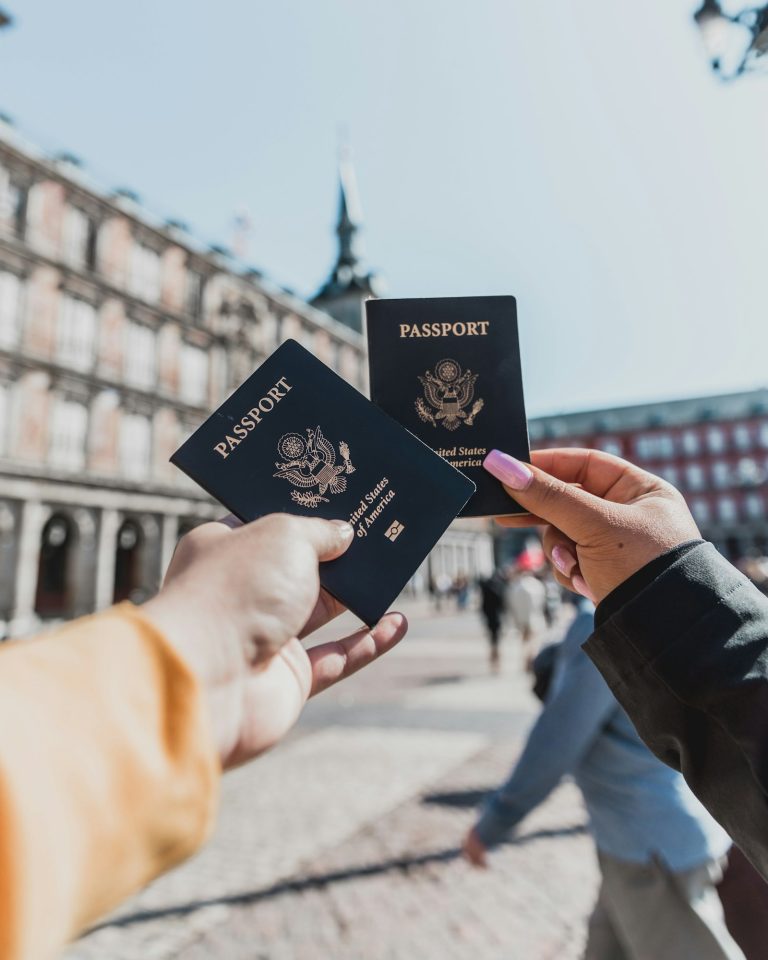
- Passport valid for at least six months, and a Kenya eTA from the official eTA Kenya portal.
- Travel insurance documents and emergency numbers.
- All medicines in hand luggage, with prescriptions and a medical summary.
- Spare glasses, hearing-aid batteries and a small torch.
- Layers for cold mornings, a sun hat, sunscreen and comfortable, closed shoes.
- Binoculars with a neck strap and a cushion if you have back problems on bumpy roads.
Our full African safari packing list covers everything else you need for a safari in your 70s.
Safari in Your 70s FAQs
Am I too old to go on safari?
Most people are not too old. Many travellers in their 70s, 80s and even 90s enjoy safaris, because game drives involve sitting rather than walking. The key is planning: short flights instead of long drives, a private vehicle, camps with few steps, good insurance and a relaxed pace. Check with your doctor if you have health conditions.
What is the best safari for seniors?
A fly-in safari with three or more nights in each camp is usually best. It avoids long bumpy roads, gives you a private vehicle and lets you rest between game drives. In Kenya, a route combining the Masai Mara with Ol Pejeta or Laikipia works well. Choose camps with level paths and rooms close to the main area.
Can you get travel insurance for a safari at 75 or 80?
Yes, but it needs care. Some policies set upper age limits or charge higher premiums, and pre-existing conditions must be declared. Look for cover that includes medical evacuation and repatriation, and check that activities such as balloon flights are covered. Specialist insurers for older travellers are often worth comparing.
Is a safari physically demanding for older people?
Not very. The main demands are climbing into high vehicles and small planes, bumpy roads, early starts and heat. Ask for a step or footstool, take short flights instead of long road transfers and rest in the middle of the day. Walking safaris and gorilla treks are harder and need a separate health check.
Do older travellers need the yellow fever vaccine for Kenya?
It depends on your route and health. Kenya may require a certificate if you arrive from a country with yellow fever risk, and the vaccine is often advised for some areas. Because side effects are more common in older people, your doctor may suggest an exemption letter instead. Discuss it at least six weeks before travel.
Can seniors do a hot air balloon safari in the Masai Mara?
Many can. Flights start before dawn, you climb into a high basket and landings can be bumpy. Operators may set health conditions, for example for back problems or recent surgery, so check before booking. If you are unsure, a sunrise game drive gives many of the same views with less effort.
How long should a safari in your 70s be?
Around six to eight days often works well. That allows a rest night in Nairobi after the long-haul flight and two stays of three nights each, without daily packing. Shorter trips are possible by air, but avoid trying to fit too many parks into a short time, as constant travel is tiring.
🏕 Plan Your Safari With Sense of Adventure
Kenya-based experts. Real local knowledge. Transparent pricing. We will plan a comfortable safari in your 70s or 80s with short transfers, the right camps and a pace that suits you. 💬 WhatsApp Us — Start Planning Today
Call or WhatsApp: +254 799 160 081
Related Safari Guides
- ›Kenya Safari for Seniors
- ›How Fit Do You Need to Be for a Safari?
- ›Kenya Travel Insurance Guide
- ›Private vs Group Safari in Kenya
- ›How Many Days for a Kenya Safari?
Official travel & park resource: Kenya Wildlife Service ↗ · Magical Kenya ↗