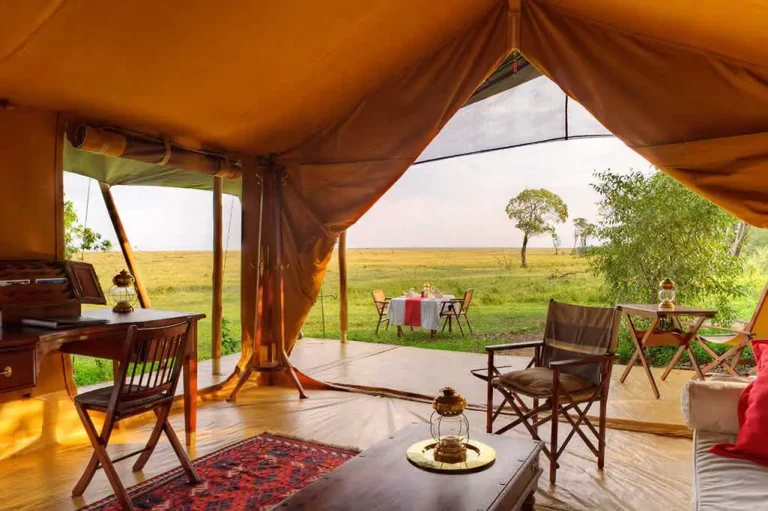

Wheelchair accessible safaris in Kenya are genuinely possible, more so than most travelers with mobility needs assume, once the right vehicle, lodge and pace are matched to the trip. The default open-sided Land Cruiser with a raised roof and stepped entry is not built for a wheelchair, but adapted vehicles, ground-floor tented rooms and boardwalk-style lodge layouts exist across several parks. You transfer from your wheelchair into a specially modified vehicle with a side-loading ramp, camera-ready window height already accounted for. You roll directly from your tent’s private deck to a viewing platform without a single step in between. Sense of Adventure plans around real mobility needs rather than assuming standard infrastructure will simply work.
Planning a Safari With Mobility Needs?
Tell us your specific requirements and we will confirm which camps and vehicles genuinely fit.
What Makes a Safari Genuinely Accessible
Accessibility on safari comes down to three linked pieces: a vehicle with a side-loading ramp or lift rather than the standard stepped entry, a ground-floor room with a roll-in shower and wide doorways, and a pace that avoids long, jarring road transfers over rough tracks. A small number of camps and operators across Kenya specialize in exactly this combination, and booking through one of them, rather than hoping a standard property happens to work, is the single biggest factor in how the trip actually goes.
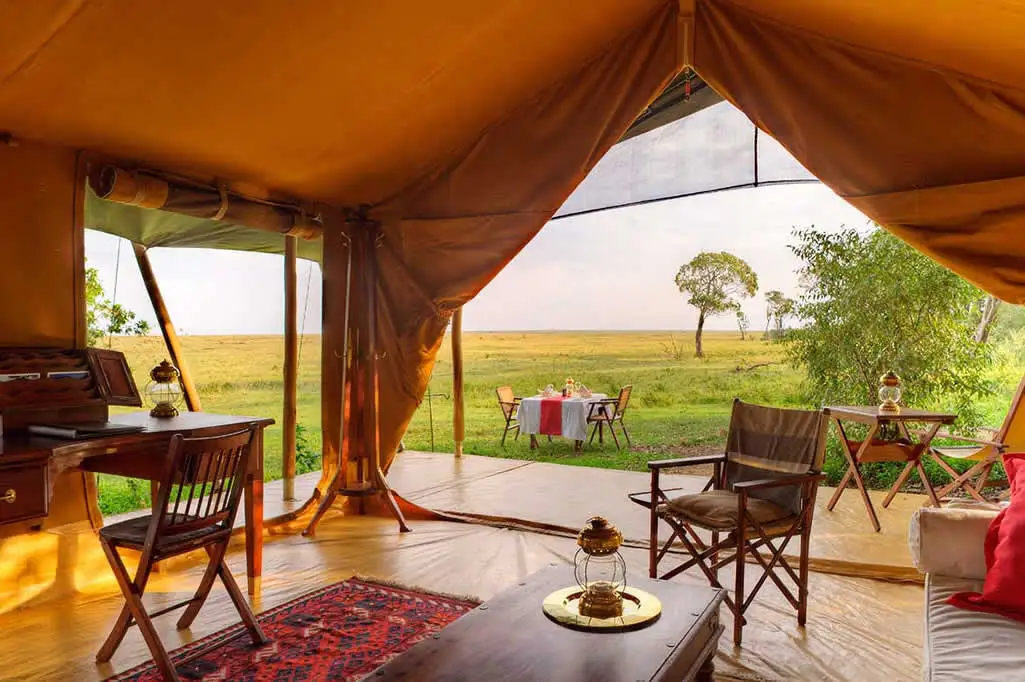
My father uses a wheelchair and we had genuinely given up on a family safari being possible. Our planner found an adapted vehicle and a ground-floor tent with a roll-in shower, and flew us between parks instead of driving, which made the whole trip realistic instead of exhausting for him.
— Sense of Adventure guest, accessible Kenya family safari
5 Things to Arrange for an Accessible Safari
Book a vehicle with a side-loading ramp or lift
Standard safari Land Cruisers have a raised, stepped entry that is not workable for most wheelchair users. A small number of Kenyan operators run specially adapted vehicles with side ramps and secured wheelchair space; confirming this specific vehicle, not just any 4×4, is essential.
Request ground-floor rooms with roll-in showers explicitly
Ground-floor tented rooms with level, boardwalk-style access and step-free bathrooms exist at several accessibility-conscious camps, but they are not the default room type, so this needs to be requested and confirmed by name at booking, not assumed from a lodge’s general description.
Choose fly-in transfers over long road journeys
A 45-60 minute light-aircraft hop between parks avoids hours of jarring, bumpy road transfer that can be genuinely difficult for travelers with limited mobility or chronic pain, and most bush airstrips have manageable, short transfers from plane to vehicle.
Plan a slower pace with fewer camp changes
Staying 3-4 nights per camp instead of hopping every 1-2 nights cuts the number of transfers, packing and unpacking cycles significantly, which matters more for accessibility-focused trips than for a standard itinerary built around covering ground quickly.
Give 2-3 weeks’ notice, more for peak season
Adapted vehicles and specific accessible rooms are limited in number and shared across multiple operators, so booking 2-3 weeks ahead (longer during July-October peak season) meaningfully improves the odds of securing the exact setup you need.
Tell Us Your Mobility Needs, We’ll Find What Fits
Adapted vehicles, ground-floor rooms, fly-in routing — we will confirm every detail before you book.
Quick Facts: Accessible Safaris in Kenya
- Key vehicle feature: a side-loading ramp or lift, since standard Land Cruisers have a stepped entry.
- Best room type: ground-floor tented suites with roll-in showers and step-free access.
- Transfer recommendation: fly-in routing (45-60 min flights) over long, bumpy road journeys.
- Pace: 3-4 nights per camp minimises the number of transfers and room changes.
- Lead time: book 2-3 weeks ahead minimum, longer for July-October peak season.
- Companion: traveling with one support companion is generally recommended for wheelchair users.
Building Your Accessible Itinerary
Accessibility works best planned into the wider trip from the start, which is why we treat it as a core input on our luxury safari packages, where ground-floor suites and premium vehicle options are more consistently available. Families combining accessibility needs with multiple generations often reference our multigenerational family safari guide and our Kenya safari for seniors guide for related pacing advice.
Let’s Make Your Safari Genuinely Accessible
Message us your mobility requirements and travel dates, and we will confirm what’s realistically available.
Frequently Asked Questions
Can wheelchair users go on a Kenya safari?
Yes, wheelchair users can go on a Kenya safari by booking specially adapted vehicles with side-loading ramps and ground-floor lodge rooms with roll-in showers, both of which a small number of accessibility-focused operators offer, though these need to be requested specifically rather than assumed available.
Are standard safari vehicles wheelchair accessible?
No, standard safari Land Cruisers have a raised, stepped entry that is not workable for most wheelchair users, which is why an accessible safari requires booking one of the limited number of specially adapted vehicles with a side ramp or lift instead.
How much advance notice do I need for an accessible safari?
Book an accessible safari at least 2-3 weeks in advance, and longer during the July-October peak season, since adapted vehicles and specific ground-floor accessible rooms are limited in number and shared across multiple operators and camps.
Should I fly or drive between parks with mobility needs?
Flying between parks is generally recommended over driving for travelers with mobility needs, since a 45-60 minute light-aircraft hop avoids the hours of jarring, bumpy road transfer that a long drive between parks typically involves.
Do I need a companion to travel on an accessible safari?
Traveling with one support companion is generally recommended for wheelchair users on safari, since remote camps have limited on-site medical or physical assistance staff, though the safari itself, once the right vehicle and rooms are arranged, is genuinely manageable.