

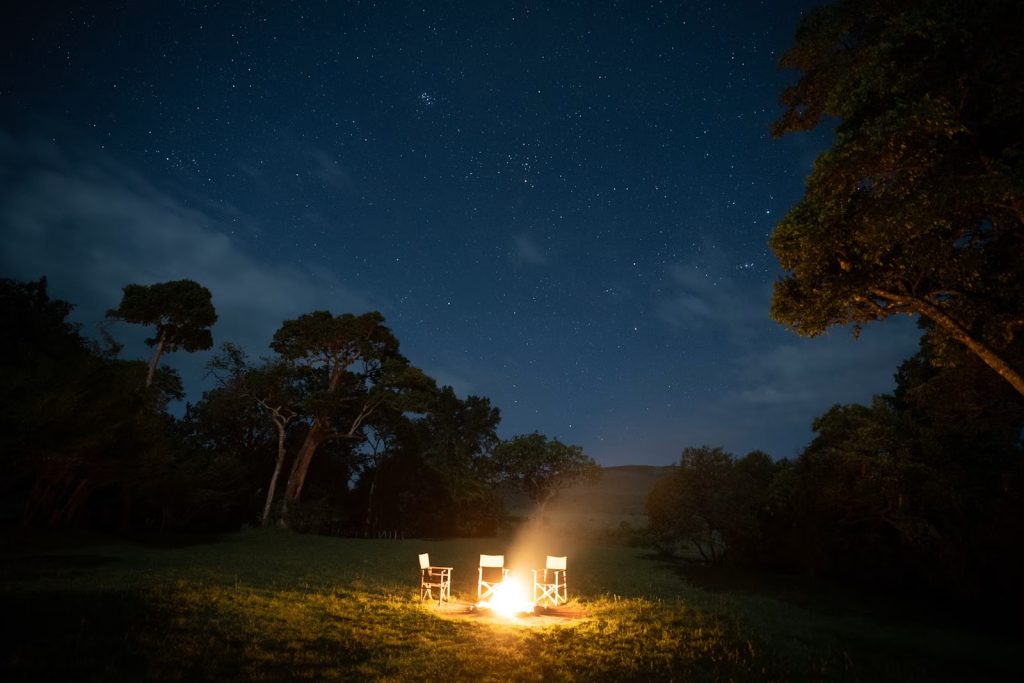
Yes, it is safe to sleep in a tent on safari when you follow the camp rules, and safari tent safety has an excellent record in Kenya. Animals treat a closed tent as a solid object, not prey. Stay inside after dark, keep it zipped, never keep food inside, and let a guard escort you at night.
Sense of Adventure is a licensed safari operator based in Nairobi (TRA licence TRA1/47/C01/77087), and we book guests into tented camps across Kenya every week. This guide explains why safari tent safety works, the rules every good camp follows, what the night sounds mean, how fenced and unfenced camps differ, security, weather and riverside risks, children, and the questions to ask before you book. For a look at beds, bathrooms and power, see our guide to what a safari tent is like inside.
Table of Contents
✅ Safari Tent Safety: The Quick Answer
- Is it safe? Yes. Serious incidents in tented camps are extremely rare, and they almost always involve someone breaking camp rules.
- Why it works: wild animals see a closed tent as a solid shape and walk around it.
- The golden rule: once you are in your tent for the night, stay in it until morning.
- Escorts: after dark, a guard or askari walks you between the main area and your tent.
- Help at hand: most camps give you a radio, whistle, horn or torch signal to call staff.
- No food in tents: snacks attract monkeys, baboons and other visitors.
🌎 Nervous About Your First Night Under Canvas?
Tell us how you feel and we will suggest camps that match your comfort level. 💬 WhatsApp Us Now or call +254 799 160 081
Is It Safe to Sleep in a Tent on Safari?
Sleeping in a tent on safari is safe for the vast majority of guests, because safari tent safety rests on animal behaviour, camp design and clear rules.
Every year, many thousands of visitors sleep in tented camps in the Masai Mara, Amboseli, Samburu, Laikipia and Tsavo. Most of these camps are unfenced, and animals such as elephants, buffalo, hyenas and lions pass through regularly. Even so, serious incidents involving guests in their tents are very rare. When they do happen, they usually involve someone leaving the tent at night, walking alone, or keeping food inside.
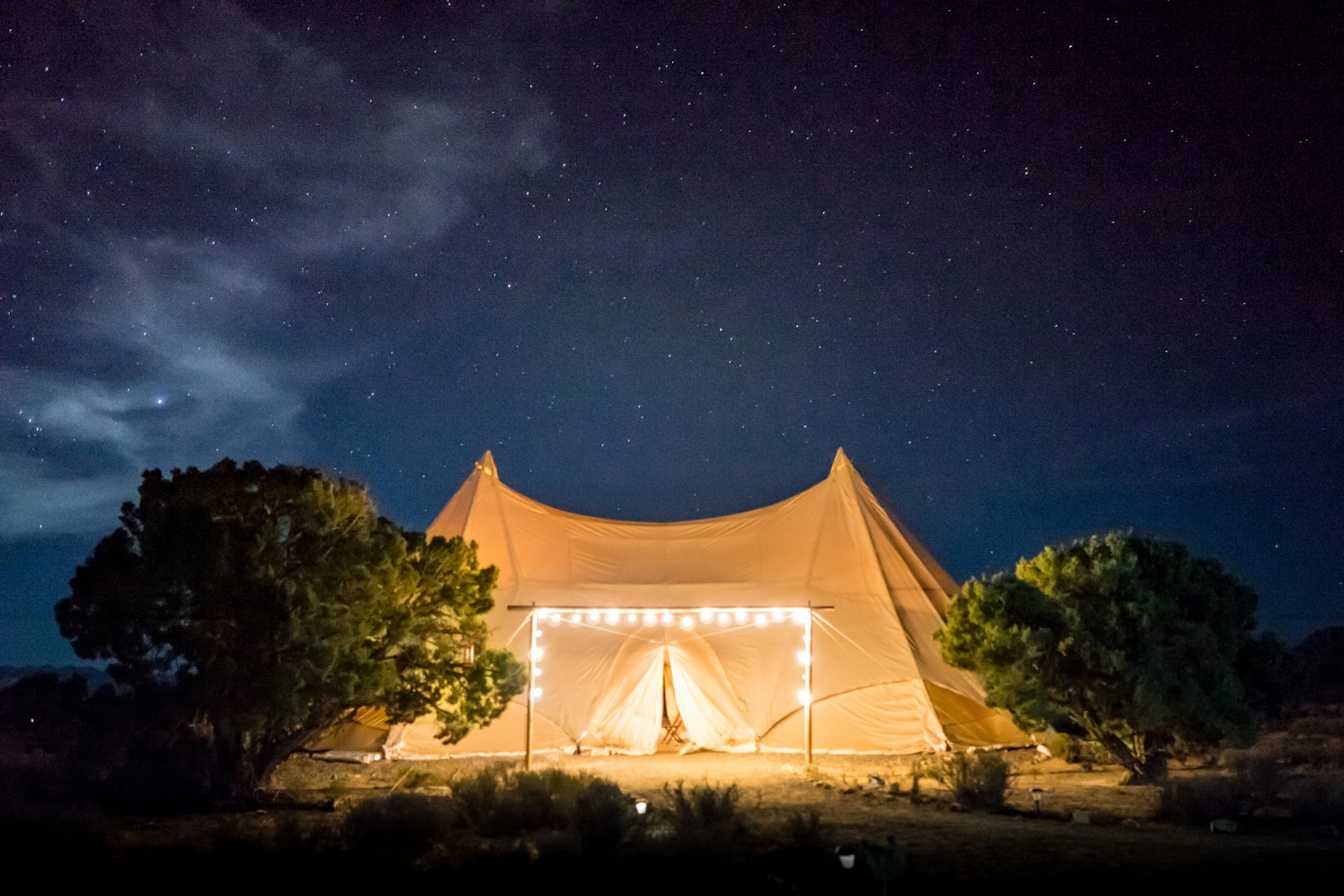
Safari tents are also not the small hiking tents most people picture. They are large, raised canvas rooms on solid platforms, with zipped doors, real beds and en-suite bathrooms. That size and solidity is part of what makes safari tent safety work so well.
Why Safari Tent Safety Works: How Animals See a Tent
Wild animals generally treat a closed tent as a solid object, a bit like a rock or a bush, rather than as something to investigate or hunt.
Predators recognise prey by shape, movement and behaviour. A person inside a closed tent shows none of those signals. Elephants and buffalo simply walk around tents as they would around any other obstacle. Hyenas and lions may pass close by, and you may hear them breathing or grunting, but they have no reason to enter.
The same logic explains why lions ignore people sitting still in vehicles. Our article on whether lions attack safari vehicles explains the idea in more detail. The key point for safari tent safety is simple: a closed tent keeps you invisible as a person, while stepping outside changes that instantly.
The Safari Tent Safety Rules Every Good Camp Follows
Every reputable camp briefs you on its safari tent safety rules on arrival, and following them is what keeps the record so good.
- Stay inside at night. Once you are back in your tent after dinner, do not leave until a staff member collects you in the morning.
- Always use an escort after dark. A guard, often a Maasai or Samburu askari with a torch, walks you to and from your tent.
- Keep the tent zipped at all times, day and night, to keep out monkeys, insects and the occasional curious mongoose.
- No food in the tent. Even sealed snacks can attract baboons, monkeys and honey badgers.
- Know your signal. Learn how to call for help, whether by radio, whistle, horn or torch.
- Look before you step out in the morning, and wait for the wake-up call.
- Never walk alone between tents, even in daylight, if staff advise against it.
Safari tent safety at night: how to call for help
Each camp has its own system. Many give guests a two-way radio or walkie-talkie; others provide a whistle, an air horn or a powerful torch to flash. Night guards patrol the camp and listen out. Ask at check-in, test the device, and keep it beside your bed with your torch. This simple step is the heart of safari tent safety at night.
Expert tip from our Nairobi team: before dinner on your first night, ask the camp manager to show you exactly how to call the night guard and what happens when you do. Knowing the answer is the best safari tent safety habit, and it usually turns first-night nerves into excitement.
What You Will Hear at Night (and What It Means)
Night sounds are the most memorable part of sleeping under canvas, and understanding them is part of safari tent safety: almost all of them are harmless to you.
| Sound | What it usually is | What to do |
|---|---|---|
| Deep, rumbling roars | Lions calling to each other, often kilometres away | Enjoy it from bed |
| Whooping “whoo-oop” calls | Spotted hyenas | Stay inside; they will move on |
| Tearing grass and stomach rumbles | Elephants or buffalo grazing near the tent | Stay quiet and still |
| Loud grunts and honks | Hippos leaving the river to graze | Stay inside; never go towards the water |
| Rustling on the canvas or roof | Bushbabies, genets, monkeys or wind | Nothing; it is harmless |
| Barking alarm calls | Baboons or impala warning of a predator | A good sign a predator is moving nearby |
For some guests, these sounds are the highlight of the whole trip. Our article on sleeping where lions roar describes some of Kenya’s most memorable night experiences.
Fenced vs Unfenced Camps: Which Is Safer?
Both fenced and unfenced camps have strong safari tent safety records when rules are followed, but they offer a different feel at night.
| Feature | Unfenced tented camp | Fenced camp or lodge |
|---|---|---|
| Animals in camp | Often, especially at night | Rarely; smaller animals may still enter |
| Night escorts | Always required | Sometimes optional |
| Atmosphere | Wild and immersive | More relaxed for nervous guests |
| Freedom to walk around | Limited after dark | Greater within the fence |
| Best for | Guests who want close contact with the bush | First-timers, families with young children |
Many lodges on the edges of parks, and some camps, have electric fences or walls. Most authentic tented camps inside reserves and conservancies are unfenced, so that wildlife can move freely. If you feel uneasy, a fenced camp for your first night or two is a sensible way to build confidence before moving to a wilder camp.
Security From People: Theft, Valuables and Privacy
Safari tent safety also covers people, and personal security in reputable camps is very good, because camps are remote, staffed around the clock and guarded at night.
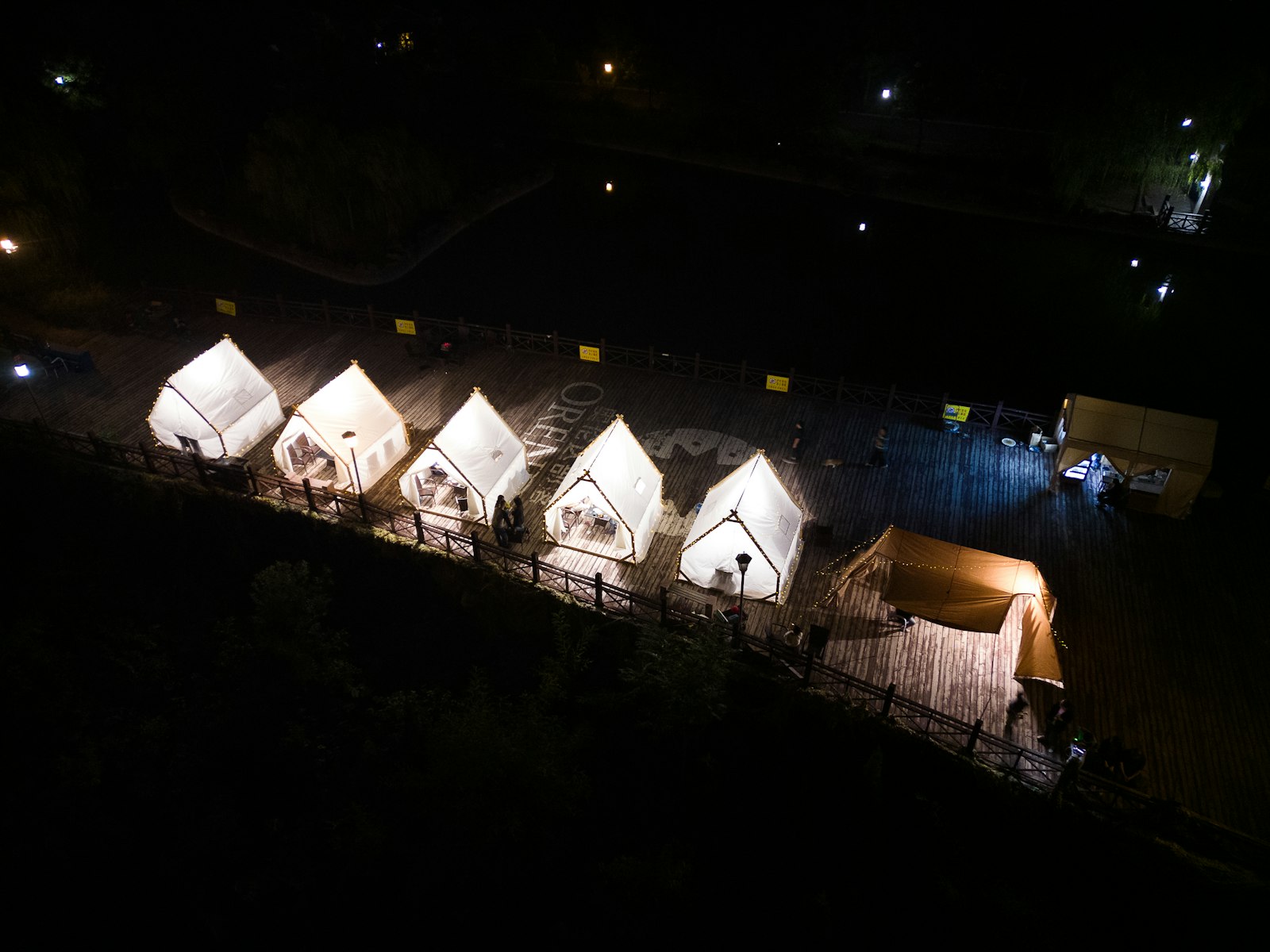
- Night guards: camps employ askaris who patrol through the night, for both wildlife and security.
- Safes: many tents have a small safe; otherwise ask the office to hold passports and cash.
- Zips, not locks: tents close with zips rather than keyed locks, so keep valuables out of sight.
- Solo travellers: camps are used to solo guests and can place you closer to the main area.
Our guide to solo female safari safety in Kenya covers personal security in more detail. For the wider picture, read the UK government’s Kenya safety and security advice, which notes the areas of Kenya where travel is advised against; Kenya’s main safari parks are generally outside them, but check the latest version before you travel.
📅 Get a Free, No-Obligation Safari Quote
Send us your dates and we will suggest well-run camps with the level of wildness you are comfortable with. ✉ Send Us Your Dates on WhatsApp
Weather, Rivers and Fire: The Less Obvious Risks
Weather and water are a bigger practical factor in safari tent safety than animals, especially in the rainy seasons.
Many camps sit beside rivers for the views and wildlife. In very heavy rain, rivers can rise quickly. In May 2024, flooding of the Talek River in the Masai Mara damaged several camps and tourists were evacuated, with the local tourism association reporting no visitor deaths. Good camps now monitor river levels and have evacuation plans. Check forecasts on the Kenya Meteorological Department site if you travel in the long rains.
- Storms: tents are built to handle strong wind and rain; stay inside and follow staff instructions.
- Hippos: at riverside camps, never walk towards the water at night.
- Fire: for safari tent safety, do not use candles in the tent; use the lamps provided and keep torches charged.
- Night chill: highland camps can drop close to 10°C; extra blankets and hot water bottles are normal.
Safari Tent Safety With Children
Families can enjoy tented camps safely, but safari tent safety with children needs extra planning and the right camp.
Many camps set minimum ages or ask families with younger children to use family tents, where parents and children sleep under the same canvas. Children must never wander alone in an unfenced camp, even in daylight. Explain the rules to them as an adventure, and keep a torch and the radio within reach.
- Book a family tent or connected tents, never a separate tent for young children.
- Ask about the camp’s age policy and whether it is fenced.
- Agree a simple safari tent safety rule: nobody steps outside without an adult and a guide.
Our guide to safaris with toddlers and babies explains age rules, and the Kenya Family Safari uses family-friendly camps. Message us for a quote.
Insects, Snakes and Small Visitors
For everyday safari tent safety, small creatures matter more than big animals, and good zips keep almost all of them out.
Keep the tent closed, switch off lights before you open the door and shake out shoes in the morning. Snakes are shy and rarely seen in camp; our guide to snakes in Kenya explains why. Our article on insects on safari covers mosquitoes, nets and repellents.
Expert tip from our Nairobi team: leave your bathroom light off unless you need it, and close the inner door to the bathroom area at night. Light draws insects towards the canvas, and a closed inner door keeps the sleeping area calmer.
Safari Tent Safety Myths and Facts
Several common worries about safari tent safety come from films and campfire stories rather than real camp life.
- Myth: lions hunt people in tents. Fact: lions ignore closed tents and focus on their normal prey, such as wildebeest, zebra and buffalo.
- Myth: a fire around camp keeps animals away. Fact: camps rely on guards, rules and closed tents, not fires, for safari tent safety.
- Myth: elephants trample tents. Fact: elephants are careful walkers and step around tents, guy ropes and furniture.
- Myth: a lodge room is always safer. Fact: both are safe; the rules about walking at night apply in unfenced lodges too.
The honest picture of safari tent safety is reassuring: the risks are small, well understood and managed every night by experienced camp teams.
Questions to Ask About Safari Tent Safety Before You Book
A few direct questions tell you a lot about a camp’s approach to safari tent safety and guest care.
- Is the camp fenced or unfenced?
- Are guests escorted after dark, and how do we call staff from the tent?
- How many night guards are on duty?
- Is the camp beside a river, and what is the flood plan in the rains?
- What are the rules and tent options for children?
- How far is the nearest airstrip and clinic? Our guide to getting sick on safari explains why this matters.
A good operator will already know the answers. If you would like a gentler start, our 3-Day Masai Mara Safari Package can be arranged with a camp that matches your comfort level; message us for a quote.
First Night Under Canvas: A Simple Routine
A calm bedtime routine puts safari tent safety into practice and makes your first night feel easy.
- After dinner, wait for your escort and walk back together with a torch.
- Check the radio, whistle or horn and place it by the bed.
- Zip the door and windows, and close the bathroom flap.
- Put shoes, torch and glasses where you can reach them.
- Use the toilet inside the tent if you need it during the night; never go outside.
- Listen, relax and wait for the morning wake-up call before stepping out.
Most tented camps in Kenya have en-suite bathrooms inside the tent, so there is no need to go outside at night. Our guide to toilets and bathrooms on safari explains the different set-ups.
Safari Tent Safety FAQs
Is it safe to sleep in a tent on safari?
Yes, when you follow camp rules. Wild animals treat a closed tent as a solid object, and serious incidents involving guests in tents are extremely rare. Stay inside after dark, keep the tent zipped, never keep food inside and use a staff escort at night. Camps also have night guards on patrol.
Can lions get into a safari tent?
In theory an animal could tear canvas, but lions show no interest in closed tents and treat them like rocks or bushes. They may walk past at night, and you may hear them close by. Problems almost always involve someone stepping outside, so the key rule is to stay in your tent until morning.
What happens if I need help at night in a tented camp?
Camps give you a way to call staff, usually a two-way radio, whistle, air horn or torch signal. Night guards patrol and respond quickly. Ask how the system works when you arrive, test it, and keep it beside your bed with a torch. Never walk to the main area alone after dark.
Are safari camps fenced?
Most authentic tented camps inside Kenya’s reserves and conservancies are unfenced so wildlife can move freely. Some lodges and camps on park edges are fenced. Both are safe when rules are followed. If you are nervous, a fenced camp for the first night or two can help you settle in.
Can I go to the toilet at night in a safari tent?
Yes. Most tented camps in Kenya have an en-suite bathroom inside the tent, so you never need to go outside at night. At simpler mobile camps, ask staff about the arrangement before bedtime. Keep a torch by the bed and close the bathroom flap to keep insects away.
Is it safe for children to sleep in a safari tent?
Yes, with the right camp and planning. Book a family tent so children sleep with an adult, check the camp’s age policy and whether it is fenced, and agree that nobody goes outside without an adult and a guide. Many camps welcome families and brief children on the rules.
Do safari tents have locks?
Most safari tents close with heavy zips rather than keyed locks. Camps are guarded around the clock, and theft is uncommon in reputable camps. Use the in-tent safe if there is one, or ask the office to keep passports and cash. Keep valuables out of sight when you go on game drives.
🏕 Plan Your Safari With Sense of Adventure
Kenya-based experts. Real local knowledge. Transparent pricing. We choose well-run camps with clear safari tent safety routines, so you can fall asleep to lions roaring and wake up excited. 💬 WhatsApp Us — Start Planning Today
Call or WhatsApp: +254 799 160 081
Related Safari Guides
- ›What Is a Safari Tent Like Inside?
- ›Do Lions Attack Safari Vehicles?
- ›Sleep Where Lions Roar
- ›Solo Female Safari Safety in Kenya
- ›Insects on Safari
Official travel & park resource: Kenya Wildlife Service ↗ · Magical Kenya ↗