Snakes in Kenya are one of the most common safari worries and one of the least common safari sightings. Kenya is home to dangerous species, including the black mamba, puff adder, spitting cobras and the African rock python, but encounters on safari are rare because snakes are shy and far more frightened of a group of people than the other way round.
The snake behind many serious bites is not the fastest or most aggressive one. It is the puff adder, because it relies on camouflage and stillness rather than fleeing, so people occasionally step on one hidden in grass. Picture your professional guide, not you, being the one to spot a python along the Mara River, exactly as it should happen. Sense of Adventure works with guides trained to keep game walks and bush stops safe.
✅ Snakes in Kenya: Quick Answer
- Will I see one? Probably not. Most safari guests never see a snake, and bites to tourists are very rare.
- Species to know: puff adder, black mamba, spitting cobras, boomslang, gaboon viper (western forests) and the African rock python.
- Lowest risk: game drives, because you stay inside the vehicle.
- Simple precautions: closed shoes, a torch after dark, stay on paths and follow your guide.
- If bitten: keep still and calm, immobilise the limb and get to hospital fast; never cut, suck or use a tourniquet.
- See them safely: our Nairobi National Museum and Snake Park half-day tour starts at USD 70.
Nervous about snakes? Ask us anything before you book; we answer honestly.
Ask a Snake QuestionWhy You’re Unlikely to See Snakes in Kenya on Safari
Kenya’s parks host several dangerous snakes. The black mamba is fast-moving and defensive rather than aggressive, despite its reputation. The puff adder relies on camouflage in grass and does not move away, which is why it is involved in so many bites. Spitting cobras live in many lowland areas, and along waterways such as the Mara River the African rock python shares its habitat with Nile crocodiles.
Even so, snakes in Kenya are shy. They sense ground vibration from footsteps and vehicles long before they are seen, and most will slip away if given the chance. Most of the day you are in a vehicle, which keeps you well clear. On walks and bush stops, professional guides watch for the signs a first-time visitor would miss.
Kenya’s Notable Snake Species
These six are the snakes in Kenya that guides and guests talk about most. Most visitors see none of them.
Black Mamba — Fast, Defensive Rather Than Aggressive — among Africa’s fastest snakes
Usually grey or olive-brown, not black; the name comes from the inky lining of its mouth. Black mambas generally avoid confrontation and flee when given the chance, so encounters with people are uncommon.
Puff Adder — A Leading Cause of Serious Bites — relies on camouflage, not speed
Thick-bodied and patterned in browns and yellows, the puff adder often stays still when approached, trusting its camouflage. That is why it is widely cited as causing more serious bites in Africa than any other snake, usually when someone steps on or near one.
African Rock Python — Found Along the Mara River — shares waterway habitat with Nile crocodiles
Africa’s largest snake and the biggest of the snakes in Kenya, found along rivers and wetlands including the Mara. It is non-venomous and kills by constriction, and it normally avoids people entirely. See our Mara River wildlife guide and the story of the giant python found at Solio.
Gaboon Viper & Spitting Cobras — present but rarely encountered
The gaboon viper is a forest snake, found in Kenya mainly in western forests such as Kakamega, not on the open savannah. Spitting cobras, including the black-necked spitting cobra, occur more widely. Sightings by safari visitors remain uncommon for both.
Boomslang — a shy tree snake
The boomslang lives in trees and bushes and has potent venom, but it is timid and bites are very rare. Guides sometimes spot one in a thorn tree; enjoy it from the vehicle.
Saw-Scaled Viper — small snake of the dry country
A small, well-camouflaged viper of drier, sandy areas, mainly in the north and east. It matters more to local herders than to safari guests, but it is a good reason to wear shoes after dark in arid camps.
Snakes in Kenya Compared
This table sums up the species visitors ask about most, where they live and how likely you are to meet one.
| Snake | Danger | Typical habitat | Chance on safari |
|---|---|---|---|
| Puff adder | Venomous | Grassland and savannah, widespread | Low |
| Black mamba | Highly venomous | Dry bush and rocky savannah | Low |
| Spitting cobras | Venomous, can spit | Lowland savannah and dry country | Low |
| Boomslang | Venomous but shy | Trees and bushes | Low |
| Gaboon viper | Venomous | Western forests such as Kakamega | Very low |
| African rock python | Non-venomous constrictor | Rivers, swamps and rocky areas | Occasional, from a vehicle |
Where Snakes in Kenya Live
Snakes in Kenya live in almost every habitat, from coastal forest to highland grassland, but each region has its own mix.
Savannah parks
The Masai Mara, Amboseli, Tsavo and Laikipia hold puff adders, mambas, spitting cobras and pythons. You are in a vehicle for most of the day, so the risk is very low.
Coast and forests
Coastal forests and western forests such as Kakamega hold tree snakes and forest species, including the gaboon viper. Guided forest walks stay on marked trails. See our Kakamega Forest guide.
Dry north
Samburu and the arid north are warm, rocky and sandy, which suits vipers and cobras. Wear shoes and use a torch after dark.
Rivers and lakes
Pythons favour rivers, swamps and lake edges, and they are the snakes in Kenya you are most likely to see from a vehicle or boat. Watch quietly and leave them alone.
Vehicle or On Foot: Your Key Decision
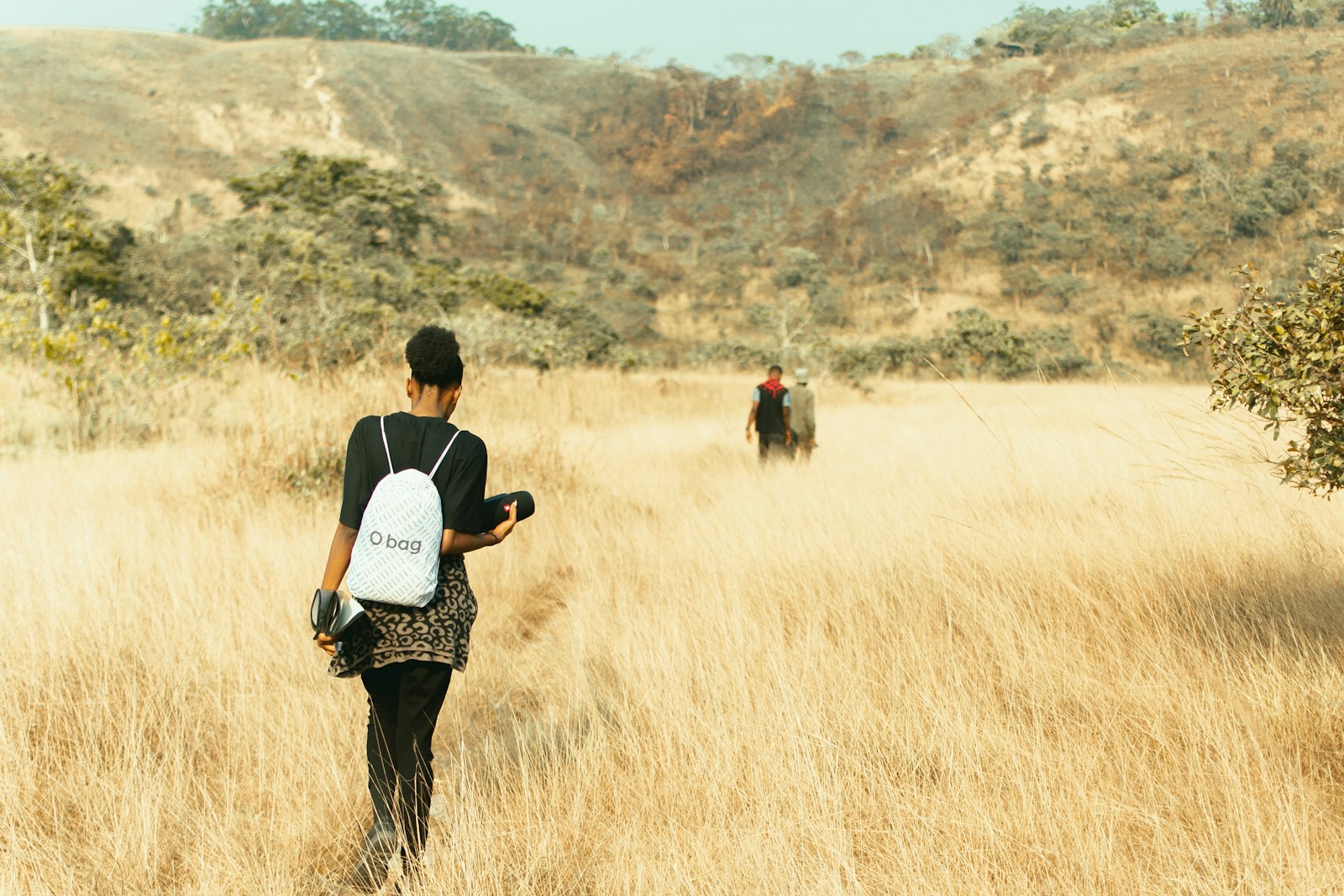
The biggest choice that affects your risk from snakes in Kenya is how much time you spend on foot. A classic game-drive safari keeps you inside the vehicle, apart from picnic spots and viewpoints your guide has checked. A walking safari puts you on the ground, which is safe with the right guide but needs more care.
Snakes in Kenya on walking safaris
Walks are led by trained guides, often with an armed ranger. The group walks in single file, the guide reads the ground ahead, and walks are usually timed for cooler hours. If a snake is seen, the group simply stops and gives it space. Read is a walking safari safe? and our best parks for walking safaris guide.
Families and nervous travellers
If snakes worry you, choose a vehicle-based trip with short, guided walks only. Our private Kenya safari lets you set the pace and skip walks entirely.
Game Drives Only, or a Guided Walk Too?
Tell us how comfortable you feel on foot. We will build the trip around vehicle-based viewing, or add short walks with experienced guides.
Practical Snake Safety Tips for Travellers
A few simple habits keep the risk from snakes in Kenya very low, wherever you stay.
- Wear closed shoes and long trousers on walks and around camp after dark.
- Carry a torch at night and use the camp escort between your tent and the main area.
- Look before you step over logs or rocks, and before you sit down.
- Never put your hands into holes, under rocks or into thick grass.
- Keep your tent zipped and shake out shoes and clothes left outside.
- If you see a snake, stop, step back slowly and give it space. Never try to catch, kill or photograph it up close.
- On walks, stay in single file behind the guide and follow every instruction.
For camp life in general, read is it safe to sleep in a tent on safari?
What to Do if Someone Is Bitten
Bites to safari guests are very rare, but knowing the basics helps you stay calm. The steps below follow standard first-aid advice from the World Health Organization.
- Move away from the snake and keep the person calm and still.
- Immobilise the bitten limb and remove rings, watches and tight clothing.
- Tell your guide at once and get to medical care as quickly as possible.
- Do not cut the wound, suck out venom, apply a tight tourniquet, use ice or try traditional remedies.
- If a spitting cobra sprays venom into the eyes, rinse them with plenty of clean water and seek medical help.
Guides and camps have emergency plans and radio contact. Every Sense of Adventure safari includes AMREF Flying Doctors evacuation cover, and you should still carry travel insurance with medical cover; see our Kenya travel insurance guide.
When Are Snakes Most Active?
Snakes are cold-blooded, so warm weather makes them more active. For snakes in Kenya, activity often rises in the warm months and around the rains, when prey such as frogs and rodents is plentiful. Many species hunt at dusk and at night.
That does not mean you should avoid any season. Sightings of snakes in Kenya stay rare all year, and the best time for your safari depends on wildlife and weather. See our Kenya weather by month guide.
Where to See Snakes Safely, and What It Costs
If you want to see snakes rather than avoid them, the safest place is a reptile collection with experts on hand. Our Nairobi National Museum and Snake Park Tour is a half-day trip from USD 70 per person, and pairs well with a Nairobi layover. Read our Nairobi National Museum guide first.
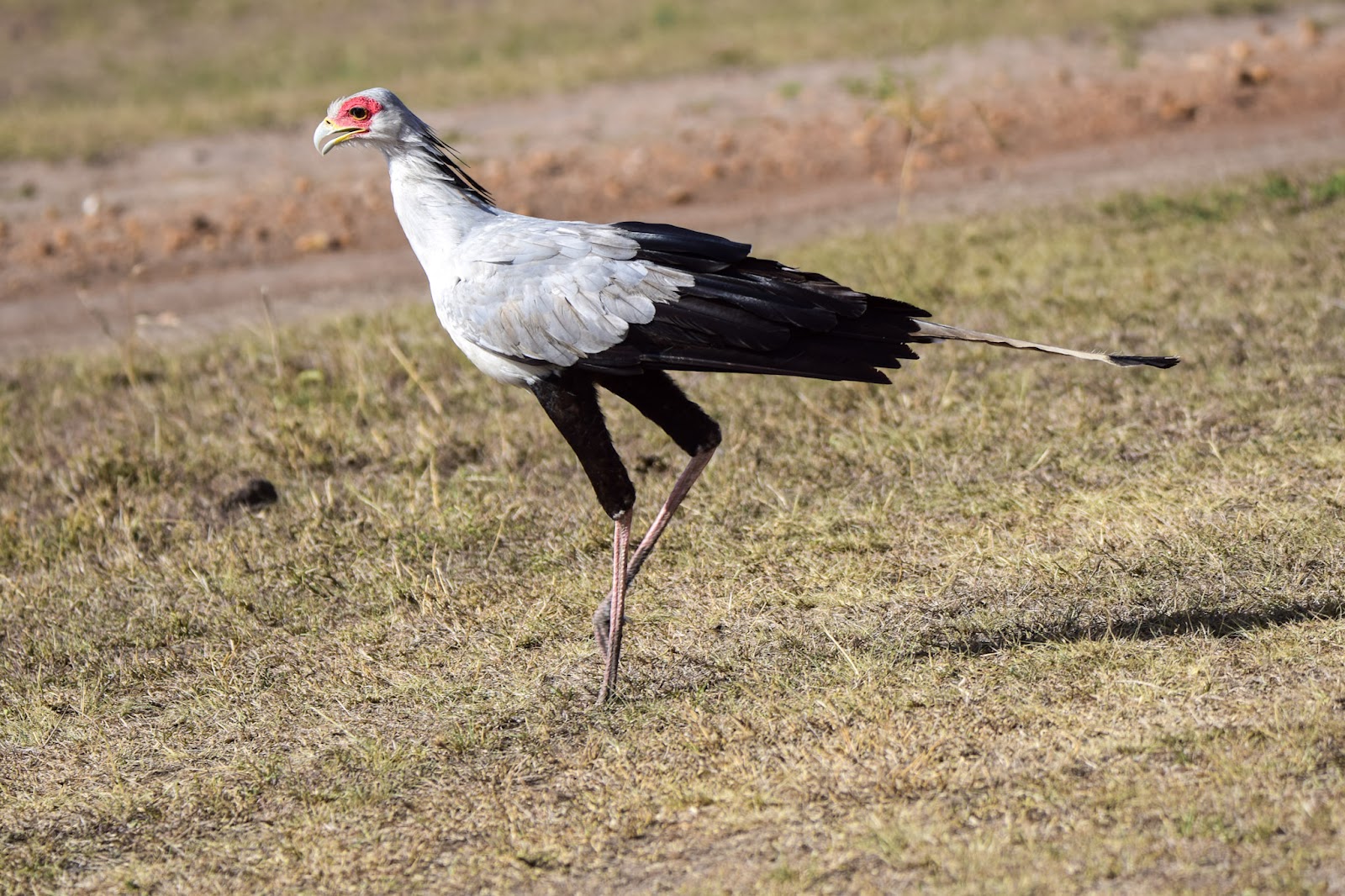
On safari, watch for snake hunters as well. Secretary birds stride through the grass stamping on prey, and snake eagles watch from perches; see our raptors of Kenya guide. If you are keen on walking, our Laikipia and Masai Mara Walking Safari (7 days) starts at USD 4,200 per adult.
Want a Quote With Safety Built In?
Send your dates and group size. We will reply with a written quote that lists your guiding, evacuation cover and which activities are on foot, so you know exactly what to expect.
💬 Get My Safe Safari QuoteMyths About Snakes in Kenya
A lot of what travellers hear about snakes in Kenya comes from films rather than from the bush. These are the myths our guides hear most often.
- “Snakes chase people.” They do not. A snake that moves towards you is usually trying to reach cover that happens to be behind you. Step aside and it will pass.
- “Every snake is deadly.” Many snakes in Kenya are harmless or only mildly venomous, such as house snakes, sand snakes and egg-eaters. Only a minority are dangerous, though you should treat any snake with respect.
- “You need antivenom in your bag.” No. Antivenom must be given in hospital by trained staff. What matters is fast transport to medical care, which is why evacuation cover is so useful.
- “Pythons hunt people.” Attacks on people are extremely rare. Pythons eat rodents, birds and small antelope, and they avoid humans.
Kenya Snake Safety Facts
- Encounter likelihood: rare for safari visitors; snakes sense approaching people through vibration and usually retreat first.
- Most bites: the puff adder is widely cited as a leading cause of serious bites, because of its camouflage and stillness rather than aggression.
- Species present: black mamba, puff adder, spitting cobras, boomslang, gaboon viper (western forests) and African rock python, among others.
- Where pythons are found: along waterways such as the Mara River, sharing habitat with Nile crocodiles.
- Basic safety: stick to established paths on any walking safari and wear sturdy, closed footwear.
- Guide role: professional guides are trained to spot and avoid snake encounters well before a visitor would notice anything.
Safety on a Kenya Safari
Snakes in Kenya are only one small part of bush safety. Read our Kenya safari etiquette guide and best parks for walking safaris guide for broader bush safety beyond snakes. Our article on the most dangerous animals in Africa puts snakes in context with other risks.
When you are ready, compare our Masai Mara safari packages or a Kenya safari from Nairobi. For official park information, see the Kenya Wildlife Service, and check the UK travel advice for Kenya for health guidance. Apply for your eTA on the official Kenya eTA portal.
Enjoy the Bush With Peace of Mind
Experienced guides, checked stops and evacuation cover on every trip. Tell us what worries you and we will plan a safari that feels right.
Frequently Asked Questions
Are snakes in Kenya common on safari?
No. Encounters with snakes in Kenya are rare for safari visitors, because snakes sense approaching people and vehicles through ground vibration and usually move away before being seen. You spend most of the day in a vehicle, and guides check picnic spots and viewpoints. Many guests finish a safari without seeing a single snake.
What is the most dangerous snake in Kenya?
The black mamba has the most fearsome reputation, but the puff adder is widely cited as causing more serious bites in Africa than any other snake. It relies on camouflage and stays still, so people sometimes step on one hidden in grass. Closed shoes and a torch at night reduce the risk.
Is the black mamba aggressive towards humans?
No. Despite its reputation, the black mamba is generally defensive rather than aggressive and will flee from people when it has the chance. Bites usually happen when one is cornered or handled. If you see one, stay still or back away slowly and let it leave.
Where can you find pythons in Kenya?
African rock pythons live along Kenyan rivers, swamps and lake edges, including the Mara River, where they share habitat with Nile crocodiles. They are non-venomous and kill by constriction, and they generally avoid people. If your guide finds one, watch quietly from the vehicle and keep your distance.
How do safari guides keep walking safaris safe from snakes?
Guides lead in single file, read the ground ahead and time walks for cooler hours. They are trained to spot snakes and tracks well before visitors do. Simple precautions such as staying on paths and wearing sturdy closed shoes reduce an already low risk even further.
What should I do if I see snakes in Kenya camps?
Stay calm, keep your distance and tell a member of staff or your askari straight away. Do not try to catch, kill or photograph it close up. Camp teams deal with snakes calmly and know how to move them away safely. Keep your tent zipped and use a torch after dark.
Is there antivenom in Kenya?
Antivenom is held at some hospitals in Kenya, and serious cases are taken to a hospital that can treat them. The priority after a bite is to keep the person still and reach medical care quickly. Our trips include AMREF Flying Doctors evacuation cover, and travel insurance with medical cover is essential.