Bathroom facilities on a Kenya safari are usually far better than first-timers expect. Lodges and permanent tented camps almost always have a private en-suite with a flushing toilet, washbasin and hot shower. Only simple mobile camps, fly-camps and some campsites use bucket showers, eco-toilets or shared blocks, and you can choose to avoid them.
Sense of Adventure is a TRA-licensed private safari company based at Mountain Mall on Thika Road, Nairobi. We match every camp to your comfort level and tell you in advance what the bathroom will be like. This guide explains bathroom facilities at each type of safari stay, what happens on game drives, and the small habits that make bush bathrooms easy.
Safari bathroom facilities: the quick answer
- Lodges: hotel-style en-suites with flushing toilets and hot showers.
- Permanent tented camps: private en-suites inside or behind the tent, often with solar-heated water.
- Mobile and fly-camps: bucket showers and simple private toilets.
- Game drives: discreet “bush stops” chosen by your guide.
- Your choice: ask for full plumbing every night and we will plan for it.
Want a flushing toilet and a hot shower every night? Tell us and we will build around it.
Ask for en-suite campsWhat Bathroom Facilities to Expect on Safari
The bathroom facilities you get depend mostly on the type of accommodation, not on the park.
Safari stays in Kenya range from large lodges with stone buildings to canvas tents pitched for a single night. Most travellers on a private safari stay in lodges or permanent tented camps, where bathrooms are private and fully plumbed. Simpler set-ups appear on camping safaris, fly-camping nights and at public campsites. Knowing the difference in bathroom facilities before you travel removes almost every surprise.
| Type of stay | Toilet | Shower | Hot water |
|---|---|---|---|
| Safari lodge | Private flushing toilet | Plumbed shower, sometimes a bath | Usually on demand |
| Permanent tented camp | Private flushing toilet | Plumbed shower, often outdoor too | Solar, gas or boiler heated; sometimes at set times |
| Seasonal or mobile camp | Private flush or eco-toilet | Bucket or safari shower | Heated and filled by staff on request |
| Fly-camp night | Simple private toilet near the tent | Bucket shower or wash basin | Brought by staff |
| Public campsite | Shared block or long-drop | Shared, if any | Rarely |

Bathroom Facilities at Safari Lodges
Safari lodges offer bathroom facilities much like a good hotel: private, plumbed and comfortable.
Expect a flushing toilet, a washbasin, a hot shower and usually towels, soap and toiletries. Many lodges have baths or double basins, and some have outdoor showers facing the bush. Water may be drawn from boreholes or springs, so tap water is generally not for drinking; lodges provide filtered or bottled water instead. Lodges suit travellers who want familiar comforts after long game drives.
Bathroom Facilities in Nairobi and on Travel Days
Nairobi hotels have full hotel-standard bathroom facilities, so your first and last nights are easy. On travel days, the main airports have modern toilets, while small bush airstrips may have a simple toilet block or none at all. Road transfers usually stop at fuel stations, cafes or curio shops, where toilets are generally clean but basic. Carry tissues and hand sanitiser, and you will be ready for anything between camps.
Bathroom Facilities in Tented Camps
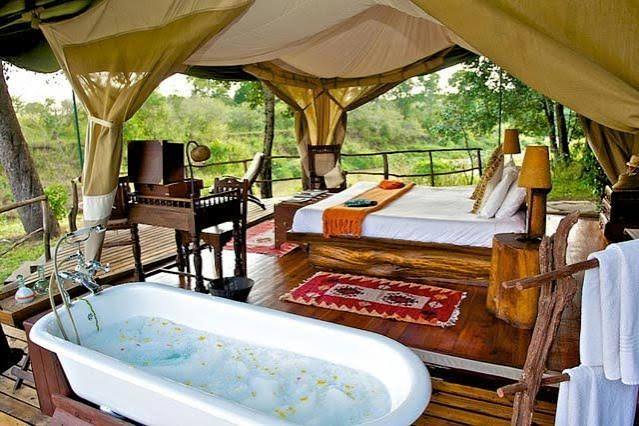
Permanent tented camps have private en-suite bathroom facilities, even though the bedroom is canvas.
The bathroom is usually at the back of the tent, under canvas or in a small stone or wooden structure. You get a flushing toilet, a basin and a plumbed shower. Some camps add a second outdoor shower open to the sky. Hot water often comes from solar panels or a wood or gas boiler, so it may be hottest in the afternoon and evening. If a camp heats water at set times, staff will tell you on arrival.
Eco-Friendly Bathroom Facilities
Many camps in conservancies and remote areas use water-saving showers, solar heating and careful waste systems. A few use composting or eco-toilets. These are a sign of good environmental practice, not a lower standard. Kenya’s Ecotourism Kenya eco-rating scheme recognises camps that manage water and waste responsibly.
Lodge, tented camp or a night under canvas?
Tell us your comfort level and we will choose camps with the bathroom set-up you want, and say so in writing.
Bucket Showers and Mobile Camps
Mobile camps and fly-camps use a bucket shower, which is simpler than it sounds and surprisingly pleasant.
A canvas bucket hangs above a screened shower area. When you are ready, staff fill it with water heated over a fire or stove. You open a valve or tap, and warm water flows through a shower rose. Because the water is limited, it helps to wet yourself, turn it off to soap, then rinse. Toilets in these camps are private and close to your tent, often a flushing chemical toilet or a well-built eco-toilet.
- Ask in good time: tell staff when you want your shower, so the water is hot.
- Save water: turn the flow off while you soap.
- Bring a head torch: paths between tent and toilet can be dark at night.
- Never walk alone at night: call staff to escort you if your toilet is outside the tent.
Our Masai Mara and Lake Nakuru Camping Safari uses campsites, while our Fly-in Masai Mara Luxury Safari uses camps with full en-suites.
Expert tip from our Nairobi team
If you love the idea of sleeping under canvas but worry about bathroom facilities, try one fly-camp night in the middle of a trip, between two nights in comfortable camps. You get the adventure and the stars, then return to a plumbed bathroom the next evening.
Toilet Stops on Game Drives
On game drives, bathroom facilities are limited, so guides use park toilets, lodges or a safe “bush stop”.
Morning drives often last three to four hours, and full-day drives in the Mara can last much longer. Many parks have toilets at gates, picnic sites and some viewpoints. When none is nearby, your guide will choose an open area with good visibility, check for animals and park so you have privacy. Just tell your guide when you need a stop; they do it every day. Park rules generally ask you to stay in the vehicle except at designated places, so always follow your guide’s lead. The Kenya Wildlife Service publishes park rules.
| Situation | Usual option | Tip |
|---|---|---|
| Short morning drive | Use the camp bathroom before you leave | Go easy on coffee before a long drive |
| Full-day drive | Picnic sites, ranger posts or a bush stop | Carry tissues and a small bag |
| Road transfer | Fuel stations, cafes and curio stops | Keep small change for paid toilets |
| Bush flight | Airstrip toilets where available | Go before you leave camp |
Hygiene, Water and Toilet Paper
A few simple habits keep bathroom facilities working well in remote places, where every litre of water has to be pumped, carried or harvested.
- Toilet paper: most lodges and camps let you flush it, but some eco-systems and septic tanks ask you to use the bin. Follow the sign in your bathroom.
- Drinking water: use the filtered or bottled water provided, including for brushing your teeth if advised.
- Water saving: water is precious in dry areas, so keep showers short.
- Sanitary items: never flush them; use the bins provided.
- Hand sanitiser: carry a small bottle for game drives and bush stops.
Bathroom Facilities for Families and Special Needs
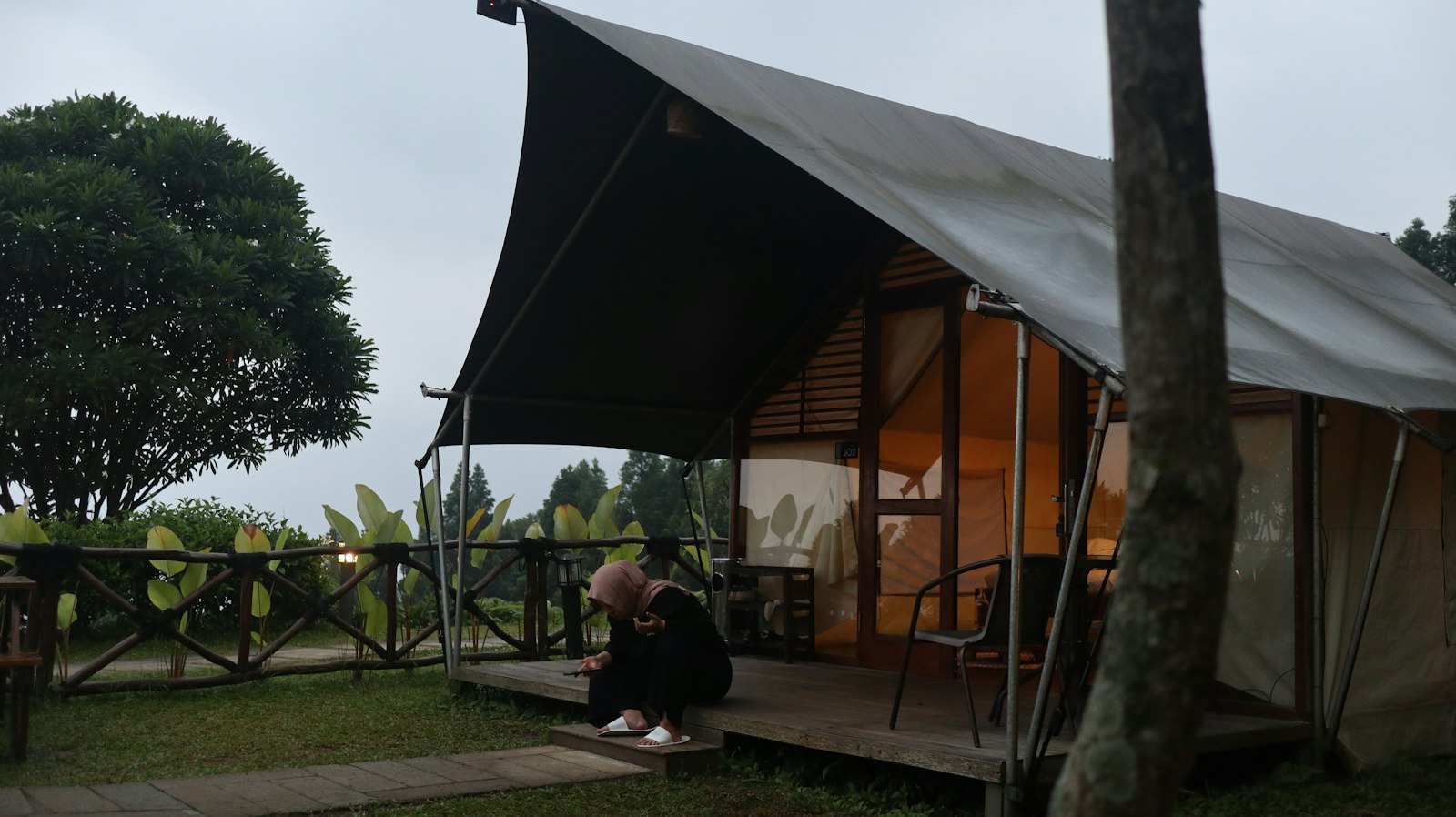
Families, older travellers and guests with limited mobility should ask about bathroom facilities in detail before booking.
Family tents often share one bathroom between two bedrooms, which suits young children. Some camps have steps up to the bathroom, high shower lips or raised beds, which can be awkward with small children or bad knees. Read our guides to a wheelchair accessible safari, a safari with babies and toddlers and electricity and Wi-Fi at safari camps for related comfort questions.
Using Bathroom Facilities Safely at Night
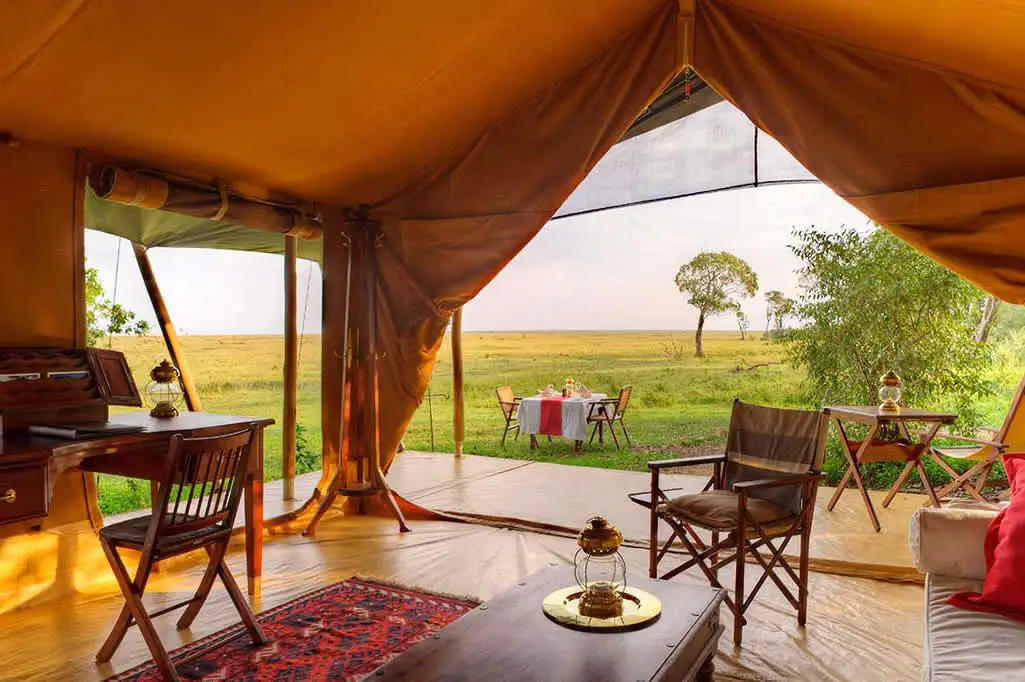
At night, the safest bathroom facilities are the ones you can reach without stepping outside, which is why most tented camps put the en-suite inside or attached to the tent.
Unfenced camps are visited by wildlife after dark, so the house rules are simple. Keep your tent zipped, use the en-suite rather than walking anywhere, and never leave the tent if you hear animals close by. Where a toilet sits a short walk away, as at some fly-camps, ask staff to escort you and keep a head torch beside the bed. Many camps give guests a whistle, radio or air horn to call for help, and staff will explain it at check-in. With these habits, night-time bathroom trips are calm and routine. Our guide to safari tent safety covers the camp rules in more detail.
What to Pack for Safari Bathroom Facilities
A small wash kit makes any bathroom on safari easier. Pack a head torch, hand sanitiser, a pocket pack of tissues and a small zip bag for used tissues on bush stops. Flip-flops are handy for outdoor and shared showers, and a quick-dry towel is useful on camping safaris, where towels are not always supplied. Bring toiletries in small bottles to stay within light-aircraft baggage limits, and never flush wet wipes, even if the packet says they are flushable.
Choosing Camps for Your Comfort Level
The simplest way to get the bathroom facilities you want is to say so when you book.
| If you want | Choose | Good starting point |
|---|---|---|
| Hotel comforts every night | Lodges and permanent luxury camps | A luxury Kenya safari |
| Canvas atmosphere with full plumbing | Permanent tented camps | A private Kenya safari |
| One night of adventure | A single fly-camp or mobile camp night | Laikipia or a Mara conservancy |
| Best value | Campsites or simple camps | A camping safari |
Explore a luxury Kenya safari, a private Kenya safari or our Masai Mara safari packages. Park fees are explained in our Kenya national parks entrance fees 2026 guide, and you can read more about Kenya’s parks at Magical Kenya.
Get a quote with every camp explained
The best camps book early in peak season. Share your dates and we will list the room and bathroom type at every stop.
Questions to Ask About Bathroom Facilities
- Is the bathroom private and inside or attached to my room or tent?
- Is the toilet flushing, chemical or composting?
- Is hot water available at any time or at set hours?
- Are there steps or a raised lip into the shower?
- Can I flush toilet paper here?
Before you travel, check entry and health information in the UK government’s Kenya travel advice.
Bathroom Facilities on Safari FAQs
Do safari camps have proper bathrooms?
Most do. Lodges and permanent tented camps in Kenya usually have a private en-suite with a flushing toilet, washbasin and hot shower. Simpler mobile camps and fly-camps use bucket showers and basic private toilets, and public campsites may have shared blocks. Tell your operator if you want full plumbing every night.
What is a bucket shower on safari?
A bucket shower is a canvas bucket hung above a screened shower area. Staff fill it with water heated over a fire or stove when you are ready, and you release the water through a shower head. Supply is limited, so wet, turn it off to soap, then rinse. Most guests find it fun.
Is there hot water at safari camps?
Yes, almost always. Lodges usually have hot water on demand. Tented camps often use solar panels or boilers, so water may be hottest in the afternoon and evening, or available at set times. At mobile camps and fly-camps, staff heat water and bring it to your shower when you ask.
What happens if I need the toilet on a game drive?
Tell your guide. They will head for toilets at a gate, picnic site or lodge if one is nearby. Otherwise they will choose a safe, open spot, check for wildlife and park so you have privacy for a quick bush stop. It is completely normal, and guides handle it every day.
Can I flush toilet paper at safari camps?
Usually, yes, at lodges and many permanent camps. Some camps with eco-toilets or delicate septic systems ask you to put paper in a bin instead. Check the sign in your bathroom or ask staff. Never flush sanitary items, wipes or other waste anywhere on safari.
Can I avoid camps with basic bathrooms?
Yes. Ask your operator for lodges or permanent tented camps with private en-suite bathrooms and hot showers at every stop. A private safari makes this easy to arrange. If you want one adventurous night with a bucket shower, it can be added deliberately rather than by surprise.
Is it safe to use the bathroom at night in a safari camp?
Yes, if you follow the camp rules. Most tented camps have the bathroom inside or attached to the tent, so you never need to go outside. Keep the tent zipped and use a torch. If your toilet is a short walk away, ask staff to escort you, and never walk around camp alone after dark.
Do safari camps provide towels and toiletries?
Lodges and permanent tented camps usually provide towels, soap, shampoo and often other basic toiletries, much like a hotel. Mobile camps generally do too. Public campsites and budget camping safaris may not, so bring a quick-dry towel and your own wash kit if you are camping. Ask us what each camp on your route supplies.
Are there toilets at safari airstrips?
Some airstrips have a simple toilet block, but many small bush strips have none at all. Use the bathroom at camp or the departure airport before you fly, and ask your guide to stop at a lodge or park toilet on the way to the airstrip if needed. Flights between parks are usually short.
Comfort you can count on in the bush
We tell you exactly what each camp offers before you book. Sense of Adventure is a TRA-licensed Nairobi safari company.
Kenya-based experts. Real local knowledge. Transparent pricing.