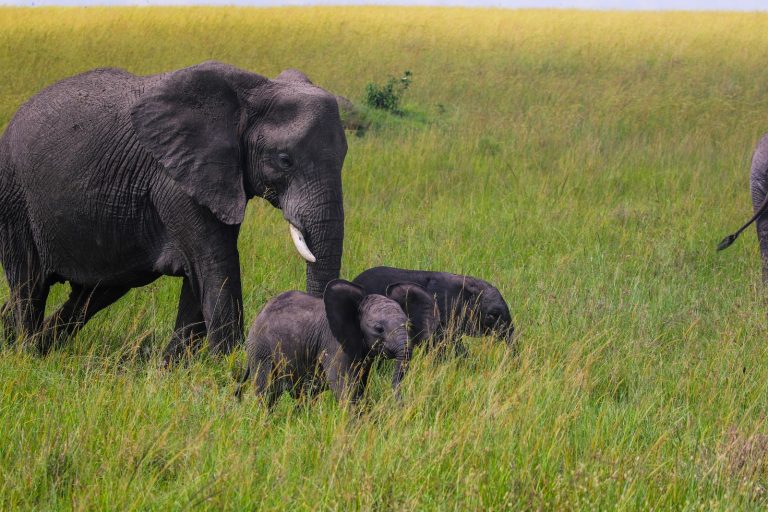

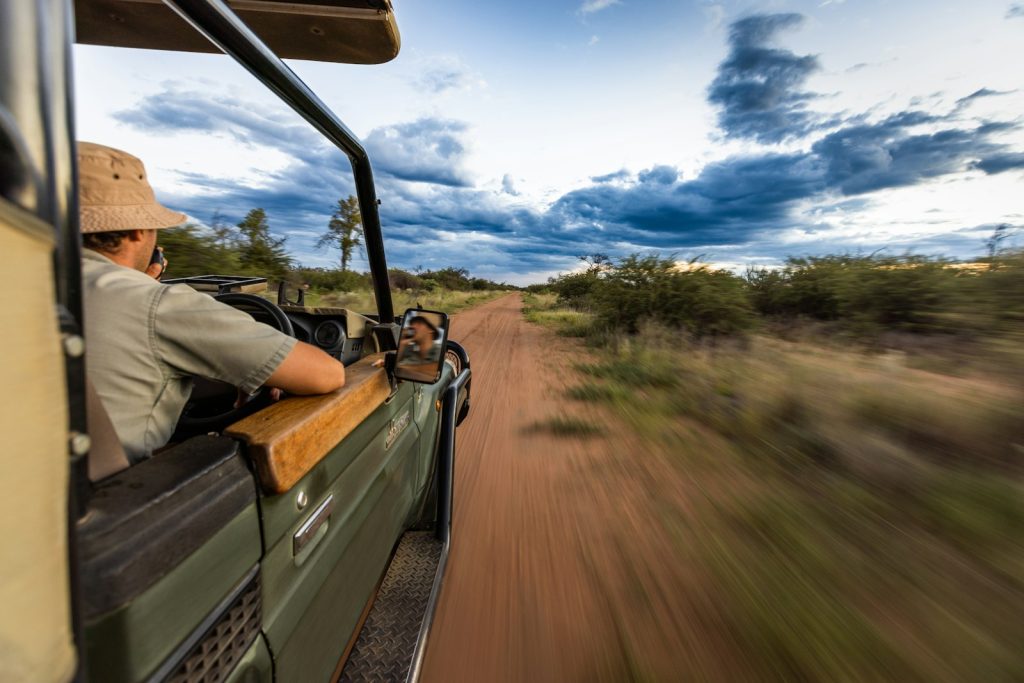
A good safari guide is the single biggest factor in how much you see and learn on safari, often more than the camp or the park. In Kenya, look for a guide certified by the Kenya Professional Safari Guides Association (Bronze, Silver or Gold), years of experience in your parks, safe and ethical driving, and real patience at sightings.
Sense of Adventure is a licensed safari operator based at Mountain Mall on Thika Road, Nairobi (TRA licence TRA1/47/C01/77087), and we work with guides every day. This guide explains what makes a good safari guide, how Kenyan guide certification works, the signs of a great guide and the red flags, the questions to ask an operator before you book, and how to get the most from your guide once you are on the road.
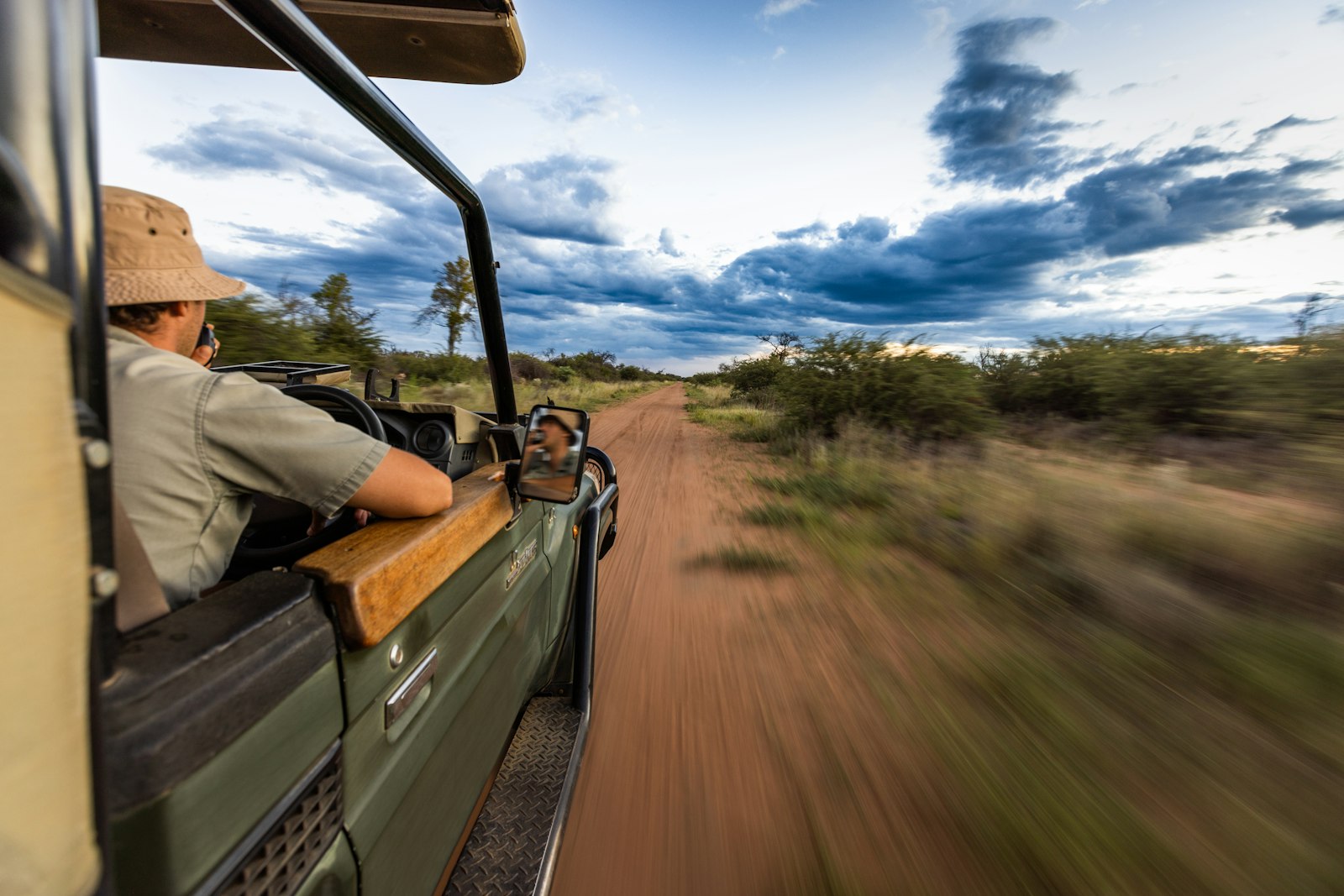
✅ Good Safari Guide: The Quick Answer
- Certification: in Kenya, the Kenya Professional Safari Guides Association (KPSGA) certifies guides at Bronze, Silver and Gold levels.
- Experience: years in the specific parks you will visit matter as much as any certificate.
- Ethics: a good guide keeps a respectful distance, never chases or crowds animals and follows park rules.
- Communication: clear English (or your language), good stories and real interest in your questions.
- Safety: careful driving, first aid training and calm judgement around wildlife.
- Ask before booking: who your guide will be, their certification level and how many guests share the vehicle.
🌎 Want to Know Who Will Guide You?
Ask us about guide certification, languages and experience for your route before you pay a deposit. 💬 WhatsApp Us Now or call +254 799 160 081
Why a Good Safari Guide Matters So Much
Your guide decides where you go, how long you stay at each sighting and what you understand about what you see.
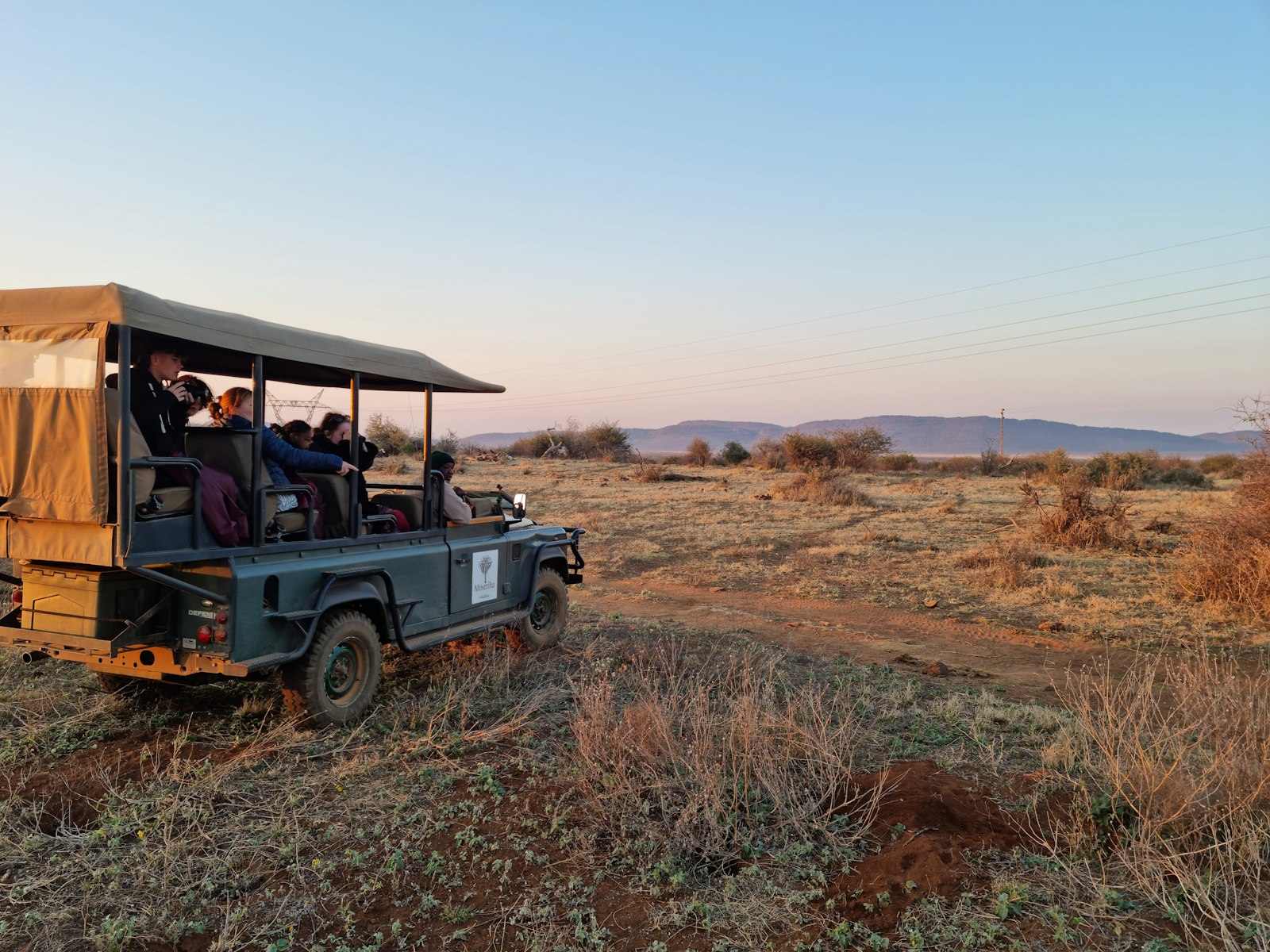
On most Kenya safaris, one person drives the vehicle, spots the animals, reads the terrain, talks to other guides by radio and explains the ecology. Two travellers in the same park on the same day can have completely different experiences depending on that person. A good safari guide finds the leopard in the tree, knows when the cheetah is likely to hunt and waits quietly instead of rushing to the next tick on the list.
It also matters for safety and comfort. Guides judge river crossings and muddy roads, keep you safe around elephants and buffalo, and look after you if someone feels unwell. That is why the guide is one of the first things worth asking about when you compare quotes. Our guide to the questions to ask before booking a safari covers the others.
Safari Guide Certification in Kenya Explained
The clearest way to spot a good safari guide in Kenya is the KPSGA system, a three-level ladder of Bronze, Silver and Gold.
The Kenya Professional Safari Guides Association is an independent, non-profit body set up in the 1990s to raise guiding standards. Guides sit written exams covering mammals, birds, plants, reptiles, ecology, culture, conservation, first aid and customer care. Higher levels add practical field assessments and need several more years of experience.
| Level | What it requires | What it tells you |
|---|---|---|
| Bronze | Field experience and a written knowledge exam | A trained, professional guide with solid core knowledge |
| Silver | Several more years as a Bronze guide, plus harder written and practical exams | An experienced specialist with deep knowledge of birds, plants and tracking |
| Gold | Many years in the field and a very demanding assessment | One of the country’s top guides; very few hold it |
| No KPSGA level | Training may come from employers, colleges or experience alone | Ask about experience, training and references instead |
Industry figures from 2024 suggested Kenya had fewer than 1,000 Bronze-certified guides, a few hundred at Silver and only a few dozen at Gold. A Silver or Gold guide is a real asset, especially for photographers and keen birders. A good safari guide can also be uncertified but very experienced, so treat certification as one important signal, not the only one.
Licensing and other training
Kenya’s Tourism Regulatory Authority licenses tour operators, and many conservancies and camps set their own standards for guides. Walking guides need extra training in reading animal behaviour on foot, and many guides hold first aid or wilderness first aid certificates. Our honest guide to walking safari safety explains who should lead a walk.
Driver-Guide, Camp Guide or Private Guide?
The word “guide” covers several different jobs on a Kenya safari, and it helps to know which one you are booking.
| Type of guide | Who they are | Typical trips |
|---|---|---|
| Driver-guide | Drives your vehicle for the whole trip and guides in every park | Most road safaris from Nairobi |
| Camp or lodge guide | Employed by the camp and guides only in that area | Fly-in safaris and conservancy stays |
| Private specialist guide | A senior guide hired for your group, often Silver or Gold | Photography, birding and high-end private trips |
| Walking guide | Leads walks on foot, often with an armed ranger | Conservancies, Laikipia and some parks |
| Spotter or tracker | Helps the guide find animals, especially on night drives | Many conservancy camps |
On a road safari you keep the same driver-guide throughout, so the relationship builds day by day. On a fly-in safari you meet a new camp guide in each place, who knows that area intimately. Both can deliver a good safari guide experience; the difference is continuity versus local depth. Our guides to private vs group safaris and safari vehicles in Kenya explain how this affects your trip.
10 Signs of a Good Safari Guide
You can usually tell within the first game drive whether you have a good safari guide. These are the signs to look for.
- They ask what you want to see: a good guide learns your priorities, from big cats to birds or photography, and plans around them.
- They explain, not just point: you hear why lions rest in the heat, how to age an elephant or what a bird call means.
- They wait: patience at a sighting often produces the best moments, such as a cheetah standing up to hunt.
- They position the vehicle well: with the light behind you, a clear view for every seat and the engine off for photos.
- They respect wildlife: no chasing, no blocking a predator’s path and no driving into the middle of a herd.
- They follow park rules: staying on tracks where required and keeping to speed limits.
- They read other drivers: they use the radio wisely and do not join a crowd of vehicles just because others are there.
- They drive safely: smooth, calm driving and good judgement on wet or rough roads.
- They notice the small things: a chameleon on a branch, dung beetles, tracks in the sand, a hidden owl.
- They look after you: water, toilet stops, sun protection and a sense of humour on long days.
Expert tip from our Nairobi team: on your first morning, tell your guide one or two things you would love to see and how you like to travel. A good safari guide uses that information all trip, and it is far easier than trying to change the plan on day four.
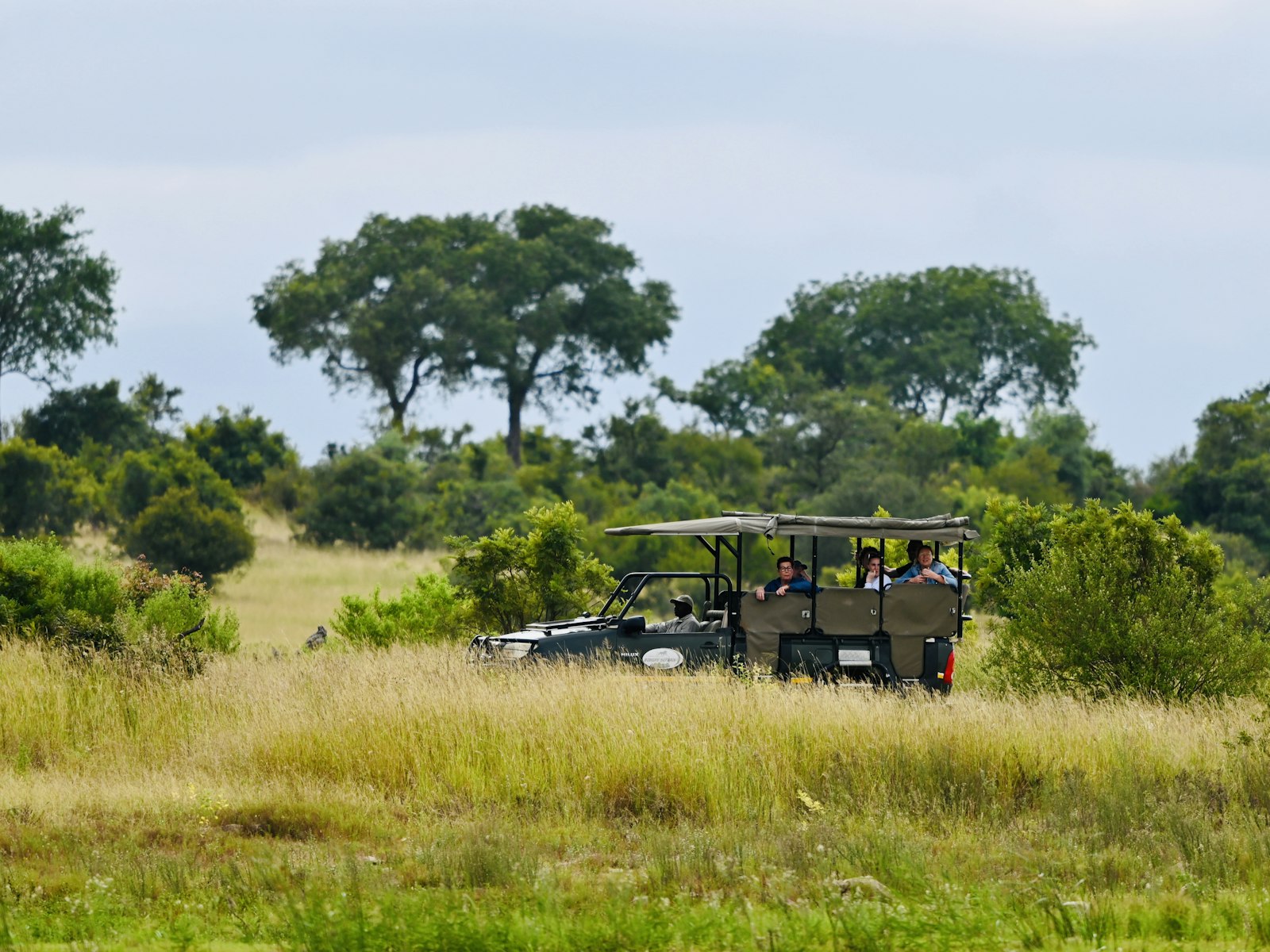
Red Flags: Signs of a Poor Safari Guide
Most Kenyan guides are proud professionals, but it is worth knowing the warning signs that you do not have a good safari guide, so you can speak up early.
- Chasing animals or driving off-road where it is not allowed, for example in parts of the national reserves.
- Crowding sightings: pushing in among many vehicles or surrounding a cat so it cannot move.
- Making noise: revving engines, shouting or tapping on the vehicle to get a reaction.
- Feeding or baiting animals for photos, which is illegal and harmful.
- Rushing: racing from sighting to sighting to tick off the Big Five.
- Pressure for tips or shopping: repeated stops at curio shops you did not ask for.
- Unsafe driving: speeding between parks or driving after dark outside towns.
If something worries you, say so politely to the guide first, then tell your operator. A good operator wants to know straight away. Kenya’s park rules are set by the Kenya Wildlife Service and the county reserve authorities, and many conservancies limit the number of vehicles at a sighting. Our Kenya safari etiquette guide explains what is expected of guests too.
How to Check for a Good Safari Guide Before You Book
You rarely choose a good safari guide by name, but you can ask your operator questions that reveal a lot about guiding standards.
Questions to ask your safari company
- Which guide will lead my trip, and what is their KPSGA level?
- How many years have they guided in the parks on my route?
- Do they speak my language, or is a guide in another language available?
- How many guests will share the guide and vehicle?
- Do guides have first aid training, and what happens in an emergency?
- Does the guide stay with me for the whole trip, or do camp guides take over on fly-in legs?
- How do you train and review your guides?
Clear, specific answers are a good sign; vague promises such as “all our guides are the best” are not. To check the operator itself, read our guides to finding a trustworthy safari operator in Kenya and how to choose a safari operator.
Reading reviews to find a good safari guide
Look for reviews that name a guide and describe what they did: finding a leopard, explaining tracks, handling a puncture calmly. That detail usually means a good safari guide, while short, generic five-star reviews tell you little.
Getting the Most From a Good Safari Guide
Even a good safari guide can do more when you help them understand you.
- Share your interests early: photography, birds, family needs or a fear of heights in a pop-up roof.
- Agree the day’s plan: early starts, a picnic breakfast or a full-day drive all change what is possible.
- Ask questions: good guides love curious guests.
- Be quiet at sightings: low voices keep animals relaxed and the moment longer.
- Be flexible: wildlife does not follow a timetable, and the best guides change plan when something interesting happens.
- Give feedback: if you want longer stops or fewer stops, say so.
Our typical day on a Kenya safari guide shows how a day with your guide usually runs.
📅 Get a Free, No-Obligation Safari Quote
Tell us what you want from your guide, from photography to birding or a family-friendly pace, and we will match the trip to it. ✉ Send Us Your Dates on WhatsApp
Private Guide or Shared Vehicle?
A private guide and vehicle give you the most from a good safari guide, while a shared vehicle is cheaper but less flexible.
In a shared vehicle, the guide has to balance the wishes of six or more people. One wants to stay with the lions, another wants to move on, and nobody gets exactly what they hoped for. With a private vehicle the guide can tailor every drive to you. Our guide to the window seat guarantee on safari explains how many people usually share a vehicle.
| Option | Flexibility | Cost | Best for |
|---|---|---|---|
| Private vehicle and guide | Full control of timing and stops | Higher per person, lower for groups of 4–6 | Families, photographers, couples |
| Shared vehicle | Fixed plan agreed by the group | Lower per person | Solo travellers and tight budgets |
| Private specialist guide | Expert focus on your interest | Highest | Serious photographers and birders |
For photography-led trips, consider the Big Cats Photographic Safari in the Masai Mara, and for a classic route with one driver-guide throughout, the Kenya Highlights Safari. If walking interests you, see the Laikipia and Masai Mara Walking Safari. Message us for a quote.
Languages, Families and Special Interests
A good safari guide for your group may need specific skills beyond wildlife knowledge.
- Languages: English is standard; guides who speak German, French, Italian, Spanish and other languages can often be arranged with notice.
- Children: some guides are brilliant with young travellers, using games, tracking and simple stories.
- Photographers: look for guides who understand light, angles and patience, or book a photographic safari.
- Birders: Silver and Gold guides often have expert birding knowledge.
- Limited mobility: a thoughtful guide helps with steps, rest stops and gentle driving.
Expert tip from our Nairobi team: if you need a guide who speaks a language other than English, ask when you first enquire, not after booking. A good safari guide who speaks several languages is in high demand in peak season.
Tipping a Good Safari Guide
Tipping is customary in Kenya and is a meaningful part of a guide’s income, but it should always reflect the service you received.
Most travellers tip their driver-guide at the end of the trip, and camp guides at the end of each stay, usually in cash. Amounts vary with group size and trip length. A good safari guide deserves a fair tip; poor service does not oblige you to tip generously. Our Kenya safari tipping guide gives suggested amounts.
For official visitor information about Kenya, see Magical Kenya, and read your government’s travel advice, such as the UK Foreign Office Kenya page, before you travel.
Good Safari Guide FAQs
What makes a good safari guide?
A good safari guide combines deep wildlife knowledge, sharp spotting skills, safe driving and patience at sightings with clear communication and real care for guests. They respect animals and park rules, adapt the day to your interests and explain what you are seeing, so you learn as well as look.
What do Bronze, Silver and Gold mean for Kenyan safari guides?
They are the three certification levels of the Kenya Professional Safari Guides Association. Bronze is the professional entry level, based on a written exam. Silver needs more experience and harder written and practical exams. Gold is the highest level, held by only a few dozen guides in Kenya.
Do all safari guides in Kenya have to be certified?
Not every guide holds a KPSGA level, although many camps, conservancies and operators expect it. Some very experienced guides learned on the job. Ask your operator about certification, years of experience in your parks, first aid training and how they train and review their guides.
Can I choose my safari guide?
Often you can request a good safari guide you have heard about, especially on a private safari or if you are returning to an operator you have used before. Availability depends on dates and demand, so ask early. On fly-in safaris your guides are usually employed by each camp, so you meet a new guide at each stop.
How much should I tip a safari guide in Kenya?
Tips vary with group size and trip length, and should reflect the service you received. Most travellers tip their driver-guide at the end of the trip in cash, and camp guides at the end of each stay. See a current tipping guide for suggested daily amounts per guest.
Is a private guide worth the extra cost?
For many travellers, yes. A private guide and vehicle let you stay as long as you like at sightings, start early, take long drives and focus on your interests. For a group of four to six, the cost per person can be close to that of a shared safari.
What should I do if my safari guide is not good?
Speak politely to the guide first about what you would like, such as longer stops or less rushing. If nothing changes, or if you see unsafe or unethical behaviour, contact your operator straight away. A reputable company will want to fix the problem during your trip, not after it.
🏕 Plan Your Safari With Sense of Adventure
Kenya-based experts. Real local knowledge. Transparent pricing. Tell us how you like to travel and we will plan your safari with a good safari guide and a route that suits you. 💬 WhatsApp Us — Start Planning Today
Call or WhatsApp: +254 799 160 081
Related Safari Guides
- ›Questions to Ask Before Booking a Safari
- ›How to Find a Trustworthy Safari Operator
- ›Private vs Group Safari in Kenya
- ›Kenya Safari Etiquette
- ›Responsible Safari: 10 Simple Checks
Official travel & park resource: Kenya Wildlife Service ↗