
A Kenya safari in November is a good choice for most travellers: the short rains bring green landscapes, fewer vehicles and lower rates at many camps, while the resident big cats and elephants stay put. Showers usually fall in the afternoon or at night. The main trade-offs are muddy roads, the end of the migration and a wetter-than-usual 2026 forecast.
Sense of Adventure is a licensed safari operator based at Mountain Mall on Thika Road, Nairobi (TRA licence TRA1/47/C01/77087), and we run safaris through every November. This guide explains honestly what the short rains mean for a safari in November: the weather, wildlife by park, the Great Migration, roads, costs and park fees, packing, health, and which itineraries work best.
✅ Safari in November: The Quick Answer
- Weather: the short rains run from about mid-October to December, with showers mostly in the afternoon and evening.
- Wildlife: resident lions, leopards, cheetahs and elephants are present all month; migratory birds arrive from Europe and Asia.
- Migration: most wildebeest have usually left the Masai Mara for the Serengeti by early November.
- Prices: many camps charge lower green-season rates until mid-December.
- 2026 outlook: Kenya’s weather service forecast above-average short rains over most of the country.
- Best for: value seekers, photographers, birders and travellers who dislike crowds.
🌎 Thinking About a Safari in November?
Tell us your dates and we will tell you honestly which parks are at their best and how the weather is shaping up. 💬 WhatsApp Us Now or call +254 799 160 081
Is a Safari in November Worth It?
Yes, for most people. A safari in November gives you excellent game viewing at a lower price, as long as you can accept some rain and a little flexibility.
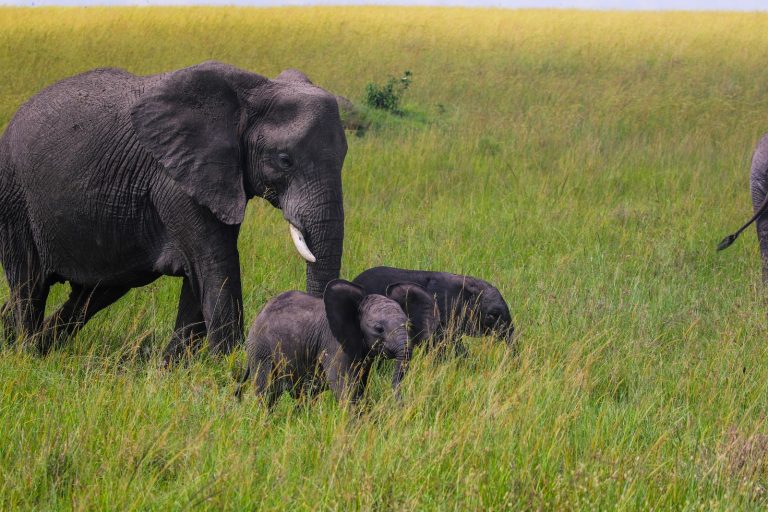
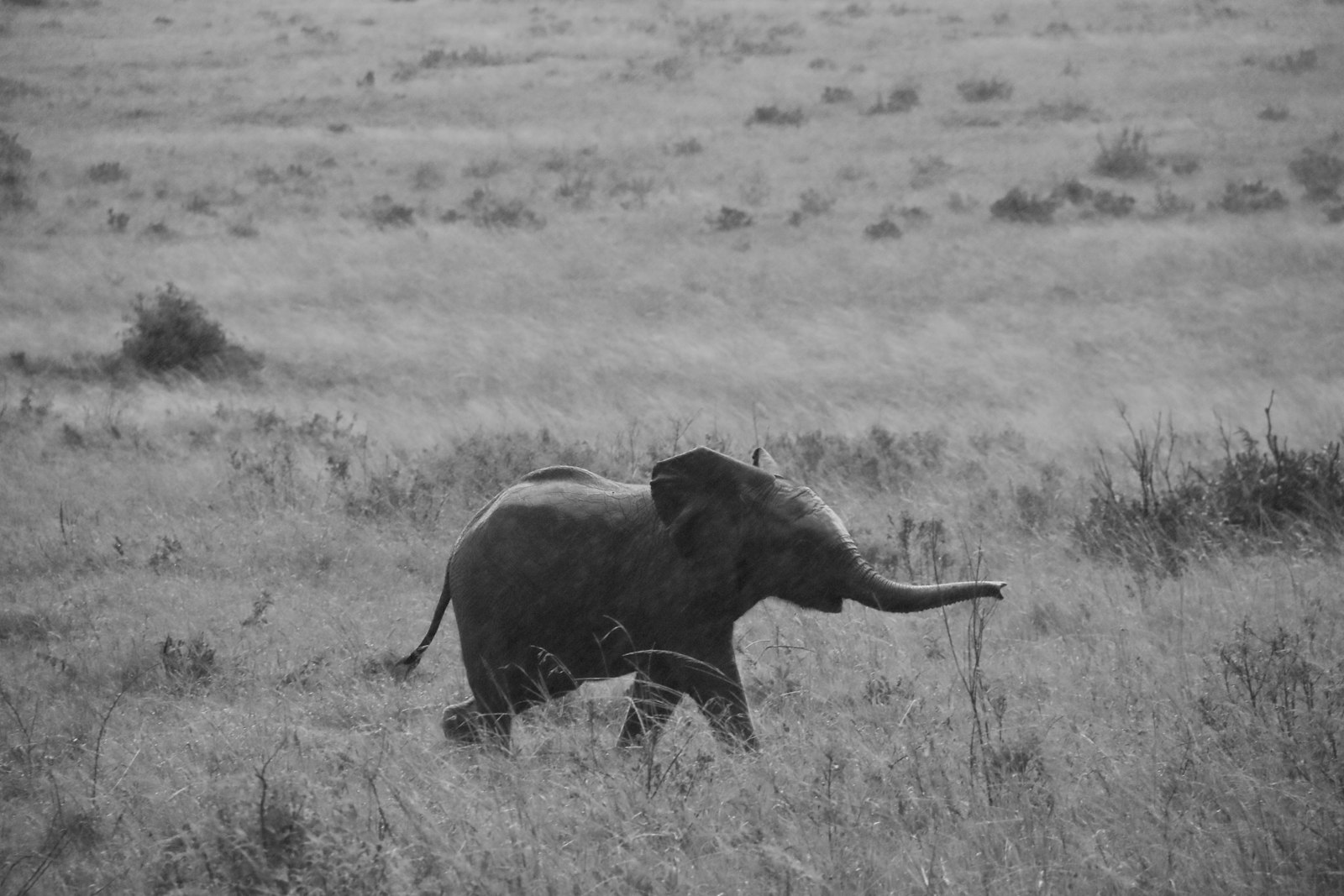
November sits between the busy migration months and the festive peak. The parks are quieter, the light after a storm is clear and dramatic, and the grass is fresh and green. Many animals give birth in the wet seasons, so you often see young impala, zebra and warthogs. Big cats do not migrate, so your chances of lions in the Masai Mara are as good as at any time of year.
It is less suited to travellers whose main goal is a Mara River crossing, or who have only two days and cannot risk a wet afternoon. For the bigger picture, see our honest guide to whether a Kenya safari is worth it.
What the Short Rains Really Mean for a Safari in November
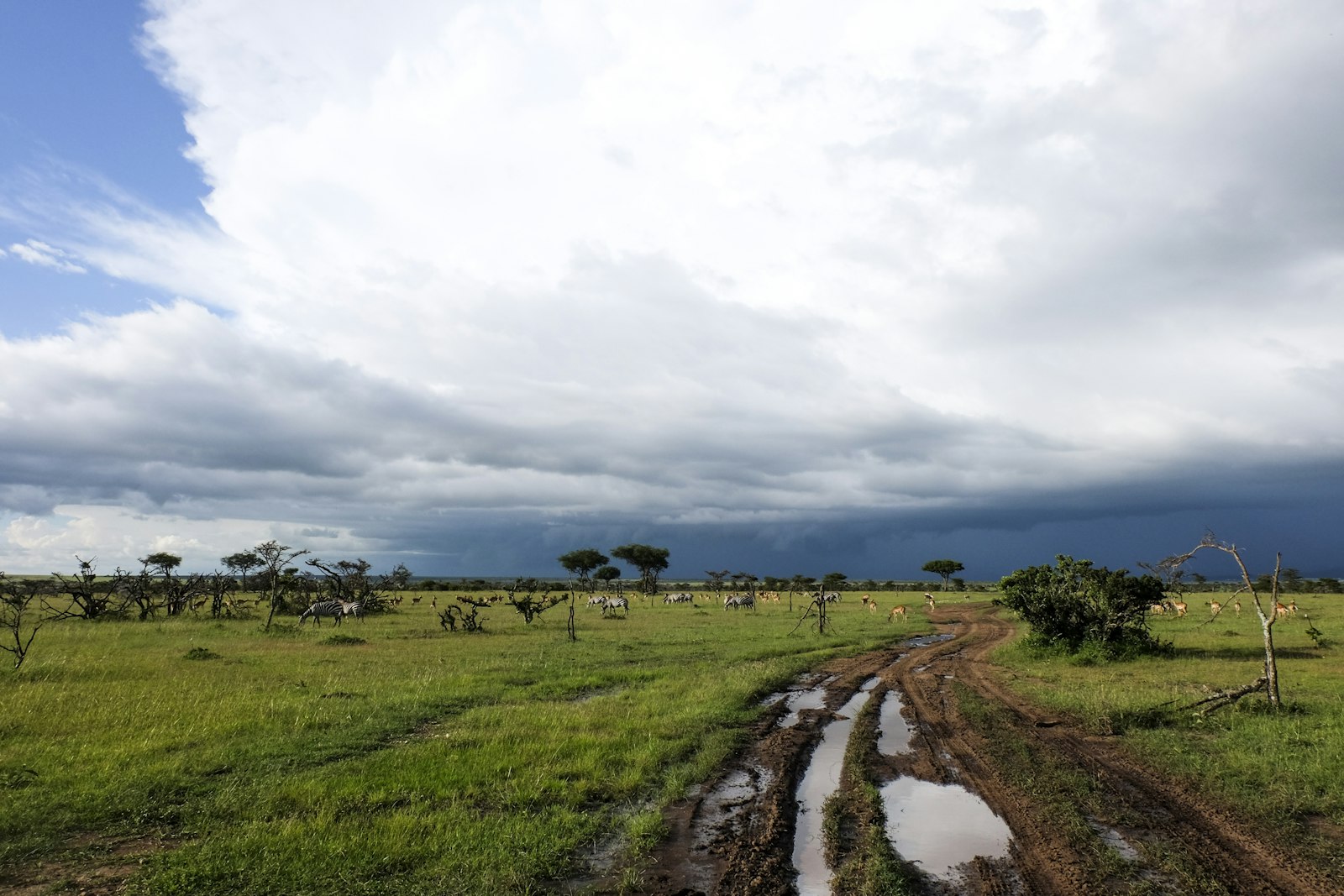
The short rains are usually brief, heavy showers rather than days of steady drizzle, and most game drives go ahead as normal.
A typical November day starts clear and fresh. Clouds build after lunch, and a storm may roll in during the afternoon or evening, often lasting an hour or two. Mornings are usually dry, which suits game drives perfectly. Some days bring no rain at all, while others are grey and wet for longer.
The 2026 forecast
The Kenya Meteorological Department forecast above-average rainfall for October to December 2026 across about 80% of the country, with prolonged wet spells and occasional storms. Areas expected to be wetter than usual include Nairobi, Nakuru and the coast. A wetter season can still be a rewarding safari in November, but it makes 4×4 vehicles, flights instead of long drives, and spare time more valuable. Check the latest updates from the Kenya Meteorological Department before you travel.
Expert tip from our Nairobi team: plan your safari in November with long morning drives and a later afternoon drive. If a storm arrives at 3 pm, you can wait in camp and head out when it clears, often into the best light of the day.
Kenya Weather in November by Region
Weather varies a great deal across Kenya, so where you go shapes your safari in November as much as the month itself.
| Region | Typical November weather | Safari conditions |
|---|---|---|
| Masai Mara | Warm days, afternoon storms, cool nights | Green plains, muddy tracks in places, excellent big cats |
| Amboseli | Hot, mostly dry with some showers | Good elephants; dust settles; Kilimanjaro views between storms |
| Laikipia and Ol Pejeta | Mild, mixed sun and showers | Rhinos and wild dogs; cool evenings |
| Samburu | Hot and dry, with occasional heavy storms | Rivers may flow again; game spreads out after rain |
| Tsavo | Hot, with short heavy showers | Red elephants; lush bush can make sightings harder |
| Coast (Diani, Watamu) | Hot and humid, with showers | Good for a beach finale between showers |
For month-by-month detail, see our guide to Kenya weather by month.
Wildlife on a Safari in November
Wildlife viewing stays strong in November, with resident predators, newborn animals and some of the year’s best birding.
Big cats on a safari in November
Lions, cheetahs and leopards hold territories all year, so they are there whatever the weather. Elephants, buffalo and rhinos are also resident. Our guide to your chances of seeing the Big Five in Kenya explains which parks are best for each animal.
Birds
From about October, migratory birds arrive from Europe and Asia, and many resident species are in breeding plumage. A safari in November is one of the best times for birders, with hundreds of species possible in a week.
Young animals
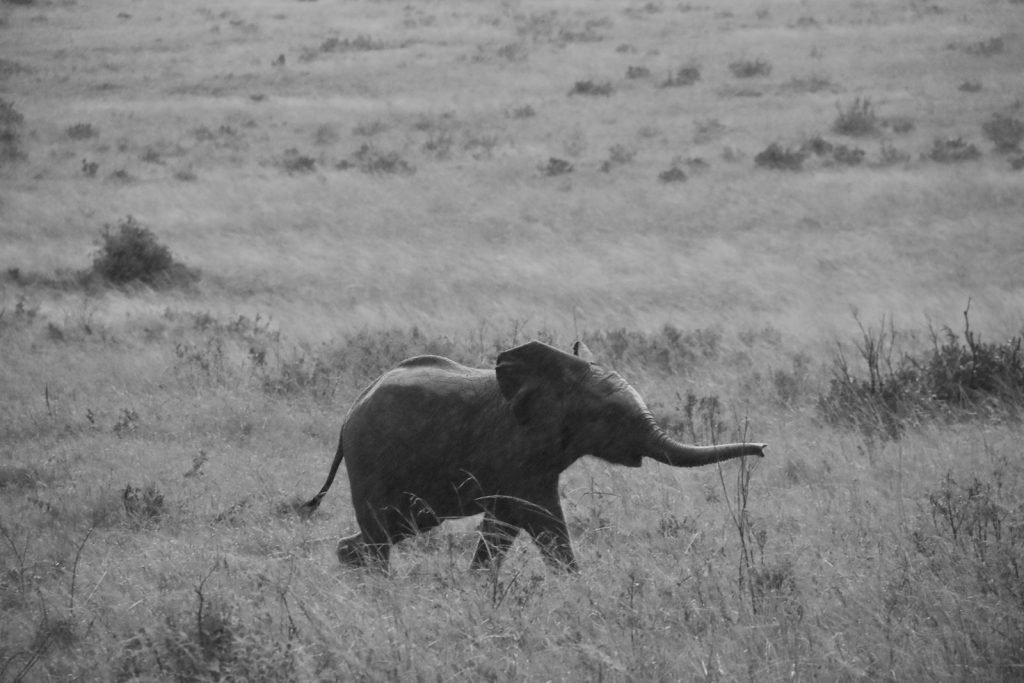
On a safari in November, fresh grass means good grazing, and many antelope and other grazers give birth in the wet seasons. Young animals also attract predators, which can lead to exciting sightings.
Will You See the Great Migration in November?
Probably not the river crossings. By early November most of the wildebeest and zebra herds have usually moved south from the Masai Mara into Tanzania’s Serengeti.
The exact timing changes every year with the rains. In some years stragglers and small herds linger in the Mara into November, but the big crossings of July to October are normally over. If the migration is your top priority, read our honest guide on whether the Great Migration is guaranteed, and our Masai Mara or Serengeti by month guide shows where the herds usually are.
The good news is that the Mara’s resident wildlife is superb without the herds, and with fewer vehicles you often get sightings almost to yourself.
Roads, Flights and Getting Around
Rain affects roads more than it affects wildlife, so choose transport with the weather in mind.
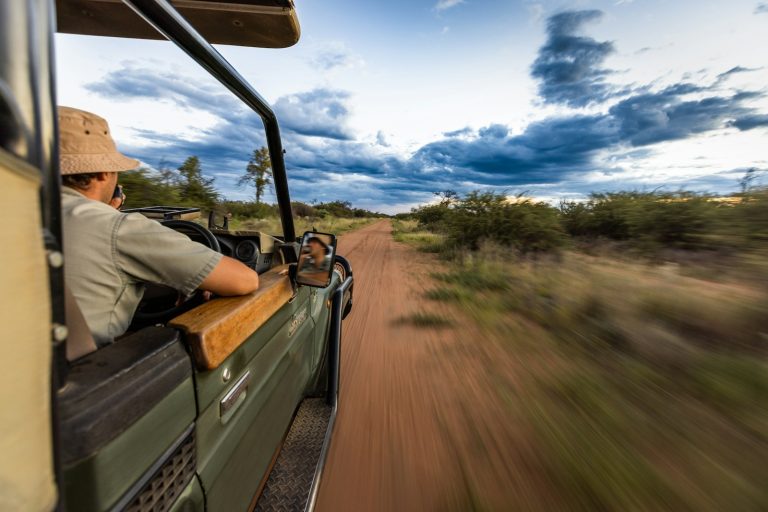
- Mud: the Masai Mara’s black cotton soil becomes slippery after storms; experienced driver-guides and 4×4 vehicles handle it, but drives can take longer.
- Flights: light aircraft from Nairobi’s Wilson Airport avoid long, muddy drives and give you more time in the park.
- Delays: occasionally flights wait for a storm to pass, so avoid tight same-day international connections.
- Pop-up roofs: safari vehicles keep you dry during a shower, and you can close the roof if needed.
- Conservancies: camps in private conservancies may offer more flexible game drive times and off-road driving where allowed.
Our guides to safari vehicles in Kenya and the Masai Mara reserve vs conservancies explain the options in more detail.
What a Safari in November Costs
A safari in November is usually cheaper than the July to October peak, though park fees in the Masai Mara do not drop with the camp rates.
Many camps and lodges charge green-season or shoulder rates from early November until around 20 December, when festive pricing starts. The saving varies by camp. KWS parks such as Amboseli and Lake Nakuru charge the same daily entry fee all year; since October 2025 the published non-resident rate for these two parks has been US$90 per adult per 24 hours.
The Masai Mara National Reserve sets its own fees, and its higher rate for non-residents usually applies from July to December, so November does not benefit from the lower January to June reserve fee. Conservancies charge their own nightly fees instead; see our guide to conservancy fees in Kenya. Check the latest park fees on the Kenya Wildlife Service website.
| Cost item | November compared with peak season |
|---|---|
| Camp and lodge rates | Often lower at many camps |
| KWS park fees | Same all year |
| Masai Mara reserve fee | Usually on the higher July–December rate |
| Bush flights | Similar fares; more seats available |
| Availability | Much easier to book at short notice |
For a full breakdown, read our guides to the cheapest time for a Kenya safari and the overall Kenya safari cost.
📅 Get a Free, No-Obligation Safari Quote
Send us your November dates and we will compare camps, flights and fees so you can see the real saving. ✉ Send Us Your Dates on WhatsApp
Best Parks for a Safari in November
The Masai Mara, Laikipia and Amboseli are the most reliable choices, with Samburu and the coast as strong additions.
- Masai Mara: superb big cats all month; fly in if the roads are wet.
- Laikipia and Ol Pejeta: rhinos, chimpanzee sanctuary and cooler weather, with good roads around Nanyuki.
- Amboseli: elephants and some of the clearest Kilimanjaro views after storms.
- Samburu: rare northern species such as Grevy’s zebra and reticulated giraffe; storms are short but can be heavy.
- Lake Nakuru and Naivasha: rhinos, hippos and birds within easy reach of Nairobi.
- The coast: warm sea and beaches for a relaxing end to your trip.
Trips that work well for a safari in November include our 3-Day Masai Mara Safari, the 6-Day Kenya Safari: Masai Mara, Lake Nakuru and Naivasha and the Kenya Safari and Beach Holiday. Message us for a quote for your dates.
A Sample 7-Day Safari in November
This simple route balances big cats, rhinos and easy logistics, and it copes well with wet weather.
Days 1 to 3: the Masai Mara by air
Fly from Wilson Airport to a Mara camp or conservancy, avoiding the long road journey on wet days. Spend two full days on morning and afternoon game drives, with a long brunch break in the middle of the day. A sunrise balloon flight is optional and depends on the weather.
Days 4 and 5: Laikipia or Lake Nakuru
Fly or drive to Laikipia for rhinos at Ol Pejeta, or head to Lake Nakuru and Naivasha for rhinos, hippos and a boat ride. Roads in this area are generally good, which helps if the Mara tracks are muddy.
Days 6 and 7: Nairobi or the coast
Return to Nairobi for an evening flight, or fly to Diani for a few days on the beach. This is the most reliable shape for a safari in November, because flights save hours on muddy roads and the itinerary keeps a buffer day.
Expert tip from our Nairobi team: leave one free half-day in any safari in November. If a storm cancels an afternoon drive, you can make it up the next day without losing a highlight.
Who a Safari in November Suits Best
November is ideal for travellers who value space, price and atmosphere more than perfect weather.
- Value seekers: lower camp rates and easy availability.
- Photographers: dramatic skies, green backgrounds and clear air after rain.
- Birders: migrants plus breeding residents.
- Repeat visitors: a quieter, greener side of Kenya.
- Honeymooners: quiet camps before the Christmas rush; see our best honeymoon lodges in Kenya.
It is less ideal if you have your heart set on river crossings, have very limited days, or dislike the idea of any rain. If you can move your dates, compare it with our guides to a Kenya safari in December and a Kenya safari in January.
What to Pack for a Safari in November
Pack as you would for any safari, then add rain protection and an extra warm layer.
- A lightweight waterproof jacket with a hood.
- Quick-drying trousers and shirts in neutral colours.
- A fleece or warm layer for cool mornings and evenings.
- Comfortable shoes that can get muddy, plus sandals for camp.
- A dry bag or zip bags for cameras, phones and documents.
- Insect repellent with DEET or picaridin, as mosquitoes increase after rain.
- A soft duffel bag if you are taking bush flights.
Our full guide to what to pack for an African safari covers the rest.
Health and Safety in November
The rains bring more mosquitoes, so malaria prevention matters more on a safari in November than in the driest months.
Most safari areas below about 1,800 metres carry malaria risk, including the Masai Mara, Samburu, Tsavo and the coast. Talk to a travel clinic about antimalarial tablets, cover up at dusk and use repellent. Our guide to Kenya safari malaria risk explains the details, and NHS Fit for Travel and the CDC Kenya page list the current vaccine advice.
In October 2026 Kenya reported a small cluster of Ebola cases linked to one traveller who arrived from the DRC; health authorities traced contacts, and international agencies rated the risk to ordinary travellers as low. Check your government’s advice, such as the UK Foreign Office Kenya page, before you travel, and see our guide to Kenya’s mandatory travel insurance.
Expert tip from our Nairobi team: avoid basic camping trips on a safari in November unless you love the outdoors. A solid tented camp or lodge with proper drainage and en-suite bathrooms makes a wet evening far more comfortable.
Safari in November FAQs
Is November a good time for a safari in Kenya?
Yes. November brings green landscapes, fewer visitors and lower rates at many camps, while resident lions, leopards, cheetahs and elephants stay in the parks. Showers usually fall in the afternoon or evening, so morning game drives are rarely affected. The main downsides are muddy roads and the end of the migration.
Does it rain all day in Kenya in November?
Usually not. The short rains tend to arrive as heavy afternoon or evening storms that last an hour or two, with clear, fresh mornings. Some days are dry, and some are grey and wet for longer. The 2026 season was forecast to be wetter than average across most of Kenya.
Can you see the Great Migration in the Masai Mara in November?
Usually not the big river crossings. By early November most of the wildebeest herds have normally moved south into the Serengeti in Tanzania, although small groups sometimes linger. The Mara’s resident predators and plains game remain excellent, with far fewer vehicles than in August or September.
Is a safari in November cheaper?
Often, yes. Many camps charge lower green-season rates from early November until around 20 December. KWS park fees stay the same all year, and the Masai Mara reserve fee usually stays on its higher July to December rate, so the saving comes mainly from accommodation and easier availability.
What is the best park to visit in November?
The Masai Mara remains excellent for big cats, and Laikipia, Ol Pejeta and Amboseli are reliable alternatives. Samburu suits travellers looking for rare northern species. Many travellers fly between parks in November to avoid long, muddy drives, and finish with a few days on the coast.
Do I need malaria tablets for a November safari?
Most safari areas in Kenya carry malaria risk, and mosquitoes increase after rain, so most travellers are advised to take antimalarial tablets. Speak to a travel clinic or doctor six to eight weeks before you travel, and use repellent and long sleeves from dusk.
What should I wear on safari in November?
Wear neutral, quick-drying layers, with a fleece for cool mornings and a lightweight waterproof jacket for storms. Bring shoes that can get muddy, and keep cameras and phones in dry bags. Pack in a soft duffel if you are taking light aircraft between parks.
🏕 Plan Your Safari With Sense of Adventure
Kenya-based experts. Real local knowledge. Transparent pricing. We will plan your safari in November around the weather, with the right camps, flights and timings. 💬 WhatsApp Us — Start Planning Today
Call or WhatsApp: +254 799 160 081
Related Safari Guides
- ›Kenya Safari in December
- ›The Cheapest Time for a Kenya Safari
- ›Kenya Weather by Month
- ›Is the Great Migration Guaranteed?
- ›Insects on Safari and How to Avoid Bites
Official travel & park resource: Kenya Wildlife Service ↗